The 51-day standoff that began with a raid and ended with a mother's public fury

The fire took the ranch on April 19, 1993, after a 51-day standoff near Waco, Texas.
Seventy-six people inside died, including more than twenty children.
David Koresh, the leader of the Branch Davidian sect, was among the dead.
His wife, Rachel Koresh, was among the dead.
After the fire, David Koresh's mother spoke publicly.
His sister spoke publicly, too.
They criticized the government's handling of the siege.
The mother's fury is a documented fact in the record.
It is grief, and it is accusation.
She blamed the authorities for what happened to her son.
What did the government do in those final hours?
What really happened inside the compound as the tear gas went in?
What started the fire that consumed everything?
The exact cause of the fire is not established by the record.
That is the line the record draws: the anger is certain, the origin is not.
The compound was destroyed in the fire.
The site remains privately owned.
It is not a public memorial.
The mother kept speaking about her son for years after.
The fury stayed with her.
The question of the fire never closed.
THE RAID AND THE STANDOFF
The raid came on February 28, 1993.
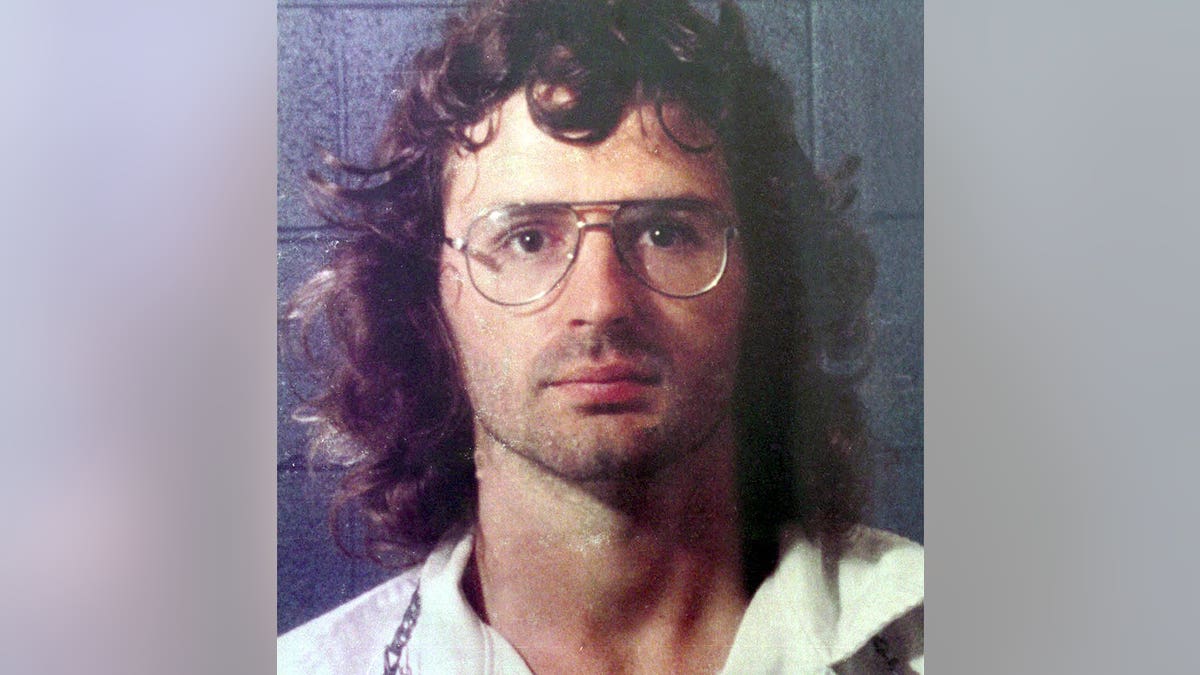
ATF agents attempted to execute a search and arrest warrant at the Mount Carmel Center ranch near Waco, Texas.
The home belonged to the Branch Davidians, the religious sect led by David Koresh.
The ATF had been investigating Koresh for illegal weapons possession and modification.
The agents were armed with standard firearms.
The operation was compromised.
Exactly how the operation was compromised is not fully established in the record.
The Davidians were armed and prepared.
A gun battle erupted.
Four ATF agents were killed.
Six Branch Davidians were killed.
The gunfight was over in hours, but the standoff lasted 51 days.
The FBI took over the siege after the initial raid.
The compound sat under watch. The negotiators spoke. The tactical teams waited.
Inside, families lived among the weapons and the faith.
It was a siege. It was also a home.
The mother outside would later say the government pushed her son too hard.
That claim would come after the fire, after the deaths, after the questions.
For now, there was only the standoff, and the waiting, and the guns.
THE FINAL ASSAULT AND THE FIRE
On April 19, 1993, the FBI launched a tear gas assault on the compound.
Bradley fighting vehicles punched holes in the walls and injected the gas.
A fire broke out.
Seventy-six people inside died.

More than twenty of them were children.
The victims included entire families.
Steve Schneider, a top lieutenant, died with his household.
Perry Jones died with his.
The fire destroyed the Mount Carmel compound.
It did not destroy the questions.
The Justice Department investigated the use of tear gas.
Congress investigated it too.
No federal agents were criminally charged.
The exact cause of the fire is not established.
The record does not state who or what started it.
Was it the gas canisters?
Was it a spark from the vehicles?
Was it a fire set from inside?
That would require evidence.
The official reports offered theories, not a verdict.
The mother and sister would speak later, their fury documented in the record.
They said the government pushed too hard.
They said the government killed their son.
What they could not say, because no one could, was how the fire began.
That remains unestablished.
The compound was gone.
The families inside were gone.
The standoff was over.
The horror was not.
TWO STORIES, ONE RECORD
The federal government called the raid a lawful execution of a warrant.
The tear gas assault, prosecutors said, was a tactical decision.
No federal agents were criminally charged.
The defense told a different story.
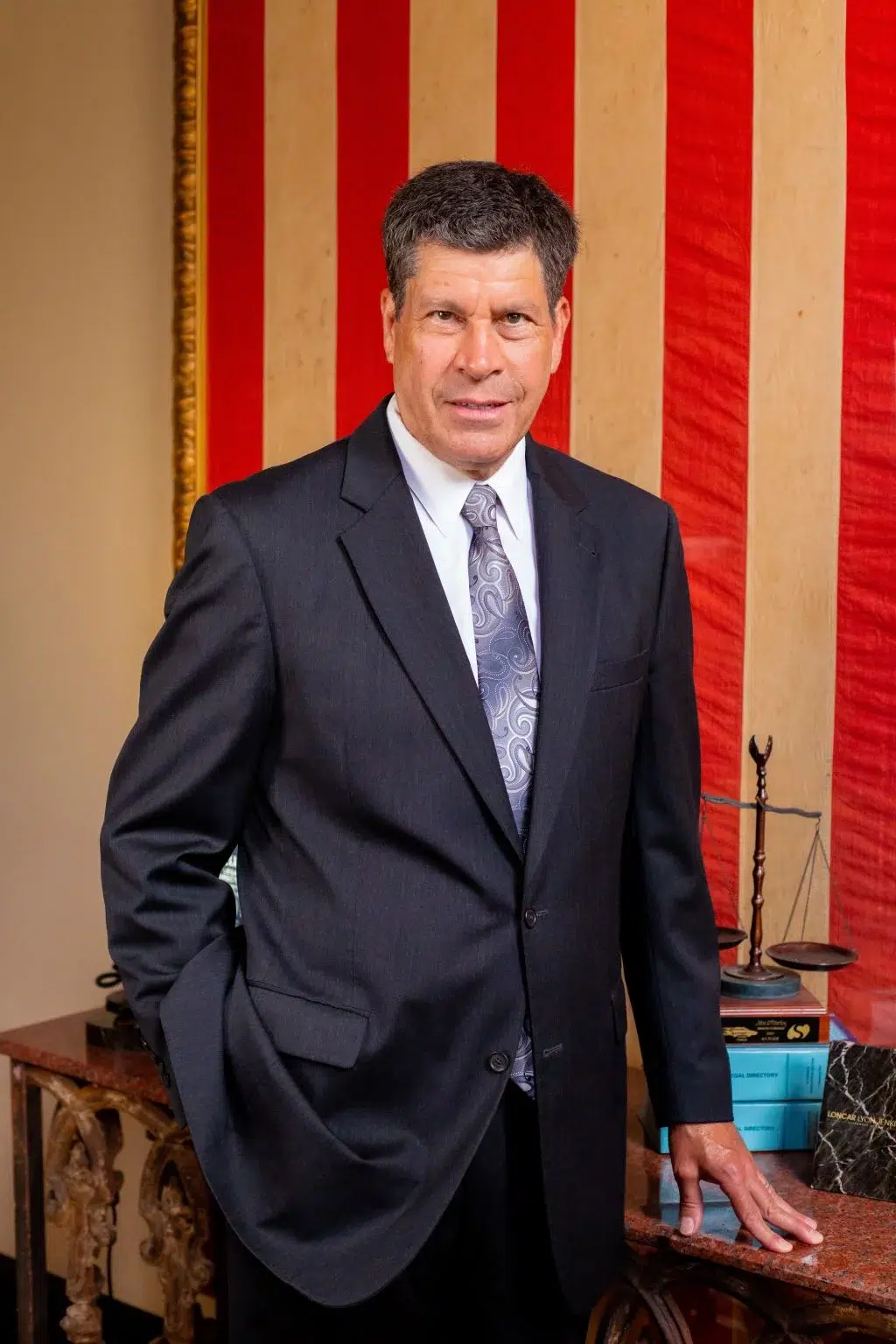
Dick DeGuerin, who represented Koresh during the standoff, argued the Davidians acted in self-defense against an aggressive government raid.
Two stories, one record.
The record does not establish which interpretation is correct.
In 1994, eleven surviving Branch Davidians were tried in federal court in San Antonio.
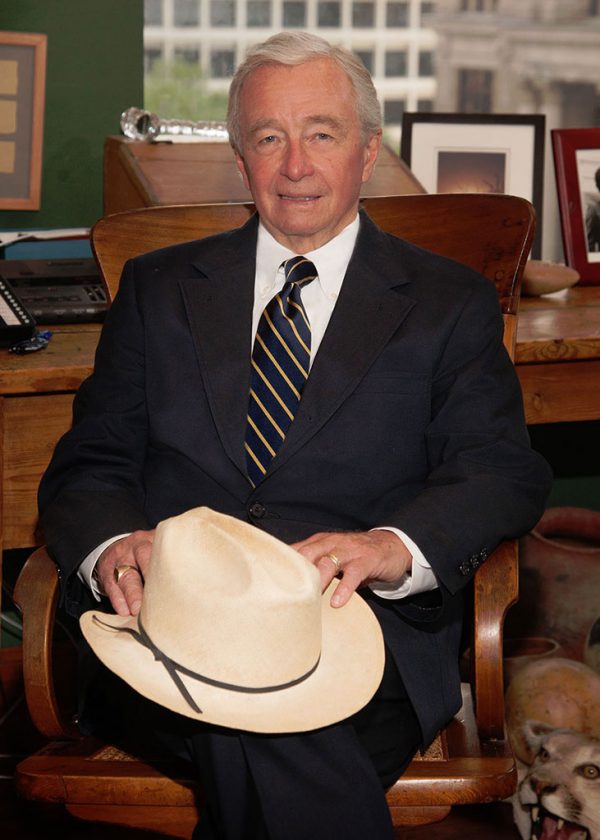
The lead prosecutor was Bill Johnston of the U.S. Attorney's Office for the Western District of Texas.
Five were acquitted of the most serious charges.
Several were convicted of lesser offenses, including voluntary manslaughter and weapons violations.
Sentences ranged from probation to 40 years in prison.
The convictions were largely upheld on appeal, though some sentences were later reduced.
What remains is a question of origin.
The fire's cause was never proven.
That would require evidence the record does not supply.
The government's version holds no criminal fault.
The defense's version holds no justification.
Neither version closes the case.
The record holds the raid, the standoff, the assault, the fire.
It holds the verdicts.
It does not hold the truth of what started the flames.
That gap is the story.
AND THE STORY STILL ISN'T OVER
The settlements went out in millions, paid by the federal government to families who sued over the siege.
Several surviving Branch Davidians walked out of prison after serving their sentences.
The site at Mount Carmel remains privately owned.
It is not a public memorial.
No federal agents were criminally charged.
The Justice Department investigated, and Congress investigated, and the record holds the verdicts, but it does not hold a criminal charge against anyone who ordered the tear gas or drove the Bradley vehicles.
The mother of David Koresh kept speaking.
She spoke about her son, and she spoke about the siege, and she blamed the government for what happened on April 19.
She kept speaking until her death in 2009.
The story is not closed because a mother kept talking.
It is not closed because the survivors served their time and came home to a property that is not marked, not honoured, not explained.
It is not closed because the debate over federal tactics has never stopped.
What is documented: the fire, the deaths, the trial, the settlements, the release of the prisoners, the mother's public fury.
What is not established: whether any further legal or investigative steps are pending.
The record holds what happened.
It does not hold why the flames started, and no charge ever answered that.
The compound is gone.
The families who sued were paid.
The mother is buried.
The gap remains, and it is the story.
Advertisement
You may also like
The Unabomber's Montana cabin held one live bomb — and a secret his brother kept for years
The cabin sat at the end of a dirt road outside Lincoln, Montana, a one-room box of logs and tarpaper that had held one…
The fishing boat Scott Peterson bought days before Laci vanished
The boat was a small aluminum fishing vessel, purchased days before Laci Peterson vanished. That purchase is documented in the investigation record. It is…

Shanann Watts left her ring, phone, and purse — and her husband's story cracked
The ring was still on the nightstand. The phone was on the charger. The purse was on the counter. Shanann Watts left her home…

The anti-government writings that put Timothy McVeigh on the FBI's radar
9:02 a.m., April 19, 1995. A truck bomb detonated outside the Alfred P. Murrah Federal Building in Oklahoma City. The blast killed 168 people,…

The vacant lot where LAPD found Elizabeth Short's body, and the confession that never held
The morning of January 15, 1947, a woman's body was found in a vacant lot at 39th Street and Norton Avenue in the Leimert…

The 1996 Tupac shooting: one man awaits trial, but the getaway car's driver remains a question
The white Cadillac pulled up beside the BMW at the red light. The shots came from that Cadillac, according to the source. A .40-caliber…