The brothers' escape from Boston to a Watertown backyard boat — and the message scrawled on its hull
The boat sat in a backyard on Franklin Street in Watertown, covered and dry-docked for the winter.
Dzhokhar Tsarnaev was inside it when police found him on April 19, 2013.
He had written a message on the boat's interior.
Investigation records confirm the message existed.
They do not confirm its exact words.
The record does not establish what the message said, or what he meant by it.
That would require evidence.
The boat was discovered after a massive manhunt shut down the Boston area.
Streets emptied. Trains stopped. Soldiers stood at roadblocks.
Earlier that same day, Tamerlan Tsarnaev, the elder brother, had been killed in a shootout with police.
Dzhokhar escaped on foot.
He hid in the boat.
Investigators found him there, wounded and alive.
The message on the hull was documented.
Its meaning was not.
Some have called it a confession.
Some have called it a farewell.
Some have called it a boast.
The record supports none of those labels.
It supports only this: the words were there, written by a man who had been on the run for hours.
He was taken into custody.
The manhunt ended.
The boat stayed in the yard, its interior photographed and logged as evidence.
What he wrote remains part of the case file.
What he meant remains unknown.
BOYLSTON STREET, 2:49 P.M.
Patriot’s Day, 2013, and the finish line was full of spectators.
At 2:49 p.m., the first pressure-cooker bomb exploded on Boylston Street, according to the incident report.
Seconds later, a second bomb went off.
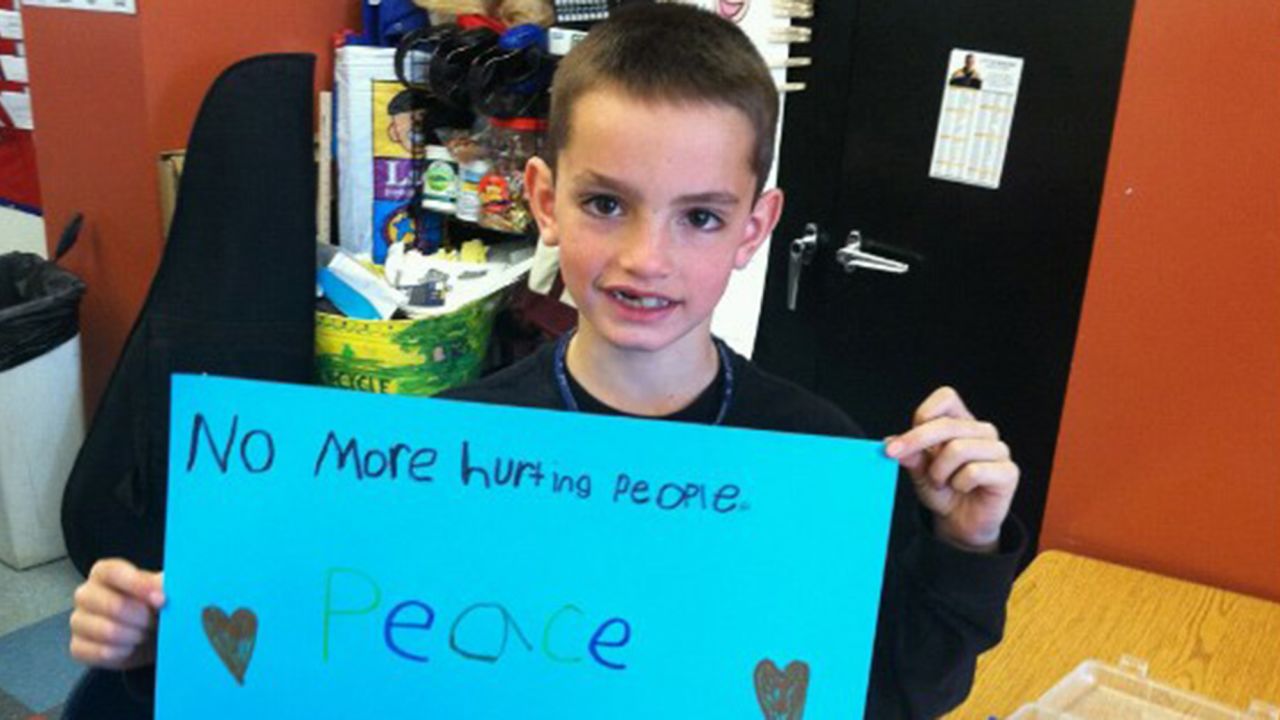
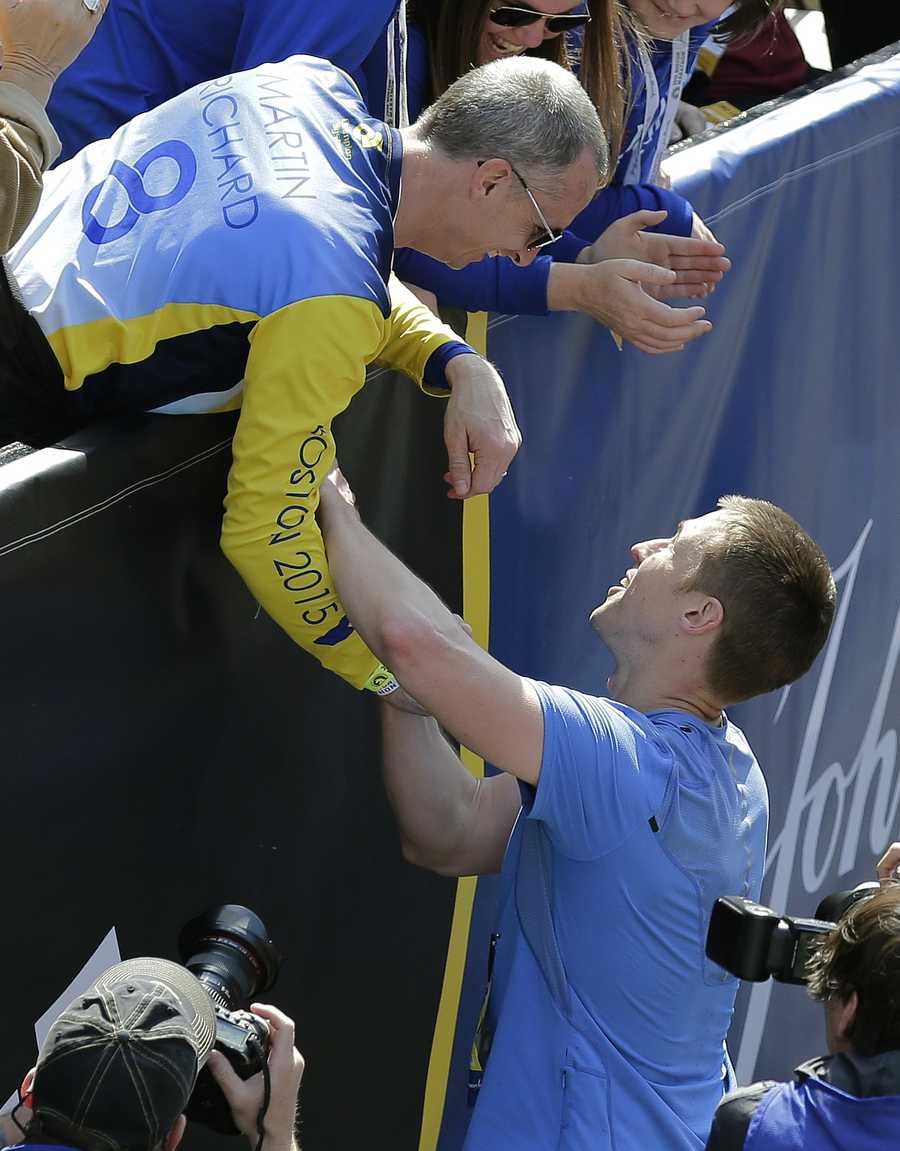
The medical examiner’s office identified the dead: Krystle Campbell, a 29-year-old restaurant manager; Lingzi Lu, a 23-year-old graduate student at Boston University; and Martin Richard, an 8-year-old boy.
More than 260 others were injured, many suffering amputations, the incident report stated.
The bombs had been placed in backpacks and left on the sidewalk among the crowd, according to investigation records.
The exact contents of those backpacks beyond the pressure-cooker bombs are not specified in the record.
Chaos unfolded immediately.
Emergency responders and medical personnel already at the scene treated the wounded.
Within hours, the FBI took over the investigation, according to public briefings led by special agent in charge Richard DesLauriers.
Three people were dead.
A city was in lockdown.

The search had not yet found the brothers.
THE IMAGES AND THE MANHUNT
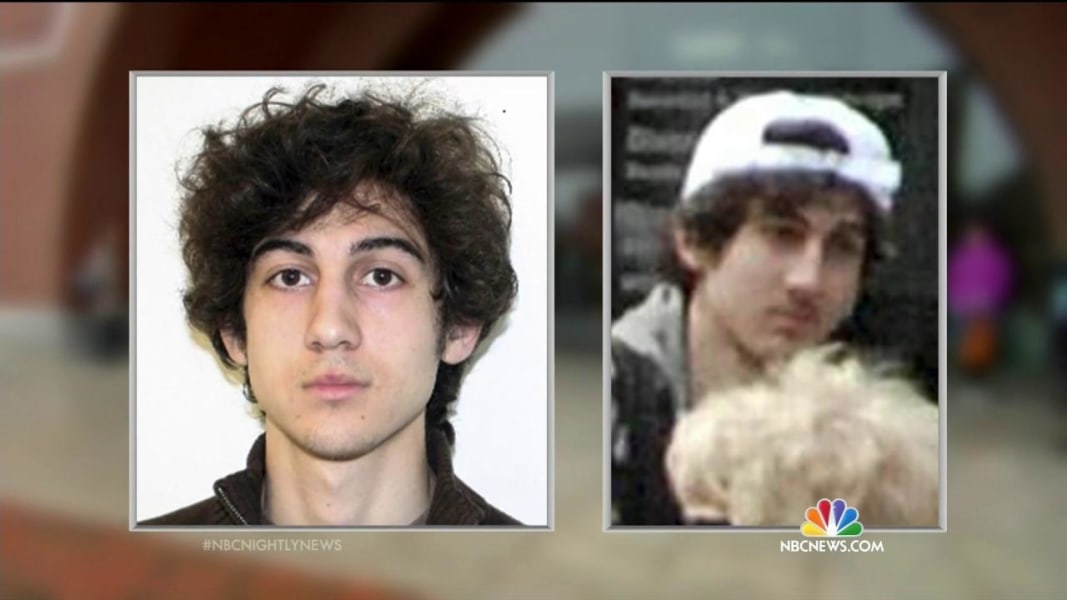
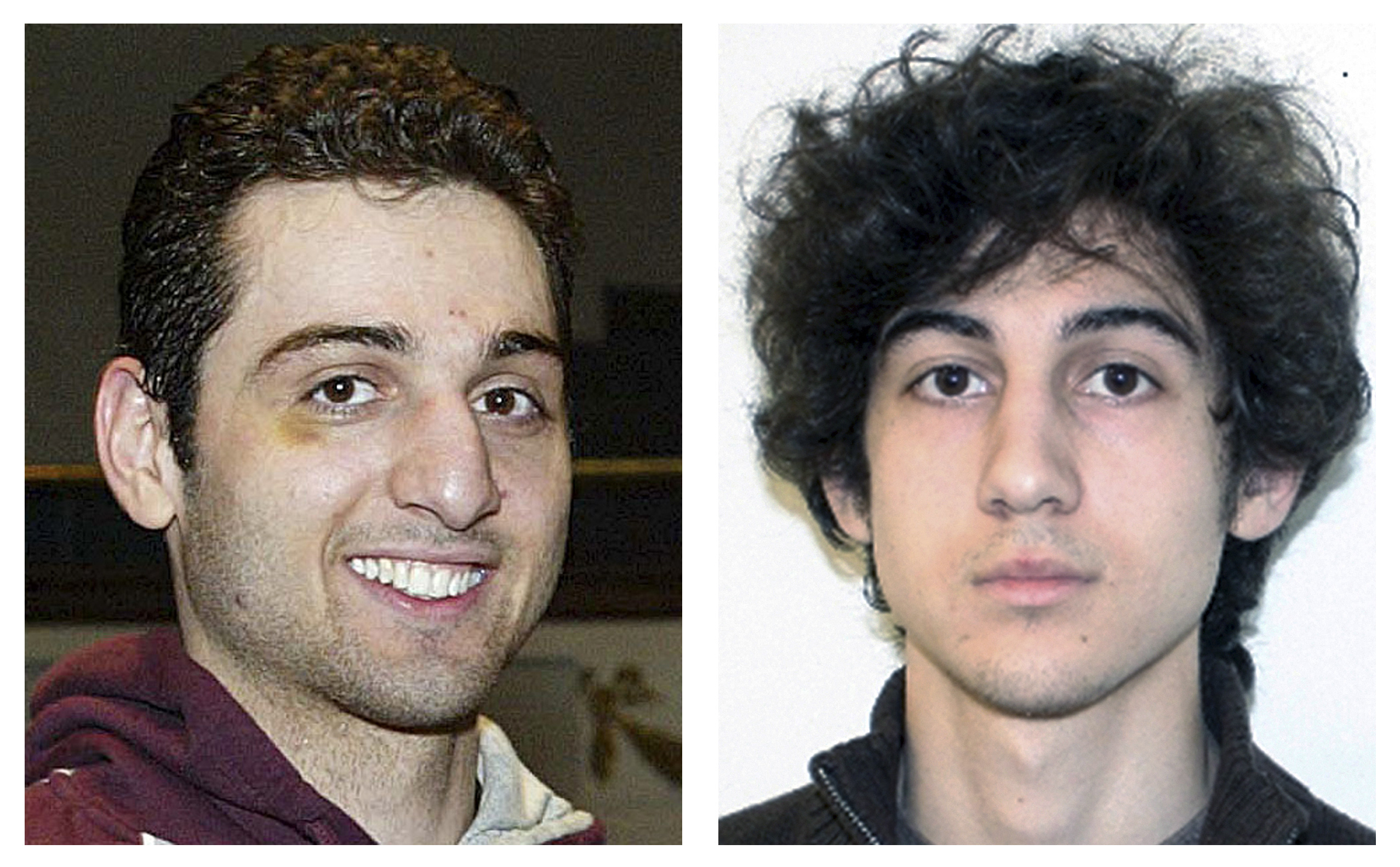
The FBI identified the Tsarnaev brothers from surveillance footage and still photographs taken near the finish line.
The images were released to the public on April 18, 2013, at FBI public briefings.
That night, the brothers killed MIT police officer Sean Collier.
They carjacked a man, who later escaped and alerted police.
A shootout in Watertown followed.
Tamerlan was killed in the shootout.
Dzhokhar escaped on foot.
A massive manhunt shut down the Boston area.
The exact sequence of events between the carjacking and the shootout is not fully detailed in the record.
What is documented is the acceleration.
Identification on Thursday.
Violence that same night.
A city-wide lockdown by Friday.
Not because the record is thin.
But because the hours moved that fast.
The man who was carjacked escaped.
He alerted police.

The shootout came after.
The order in between — who fired first, where the chase turned — that would require evidence the record does not provide.
What the record does provide is a trajectory.
From still photographs to a dead officer.
From a carjacking to a gunfight.
From a city on edge to a city shut down.
The FBI’s DesLauriers led the public briefings.
He named the brothers.
He asked the public for help.
Within hours, the search had turned violent.
Tamerlan was dead.
Dzhokhar was somewhere on foot.
The manhunt covered Watertown and beyond.
Streets were empty.
The search had not yet found the brothers.
THE TRIAL AND THE VERDICT
The federal indictment charged Dzhokhar Tsarnaev with 30 counts.
Conspiracy was one count.
Use of a weapon of mass destruction resulting in death was another.
The trial began in January 2015.
Prosecutors argued Tsarnaev acted deliberately.
Defense attorney Judy Clarke admitted his involvement.
She argued his older brother, Tamerlan, was the mastermind.
The specific evidence presented at trial beyond bomb fragments, residue, and digital records is not detailed in the record.
That is not established.
In April 2015, the jury convicted Tsarnaev on all 30 counts.
All 30.
The penalty phase followed.
In June 2015, the judge imposed the death sentence.
It was a sentence of death.
The conviction carried the weight of the bombing.
The sentence carried the weight of the three killed and the more than 260 injured.
Tsarnaev was 21 years old when the sentence was imposed.
He remains on federal death row at U.S. Penitentiary, Florence, Colorado.
His appeals continue.
AND THE STORY STILL ISN'T OVER
The First Circuit overturned the death sentence in 2020.
The court cited insufficient jury screening, according to the ruling.
The U.S. Supreme Court reinstated the death sentence in March 2022.
Dzhokhar Tsarnaev remains on federal death row at U.S. Penitentiary, Florence, Colorado, according to the Bureau of Prisons.
His appeals continue, according to court records.
What will the appeals decide?
What will the courts rule next?
What happens now?
That would require evidence, and the outcome is not established.
The Richard family has advocated for the death sentence to be carried out, according to public statements.
The bombing site has been memorialized with permanent markers.
Sean Collier’s name is honored at MIT.
The case remains a landmark in domestic terrorism prosecution.
It is a legal story.
It is also a story of a city marked.
The boat in the Watertown backyard is gone from the record.
The message scrawled on its hull remains a documented fact.
Its meaning stays a matter of interpretation.
The brothers' motives stay a matter of competing claims.
The line between viral and documented holds.
The sentence stands for now.
The appeals continue.
The record remains open.
Advertisement
You may also like
The Unabomber's Montana cabin held one live bomb — and a secret his brother kept for years
The cabin sat at the end of a dirt road outside Lincoln, Montana, a one-room box of logs and tarpaper that had held one…
The fishing boat Scott Peterson bought days before Laci vanished
The boat was a small aluminum fishing vessel, purchased days before Laci Peterson vanished. That purchase is documented in the investigation record. It is…

Shanann Watts left her ring, phone, and purse — and her husband's story cracked
The ring was still on the nightstand. The phone was on the charger. The purse was on the counter. Shanann Watts left her home…

The anti-government writings that put Timothy McVeigh on the FBI's radar
9:02 a.m., April 19, 1995. A truck bomb detonated outside the Alfred P. Murrah Federal Building in Oklahoma City. The blast killed 168 people,…

The vacant lot where LAPD found Elizabeth Short's body, and the confession that never held
The morning of January 15, 1947, a woman's body was found in a vacant lot at 39th Street and Norton Avenue in the Leimert…

The 1996 Tupac shooting: one man awaits trial, but the getaway car's driver remains a question
The white Cadillac pulled up beside the BMW at the red light. The shots came from that Cadillac, according to the source. A .40-caliber…