Charles Barkley Blasts $70M NBA Stars for Sitting Out: 'It's Embarrassing'
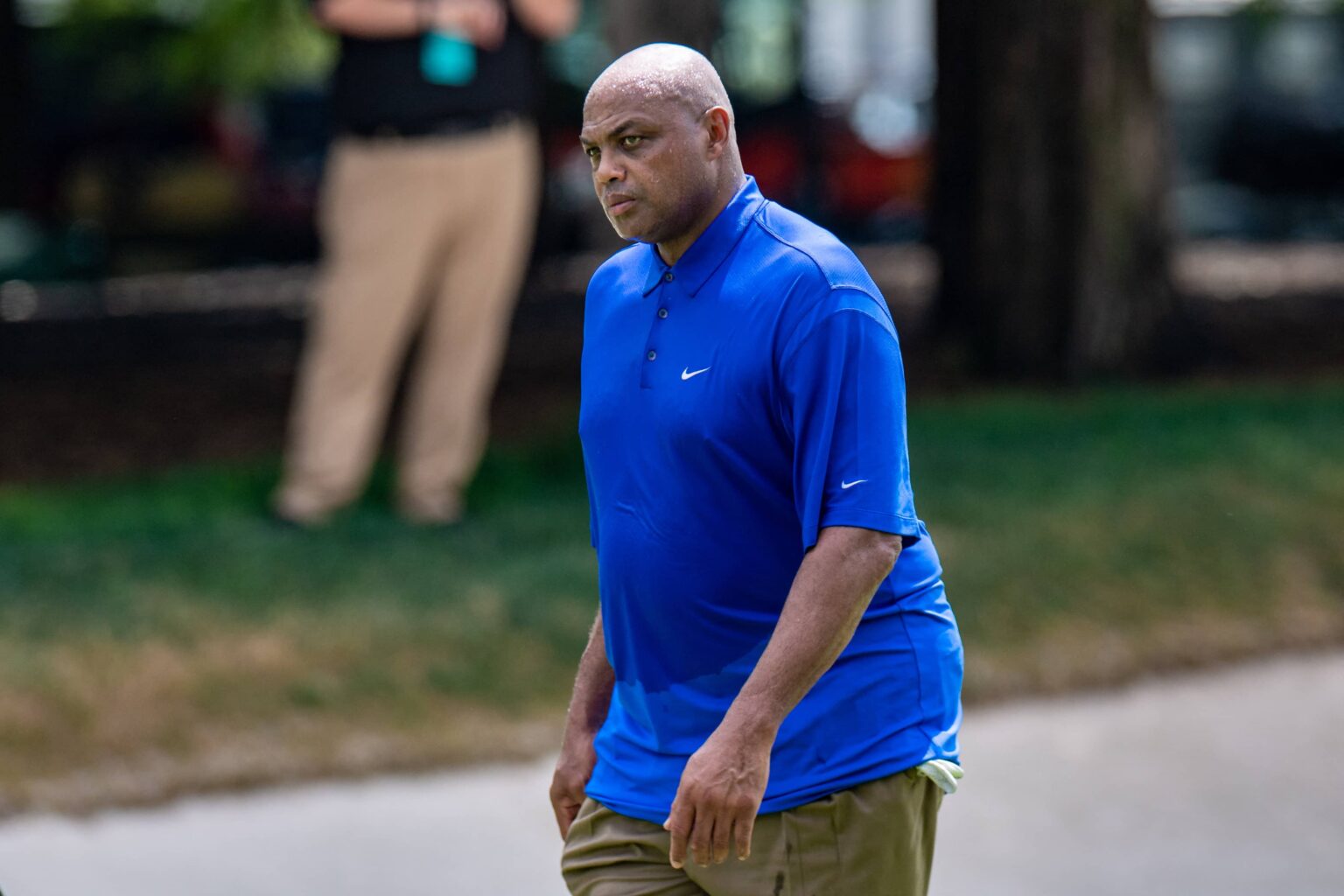
Charles Barkley has had enough. The Hall of Famer went off on NBA players sitting out games during a recent appearance on the Wingmen podcast, per fadeawayworld.net.
"I think it's embarrassing," Barkley said.
The 63-year-old didn't hold back, calling out the league's highest earners for resting on back-to-backs. He referenced players making $30, $40, $50, $60, $70 million, saying they tell an average person they can't play basketball two days in a row.
"It's embarrassing. It's disappointing," Barkley continued.
This is hardly the first time Barkley has voiced his frustration over load management. He has blasted the practice on multiple occasions, and this latest rant lands with the same blunt force fans have come to expect.
No specific players or teams are named in the source, so the targets of Barkley's ire remain unclear. But his message is anything but.
The Hall of Famer's core argument is simple: fans pay premium prices to see stars play, and when those stars sit, the people lose. He pointed to the reality that many teams cross paths only once a year, meaning a single scheduled game can be a fan's only chance to watch a favorite player live.
"To tell an average person they can't play basketball two days in a row," Barkley said, shaking his head at the absurdity of it all.
The rant lands as the NBA continues to wrestle with load management's grip on the regular season. Barkley, never one to mince words, made sure his position was unmistakable.
THE FULL QUOTE
Barkley didn't stop at calling the trend embarrassing. He pushed deeper into what he sees as the selfishness at the heart of load management.
"It's selfish because you have to understand, especially if you're a great player, these people already pay crazy money to come to our game," Barkley said.
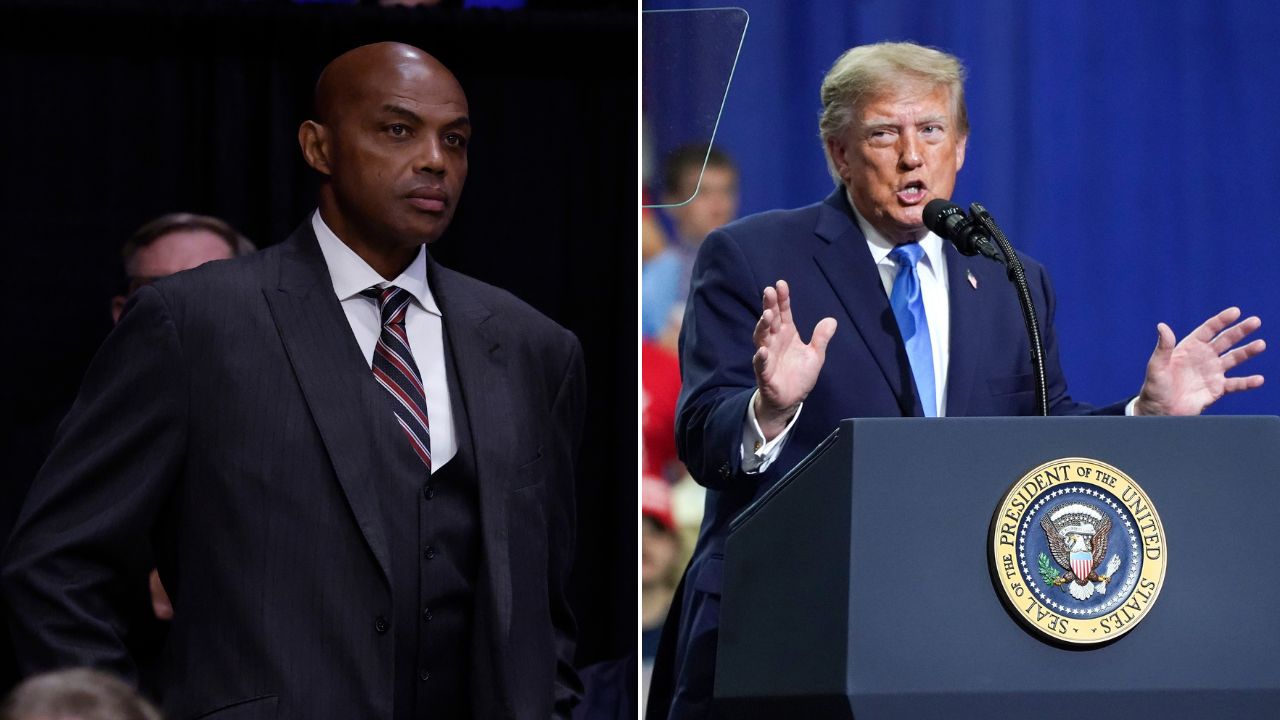
He laid out the math that makes the sit-outs so frustrating: teams play one game on the East-West, so somebody's paying crazy money to see a star play one time a year. A single scheduled game can be the only chance a local fan gets to watch a favorite player in person.
"Can you imagine you making $50, $60, $70 million? A kid's only got a chance to see you one time a year. You're saying, 'I can't. You know what? We played last night,'" Barkley said.
"That bothers me so much as a player," he added.
Barkley made clear he isn't demanding 48 minutes every night. He can understand the wear and tear of a back-to-back. What he can't accept is a total no-show.
"No. 1, you should want to play, but the money you're getting paid… I hate when the old guys say the young guys get all mad. No, I'm not going to change. Bless you for making all that money. Now, do you have to play 48 minutes? No. I can understand if you played 40 minutes the night before. Play 25, 30 minutes, but don't sit out a game because you played the night before," Barkley said.
The source does not specify any single game or incident that triggered this particular rant.
BARKLEY'S CAREER EARNINGS
Barkley’s own payday puts his frustration in context. "Listen, now this going to sound stupid when I say it. The most money I made was $5 million. And I know that's a lot of money," he said on the Wingmen podcast.
Today's stars, he pointed out, are pulling in $30, $40, $50, $60, even $70 million a year—and still telling fans they can't play two nights in a row. That gap is where his anger lives.
The 63-year-old has previously called NBA players the luckiest people in the world. He wants them to be grateful they get paid a lot of money to do "something stupid like basketball," as he put it.
Barkley isn't among the former players who resent how much today's stars earn. That's not the issue. What infuriates him is the disrespect to fans who shell out for one shot at seeing a superstar.
No specific contract figures for current players are given in the source, so the exact numbers behind those $70 million deals are not confirmed. But Barkley's point doesn't depend on precision—it's the principle that matters to him.

FANS AND THE GAME
"That's not fair to the game first and foremost, but it's definitely not fair to the fans," Barkley concluded.
For Barkley, the problem boils down to a simple duty. He believes players have an obligation to step on the court unless they're actually injured. Nothing less.
"No. 1, you should want to play, but the money you're getting paid," he said.
Barkley is quick to shut down any suggestion that he's just another bitter old-timer jealous of the new generation. "I hate when the old guys say the young guys get all mad. No, I'm not going to change. Bless you for making all that money."
His frustration centers on fans who pay "crazy money" for a single chance to see a star in person. When a player sits, that fan loses the one opportunity they may have all year.
No data on fan attendance or ticket prices is provided in the source, so the exact cost of that "crazy money" is not confirmed. But Barkley's argument doesn't hinge on the math—it's about respect for the people who make the league's riches possible.
WHAT TO WATCH NEXT
Barkley’s friend and fellow Hall of Famer Michael Jordan operated on that same principle, even when hurt. Former teammate Brendan Haywood revealed that during Jordan’s Washington Wizards years, he played through injury for a simple reason.
“He was like, ‘Somebody paid for the Michael Jordan experience, and I at least got to go out there and give them a quarter or two,’” Haywood said.
“That’s just how he felt. He’s like, ‘There’s somebody that spent their last to get th’”—the quote cuts off there, so the rest of Jordan’s reasoning is incomplete in the source.
The contrast frames the load management debate neatly. Jordan, at the end of his career and past his prime, still felt an obligation to show up for the ticket-buyer. Barkley argues today’s stars, making exponentially more money, owe fans the same basic respect.
What happens next is unclear. The source does not mention any upcoming games, decisions, or dates for Barkley or the NBA, and no specific response from players or the league is noted. Whether Barkley’s comments actually shift the conversation—or just add another voice to an old argument—has not been confirmed.
For now, the debate sits where Barkley left it: a Hall of Famer calling out the sport’s biggest earners, with Jordan’s example as the standard he wishes they’d follow.
Advertisement
You may also like
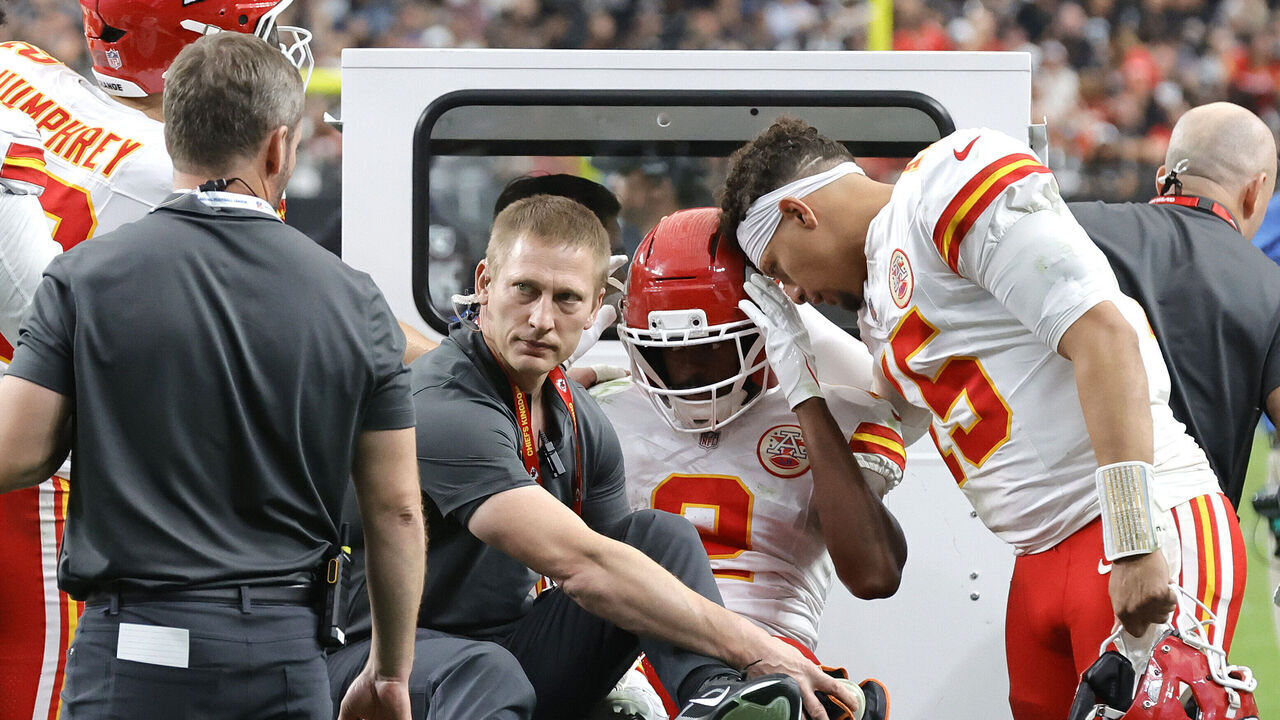
Chiefs' Thornton to undergo ankle surgery, miss 3-4 months
Kansas City Chiefs wide receiver Tyquan Thornton will undergo surgery for a dislocated ankle, sources told NFL Network's Ian Rapoport. He is expected to…
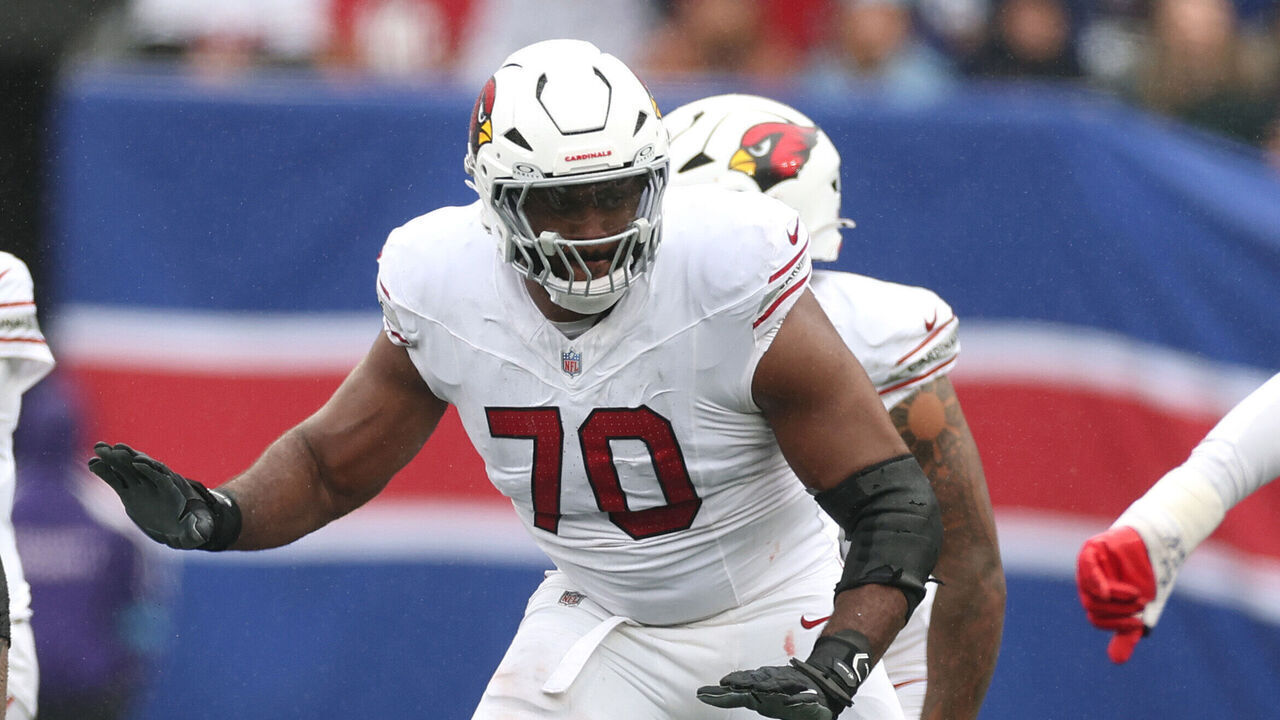
Cardinals lose LT Paris Johnson for season to torn biceps
Arizona Cardinals starting left tackle Paris Johnson Jr. is out for the season after tearing his left biceps in Sunday's 36-24 loss to the…
Bryce Young leads NFL in passing yards, on pace to shatter Panthers records
The chants started after Bryce Young rifled a 9-yard pass to Darren Waller on fourth-and-4 in the fourth quarter Sunday night, part of Carolina’s…
Bills CB Hairston apologizes for snubbing reporters after loss, vows to do better
Max Hairston wasn't going to let one bad day spoil the next. The Buffalo Bills cornerback made an unusual appearance in the team's media…
Texans Set to Feast on League's Worst Offense in Week 5 D/ST Rankings
The Houston Texans are set to face the Tennessee Titans on the road in Week 5, and fantasy managers are suddenly circling the matchup.…
Falcons' QB swap from Rush to Penix creates 32-point scoring swing
The Atlanta Falcons have produced one of the NFL’s most stunning quarterback contrasts this season, and the numbers are stark. Through the first two…