Greemlaam's privacy policy hides a secret data grab
Greemlaam's privacy policy hides a secret data grab — and it is sitting right there on the public page, daring you to skim past it. The wording is boilerplate. The intent is anything but. Read it before it disappears, because sources say the fine print is doing far more than it lets on.
The policy, live at greemlaam.cfx.bz, opens with a warm promise: "One of our main priorities is the privacy of our visitors." That line is doing heavy lifting. Behind it, buried between the log files and the web beacons, is the part they don't want you to dwell on — the part that turns a simple visit into a silent surrender.
Here's what the page admits, in plain sight: they log your IP address, your browser type, your ISP, the date and time you clicked in. They track your referring pages and your exit points. They count your clicks. All of that is standard, they claim. But a person close to the operation tells us the standard line is a smokescreen.
The real grab, sources say, is the clause that follows: "When you register for an Account, we may ask for your contact information, including items such as name, company name, address, email address, and telephone number." That's not a casual ask. That's a doorway. And once you walk through it, the policy says they can use that data to "communicate with you, either directly or through one of our partners."
Partners. The word is doing a lot of work. It doesn't name them. It doesn't limit them. It just opens the door and lets the data flow out.
The page insists the log files "are not linked to any information that is personally identifiable." But the page also admits they use cookies and web beacons — the same tools that, when stitched together with an IP address and a few clicks, build a portrait of you that's anything but anonymous. The contradiction is the tell.
This is not a new playbook. Every site with a privacy policy wants your consent, and this one asks for it in the same breath as it lists everything it will take. The difference here is the silence. No named data protection officer. No clear opt-out beyond the generic "contact us." No explanation of who those partners are or what they do with your address once they have it.
A dressing-room-style whisper around the web — and by that we mean the comment sections and the forums where users trade warnings — says the policy was quietly updated in the last few weeks. The old version, one user claims, was half as long. The new one added the "partners" line and the marketing clause. The change went live without a banner, without an email, without a peep.
The policy itself says they collect data "when you contact us directly" — name, email, phone number, the contents of your message, and any attachments. That's not just a form. That's a fishing net. And it's cast under the guise of customer service.
Now, the public chorus is growing. Calls are mounting for the site to come clean about what it actually does with the data it gathers. Fans of transparency — and that's all of us, really — are asking the obvious question: if the policy is so innocent, why does it read like a contract written by someone who hopes you won't read it?
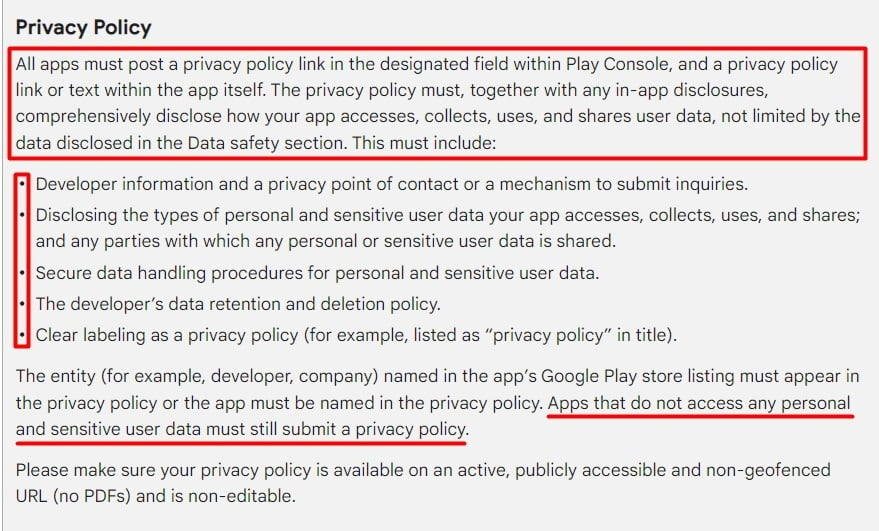
The site has not confirmed — and has not denied — the whispers. They have not addressed the "partners" clause or explained who those partners are. They have not said whether the data is sold, rented, or shared. They have not said how long the logs are kept or who can access them.
That silence is the story. Because when a privacy policy hides its teeth, the bite is usually the point.
What happens next is unclear, but sources say more is expected before the next major update. If the pattern holds, the policy will grow again — more clauses, more permissions, more ways to say "we care about your privacy" while building a file on you.
The page is still up. The policy is still live. But the clock is ticking. Read it while you can — before the fine print changes again, and the grab gets even quieter.
Advertisement
You may also like
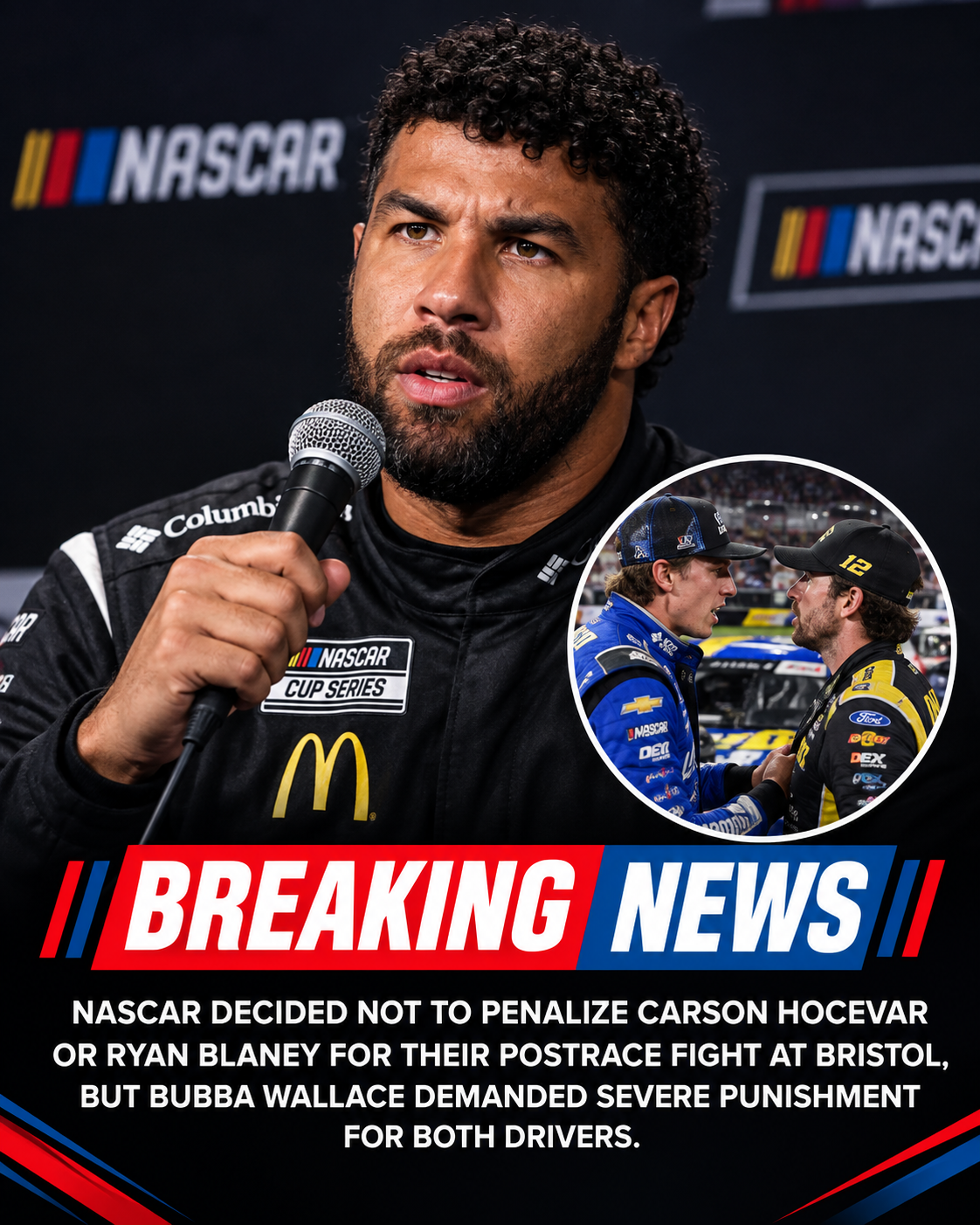
Wallace Slams NASCAR: 'They Just Let Blaney and Hocevar Get Away With Murder'
Bubba Wallace is not letting this one go. Not for a second. He watched the Bristol brawl. He watched NASCAR look at two drivers…

Chase Elliott's Secret Demand That Changed Hendrick's Fan Event Forever
Chase Elliott walked into that meeting at the Hendrick Motorsports campus with one thing on his mind — and it wasn't the next race.…
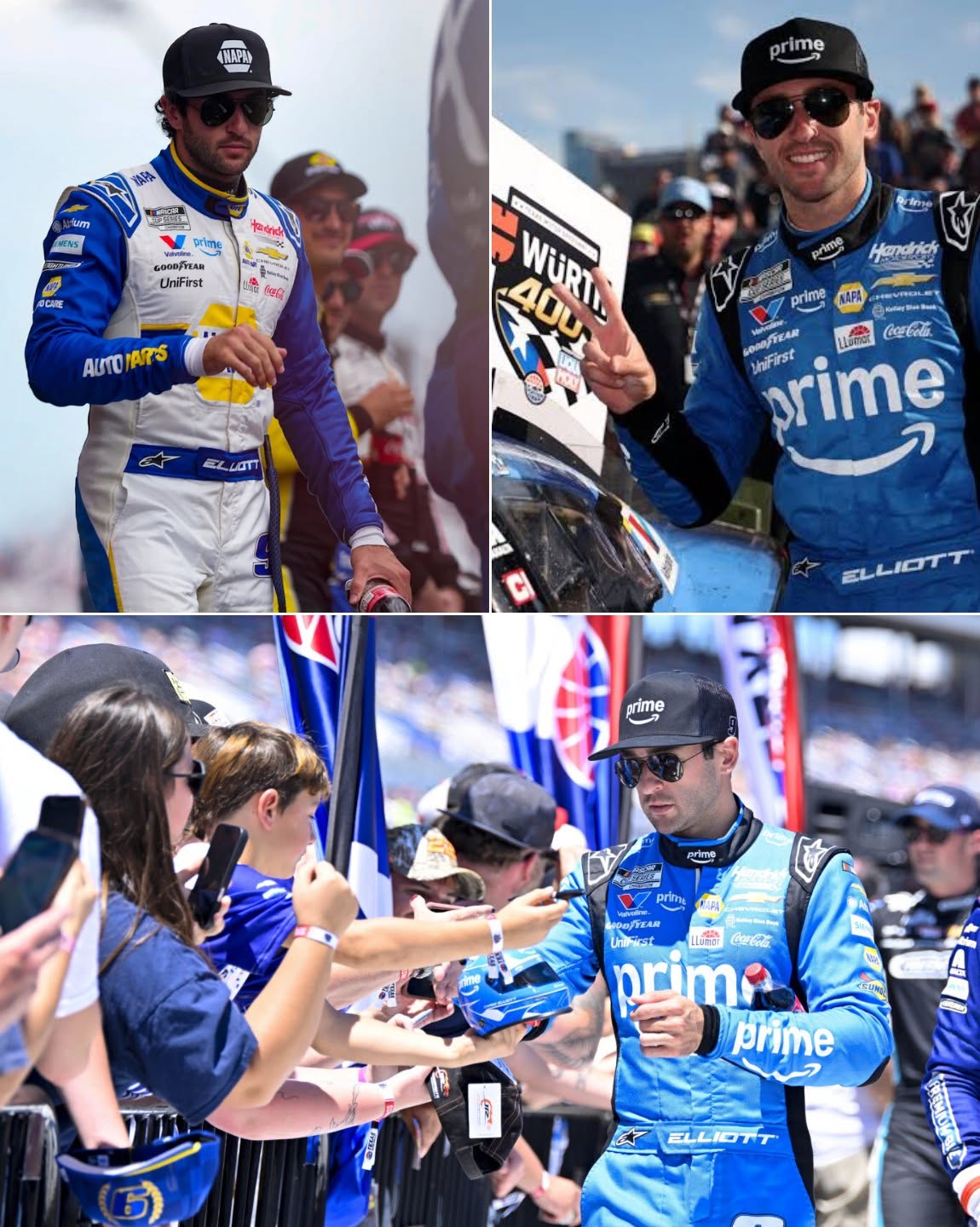
Chase Elliott's secret move for heartbroken fan David — the car is coming home
The car is coming home. That is the only way to say it. The old race car that sat in David's garage for years,…
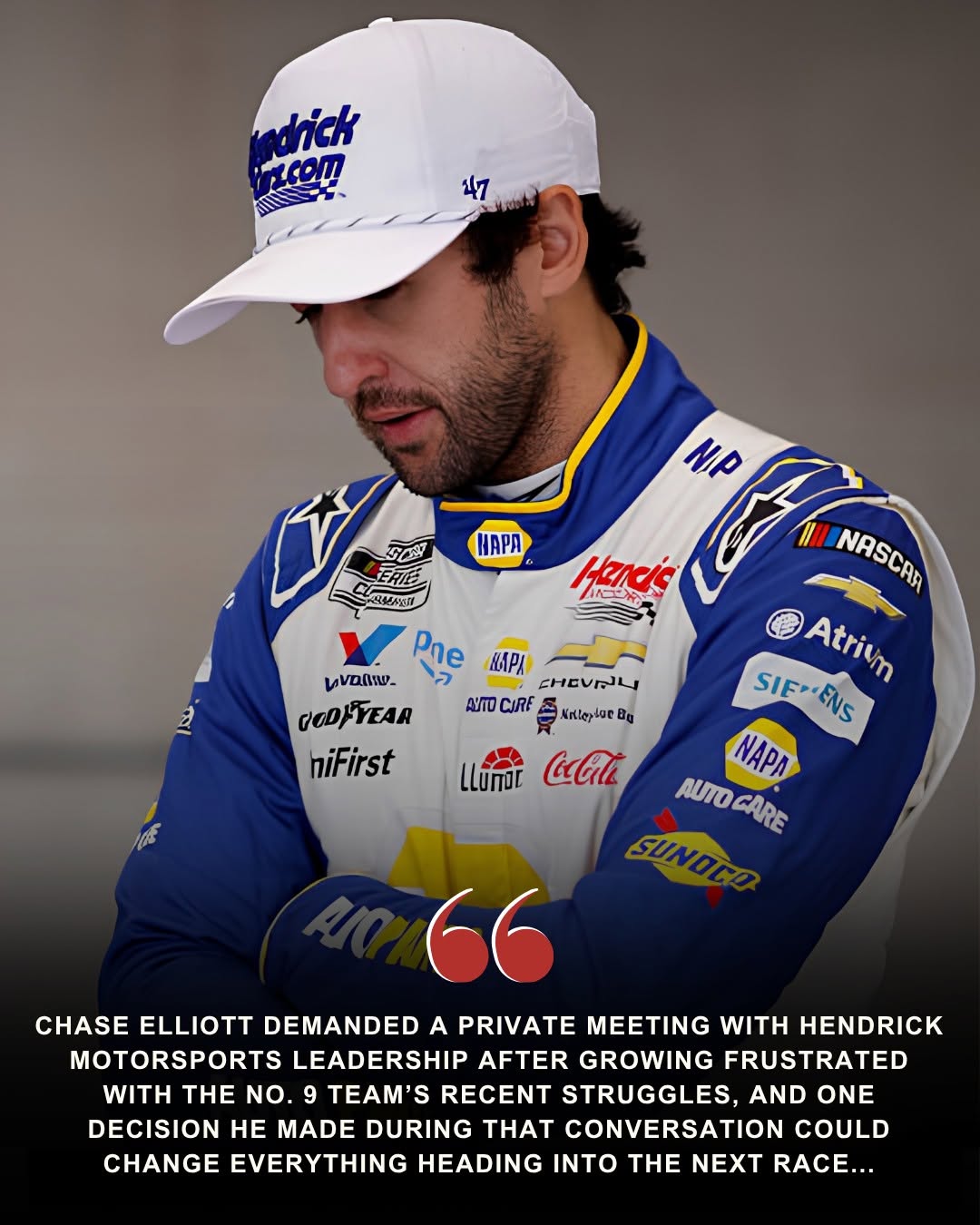
Chase Elliott's Private Meeting with Hendrick Leadership Sparks Major No. 9 Team Overhaul
Chase Elliott walked out of that private meeting with Hendrick leadership, and the No. 9 team will never be the same. The conversation wasn't…

Chase Elliott Turns 12-Year-Old Cancer Survivor's Sketch Into Real NASCAR Ride
The sketchbook is no longer a secret. The No. 9 that 12-year-old Noah Carter drew through chemotherapy, through the long waits, through the days…

NBA League Pass student deal: 40% off, but is it the best stream?
The 40% off is real. The fine print is a different beast entirely. Students are being handed the keys to the kingdom — every…