Negro Leagues officially recognized as major leagues by Sports Reference

On June 15, 2021, Sports Reference announced that the major Negro Leagues from 1920-1948 are now listed alongside the National League and American League as major leagues, according to www.baseball-reference.com.
The change is part of a dramatic expansion of coverage of the Negro Leagues and historical Black major league players. But Sports Reference is clear about what this update does and does not mean.
"We are not bestowing a new status on these players or their accomplishments. The Negro Leagues have always been major leagues," the site states.
The correction aligns the site's presentation with a reality that predates the announcement. Sports Reference says its intent is to celebrate the players, teams, and leagues being added and to educate users about the history of these leagues.
The move follows a December 2020 announcement by Commissioner of Baseball Robert D. Manfred, Jr., recognizing the Negro Leagues as major leagues under a new MLB policy. Sports Reference implemented its changes in a manner consistent with the major league level these leagues played at, according to the site.
For decades, the records of players like Josh Gibson, Satchel Paige, and Oscar Charleston sat in separate ledgers on the site. Now they appear in the same tables as Babe Ruth and Ted Williams. The data behind the update comes from the Seamheads Negro League Database, with Sports Reference crediting Gary Ashwill, Scott Simkus, Mike Lynch, Kevin Johnson, and Larry Lester for their work.
The Negro Leagues data is not complete, the site acknowledges. But the designation is final.
WHAT HAPPENED
The update was spurred on by thoughtful commentary on this matter last summer, according to www.baseball-reference.com. In December 2020, Commissioner of Baseball Robert D. Manfred, Jr. announced a new MLB policy recognizing the Negro Leagues as major leagues.
Sports Reference implemented the changes in a manner consistent with the major league level these leagues played at, acting with respect for the players, their families, researchers, and fans, per the site.
The data behind the update comes from the Seamheads Negro League Database, with Sports Reference crediting Gary Ashwill, Scott Simkus, Mike Lynch, Kevin Johnson, and Larry Lester for their work. The site acquired the data from that database to make the correction.
The move required more than flipping a switch. It meant pulling decades of statistics into the same tables where National League and American League records sit, while acknowledging the leagues were different in ways the numbers alone cannot capture.
THE NUMBERS AND CONTEXT
The major Negro Leagues covered by the update span 1920-1948, according to www.baseball-reference.com. Those leagues are now listed alongside the National League and American League as major leagues on the site.
Sports Reference is explicit about what the change means. "The Negro Leagues are not less than the National and American Leagues," the site notes. "They are different, and we recognize that our work must acknowledge those differences."
That distinction matters because the data is not complete. While the quality of play in the Negro Leagues was on a major league level, the wages, travel, and playing conditions differed, according to www.baseball-reference.com. The site does not provide specific statistics, player numbers, or complete data; this is noted as incomplete.
The records pulled from the Seamheads Negro League Database now sit in the same tables as National League and American League statistics. But the gaps in the data are real, and Sports Reference acknowledges them rather than papering over them.
The leagues were not lesser. They were different, and the numbers reflect both the excellence and the unevenness of what was recorded at the time.
THE REACTION
Sports Reference is direct about what this change means. "We are not bestowing a new status on these players or their accomplishments. The Negro Leagues have always been major leagues."
The site frames the update as a correction of its own presentation, not a gift. "In keeping with our mission and values at Sports Reference, when it comes to this endeavor, our intent is to celebrate the players, teams, and leagues we are adding to our site, as well as to educate our users about the history of these leagues," the company stated.
The work behind the change did not happen in a vacuum. According to www.baseball-reference.com, the Society for American Baseball Research (SABR) and its members have been instrumental in researching and publishing the history of the Negro Leagues. The site credits the Seamheads Negro League Database and the work of Gary Ashwill, Scott Simkus, Mike Lynch, Kevin Johnson, and Larry Lester for supplying the data.
Sports Reference also points fans toward a tangible way to engage with that history. The site strongly urges visits to The Negro League Baseball Museum in person, or a donation to support its work, according to www.baseball-reference.com. SABR membership and donations are encouraged as well.
WHAT TO WATCH NEXT
The data behind the new listings is not finished, and Sports Reference says so plainly. "The Negro Leagues data is not complete," the site states, which means further corrections and additions could land on baseball-reference.com at any time.
To help close those gaps, Retrosheet is seeking help with collecting game accounts. According to www.baseball-reference.com, fans can make a donation to fund that work directly.
Sports Reference has also commissioned numerous articles from Negro League experts and others to explain this part of baseball history, per the site. Those pieces are meant to put flesh on the numbers, telling the stories that statistics alone cannot carry.
The research engine behind the update keeps turning. SABR and its members continue to research and publish the history of the Negro Leagues, according to www.baseball-reference.com, and the site encourages fans to join SABR and make a donation to support that ongoing effort.
For the fan who wants to stay close to this correction as it develops, the path is concrete: follow the new articles as they publish, watch for further data updates on the site, and consider a donation to Retrosheet or SABR. The record is being built in real time, and the next chapter is already in the works.
Advertisement
You may also like
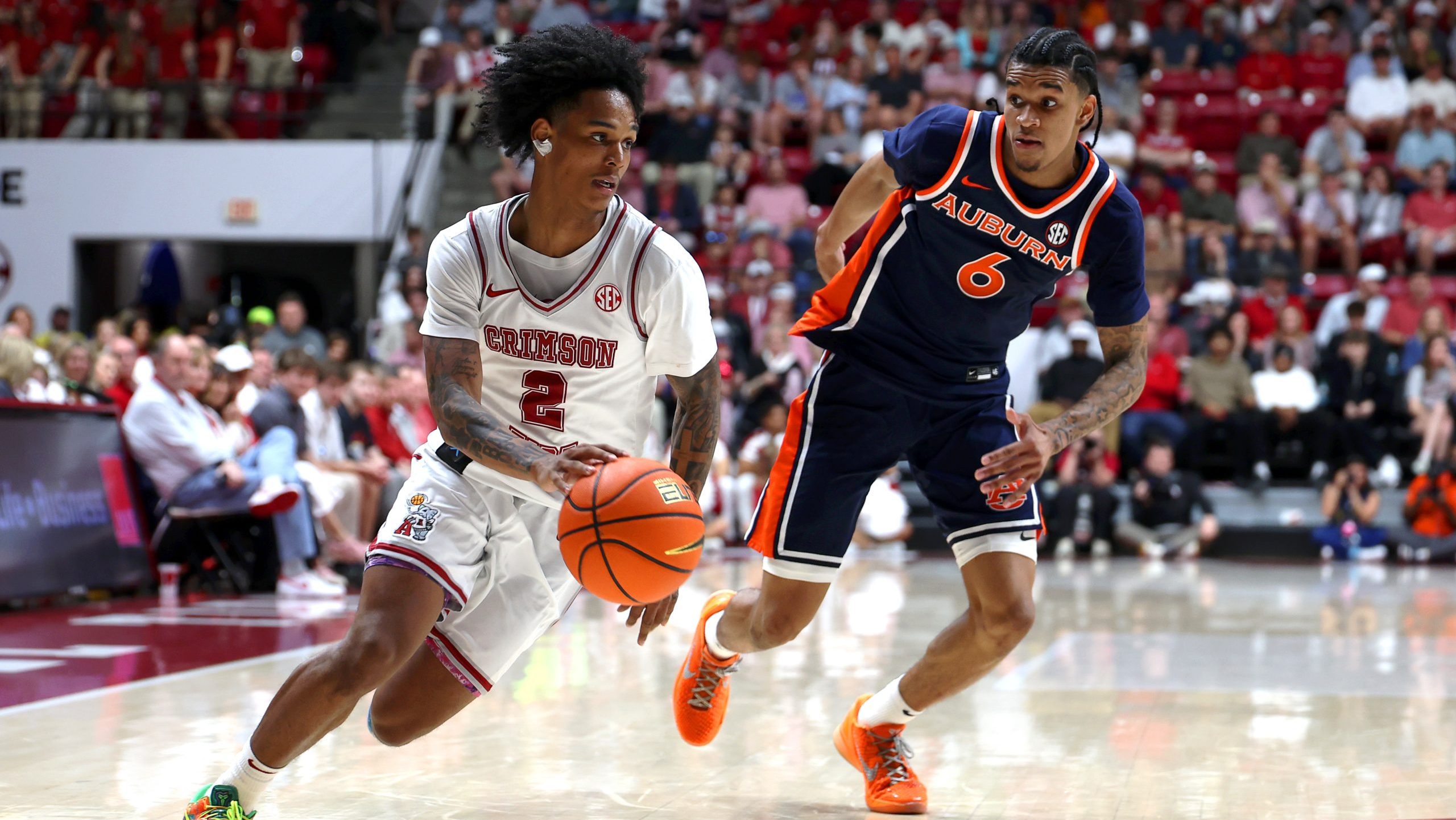
Aden Holloway reinstated at Alabama but suspended through Nov. 9
Aden Holloway is officially back on the Alabama basketball roster, according to www.saturdaydownsouth.com. His 2026-27 debut, however, will be delayed due to a suspension.…
Polynesian Bowl means family for 2028 WR Malachi Lee, a top-70 recruit
Malachi Lee said yes to the Polynesian Bowl for reasons that go far beyond the game itself. The 2028 Top247 wide receiver, who plays…
Tennessee listed on 'wrong side' of CFP bubble, per Heather Dinich
ESPN’s Heather Dinich released her latest CFP Bubble Watch on Tuesday morning, according to www.saturdaydownsouth.com, and Tennessee landed on the “wrong side” of the…
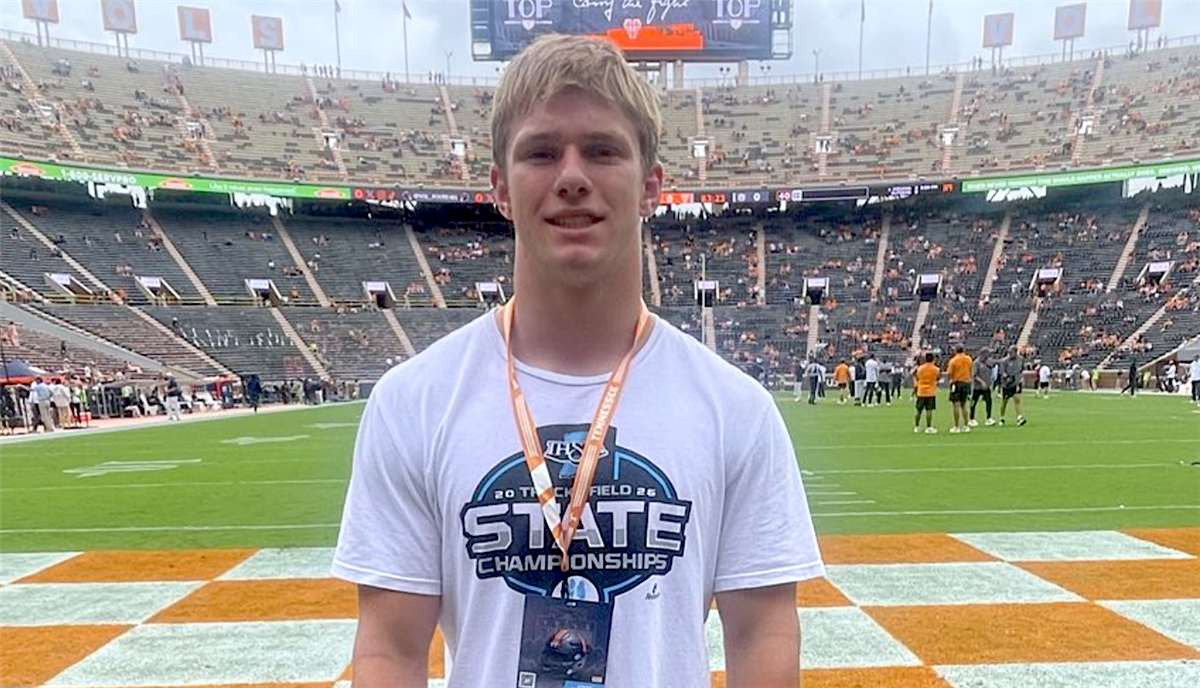
Top100 LB Austin Phillips says Tennessee was the loudest stadium he has been to
Austin Phillips has been to a lot of stadiums. After Saturday, he says none of them compare to Tennessee's. According to 247sports.com, the Top100…
Dennis Franchione, ex-TCU, Alabama, Texas A&M coach, dies at 75
Dennis Franchione, the former head coach at TCU, Alabama and Texas A&M, has died, according to the Fort Worth Star-Telegram. He was 75 years…
Sophomore CB Jymel Green names standout schools in early recruitment
Chambers sophomore cornerback Jymel Green is one of the most promising cornerbacks in the 2029 class, according to 247Sports. The 6-foot-1, 167-pounder carries a…