Roger Bennett: World Cup made America fall in love with soccer, but Premier League wins long-term
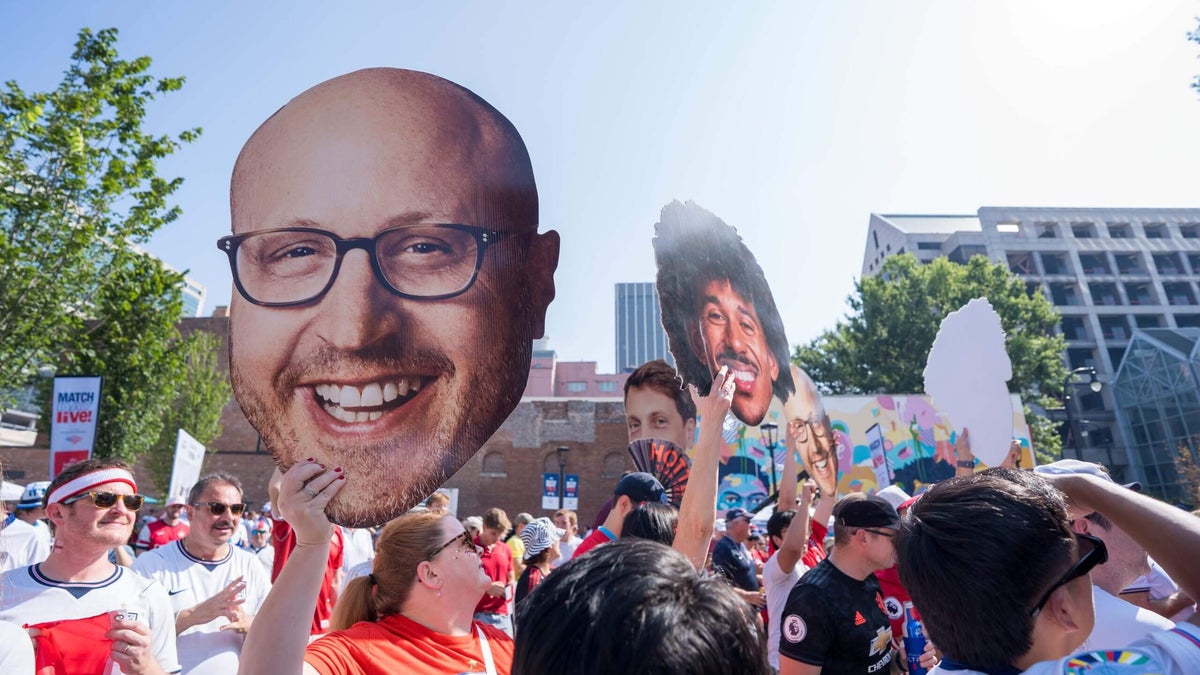
Roger Bennett, co-founder and host of Men in Blazers, called this summer's World Cup "everything," per www.nytimes.com. The tournament was held across the United States, Canada, and Mexico.
"For us, the highest hope in the world came and, by and large, fell in love with America — one Waffle House, one Buc-ee’s Nugget, one In-N-Out Burger at a time," Bennett told the outlet.
Men in Blazers is the largest independent soccer media organisation in North America, according to www.nytimes.com, giving Bennett a front-row seat to the sport's trajectory across the Atlantic. He believes the summer showpiece can be a catalyst for bigger and better things for soccer in the U.S.
The love affair was visceral and specific. Bennett described "Boston becoming the capital of Scotland" for ten glorious days, and noted the Norwegians' presence, wondering aloud how many college football fanbases will adopt the Viking row this season.
For American fans, the tournament delivered icons they already adored: Lionel Messi, Kylian Mbappe, and Erling Haaland. Bennett also pointed to Vozinha, a changed man whose life now sits on a different trajectory.
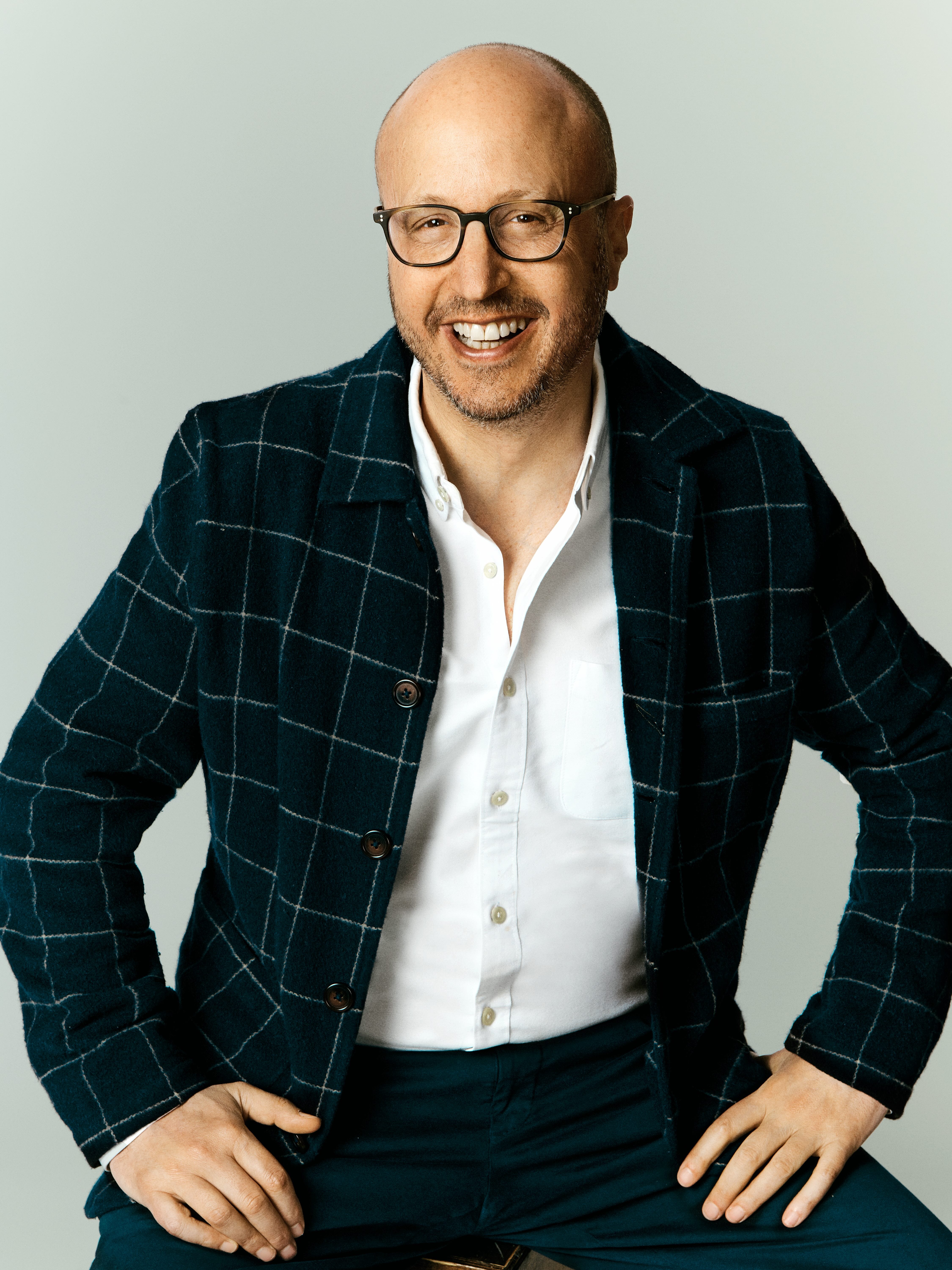
"They fell in love with all of it," he said. But the real question, Bennett argues, is what comes next — and he has a clear hunch about which competition will reap the rewards.
WHAT HAPPENED ON THE GROUND
Bennett did not let the politics of the tournament slide, pointing out the issues that shadowed the event, including those that faced the Iran team, per www.nytimes.com. But the joy on the ground outweighed the friction.
“Boston becoming the capital of Scotland,” he told the outlet. “Ten glorious days. It was a dark day when the last Scotsman left Boston.”
Then came the Norwegians. Bennett wondered aloud how many college football fanbases will be doing the Viking row this season — though the exact impact of that celebration on U.S. college crowds is not confirmed, only his speculation.

What American fans did see, clearly, was star power. Lionel Messi, Kylian Mbappe and Erling Haaland all played on the biggest stage, and Bennett noted these were players American audiences already loved.
One name stood out beyond the usual suspects: Vozinha. Bennett called him “a changed man, whose life is now on a different trajectory,” a player whose tournament turned into something far bigger than a run of games.
“So they fell in love with all of it,” Bennett said. The memories were specific, loud and soaked in novelty — Scottish chants in Boston, Nordic cheers in the stands, and a goalkeeper reborn in front of millions.
THE NUMBERS AND THE CONTEXT
The numbers were already moving before a single World Cup kickoff. A January 2026 survey from the Economist found soccer was the third-most popular sport in the United States, per www.nytimes.com.
.webp)
When fans named their No 1 sport, American football took 36 per cent, basketball 17 per cent, and soccer 10 per cent. The gap is real, but the floor is higher than most casual observers assume.
Part of the Premier League’s edge, Bennett said, is timing. The matches usually air in the morning for U.S. audiences and don’t “have to break through primetime,” he told www.nytimes.com.
“I’ve always joked Americans love an excuse to daytime drink and the Premier League is just that,” Bennett said.
That quip hides a structural advantage. Morning soccer competes against coffee and brunch, not against the NFL’s Sunday night slot or the NBA’s playoff marquee. Bennett acknowledged those leagues remain a different tier entirely.
The NBA and NFL play-offs are “buzzsaws that nobody can touch,” he said.

So the sport has a foothold, a time slot that works, and a ceiling imposed by the two dominant American leagues. The question is whether the World Cup’s new fans turn that 10 per cent into something that makes the buzzsaws flinch.
WHY THE PREMIER LEAGUE WINS
Spain won the World Cup, but Bennett is betting on the Premier League for the long haul. “Spain won the World Cup but I’ve got a feeling the Premier League will be the real long-term winner,” he told www.nytimes.com.
That bet rests on a simple question. “What happens now as this huge audience has been exposed? What sustains it? What lasts?” Bennett asked.
The answer, he argues, is already playing out on Saturday mornings. Asked what the Premier League needs to do to catch up with the NFL and NBA, Bennett said, “It’s what it is doing, which is to excel and provide that narrative.”

He pointed to Arsenal’s recent four-year arc as proof. “The four-year Arsenal story was humanly remarkable,” he said. “So many Americans were tuning in for the first time to watch somebody try and fail, try and fail, try and fail.”
That arc — the slow burn of a title chase collapsing, then rebuilding — is the kind of serialized drama American sports fans already crave. The Premier League delivers it weekly, without asking viewers to fight for a primetime slot.
Bennett also drew a comparison between Erling Haaland and basketball star Shaquille O’Neal, though the full detail of that comparison has not been confirmed because the source text is incomplete. What is clear is that Haaland’s dominance, like Shaq’s, is the kind of singular force that pulls in casual viewers.
The World Cup opened the door. The Premier League, Bennett suggests, is the one walking through it.
WHAT TO WATCH NEXT
The question now, Bennett says, is what sustains that newly exposed audience. His answer points straight at the Premier League’s ongoing narrative — the serialized drama that keeps casual viewers coming back week after week.
“And that’s the next phase,” Bennett said, per www.nytimes.com. “What happens now as this huge audience has been exposed? What sustains it? What lasts?” The Premier League, he suggests, is already answering by simply excelling and providing that story.
One concrete storyline to watch this season, he suggests, is whether college football fanbases adopt the Viking row — the Norwegian celebration that caught on during the World Cup. It would be fascinating, he said, to see how many of those crowds pick it up.
The morning time slot remains a key part of the equation. Because Premier League matches air early in the U.S., Bennett says the league doesn’t “have to break through primetime” the way the NFL or NBA do. That quirk, he jokes, also helps: Americans love an excuse to daytime drink.
No specific fixtures, dates, or broadcast details are confirmed in the source. What is clear is the stakes: Spain won the World Cup, but Bennett feels the Premier League will be the real long-term winner. The door has been opened — the question is how many fans walk through it and stay.
Advertisement
You may also like
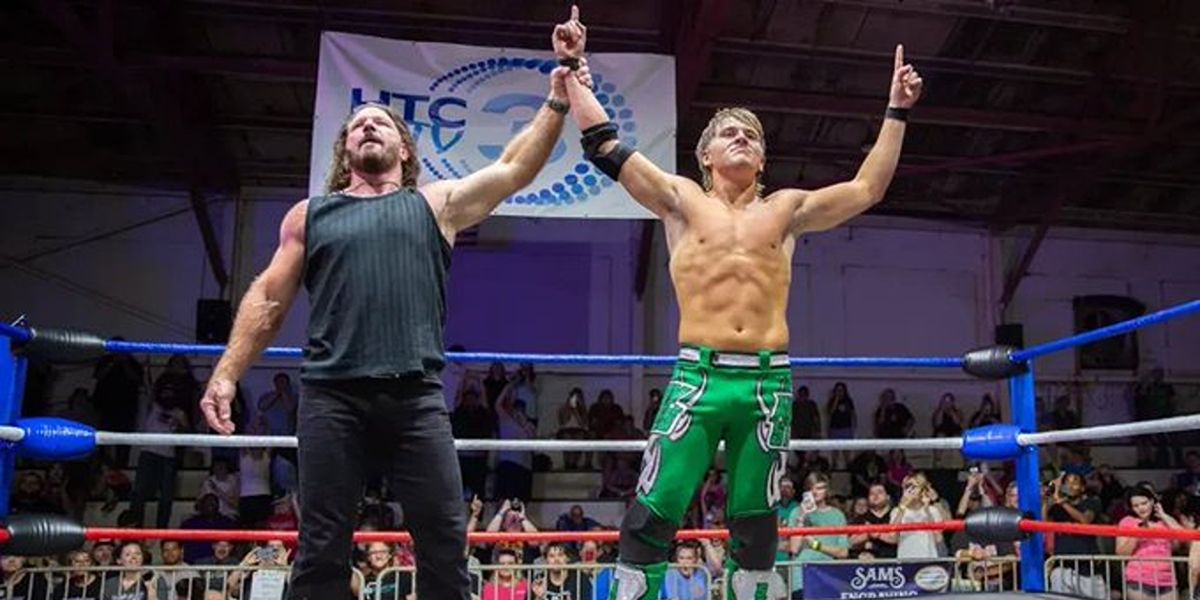
AJ Styles on Son Avery Wrestling Too Much Like Him: 'He Will Realize He Can Be His Own Person'
AJ Styles has heard the criticism that his 19-year-old son Avery wrestles too much like him, and he addressed it directly in an interview…

Why Solo Sikoa really reunited with The Bloodline on WWE RAW
Solo Sikoa reunited with The Bloodline on WWE RAW before Money in the Bank 2026, according to www.sportskeeda.com. The return came in a backstage…
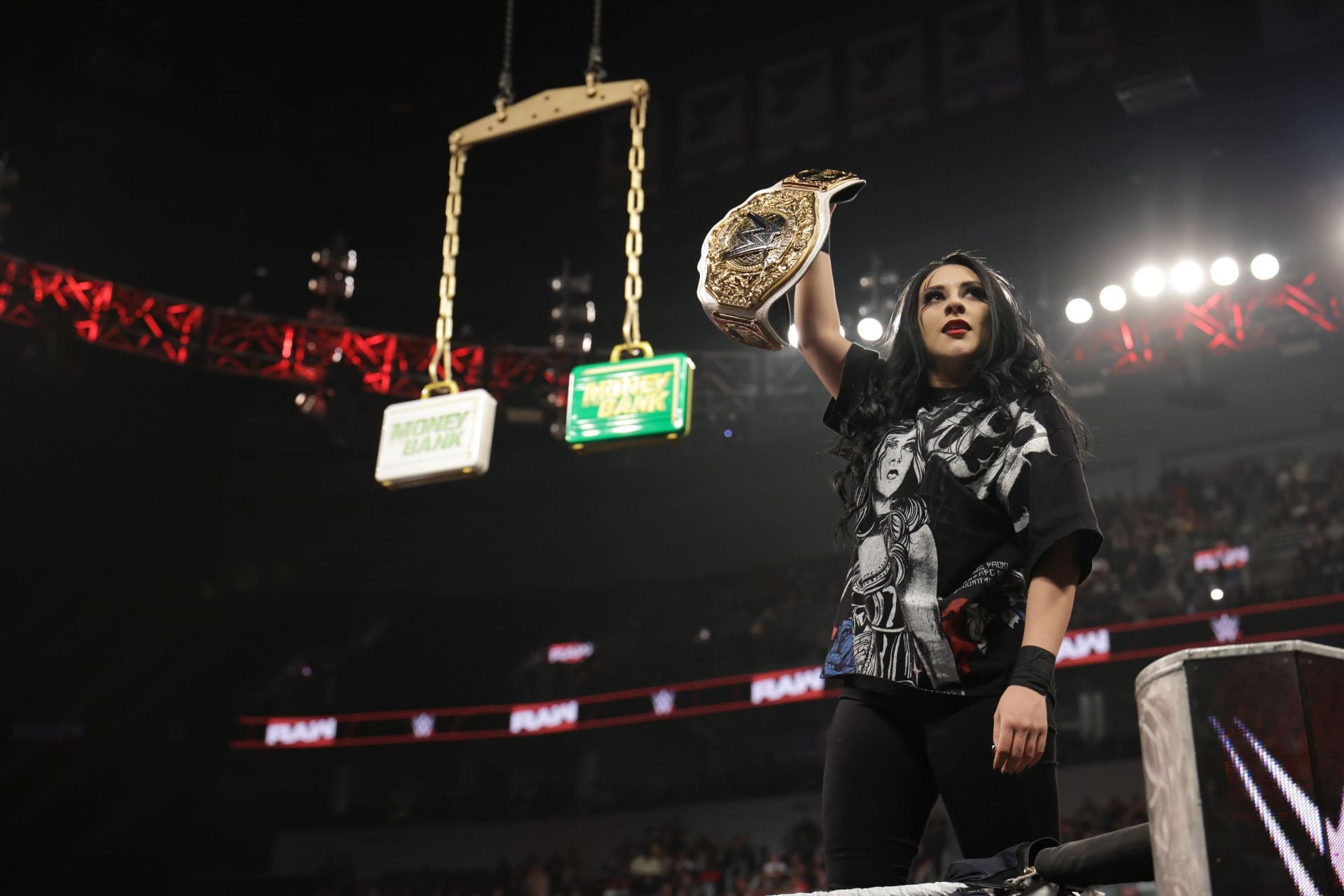
Why Stephanie Vaquer is defending her WWE Women’s World Title in a Triple Threat at MITB
On the go-home RAW before Money in the Bank 2026, Becky Lynch and Liv Morgan squared off in a No. 1 Contender's match for…

Jim Ross Set for Second Brain Procedure to Address Shunt Issue
Jim Ross took to social media on Monday evening to reveal he is set for a second brain procedure, scheduled for Wednesday, October 7,…

4 Possible Finishes for Oba Femi vs. Bronson Reed at WWE Money in the Bank 2026
The rivalry between Oba Femi and Bronson Reed has reached a fever pitch on Monday Night RAW, according to www.sportskeeda.com. The two behemoths have…
Mahomes tells Raiders rookie Mendoza to learn from Kirk Cousins, like he did from Alex Smith
Patrick Mahomes believes Raiders rookie Fernando Mendoza is in the right place, learning behind veteran quarterback Kirk Cousins. The Kansas City Chiefs quarterback compared…