The 12-year-old who took Tylenol for a cold — and the bottle that changed everything

A girl, twelve years old, had a cold.
She took Extra-Strength Tylenol capsules, the kind bought from a shelf in a Chicago-area store.
According to the investigative record, the capsules were later found to be laced with potassium cyanide.
She died that day, September 29, 1982, in Elk Grove Village, Illinois.
The bottle came from a store in the Chicago area.
The source does not specify which store.
Her parents spoke publicly about her death.
The source does not give their names.
A theory circulating online holds that the tampering was the work of a single unknown individual.
That is a theory, not a fact established by the record.
The record does not name anyone who placed the cyanide in the capsules.
The ordinaryness of it is the part that does not resolve.
A child with a cold.
A bottle from a shelf.
A capsule swallowed, and then the day was over.
How this could happen is a question the record leaves open.
That would require evidence, and the evidence does not name anyone.

SEPTEMBER 29–OCTOBER 1, 1982
The 12-year-old took the capsule for a cold, and by the afternoon she was dead.
That was September 29, 1982, in Elk Grove Village.
The same day, 27-year-old postal worker Adam Janus of Arlington Heights died after taking Tylenol.
Two victims in one day, in two different suburbs.
The next day, family gathered at Adam’s home to mourn him.
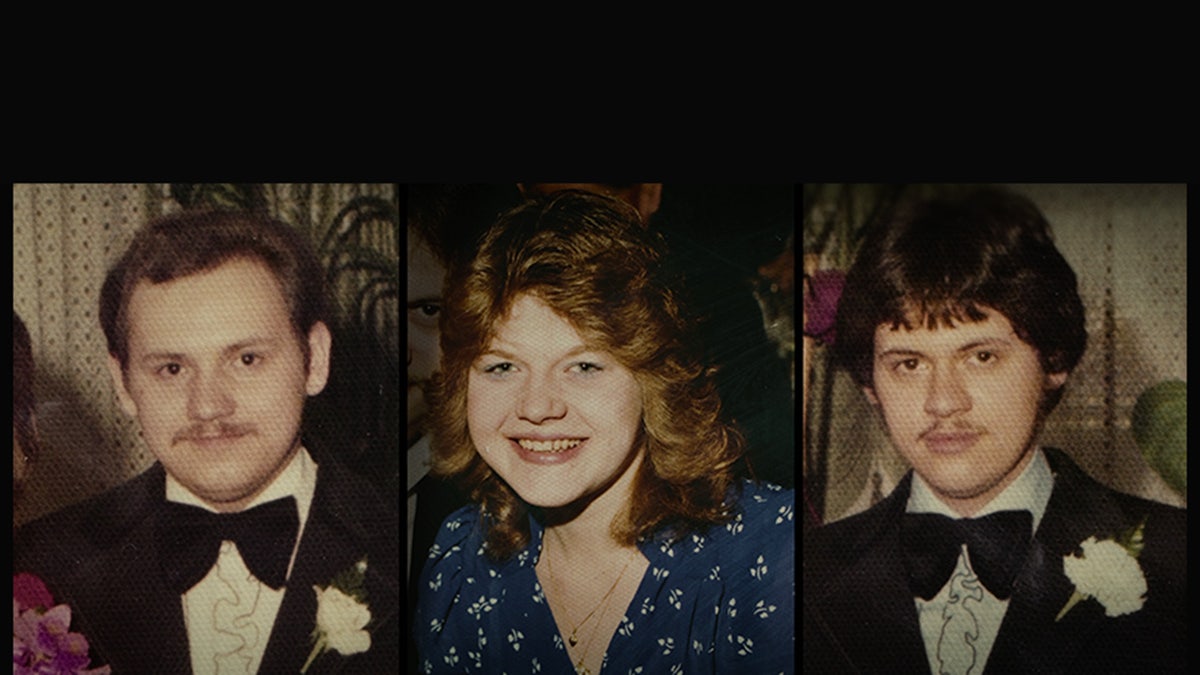
His brother Stanley and sister-in-law Theresa took capsules from the same bottle that had been on Adam’s table.
Within hours, they were dead too.
Three members of one family, gone in two days.
Over the next two days, three more people died: a 31-year-old of Elmhurst, a 35-year-old flight attendant from Chicago, and a 27-year-old of Winfield who had recently given birth.
The source does not name them in news coverage.
It names only the first victim, and it names Adam, Stanley, and Theresa.
What the record does not say is which stores sold each bottle.
It does not say whether the victims knew one another.
What investigators traced was the pattern: the poisonings came from Tylenol capsules purchased at different stores across the Chicago area.
Different stores, different batches, different people.
A flight attendant. A new mother. A postal worker. A child with a cold.
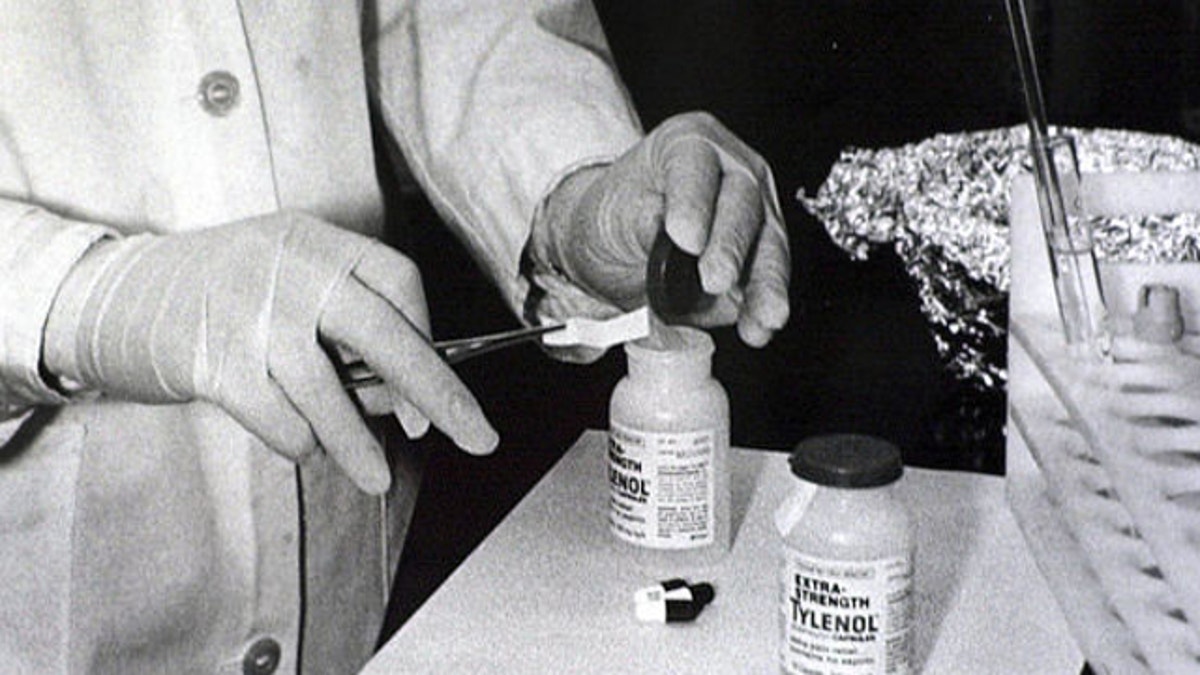
One death, then two, then three in a single family.
The randomness is the horror.
Johnson & Johnson recalled 31 million bottles of Tylenol nationwide.
The recall came after the seventh death.
By then, the bottles were already on shelves, already in homes, already swallowed.
THE INVESTIGATION AND THE LETTER
The recall came after the seventh death.
The investigation that followed was one of the largest in FBI history.
More than 100 agents worked it, alongside local police from multiple jurisdictions.
They compared bottles, batches, and store receipts across the Chicago area.
The cyanide-laced capsules came from different batches and different stores.
That meant the tampering happened after the bottles reached the shelves.
The poison was placed inside the capsules, the capsules were resealed, and the bottles were returned to the shelves.
That required access to the stores.
It required access to the shelves.
It required access to the bottles.
No physical evidence ever linked a specific individual to the tampering, per the investigative record.
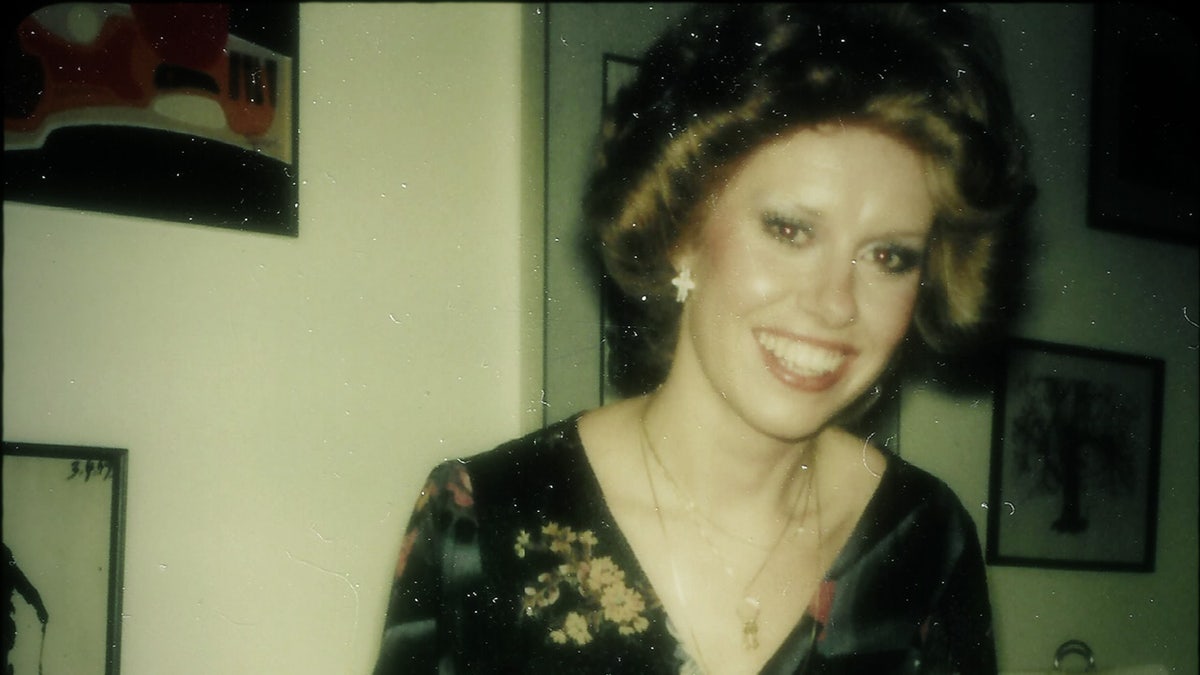
In 1982, a letter arrived at Johnson & Johnson.
It demanded $1 million to stop the killings.
The letter was traced to James Lewis.
Lewis was arrested and convicted of extortion.
He was never charged with the murders.
Whether Lewis had any role in the poisonings is not established by the record.
He later gave investigators information about the case, but no charges were ever filed.
In 2009, the FBI announced it was re-testing evidence using new DNA technology.
No arrests resulted.
The results of that re-testing were not released.
The case was officially reopened and closed multiple times over the decades.
The bottle on the shelf changed everything.
The investigation changed nothing.
Seven deaths, no charges, and an open case.
TWO READINGS OF THE SAME FACTS
There was no trial for the murders because no one was ever charged.
James Lewis was tried and convicted in 1983 on extortion charges for demanding $1 million from Johnson & Johnson.
He was sentenced to 10 years in federal prison and served approximately 12 years, including time for a parole violation.
Lewis was never charged with the Tylenol murders.
He maintained his innocence in the poisonings.
In 2009, the FBI searched his home in Massachusetts in connection with the case, but he was not arrested.
The record shows Lewis gave investigators information about the case, but no charges were ever filed against him for the deaths.
Whether Lewis was involved in the tampering is not established.
Whether the extortion letter was connected to the poisonings is not established.
The record holds a convicted extortionist and no convicted killer.
The victims' families became public faces of the tragedy.
The Janus family lost three members in two days.
The 12-year-old's parents became advocates for product safety, per the source.
They spoke publicly about their daughter's death.
They asked what the investigation could not answer.
They asked who put the cyanide in the capsules.
They asked why their daughter.
The case remains officially unsolved.
No charges were ever filed.

The suspicion is real. The proof is not.
The case is open. The answer is not.
AND THE STORY STILL ISN'T OVER
The Tylenol murders remain officially unsolved.
The FBI has stated the case remains open and active.
The 12-year-old's parents became advocates for product safety, per the source.
The Janus family lost three members in two days.
James Lewis died in 2023 in Cambridge, Massachusetts, without ever being charged in the Tylenol deaths.
The next concrete step is not in the record.
The FBI has not announced a new hearing or motion.
No scheduled court date exists.
Whether any new testing is planned — the record does not say.
Whether any suspect remains under active investigation — the record does not say.
That would require evidence.
Within months of the deaths, the FDA introduced federal anti-tampering laws.
Johnson & Johnson developed the tamper-evident packaging now standard for over-the-counter medications.
Every medicine cabinet changed.
The bottle on the shelf changed.
The case is open.
The answer is not.
The suspicion is real.
The proof is not.
Advertisement
You may also like
The cell phone logs that placed Adnan Syed in Leakin Park — and the alibi witness his lawyer never called
She was on the ground below. Hae Min Lee, an 18-year-old senior at Woodlawn High School in Baltimore County, Maryland, disappeared on January 13,…

The notebook Brian Laundrie carried into the swamp that named the killer of Gabby Petito
The notebook was found in the swamp, near the remains, on October 20, 2021. Brian Laundrie’s body was discovered in the Carlton Reserve in…
A 15-year-old boy stepped out to meet a contractor. His mother never saw him again.
She watched him walk out. December 11, 1978, and Robert Piest was leaving his shift at the pharmacy in Des Plaines, Illinois. He was…
The mother who spent 47 years searching a moor for her son's body
She walked the same ground for 47 years. Winnie Johnson went back to Saddleworth Moor, again and again, looking for her son. Her son…
Caylee Anthony's grandmother reported her missing 31 days after she was last seen
Caylee Marie Anthony was two years old. Her family last saw her in mid-June 2008, in Orlando, Florida. On July 15, 2008, her maternal…
The radio and binoculars that led police to the Clutter killers
The Sunday bell did not ring for the Clutter family. On the morning of November 16, 1959, neighbors and friends came to River Valley…