The cell phone logs that placed Adnan Syed in Leakin Park — and the alibi witness his lawyer never called
She was on the ground below.
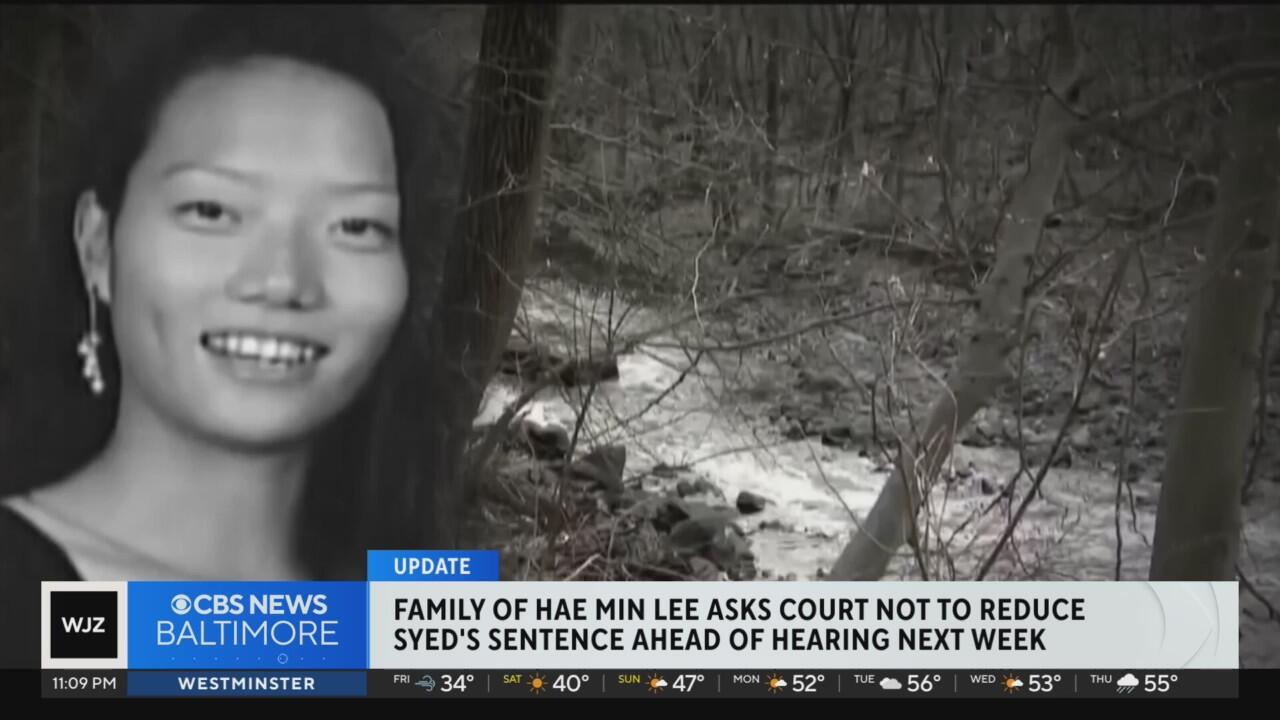
Hae Min Lee, an 18-year-old senior at Woodlawn High School in Baltimore County, Maryland, disappeared on January 13, 1999.
She was a popular student and athlete, according to the source.
Her body was found on February 9, 1999, in Leakin Park in Baltimore.
She had been strangled.
Her family, including her mother, her father, and her younger brother, were devastated by her death.
Not because they had answers. Because they had none.
Who took her? Who left her there? How long did she lie in that park before anyone came?
Those questions would take years to shape into a case. They would take longer to shape into a trial.
A theory circulating online suggests another potential suspect. That is a theory.
What the record does not establish is the identity of any other potential suspect.
It establishes a date, a place, a cause of death. It establishes a family in grief.
She was 18. She was an athlete. She was someone's daughter, someone's sister.
And then she was a name in a file, a body in a park, a case that would not close.
The grief is documented. The rest is what the record holds.
THE CELL PHONE LOGS
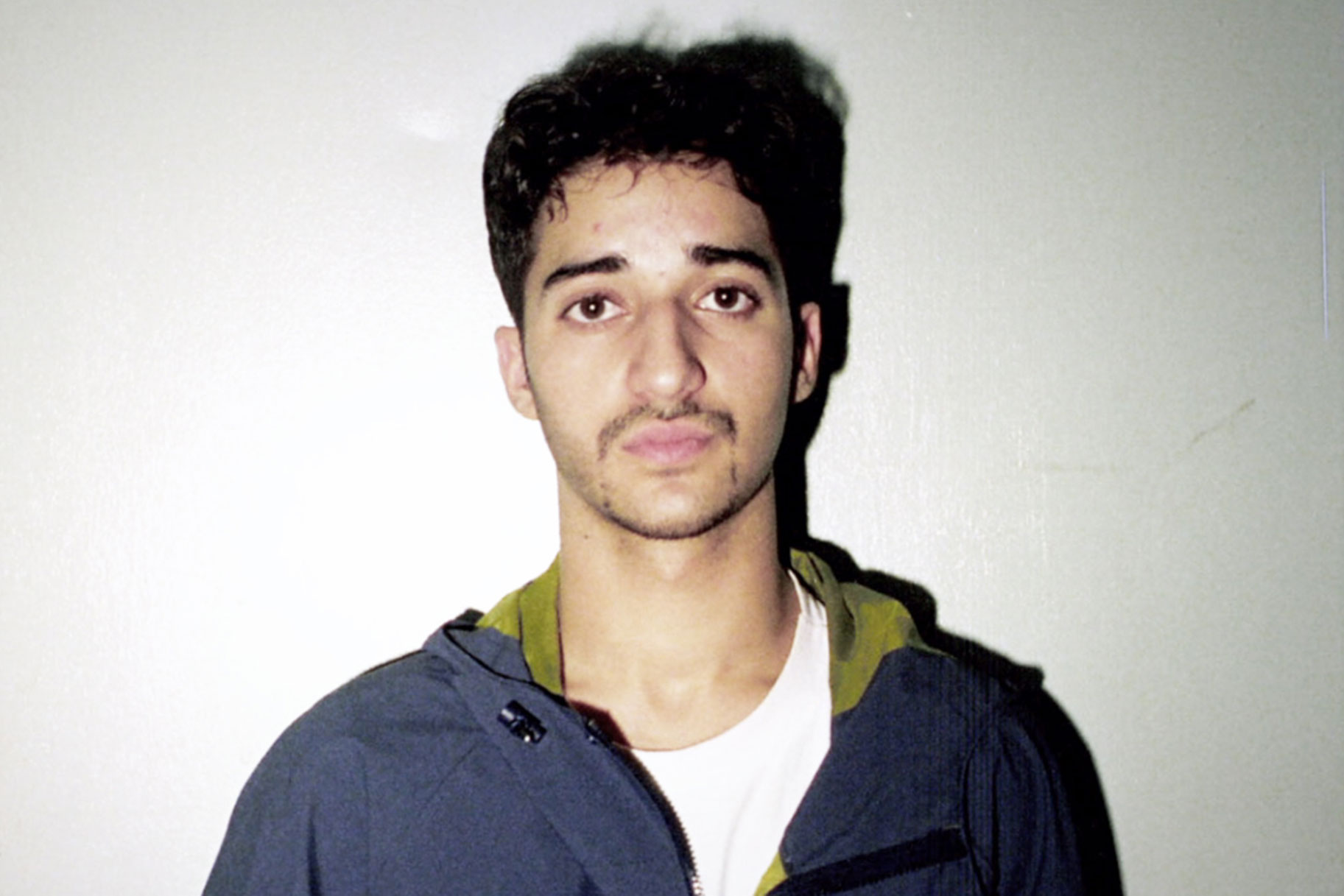
The anonymous tip pointed the police at Adnan Syed.
It was January 1999, and Hae Min Lee had been missing for weeks.
The investigation leaned on his cell phone records.
Those records placed Syed in the Leakin Park area around the time Lee's body was believed to have been dumped.
A classmate of both Lee and Syed became the prosecution's key witness.
Jay Wilds testified that Syed showed him Lee's body and asked for help burying it.
Wilds's testimony was inconsistent.
The reliability of the cell phone evidence was later questioned.
What the record does not establish is the exact time of death.
It does not establish the precise location of Syed's phone at that time.
The towers pinged. The maps were drawn.
But a cell tower ping is not a footprint, and a call log is not a confession.
Wilds told a story that shifted in the telling.
The records placed a phone somewhere in a park.
They did not place a hand around a throat.
The body was found in Leakin Park on February 9.
She had been strangled.
That is documented.
Where the phone was, minute by minute, hour by hour — that remains a matter of interpretation, not certainty.
THE TRIAL AND THE UNUSED WITNESS
He was tried as an adult.
The jury convicted him of first-degree murder, kidnapping, robbery, and false imprisonment.
The judge sentenced him to life in prison plus 30 years.
The defense argued that Syed was innocent.
His attorney, the defense claimed, had failed the case by not calling a potential alibi witness.
That witness was never named in the record.
The source does not establish who that witness was.
The conviction was upheld on appeal.
The case sat, and the sentence stood.
In 2016, a post-conviction court granted Syed a new trial.
That court ruled that his attorney had been ineffective.
It was a finding about the lawyer's work, not about Syed's guilt.
The decision was later overturned by a higher court.
So the conviction stood again.
For Hae Min Lee's family, the process was a second ordeal.
They had lost their daughter in 1999.
They had watched the trial, the appeals, the rulings.
Each reversal reopened the grief.
Each reinstatement offered a kind of closure that never felt final.
The defense argued innocence.
The prosecution pointed to the cell phone logs.
The court weighed the law.
What the record shows is a conviction, an appeal, a reversal, and a reinstatement.
It is a timeline, not a verdict on the truth.
The alibi witness remains unnamed.
The question of what that witness would have said remains open.
That would require evidence.
THE PODCAST AND THE REOPENING
It was a podcast that turned a Baltimore murder into a national obsession.
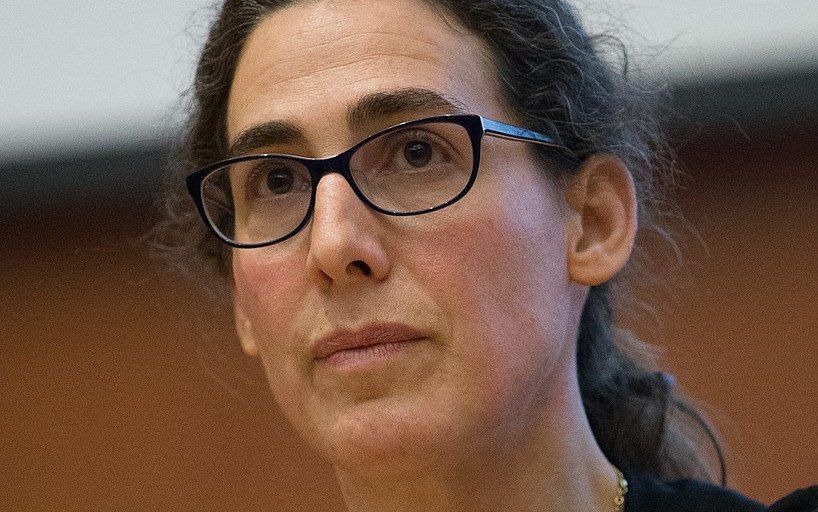
Sarah Koenig, the journalist and host of "Serial," spent a season retelling the case against Adnan Syed.
The show raised questions about the evidence and the fairness of the trial.
It did not establish answers.
The record shows a podcast that raised questions, not a podcast that resolved them.
That distinction matters.
The case was reopened and reviewed in the years following the podcast.
In 2022, a Baltimore judge vacated Syed’s conviction.
Prosecutors acknowledged problems with the case.
They cited unreliable cell phone evidence.
They cited the failure to disclose information about another potential suspect.
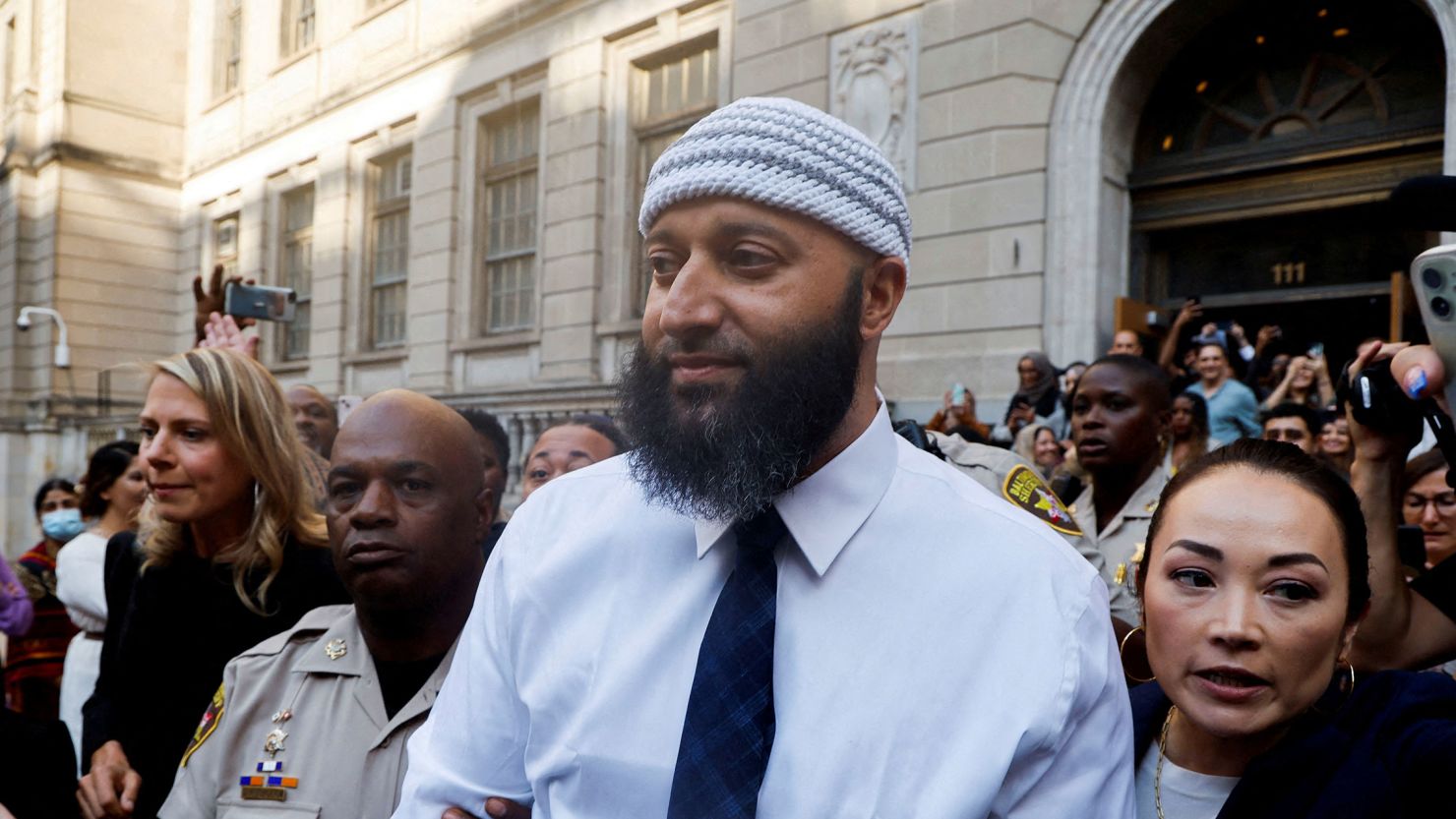
Syed was released from prison.
Prosecutors later dropped the charges.
The questions the podcast raised were now questions the courts had taken seriously.
Not because the podcast proved anything.
But because the record had gaps.
The cell phone logs had been questioned.
The alibi witness had never been called.
The other potential suspect had never been disclosed.
What the record does not establish is that the podcast’s claims were all true.
It only establishes that the podcast asked.
And that the asking changed the case.
Syed is free.
His conviction is vacated.
The charges are dropped.
Hae Min Lee’s family has expressed frustration and pain.
They maintain their belief in Syed’s guilt.
They have been involved in legal proceedings, including efforts to appeal the decision.
The case remains a subject of intense public debate.
It is also a legal file with acknowledged problems.
It is also a family’s grief.
The podcast made the case famous.
The record made it vacated.
The one did not require the other.
That would require evidence.
AND THE STORY STILL ISN'T OVER
As of the latest reports, Adnan Syed is free.
His conviction was vacated in 2022, and prosecutors later dropped the charges.
Hae Min Lee's family has expressed frustration and pain over the developments, maintaining their belief in Syed's guilt.
The family has been involved in legal proceedings, including efforts to appeal the decision to vacate the conviction.
The outcome of those appeal efforts is not stated in the source.
It is not established.
The case remains a subject of intense public debate and legal scrutiny.
It is a case about cell phone logs and a witness's testimony.
It is also a case about a family who lost a daughter, a sister, an athlete, a senior at Woodlawn High.
They watched the conviction stand.
They watched it fall.
They have said what they believe.
The record does not resolve their appeal.
The question of what happens next is open.
That would require evidence.
Advertisement
You may also like
The parolee who led police to Polly Klaas—and the sentence he still waits for
The pillowcases came from the house. On the night of October 1, 1993, 12-year-old Polly Klaas was having a slumber party with two friends…
The police call that sent a bleeding boy back to Dahmer's apartment
Two Milwaukee police officers answered a call in May 1991 about a naked, bleeding boy. The boy was Konerak Sinthasomphone, 14 years old. They…
The 1988 letter cited in the Menendez brothers' 2018 habeas petition — and the question it still raises
A letter surfaces in 2018, cited in a habeas corpus petition filed by two brothers serving life without parole. The petition calls it new…
The 2019 memoir that placed Keffe D in the Cadillac — now a Nevada judge must decide
The white Cadillac appears in print before it appears in court. In 2019, Duane "Keffe D" Davis published a memoir describing himself inside that…
Two confessions, one shotgun — and the detail that never matched in the Clutter case
The night was November 15, 1959. Four members of the Clutter family were murdered in their farmhouse in Holcomb, Kansas. Herbert Clutter. His wife,…
The $1 million extortion letter that named the Tylenol killer — and the suspect who was never charged
The letter arrived at Johnson & Johnson in 1982, typed and demanding $1 million to "stop the killings." The killings were the Tylenol poisonings…