The $1 million extortion letter that named the Tylenol killer — and the suspect who was never charged
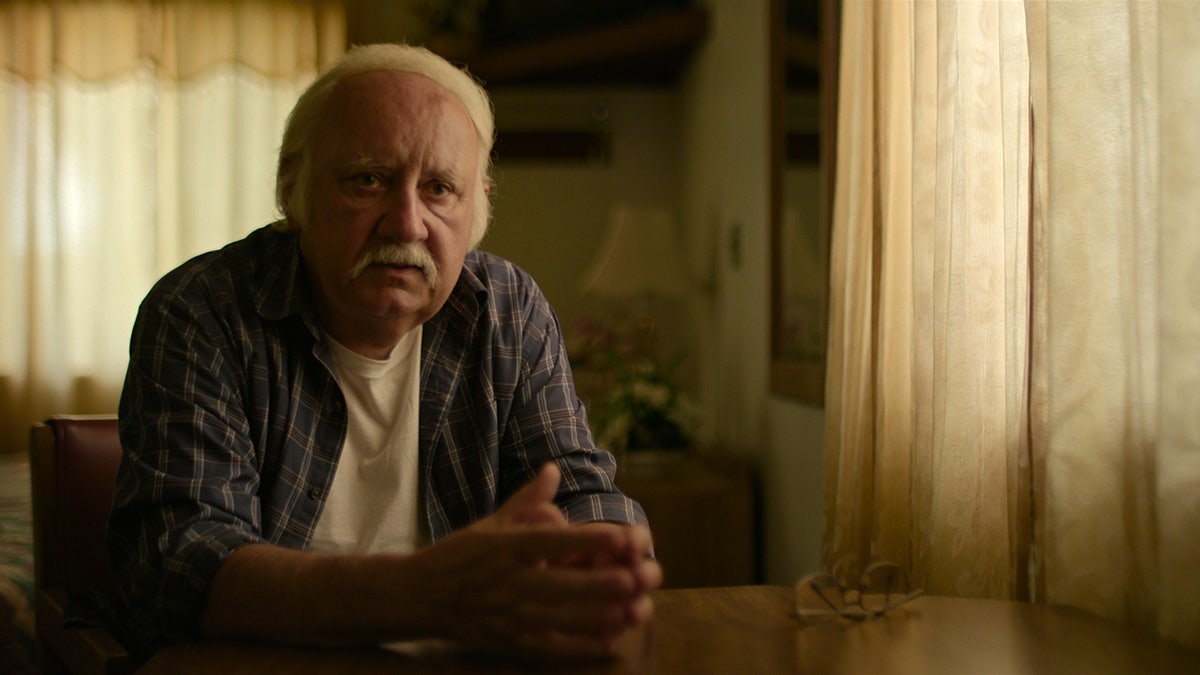
The letter arrived at Johnson & Johnson in 1982, typed and demanding $1 million to "stop the killings."
The killings were the Tylenol poisonings that had just claimed seven lives in the Chicago area.
The letter was signed by James William Lewis.
Lewis would later be convicted of extortion for sending it.
He was never charged with the murders.
The letter is the one concrete, documented object that ties a named person to the case.
It is not evidence of poisoning.
It is evidence of a demand for money.
Online theories have long pointed to Lewis as the killer.
The record shows he was convicted of extortion, not murder.
He has consistently denied involvement, calling the letter a hoax.
It is not established that Lewis had any role in the poisonings.
His conviction was for extortion only.
So the question sits there, unanswered: how did a letter demanding money become the center of a murder investigation?
And why was the man who sent it never charged with the killings?
The letter was a hoax, Lewis said.
The hoax made him the only person ever convicted in connection with the case.
Seven people were dead.
One man went to prison for asking for money.
The murders themselves remain unsolved.
That is the shape of the record: a demand for cash, a conviction for extortion, and no physical evidence ever definitively linking anyone to the cyanide.
The letter is the hinge.
Everything else is theory.
SEVEN DEATHS, ONE BOTTLE
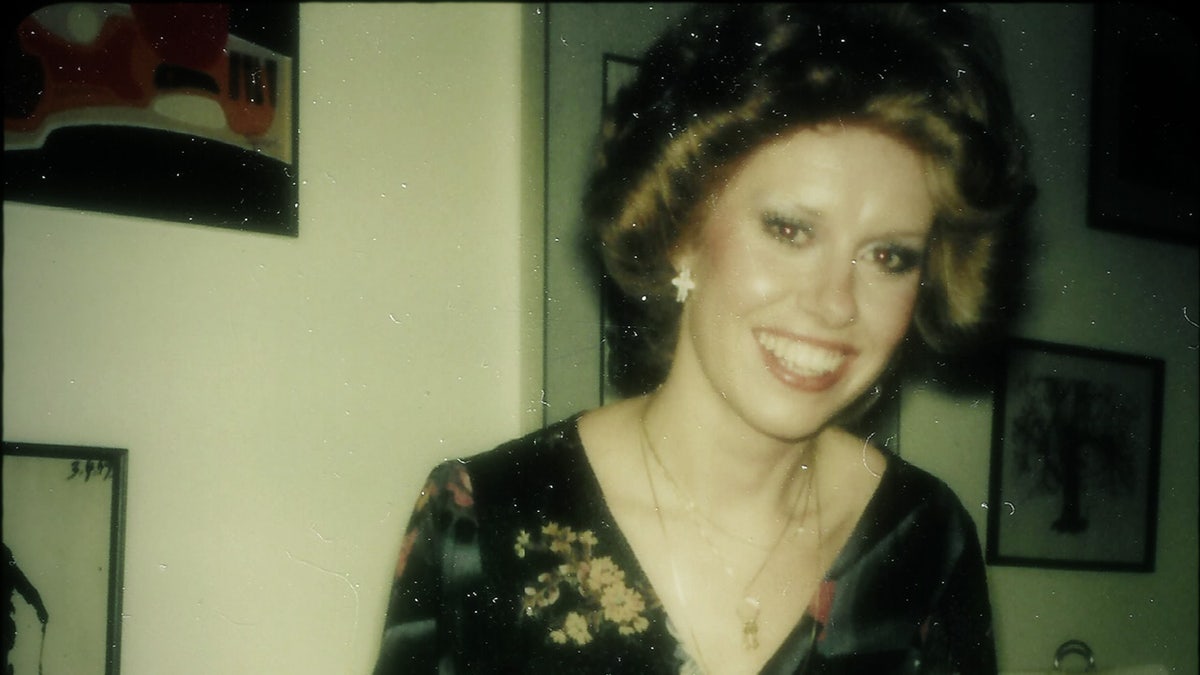
The first victim was a 12-year-old girl from Elk Grove Village who took Tylenol for a cold on September 29, 1982.
She died that day.
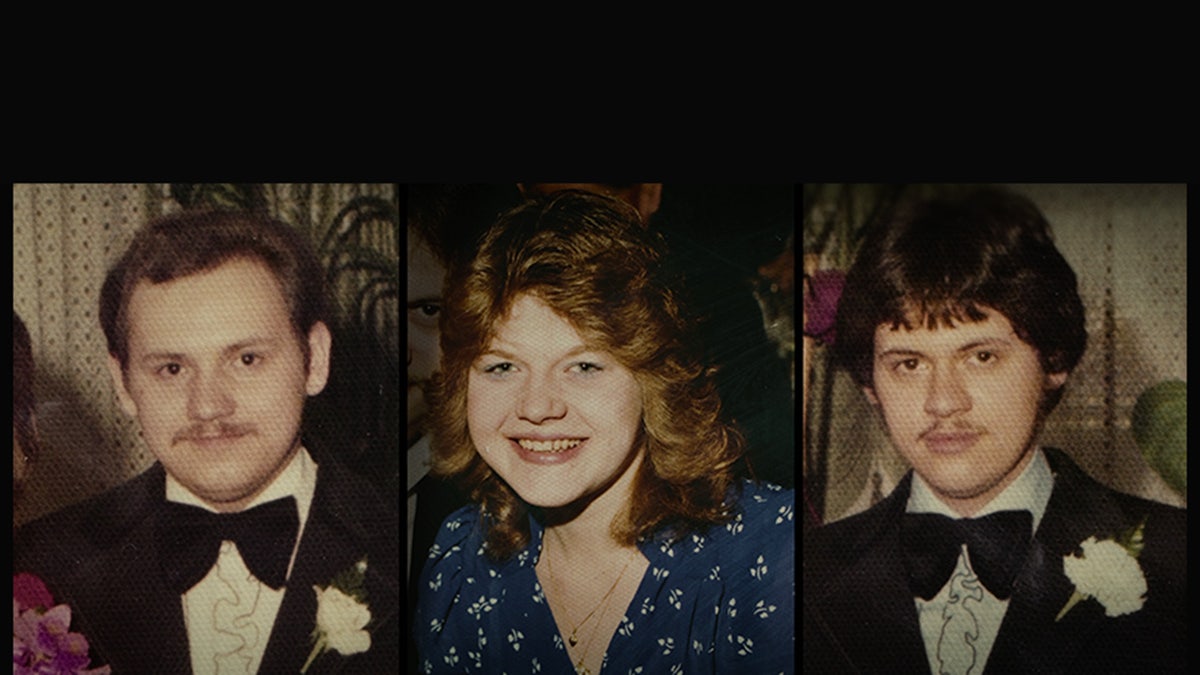
That same day, a 27-year-old postal worker from Arlington Heights died after taking the capsules.
The next day, his brother and sister-in-law died after taking pills from the same bottle at a memorial gathering.
Three more victims died over the following days: a woman from Elmhurst, a woman from Chicago, and a woman from Winfield.
Seven people in the Chicago area were dead by early October.
All of them had taken Extra-Strength Tylenol capsules.
The capsules were laced with potassium cyanide.
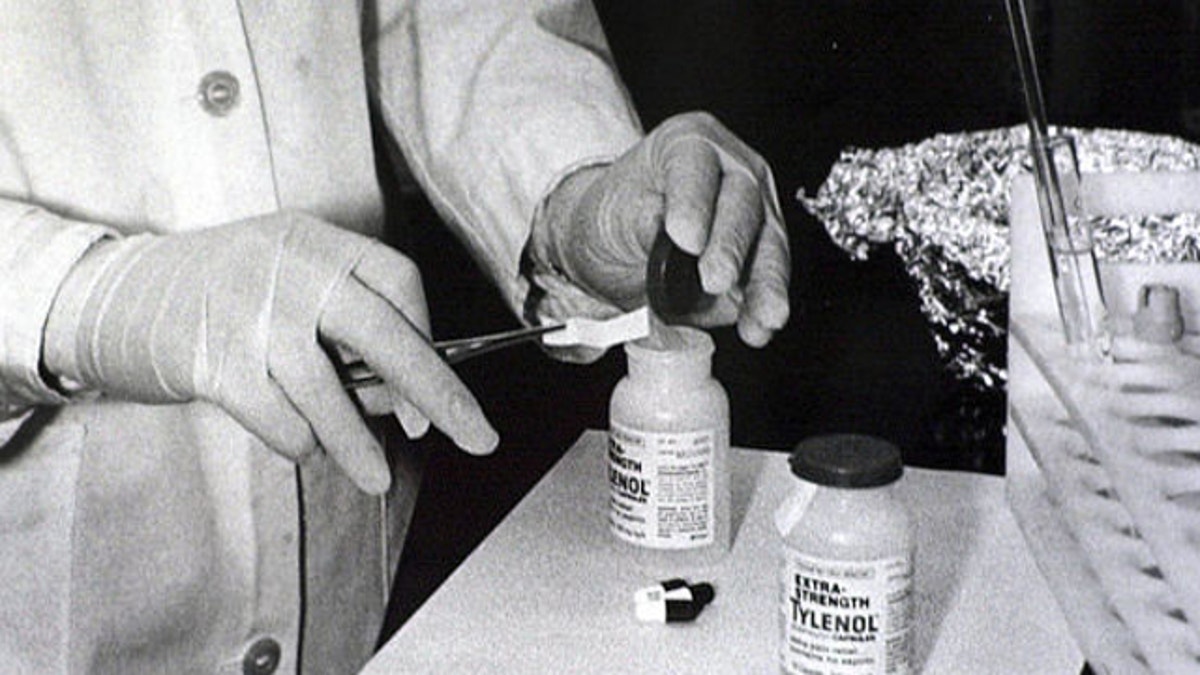
Investigators linked the deaths to Tylenol and tested bottles from different stores.
They found cyanide-laced capsules in several bottles.
The bottles came from different manufacturing lots.
That meant the poison was introduced after the bottles left the factory.
The exact method of how the cyanide was introduced is not established.
Johnson & Johnson recalled approximately 31 million bottles nationwide.
The recall was a response to deaths that followed no pattern.
The victims bought their capsules from different stores, in different towns.
They were a 12-year-old girl, a postal worker, his brother, his sister-in-law, three women.
The randomness was the horror.
One bottle killed the postal worker; the same bottle killed his brother and sister-in-law at the memorial.
No one was charged with the murders.
That would remain true for decades.
THE EXTORION CONVICTION
The letter led to the 1982 arrest of James William Lewis.
In 1983, he was convicted of extortion and sentenced to 10 years in prison.
Lewis maintained he had nothing to do with the poisonings.
He said the letter was a hoax.
It is not established that the letter was anything more than that.
His motive for sending it is not documented.
He served his sentence and was released.
No one was ever tried for the murders.
Lewis was the only person convicted in connection with the case — for extortion, not murder.
The gap is the point.
Seven people died; one man served time for a letter.
Not because the letter was tied to the poisonings.
But because the letter was the one concrete object investigators had.
The conviction did not resolve the case.
It made the record stranger.
The man who wrote the demand was punished; the person who filled the capsules was never found.
That would remain true for decades.
THE SUSPECT WHO WAS NEVER CHARGED
In 2009, the FBI announced it was re-examining the evidence with new DNA technology.
In 2010, federal prosecutors and the FBI identified James William Lewis as a suspect.
Authorities searched his home in Massachusetts and named him a "person of interest."
Lewis was never charged with the murders.
Prosecutors have said the evidence is insufficient.
No physical evidence has ever definitively linked anyone to the poisonings.
It is not established that Lewis committed the murders.
The FBI's identification of him as a suspect is not a charge and it is not a conviction.
Lewis, now in his 70s, has consistently denied involvement.
He served his time for extortion and was released.
The case remains officially unsolved.
On the 40th anniversary in 2022, the FBI stated the case remained open and active.
So a named man remains a suspect, and the record holds nothing against him but a letter.
The letter was real. The demand was real. The conviction was real.
The poisonings were never his, according to the record.
How does a suspect stay a suspect for forty years?
How does an open case stay open without charges?
How does a theory outrun the evidence?
That would require proof, and the proof was never found.
The capsules were laced after they left the factory, investigators determined.
The poison came from multiple bottles, from different lots, from different stores.
It is a case of absence: no fingerprints, no witnesses, no confession.
It is also a case of presence: one extortion letter, one convicted man, one unsolved crime.
The statute of limitations does not apply to murder, so charges could still theoretically come.
Prosecutors have said the evidence is insufficient.
The families have lived with that insufficiency for decades.
Some have spoken publicly about their frustration.
The FBI has said it continues to review the case with modern forensic methods.
The case remains open.
The suspect remains unnamed in any charge.
The record remains what it is.
AND THE STORY STILL ISN'T OVER
The statute of limitations does not apply to murder, so charges could still theoretically be brought.
Prosecutors have said the evidence is insufficient.
The FBI has said it continues to review the case with modern forensic methods.
It is not known when or if any new charges will be filed.

The FBI has not announced a specific next step.
The case remains open and active.
The victims' families have lived with the unresolved loss for decades.
Some have spoken publicly about their frustration that no one was ever held accountable.
The grief is not a cold file.
It is a permanent absence.
The poisonings changed what sits on a pharmacy shelf.
Tamper-evident packaging is now standard.
Federal anti-tampering legislation made it a crime to tamper with consumer products.
Johnson & Johnson's recall and its public-safety campaign are still studied as a model of crisis management.
The company acted fast.
It warned the public.
It pulled the product.
That response became the textbook.
The case itself never got a closing chapter.
No one was ever tried for the murders.
James William Lewis served his sentence for extortion and was released.
He has consistently denied involvement in the poisonings.
He has never been charged with them.
The next concrete step is not publicly scheduled.
The record remains what it is.
Seven people died.
One man was convicted of a crime related to the case, but not the crime itself.
The families wait.
The case waits.
It is open.
It is active.
It is unresolved.
Advertisement
You may also like
The DNA match that ended a 20-year manhunt for a killer the police had already cleared
He passed the polygraph. The truck painter from Auburn, Washington sat for the test early in the Green River Killer investigation, and the machine…
The FBI tape that captured what happened inside the Waco compound before the fire
The infrared footage was shot from above, by surveillance aircraft circling the compound. The audio recordings were captured the same way, microphones picking up…
The boat bought days before Laci vanished — and the alibi that unraveled in court
The mop sat in the garage of the Modesto home, and next to it, a boat trailer with fresh paint. Police found both during…
The beauty queen's parents who spent 25 years demanding a murder trial
On February 17, 1970, at Fort Bragg, North Carolina, Army Captain Jeffrey MacDonald, a Green Beret physician, reported that four intruders — three men…
The grand jury that reviewed Adam Walsh's evidence but issued no indictment
On July 27, 1981, six-year-old Adam Walsh was watching television with other children in the Sears department store at the Hollywood Mall in Hollywood,…
The circuit board fragment from a toy car that cracked the Boston bombing case
The fragment was small enough to fit in a palm. It was a piece of a circuit board, recovered from the blast sites along…