The circuit board fragment from a toy car that cracked the Boston bombing case
The fragment was small enough to fit in a palm.
It was a piece of a circuit board, recovered from the blast sites along Boylston Street.
Investigators traced it to a remote-control toy car.
They said the toy car's circuit board was used to trigger the bombs.
The bombs themselves were pressure cookers, packed with ball bearings and nails.
The record shows the fragment was found.
The record shows what investigators said it was.
What the record does not show is where the toy car was bought.
No receipt, no store, no purchase date.
The specific origin of the toy car is not in the record.
That matters because of what circulates online.
A theory claims the toy car fragment proves a larger conspiracy.
It is a theory.
The record does not establish it.
Not because the theory is impossible.
But because the record says nothing about it.
The fragment is a documented piece of evidence.
It is also a small one.
A tiny board inside a child's toy, used to turn a pressure cooker into a bomb.
Investigators said the toy car's circuit board was used to trigger the bombs.
That is what they said.
Everything else about the toy car is a question the record leaves open.
Where was it sold?
Who bought it?
How did it end up in a pressure cooker?
The fragment does not answer those questions.
It sits in the evidence, small and specific.
One piece of a larger puzzle that began on a sunny April afternoon on Boylston Street.
THE BOMBS AND THE CAMERAS
The first bomb went off at 2:49 p.m.
The second came twelve seconds later.
On April 15, 2013, two pressure-cooker bombs exploded near the finish line of the Boston Marathon on Boylston Street, according to the case overview.
The explosions killed three people and injured more than 260 others.
Smoke rolled down the street.
Runners kept moving, then stopped.
The city did not know yet what it was looking at.
The key breakthrough came from surveillance footage.
Investigators reviewed images from cameras along Boylston Street and identified two men carrying heavy backpacks who appeared to leave the scene shortly before the explosions, the investigation found.
Not because the men were running.
Because they were the only ones walking away.
The exact contents of those backpacks are not specified in the record.
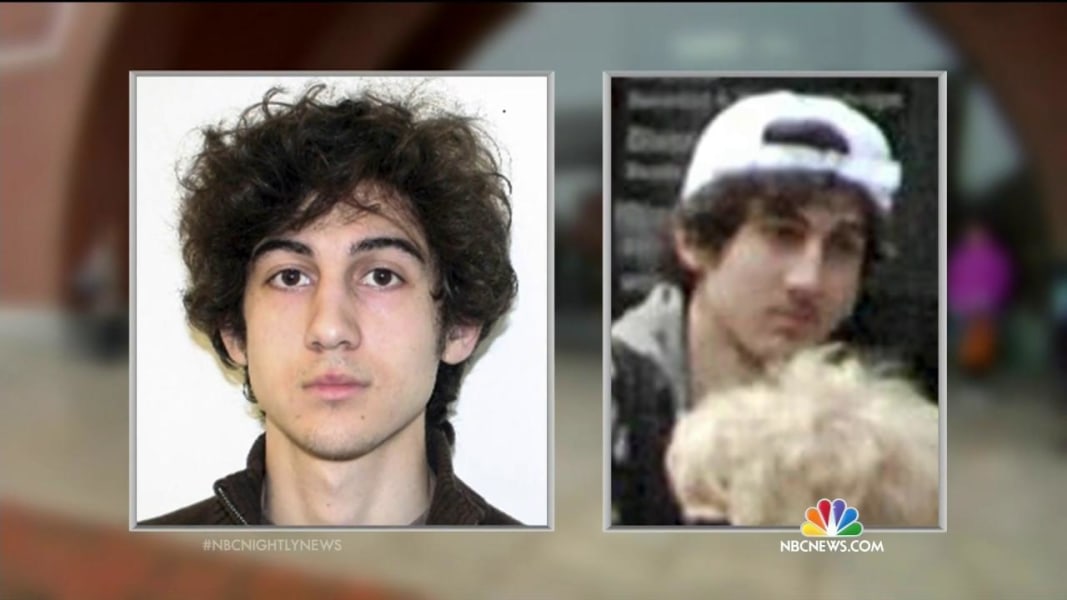
The FBI released images of the two suspects on April 18, 2013.
The photographs went out across the country.
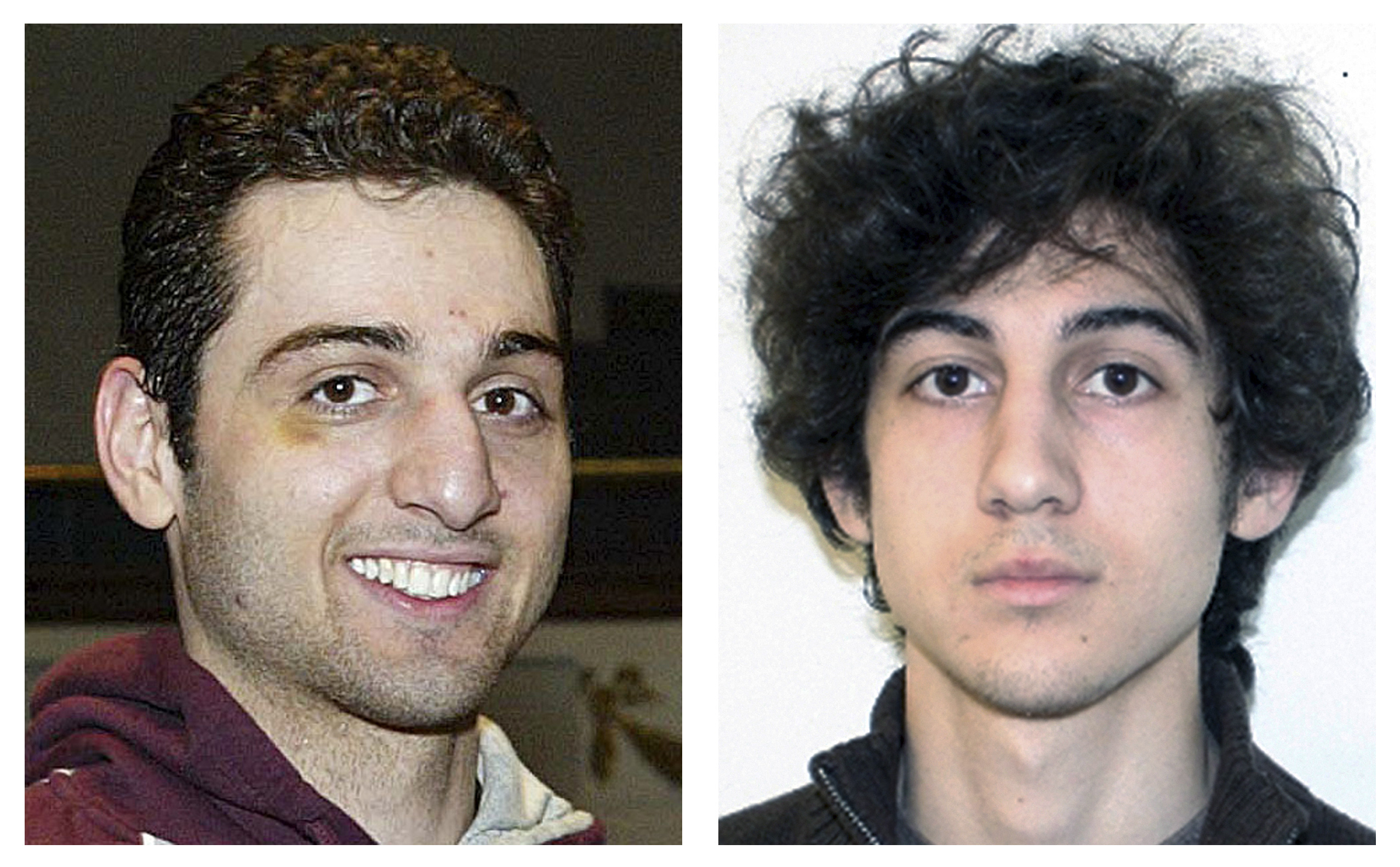
The suspects were identified as Tamerlan and Dzhokhar Tsarnaev after the public recognized them, according to the investigation.
Three days after the bombs, the city had names.
Three days after the bombs, the clock was still ticking.

That night, the brothers killed an MIT police officer and carjacked a vehicle.
A shootout in Watertown followed.
One brother died.
The other ran.
The manhunt shut down the Boston metropolitan area.
The cameras had done their part.
The rest was a city holding its breath.
THE MANHUNT
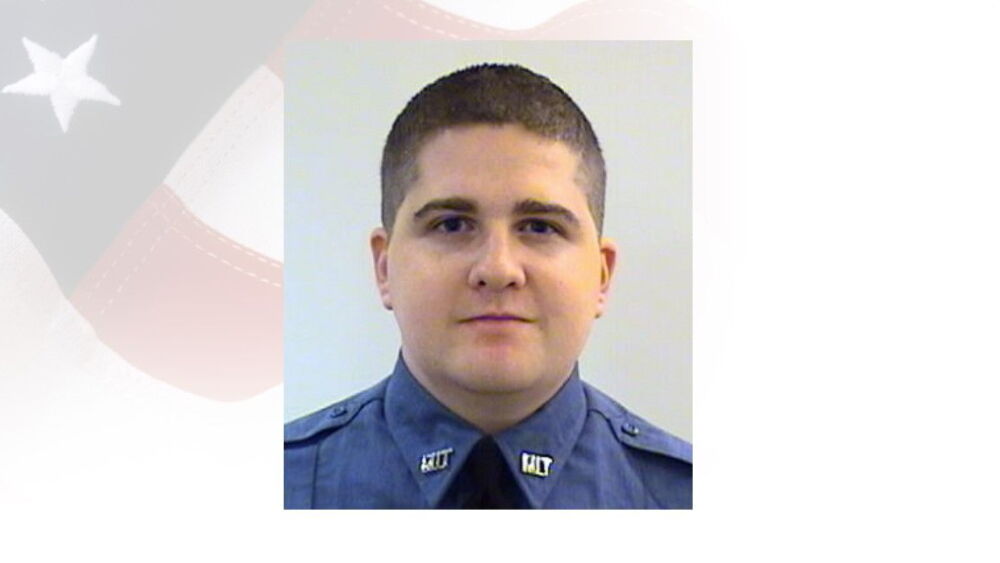
They killed Sean Collier, an MIT police officer, on the night of April 18.
They carjacked a vehicle after that, according to the case overview.
The shootout in Watertown, Massachusetts, followed.
Tamerlan Tsarnaev died in that shootout.
Dzhokhar Tsarnaev got away.
A massive manhunt shut down the Boston metropolitan area.
The city held its breath, as the previous section said.
Police found Dzhokhar Tsarnaev hiding in a boat stored in a backyard.
He had written a message on the boat's interior in his own blood.
Prosecutors cited that blood message as evidence of his intent and ideology, according to the investigation.
The exact contents of that handwritten message are not quoted in the record.
That is where the record stops.
The defense argued that Tamerlan was the mastermind.
They argued that Dzhokhar was under his older brother's influence.
Did the blood message show ideology?
Did it show intent?
Did it show anything at all?
That would require the words themselves.
The record does not give them.
He was taken into custody on the evening of April 19.
The manhunt was over.
The evidence against the surviving suspect was already heavy.
THE TRIAL AND THE TWO STORIES
The trial began in January 2015.
The jury convicted Dzhokhar Tsarnaev on all 30 counts in April of that year.
The counts included conspiracy and use of a weapon of mass destruction resulting in death.
The prosecution told the jury the story of the circuit board fragment.
That fragment, traced to a remote-control toy car, was the trigger.
Prosecutors argued the fragment and the blood message scrawled inside the boat showed intent and ideology.
They said the bombs were built, placed, and detonated with purpose.
The defense told a different story.
They argued that Tamerlan was the mastermind.
They argued that Dzhokhar, the younger brother, acted under his influence.
Two narratives, one verdict.
The jury deliberated, and the record does not detail those deliberations.
No transcript of the jury's internal reasoning exists in the case file.
What is documented is the outcome.
The jury recommended the death sentence.
In June 2015, the judge formally sentenced him to death.
It is a heavy sentence, resting on a fragment of plastic and a message written in blood.
It is also a sentence built on the weight of 30 convictions.
The question of which brother held the remote control remains a matter of argument, not established fact.
The prosecution's version prevailed in court.
The defense's version did not.
AND THE STORY STILL ISN'T OVER
The defense appealed the death sentence.
In 2020, a federal appeals court overturned it, citing issues with jury selection.
In 2022, the U.S. Supreme Court reinstated it.
The appeals continue.
Dzhokhar Tsarnaev remains on federal death row.
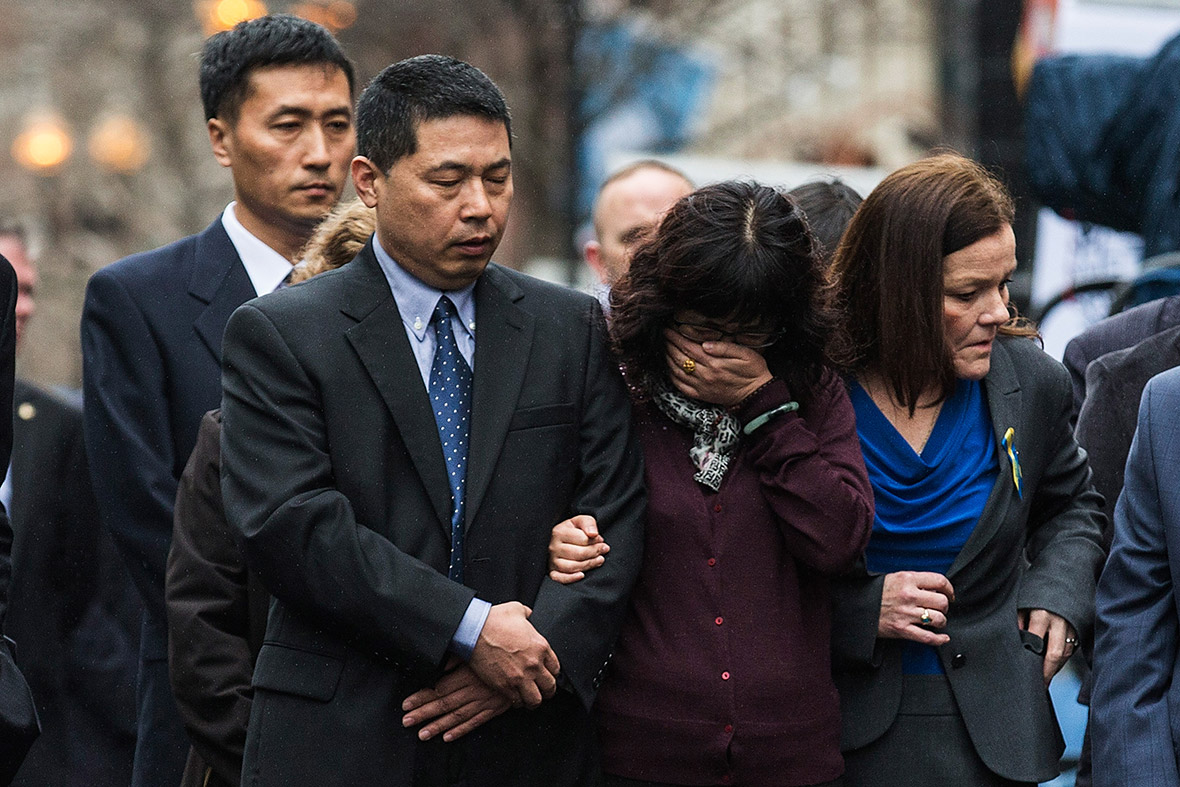
Bill and Denise Richard, whose son Martin was killed by the bomb, have advocated against the death penalty.
They preferred a life sentence, they wrote publicly, to avoid prolonged appeals.
This is their preferred outcome.
That is not the outcome.
The next specific court date is not in the record.
What remains is a legal battle that outlasted the trial itself.
It is a battle over procedure, over jury selection, over the question of whether the sentence fits.
The evidence that convicted him — the circuit board fragment, the blood message — is settled.
The sentence is not.
The prosecution's version prevailed in court.
The defense's version did not.
And still, the story isn't over.
Advertisement
You may also like
The tarot card left at a D.C. sniper crime scene that said 'Call me God'
The card was on the ground at a crime scene in Montgomery County. A tarot card, face up, with a message written across it:…
The cell phone records that placed a suspect near Leakin Park — but one witness kept changing his story
January 13, 1999, was a school day. Hae Min Lee, an 18-year-old senior at Woodlawn High School in Baltimore County, Maryland, was last seen…
The parole agent who saw a sketch and stopped a car — then Polly Klaas's killer led police to her body
The parole agent saw the car first. A sketch, a tip, and a car on the road — that was the break. On November…
The cellmate tip that cracked the Clutter case after investigators ignored a footprint
The footprint was there on the night of November 15, 1959, inside the farmhouse near Holcomb, Kansas. Four members of the Clutter family were…
The cell tower records that placed Adnan Syed at Leakin Park — and the witness who changed his story
The phone call came on February 12, 1999. Baltimore County police picked up an anonymous tip that day, and the voice on the line…
The jailhouse informant's testimony that could not save Casey Anthony
She sat in the witness box and testified that Casey Anthony had made incriminating statements while in jail. Her name was Robyn Adams, a…