The cell phone records that placed a suspect near Leakin Park — but one witness kept changing his story
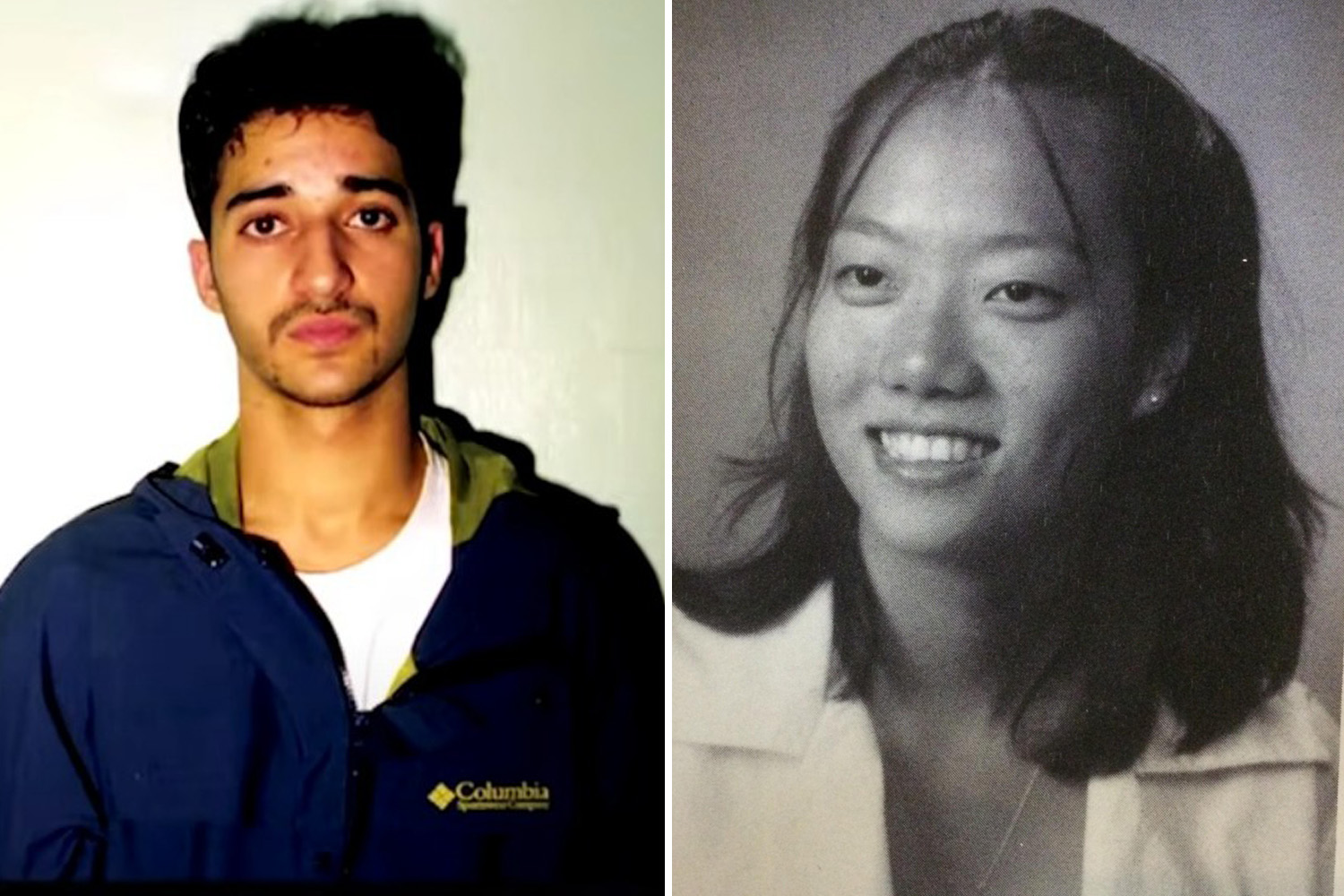
January 13, 1999, was a school day.
Hae Min Lee, an 18-year-old senior at Woodlawn High School in Baltimore County, Maryland, was last seen leaving school that afternoon.
She did not come home.
For twenty-seven days, there was only the gap — the missing hours between a normal dismissal and a body found in Leakin Park in Baltimore City on February 9, 1999.
She was buried in a shallow grave there.
The medical examiner determined the cause of death: manual strangulation.
What Hae Min Lee did between leaving school and her death is not in the record.
That gap is the case.
Her ex-boyfriend, Adnan Syed, was arrested on February 28, 1999, and charged with her murder.
He was charged.
He was not yet convicted.
The investigation would lean on what a phone log said and what one witness claimed.
No physical evidence linked Syed to the crime scene, according to the record.
No DNA connected him.
Just a timeline built on calls that rang and a story that kept changing.
Where was she in those hours?
That would require evidence.
The record does not have it.
THE WITNESS AND THE RECORDS
The case came down to two things: a single witness and a stack of phone records.

Jay Wilds said Syed showed him the body and asked for help burying it.
He gave police one story.
He gave the court another.
He gave another version after that.
The prosecution built its case on what Wilds said, and on where the cell towers placed Syed's phone.
Those records were used to put Syed near Leakin Park at the time of the burial.
The exact location of Syed's phone at that hour is not established by the record.
The *Serial* podcast later raised the question the trial never answered.
Incoming call logs, the podcast noted, may not have been as precise as the prosecution claimed.
A call logged at a certain time does not prove where the phone was.
It proves the network recorded something.
What it recorded, and what it meant, was argued then and argued again later.
Wilds changed his story about when he was called, where he was, and what he saw.
He changed it about the trunk, the shovels, the ride through the park.
Each version still placed Syed at the grave.
Each version asked the jury to trust the teller.
There was no physical evidence tying Syed to the crime scene.
No DNA connected him to the murder.
The records and the witness were the case.
One record that could be read many ways.
One witness who told it many ways.
THE MISSED ALIBI
There was another name in the file, one the defense never called.
Asia McClain said she saw Adnan Syed at the Woodlawn Public Library around the time of the murder.
She wrote to him, according to later court filings, and her account was a potential alibi.
The defense did not pursue her.
Cristina Gutierrez, Syed's attorney, was later accused of failing to contact McClain at all.
The defense argued this was a significant lapse in the case.
It became a central issue in appeals that followed the conviction.
Not because the record shows what McClain would have said on the stand.
But because the record shows she was never asked.
The investigation did not uncover any physical evidence linking Syed to the crime scene.
No DNA evidence connected him to the murder.
The case against him rested on the cell phone records and the one witness who kept changing his story.
The library was a place he could have been.
The witness said she saw him there.
The defense never tested that claim in court.
Whether McClain's testimony would have changed the outcome is not established by the record.
It is a question the case leaves open.
It is a question the appeals court would later wrestle with.
One attorney who did not make a call.
One witness who was never put on the stand.
That would require evidence the record does not provide.
THE TRIAL AND THE REVERSALS
The trial began in 2000 in Baltimore County Circuit Court.
The prosecution's case rested on two things: Jay Wilds's testimony and the cell phone records.
No physical evidence linked Syed to the crime scene.
No DNA evidence connected him to the murder.
On February 25, 2000, Syed was convicted of first-degree murder.
He was sentenced to life in prison plus 30 years.
The conviction was upheld on direct appeal.
Then the case shifted.
In 2016, a post-conviction court granted Syed a new trial.
The court cited ineffective assistance of counsel — specifically, Gutierrez's failure to contact Asia McClain.
That decision was reversed by the Maryland Court of Special Appeals in 2019.
Conviction, reversal, reinstatement.
The whiplash continued.
In 2022, a Baltimore City Circuit Court judge vacated Syed's conviction.
Prosecutors had filed a motion to vacate, citing new evidence and the state's failure to disclose information about Jay Wilds.
The specific new evidence is not detailed in the source.

That remains unestablished.
The state later dropped all charges in 2022.
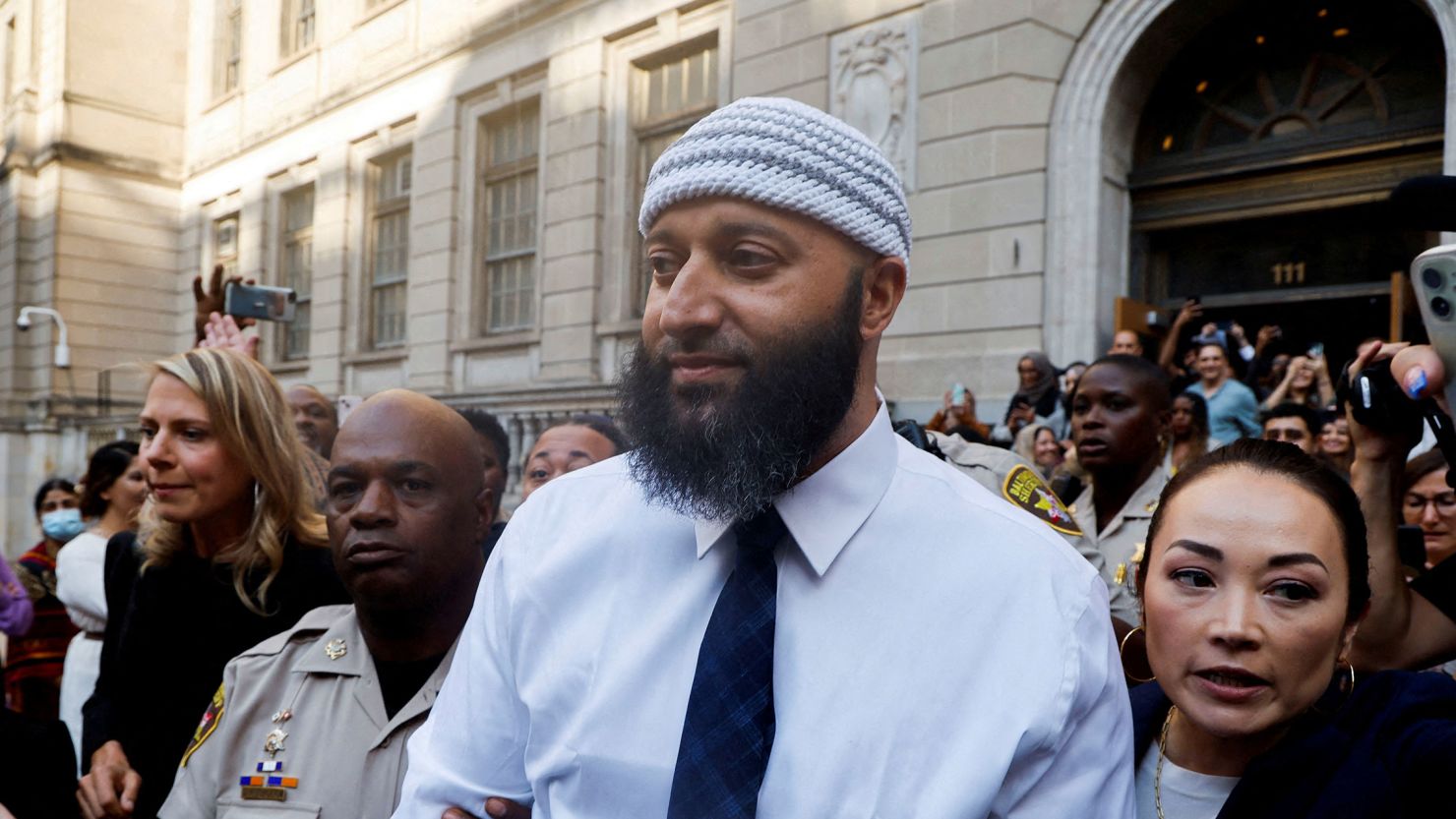
Syed was released from prison in September 2022.
He has maintained his innocence throughout.
The case rests on a witness who kept changing his story.
It rests on records whose reliability was later questioned.
It does not rest on physical proof.
What is the truth of what happened in Leakin Park?
What did the cell phone records actually show?
What did Jay Wilds actually know?
The record does not answer these questions.
It only shows a conviction, a reversal, a reinstatement, a vacatur.
And a case that still will not settle.
AND THE STORY STILL ISN'T OVER
September 2022.
The state dropped all charges, and Adnan Syed walked out of prison.
He has maintained his innocence throughout.
The record shows a conviction in 2000, a reversal, a reinstatement, a vacatur, and then a dismissal.
It does not show a final answer.
Young Lee, Hae Min Lee's brother, publicly objected when the conviction was vacated.
He stood in court and spoke against the proceeding.
The Lee family has expressed frustration with the legal process.
They have watched the case move through courts for decades.
The public debate continues.
It asks about the cell phone records and their precision.
It asks about Jay Wilds and his shifting accounts.
It asks about Asia McClain and the alibi that was never checked.
The record does not answer these questions.
It only shows what was presented, what was argued, and what was later undone.
No physical evidence tied Syed to the crime scene, according to the investigation's findings.
No DNA connected him to the murder.
The conviction rested on testimony and timing.
The testimony changed.
The timing was questioned.
And the case still sits in the public mind as unresolved.
Not because the courts have not ruled.
But because the rulings keep moving.
The next step is not in the record.
Any future legal proceedings or decisions remain unwritten.
The story is not over.
It is waiting.
Advertisement
You may also like
The tarot card left at a D.C. sniper crime scene that said 'Call me God'
The card was on the ground at a crime scene in Montgomery County. A tarot card, face up, with a message written across it:…
The parole agent who saw a sketch and stopped a car — then Polly Klaas's killer led police to her body
The parole agent saw the car first. A sketch, a tip, and a car on the road — that was the break. On November…
The cellmate tip that cracked the Clutter case after investigators ignored a footprint
The footprint was there on the night of November 15, 1959, inside the farmhouse near Holcomb, Kansas. Four members of the Clutter family were…
The cell tower records that placed Adnan Syed at Leakin Park — and the witness who changed his story
The phone call came on February 12, 1999. Baltimore County police picked up an anonymous tip that day, and the voice on the line…
The jailhouse informant's testimony that could not save Casey Anthony
She sat in the witness box and testified that Casey Anthony had made incriminating statements while in jail. Her name was Robyn Adams, a…
76 died in the Waco fire, but no one was ever charged with starting it
The date was April 19, 1993. A fire broke out inside the Mount Carmel Center near Waco, Texas, and it killed 76 people. David…