The cellmate tip that cracked the Clutter case after investigators ignored a footprint
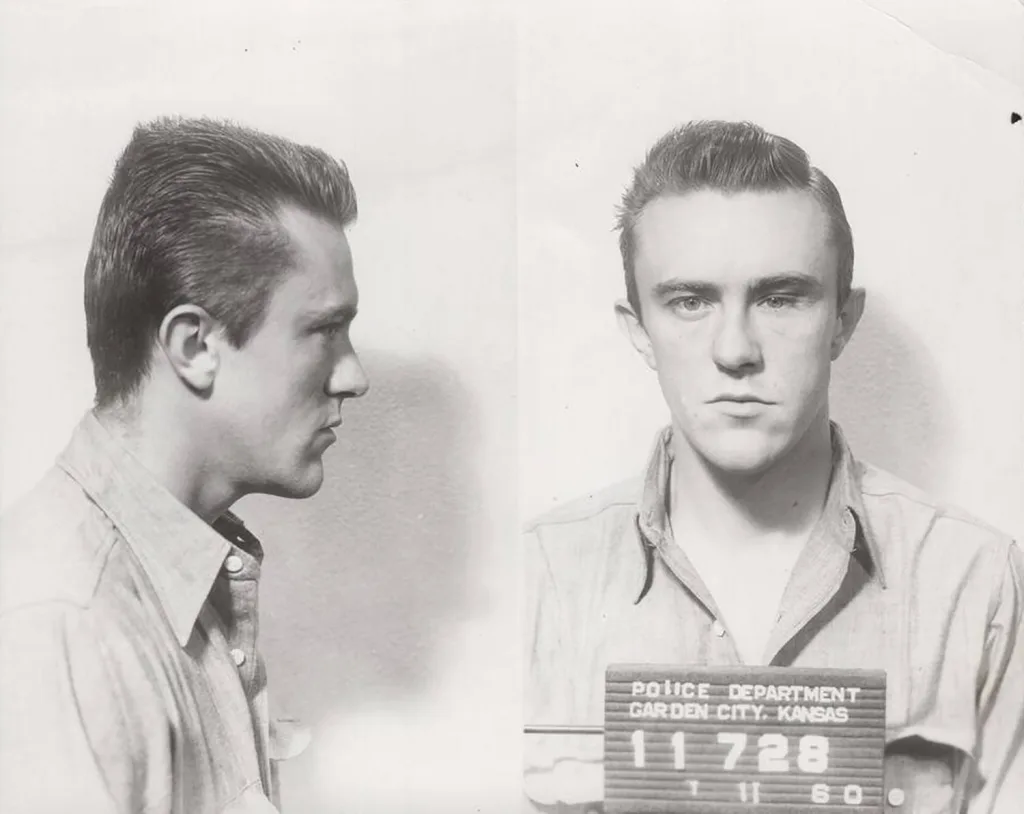
The footprint was there on the night of November 15, 1959, inside the farmhouse near Holcomb, Kansas.
Four members of the Clutter family were murdered that night, bound and shot at close range with a shotgun.
The victims were a prominent farmer, his wife, and their two teenage children.
What exactly the footprint looked like, or where it was found, is not in the record.
Neither is the full weight of what else was missed, though investigators initially failed to recognize the significance of that footprint and other physical evidence at the scene.
The crime shocked the nation.
Not because of the method alone, but because the Clutters were respected, well-liked, with no apparent enemies.
No motive. Few leads.
The investigation stalled on that absence — no enemies, no reason, no path forward.
A footprint sat in the evidence, unread.
A search of the house showed signs of a methodical hunt for something, but nothing of significant value appeared to be missing.
What were they looking for?
What did they take?
What did they leave behind?
That would require evidence the record does not provide.
The bodies were not found until the following morning, by friends who had come to take the children to church.
By then, the night was cold and the trail was older.
The footprint remained what it was: a mark on the floor, overlooked.
The case would not break on what the investigators saw.
It would break on what a cellmate heard.
THE SEARCH
The investigation began with no clear motive and few leads.
The Finney County Sheriff and agents from the Kansas Bureau of Investigation took charge of the scene.
They found a household bound and shot at close range.
Drawers had been opened. Rooms had been gone through.
The search looked methodical, the agents noted.
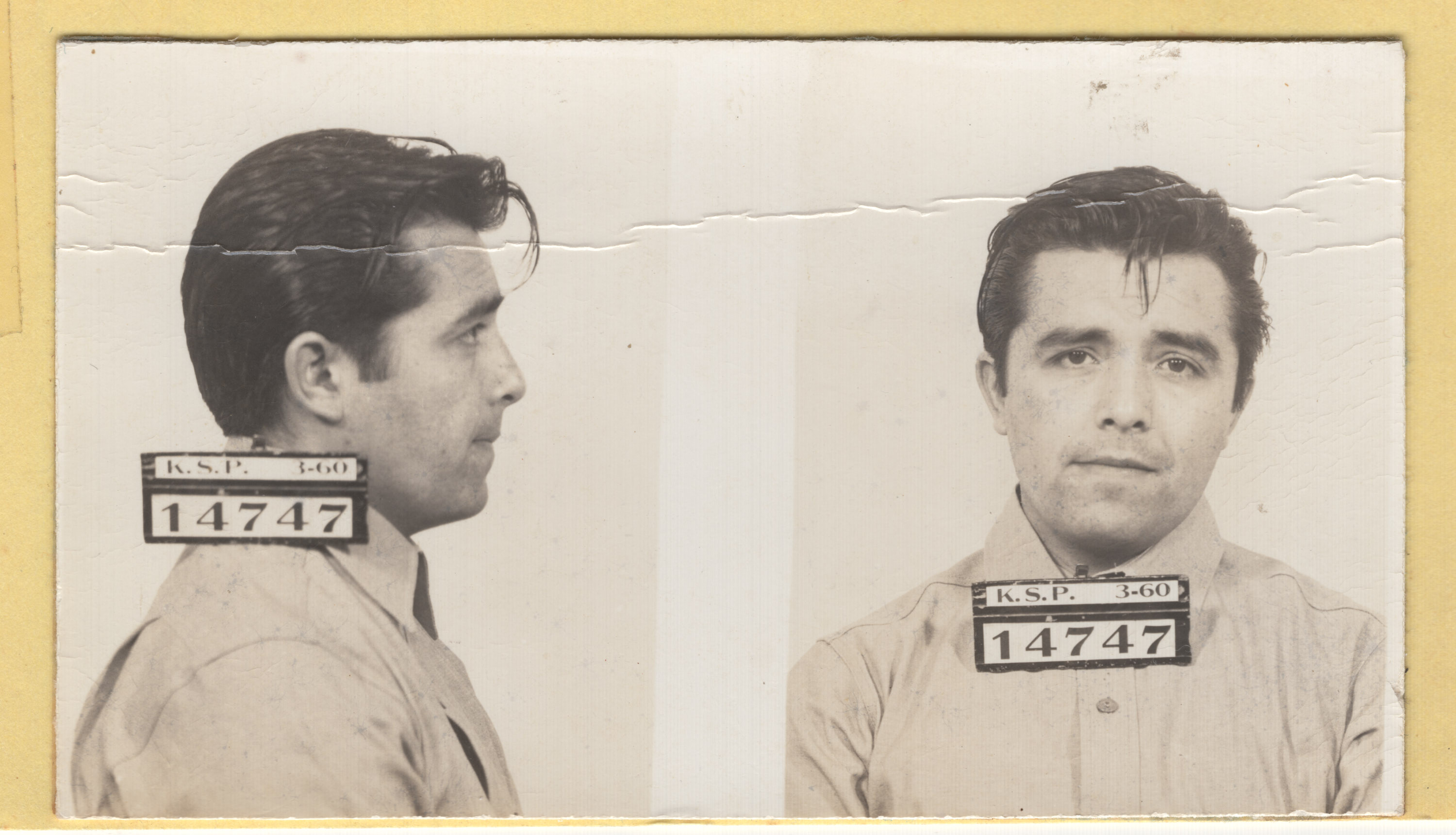
Nothing of significant value appeared to be missing.
That fact stalled them.
If robbery was the point, why take so little?
If hatred was the point, who hated a family with no apparent enemies?
The bodies were discovered the following morning by family friends who had come to take the children to church.
Those friends walked into the farmhouse and walked out changed.
The sheriff coordinated with local law enforcement.
They checked known criminals in the area.
They interviewed neighbors, relatives, anyone who had seen a stranger on the county roads.
Each lead dead-ended.
The footprint stayed on the floor, unread.
The physical evidence stayed in its bags, unconnected.
The case would not break on what the investigators saw.
It would break on what a cellmate heard.
The names of the sheriff and the lead investigator are not confirmed in news coverage.
What is confirmed is the grind: weeks of questions, no arrests, a community holding its breath.
The record shows the case was ultimately solved through informant testimony and the suspects' own admissions.
Not through the footprint.
Not through the search.
Those came later, and only after the cellmate spoke.
THE CELLMATE
The cellmate spoke first because he had something to sell.
He was serving time alongside Richard Hickock, and he told authorities that Hickock had talked about robbing the Clutter farm.
The cellmate said he had given Hickock information about the family's supposed wealth.
That was the tip that broke the case open.
Not the footprint.
Not the months of dead ends.
The cellmate's account gave investigators a name, and then another name: Perry Smith.
The lead detective shifted his focus from the farmhouse to two ex-convicts.
A nationwide manhunt followed, and in December 1959 the two men were arrested in Las Vegas.
The evidence against them began to stack up.
A pair of boots found at the crime scene matched a pair owned by Hickock.
Both men confessed, though their accounts of the murders conflicted on the details.
The cellmate's name is not confirmed in news coverage; he is known only by his role.
What the record establishes is the tip, the boots, and the confessions.
What it does not establish is why the cellmate waited, or what he was promised in return.
That would require evidence.
The case had stalled for weeks, and then a prisoner in another state pointed the way.
It was not the footprint that solved it.
It was not the search.
It was a man talking from a cell.
THE CONFESSIONS
The trial opened in Finney County in March 1960.
Hickock and Smith were tried jointly, charged with four counts of first-degree murder each.
The prosecution's case rested on the confessions, the boots, and the testimony of the cellmate who had talked.
The defense argued the confessions were coerced.
The defense argued the defendants were not mentally competent.
The specific details of the conflicting confessions are not in the record.
What is in the record is the weight of a confession against the claim that it was forced.
The jury heard the boots matched.
The jury heard the cellmate's story about a plan.
The jury heard two men describe the same night in different ways.
:max_bytes(150000):strip_icc():focal(999x0:1001x2)/in-cold-blood-2-1-07b374b9528645cc94c1bea2652ff55f.jpg)
The jury found both men guilty on all counts.
They were sentenced to death.
The Kansas Supreme Court upheld the convictions.
Appeals to the U.S. Supreme Court were denied.
The verdict was final.
The confessions were contested.
The verdict was not.
AND THE STORY STILL ISN'T OVER
The hangings took place on April 14, 1965, at the Kansas State Penitentiary in Lansing.
Both men were buried.
The Clutter farmhouse was later demolished, the ground where the bedrooms stood returned to open field.
The case did not close with the executions.
Truman Capote published *In Cold Blood* in 1966, and the book turned the murders into a study text.
Capote had interviewed the killers during their appeals, and his presence in the story became part of the story.
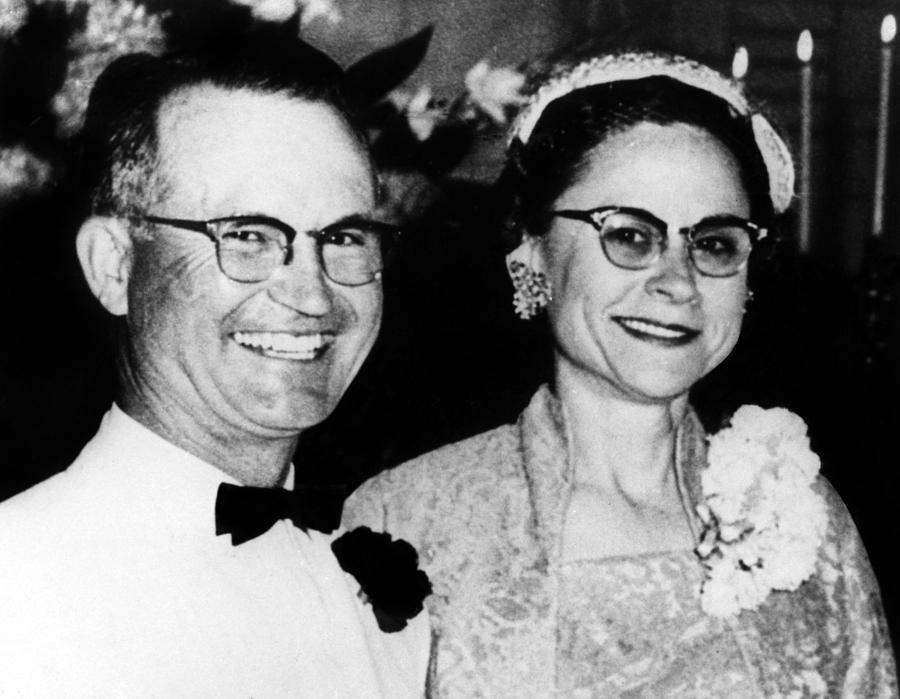
The family has no direct descendants; the couple’s surviving children have since passed away.
The case is cited in discussions of capital punishment and criminal psychology.
It is a case about a footprint that was missed.
It is also a case about a cellmate’s tip that was heard.
What happened to that overlooked footprint evidence after the trial is not in the record.
No exhibit list, no later analysis, no court mention establishes its fate.
The record shows the boot prints matched Hickock’s boots.
The record shows the confessions were contested.
The record does not show what became of the single footprint that could have broken the case earlier.
That would require evidence.
The executions were carried out.
The farmhouse is gone.
The book remains.
The footprint is not accounted for.
Advertisement
You may also like
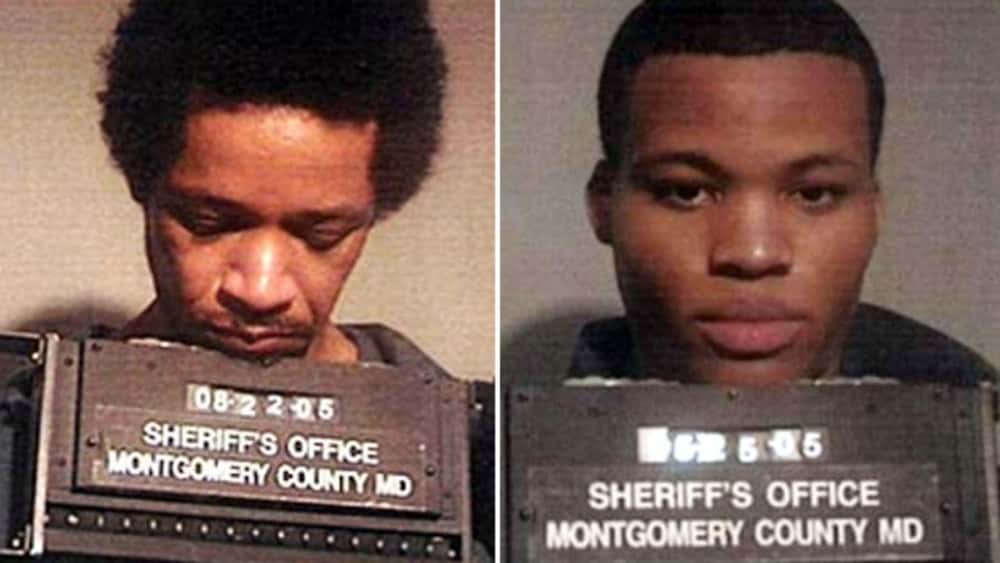
The tarot card left at a D.C. sniper crime scene that said 'Call me God'
The card was on the ground at a crime scene in Montgomery County. A tarot card, face up, with a message written across it:…
The cell phone records that placed a suspect near Leakin Park — but one witness kept changing his story
January 13, 1999, was a school day. Hae Min Lee, an 18-year-old senior at Woodlawn High School in Baltimore County, Maryland, was last seen…
The parole agent who saw a sketch and stopped a car — then Polly Klaas's killer led police to her body
The parole agent saw the car first. A sketch, a tip, and a car on the road — that was the break. On November…
The cell tower records that placed Adnan Syed at Leakin Park — and the witness who changed his story
The phone call came on February 12, 1999. Baltimore County police picked up an anonymous tip that day, and the voice on the line…
The jailhouse informant's testimony that could not save Casey Anthony
She sat in the witness box and testified that Casey Anthony had made incriminating statements while in jail. Her name was Robyn Adams, a…
76 died in the Waco fire, but no one was ever charged with starting it
The date was April 19, 1993. A fire broke out inside the Mount Carmel Center near Waco, Texas, and it killed 76 people. David…