The jailhouse informant's testimony that could not save Casey Anthony
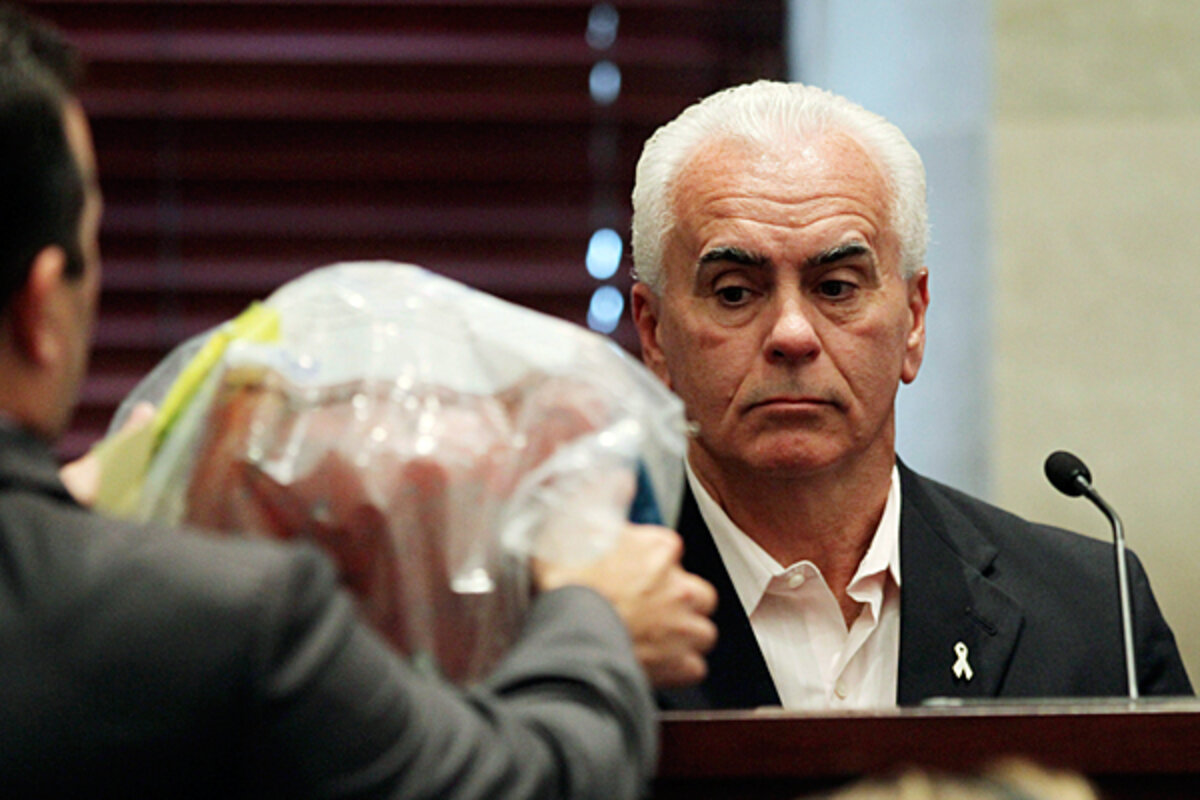
She sat in the witness box and testified that Casey Anthony had made incriminating statements while in jail.
Her name was Robyn Adams, a jailhouse informant.
She was part of the prosecution's circumstantial case, one more thread in a web of lies, odors, and computer searches.
But the thread frayed.
Adams's credibility was attacked during the trial, picked apart by the defense in front of the jury.
What exactly did she claim Casey said?
The exact content of her testimony is not detailed in the record.
Not the words. Not the context. Not the moment.
That is not established.
What is established is that she testified, and that the jury heard her.
It is a strange thing to build a murder case on.
It is a stranger thing to watch it fail.
The jury acquitted Casey of the most serious charges — first-degree murder, aggravated child abuse, aggravated manslaughter of a child.
Not because the informant was convincing.
But because she was not enough.
The state's case leaned on circumstance: the odor in the car trunk, the chloroform, the lies about a babysitter who never existed.
Adams was supposed to supply the confession, the words from Casey's own mouth.
She could not carry that weight.
A jury does not need to believe every witness.
This one, they apparently did not.
So the question lingers, unanswered: what did Robyn Adams say Casey told her?
The record does not say.
That would require evidence.
THE 31 DAYS

Cindy Anthony called 911 on July 15, 2008.
She said her daughter, Casey, had taken the two-year-old and had not been seen for 31 days.
Thirty-one days.
Detective Yuri Melich led the investigation.
Casey told him she had left Caylee with a babysitter named Zenaida Fernandez-Gonzalez.
Investigators could not find Zenaida Fernandez-Gonzalez.
No such person existed.
Casey gave multiple false statements.
What happened to Caylee during those 31 days is not established.
The record does not establish it.
That would require evidence.
The car trunk told another story.
A strong odor of decomposition was detected in Casey's car trunk.
Forensic testing indicated the presence of chloroform.
The odor, the chemical, the lies.
They pointed somewhere.
They did not say where.
The lead detective kept asking.
Casey kept talking.
None of it lined up.
The grandmother waited 31 days to call.
The mother claimed a babysitter who was not real.
The trunk smelled of death.
The cause of death was never determined.

The delay remains unexplained.
The lies remain on the record.
The 31 days remain a blank space.
THE REMAINS AND THE TRIAL
On December 11, 2008, a utility worker found skeletal remains in a wooded area near the Anthony home.
The remains were identified as Caylee Anthony.
George Anthony led investigators to the location where the remains were found.
The medical examiner ruled the death a homicide but could not determine the cause of death.
The cause of death remains undetermined.
The trial began May 3, 2011.
The prosecution argued Casey murdered her daughter to live a carefree life.
The defense argued an accidental drowning and a fabricated kidnapping story.
The drowning theory was argued, not established.
Dr. Henry Lee testified for the defense, challenging the forensic evidence.
He questioned what the prosecution's tests could actually prove.
The prosecution's case was circumstantial.
The car odor was circumstantial.
The chloroform was circumstantial.
The lies were circumstantial.
The defense's story was also circumstantial.
A drowning leaves no certain mark on skeletal remains.
A fabricated kidnapping leaves only a missing person who never existed.
The jurors heard both stories.
They heard the informant's claim of a confession.

They heard her credibility attacked.
They heard the forensic experts disagree.
What they did not hear was a cause of death.
Not because the prosecution failed.
But because the record does not contain one.
THE VERDICT AND THE PUBLIC REACTION
The jury deliberated for about eleven hours.
On July 5, 2011, they found Casey not guilty of first-degree murder, aggravated child abuse, and aggravated manslaughter of a child.
Not because the evidence was clear.
Because the prosecution's case was circumstantial: the odor in the car trunk, the chloroform searches, the lies.
The medical examiner had ruled the death a homicide but could not determine a cause of death.
The defense's accident theory did not have to be proven.
It only had to leave doubt.
The jury found Casey guilty of four counts of providing false information to law enforcement.
Those were the lies to investigators about the babysitter who did not exist.
She was sentenced to four years in prison with credit for time served.
She walked out of jail on July 17, 2011, having already served about three years, most of it before trial.
The verdict was met with public outrage.
Crowds gathered; commentators condemned it; the case became a referendum on justice.
What the jury actually reasoned is not in the record.
The record shows the verdict, not the thinking behind it.
The public's fury is documented.
It is not the basis for the acquittal.
The prosecution had charged a mother with murdering her two-year-old daughter.

They could not say how she died.
They could not say when she died, only that the remains were found in December 2008.
The state did not pursue an appeal.
The acquittal stands.
Casey was not granted parole because she was not sentenced to a parole-eligible term.
Her sentence was completed upon release.
She has faced no further criminal proceedings related to Caylee's death.
The case is closed.
The family remains in Florida.
George and Cindy Anthony have spoken publicly about their grief.
The questions remain open.
Why the jury acquitted.
What happened in those 31 days.
What the record does not contain.
AND THE STORY STILL ISN'T OVER
She was released on July 17, 2011.
She was not granted parole, because she was not sentenced to a parole-eligible term.
Her sentence was completed upon release.
The state did not pursue appeals.
The acquittal stands.
Casey Anthony has not faced further criminal proceedings related to Caylee's death.
She has lived in relative obscurity since.
There have been occasional media appearances and legal issues, none of them connected to Caylee.
George and Cindy Anthony have remained in Florida.
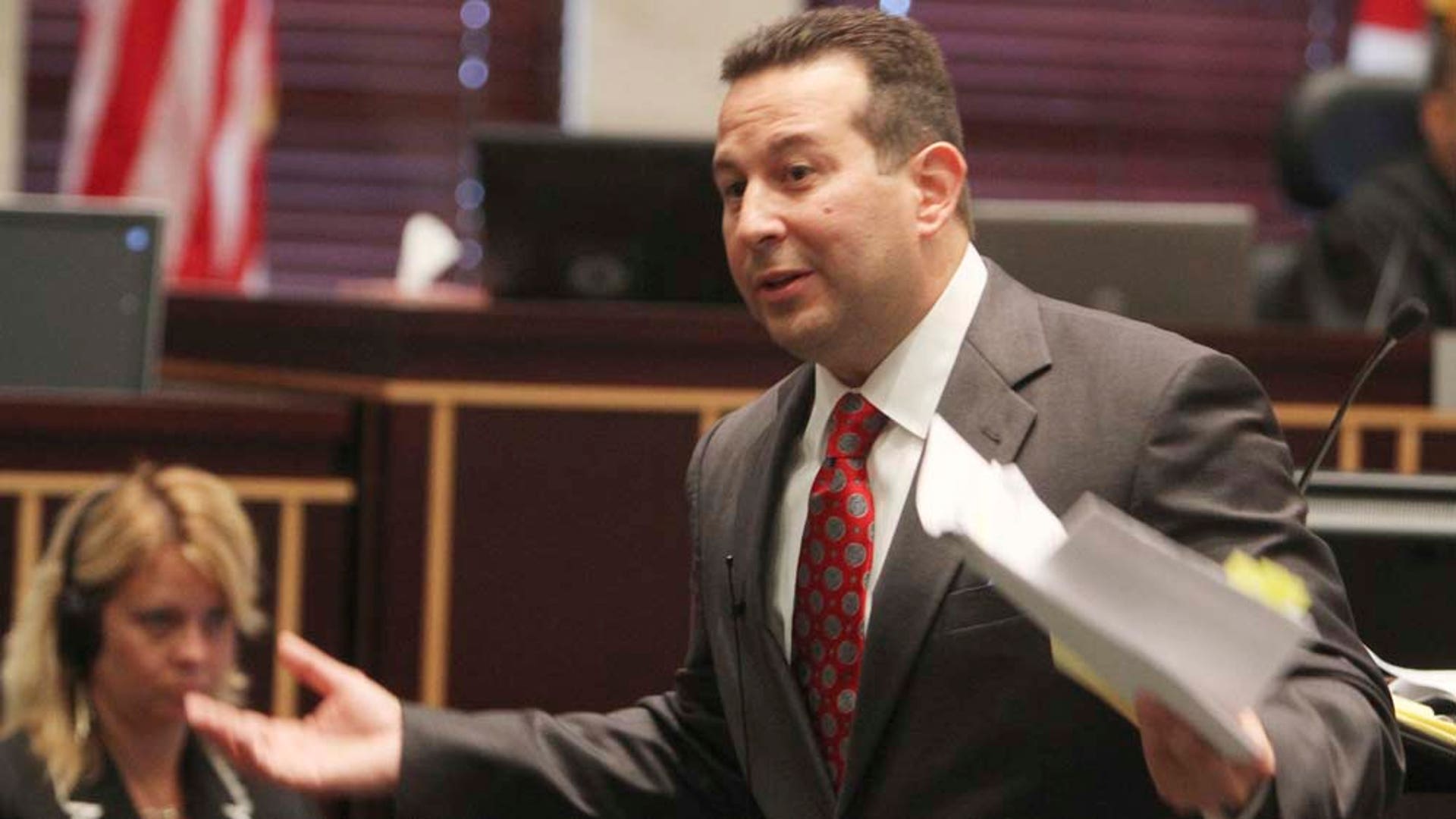
They have spoken publicly about the case and about their grief.
They described the loss of their granddaughter.
They described the verdict as painful.
No new evidence has been officially presented.
The case is closed.
That is the legal record, and it is complete.
What the record does not contain is an explanation.
It does not contain a cause of death.
It does not contain a reason the jury acquitted.
It does not contain a confession that held up under scrutiny.
The informant's testimony was attacked, and the jury heard the attack.
The public debate has not closed the way the case has.
The questions remain in the open, asked over and over in comment sections and documentaries and conversations.
Why did she lie.
Why the 31 days.
Why the acquittal.
The record offers no answer to any of them.
That would require evidence the case did not produce.
So the story sits where it landed in 2011, legally finished and publicly unresolved.
A family still in Florida.
A child still gone.
A verdict that still divides.
The case is closed.
The grief is not.
Advertisement
You may also like
The tarot card left at a D.C. sniper crime scene that said 'Call me God'
The card was on the ground at a crime scene in Montgomery County. A tarot card, face up, with a message written across it:…
The cell phone records that placed a suspect near Leakin Park — but one witness kept changing his story
January 13, 1999, was a school day. Hae Min Lee, an 18-year-old senior at Woodlawn High School in Baltimore County, Maryland, was last seen…
The parole agent who saw a sketch and stopped a car — then Polly Klaas's killer led police to her body
The parole agent saw the car first. A sketch, a tip, and a car on the road — that was the break. On November…
The cellmate tip that cracked the Clutter case after investigators ignored a footprint
The footprint was there on the night of November 15, 1959, inside the farmhouse near Holcomb, Kansas. Four members of the Clutter family were…
The cell tower records that placed Adnan Syed at Leakin Park — and the witness who changed his story
The phone call came on February 12, 1999. Baltimore County police picked up an anonymous tip that day, and the voice on the line…
76 died in the Waco fire, but no one was ever charged with starting it
The date was April 19, 1993. A fire broke out inside the Mount Carmel Center near Waco, Texas, and it killed 76 people. David…