The cell tower records that placed Adnan Syed at Leakin Park — and the witness who changed his story
The phone call came on February 12, 1999.
Baltimore County police picked up an anonymous tip that day, and the voice on the line directed them to Jay Wilds.
Wilds was a name the detectives had not yet reached on their own.
He told them that Adnan Syed had shown him Hae Min Lee's body and asked for help burying it.
Then Wilds led police to Leakin Park.
Lee's body was already there, found three days earlier, on February 9, 1999.
The call and Wilds' account set the investigation squarely on Syed.
It is the hinge on which the entire case turns.
It is also a hinge with no documented maker.
The identity of the anonymous caller is not in the record.
The exact content of that call is not in the record.
Who called, and why did that voice point to Wilds?
Was it a neighbour, a friend, a witness with a grudge?
Was it Wilds himself, getting ahead of a story he knew was coming?
That would require evidence.
The record holds a phone call, a name, and a body.
It does not hold the caller.
It does not hold the caller's motive.
What it holds is what Wilds said next, and where he walked.
The investigation followed him into Leakin Park.
The prosecution would follow him into the courtroom.
THE BODY IN THE PARK
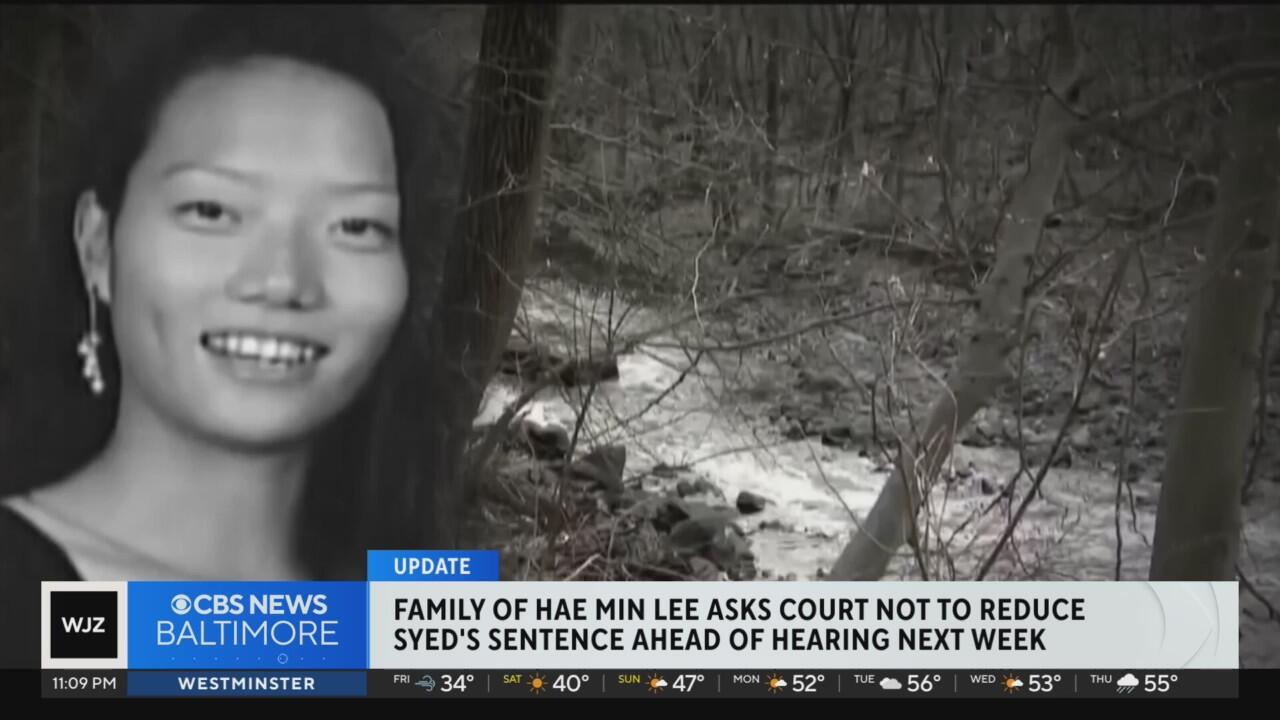
Hae Min Lee was 18 years old, a senior at Woodlawn High School.
She disappeared on January 13, 1999, after leaving school.
Her body was found on February 9, 1999, in Leakin Park, buried in a shallow grave.
The medical examiner testified that the cause of death was manual strangulation.
The exact time of death was not established.
That is a fact the record leaves open, and it stayed open through the trial.
The prosecution needed a timeline for the burial, so it built one from Jay Wilds' account and the cell phone records.
The defense argued that the timeline was built on sand.
No physical evidence linked Syed to the crime scene.
Not a fingerprint. Not a fiber. Not a hair.
The case against him rested on what people said, not on what the park gave up.
Leakin Park gave up a body.
It gave up nothing else that pointed to Adnan Syed.
The prosecution said Wilds' story was enough.
The defense said Wilds was lying.
The jury heard both, and the jury chose.
But the absence of physical evidence was never resolved.
It is not established that any physical evidence connected him to the scene.
That absence would follow the case for decades, into appeals, into a podcast, into a motion to vacate.
THE WITNESS WHO CHANGED HIS STORY
Jay Wilds was the prosecution's key witness.
He testified that Syed showed him Lee's body and asked for help burying it.
That testimony was central to the prosecution's case.
Everything else — the cell tower records, the timeline, the motive — hung off what Wilds said.
The defense argued that Wilds was lying.
They argued it in opening statements. They argued it during cross-examination. They argued it in closing.
The record shows Wilds changed his story.
What the record does not show is the specific inconsistencies between his various accounts.
The specifics of those changes are not detailed in the source.
Not because they do not exist. Because the record does not say.
The jury heard one version in court. They heard that other versions had existed.
How much weight can a shifting story carry?
How much weight should it carry?
How much weight did it carry?
That would require knowing what changed — and that is not established.
The prosecution presented Wilds as a reluctant participant who came forward.
The defense presented him as a liar with something to hide.
Both sides used the same witness. They built different men from him.
The jury chose the version that fit the state's case.
Wilds led police to Leakin Park. Lee's body was found there.
That part never changed.
THE CELL TOWER RECORDS
The cell phone records were the state's second pillar.
The prosecution argued they placed Syed in the Leakin Park area around the time of the burial.
The records came from incoming and outgoing calls on Syed's phone.
The state used them to build a timeline that matched Wilds' account.
The defense argued the records were unreliable.
Cell towers do not pinpoint a phone's exact location, the defense said at trial.
A call could connect to a tower that was not the closest one.
The records showed activity, not movement, and they showed location, not identity.
The jury heard the prosecution's interpretation.
The jury heard the defense's objections.
The jury chose the state's version.
Then, in 2022, prosecutors filed a motion to vacate.
They cited new evidence.
They cited unreliable cell phone data.
A Baltimore City Circuit Court judge vacated Syed's conviction that year.
Syed was released from prison in September 2022.
The specific technical flaws in the cell phone data are not detailed in any public record of the case.
What remains is the question the records always carried.
Did the towers place him there, or did the interpretation place him there?
That would require evidence.
The records themselves do not say.
AND THE STORY STILL ISN'T OVER
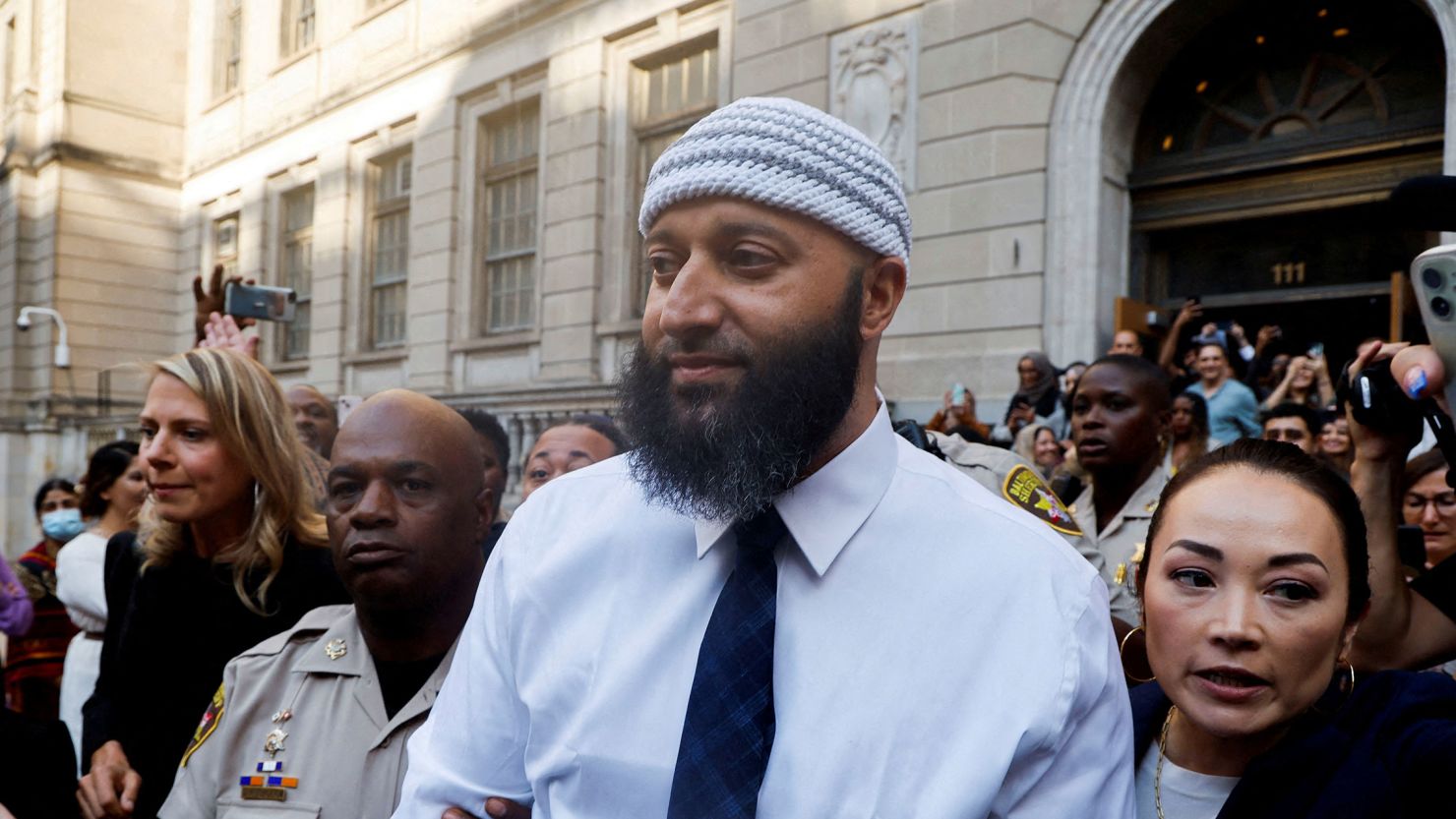
In September 2022, Adnan Syed walked out of prison.
His conviction had been vacated that same month, after prosecutors filed a motion citing new evidence and unreliable cell phone data.
By 2023, the charges were dropped entirely.
The legal case, for now, is over.
The public argument is not.
Hae Min Lee's family has continued to express their belief in Syed's guilt.
They have opposed the vacating of his conviction at every step.
The podcast "Serial" turned the case into a global phenomenon, raising questions about the reliability of the evidence.
Listeners debated the cell tower records.
Listeners debated Jay Wilds' shifting testimony.
Listeners debated what the record actually showed.
That debate continues without a verdict.
The final resolution of the legal debate is not established.
Any future proceedings are not established.
Syed is free, but he is not exonerated in the eyes of the law or the public.
The vacated conviction is not a finding of innocence.
It is a finding that the state's case no longer held.
The family believes the state's case did hold.
The case remains a subject of legal and public debate.
Not because the evidence settled it.
But because the evidence never settled it.
The towers placed him there, according to the interpretation.
The interpretation was contested.
The records themselves say nothing about guilt.
Syed is free.
The story isn't over.
Advertisement
You may also like
The tarot card left at a D.C. sniper crime scene that said 'Call me God'
The card was on the ground at a crime scene in Montgomery County. A tarot card, face up, with a message written across it:…
The cell phone records that placed a suspect near Leakin Park — but one witness kept changing his story
January 13, 1999, was a school day. Hae Min Lee, an 18-year-old senior at Woodlawn High School in Baltimore County, Maryland, was last seen…
The parole agent who saw a sketch and stopped a car — then Polly Klaas's killer led police to her body
The parole agent saw the car first. A sketch, a tip, and a car on the road — that was the break. On November…
The cellmate tip that cracked the Clutter case after investigators ignored a footprint
The footprint was there on the night of November 15, 1959, inside the farmhouse near Holcomb, Kansas. Four members of the Clutter family were…
The jailhouse informant's testimony that could not save Casey Anthony
She sat in the witness box and testified that Casey Anthony had made incriminating statements while in jail. Her name was Robyn Adams, a…
76 died in the Waco fire, but no one was ever charged with starting it
The date was April 19, 1993. A fire broke out inside the Mount Carmel Center near Waco, Texas, and it killed 76 people. David…