The boat bought days before Laci vanished — and the alibi that unraveled in court
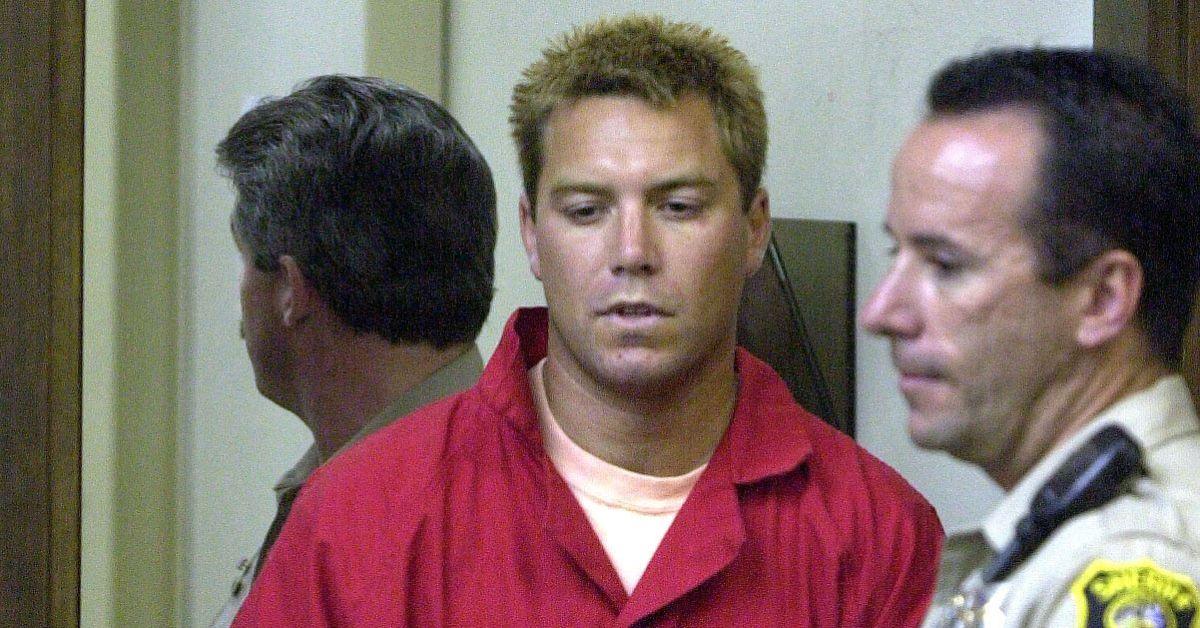
The mop sat in the garage of the Modesto home, and next to it, a boat trailer with fresh paint.
Police found both during the missing-person investigation.
Scott Peterson told them he had gone fishing alone at the Berkeley Marina on the morning of December 24, 2002.
Detectives later learned he had bought a boat days before his pregnant wife vanished.
A 14-foot aluminum fishing boat.
The prosecution would hinge its case on that boat and the timing of its purchase.
Why would a man buy a boat days before his wife disappears?
Why would he paint the trailer in the garage, where anyone could see?
Why would he claim a solitary fishing trip on the very morning she went missing?
The record documents the purchase. The record documents the paint. The record does not document the purpose.
A theory circulates online about a suspicious van seen in the neighborhood that day.
The defense raised it. No credible alternative suspect was ever established.
That van theory is not a fact established by the record.
The boat, the trailer, the mop — those were found.
The alibi was offered. The jury would hear what came next.
DECEMBER 24 — THE MORNING
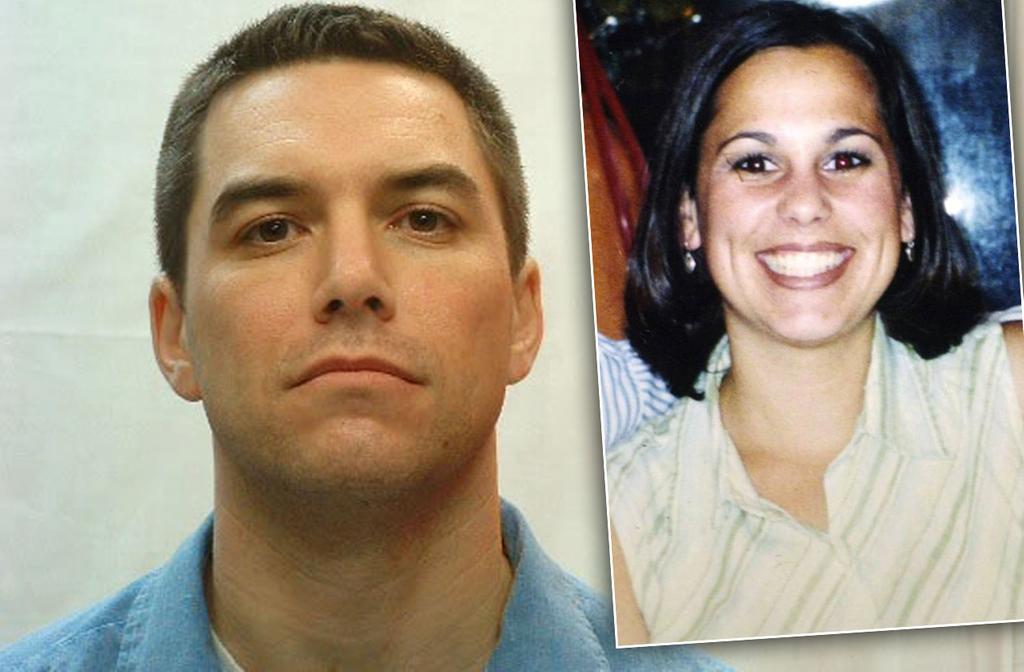
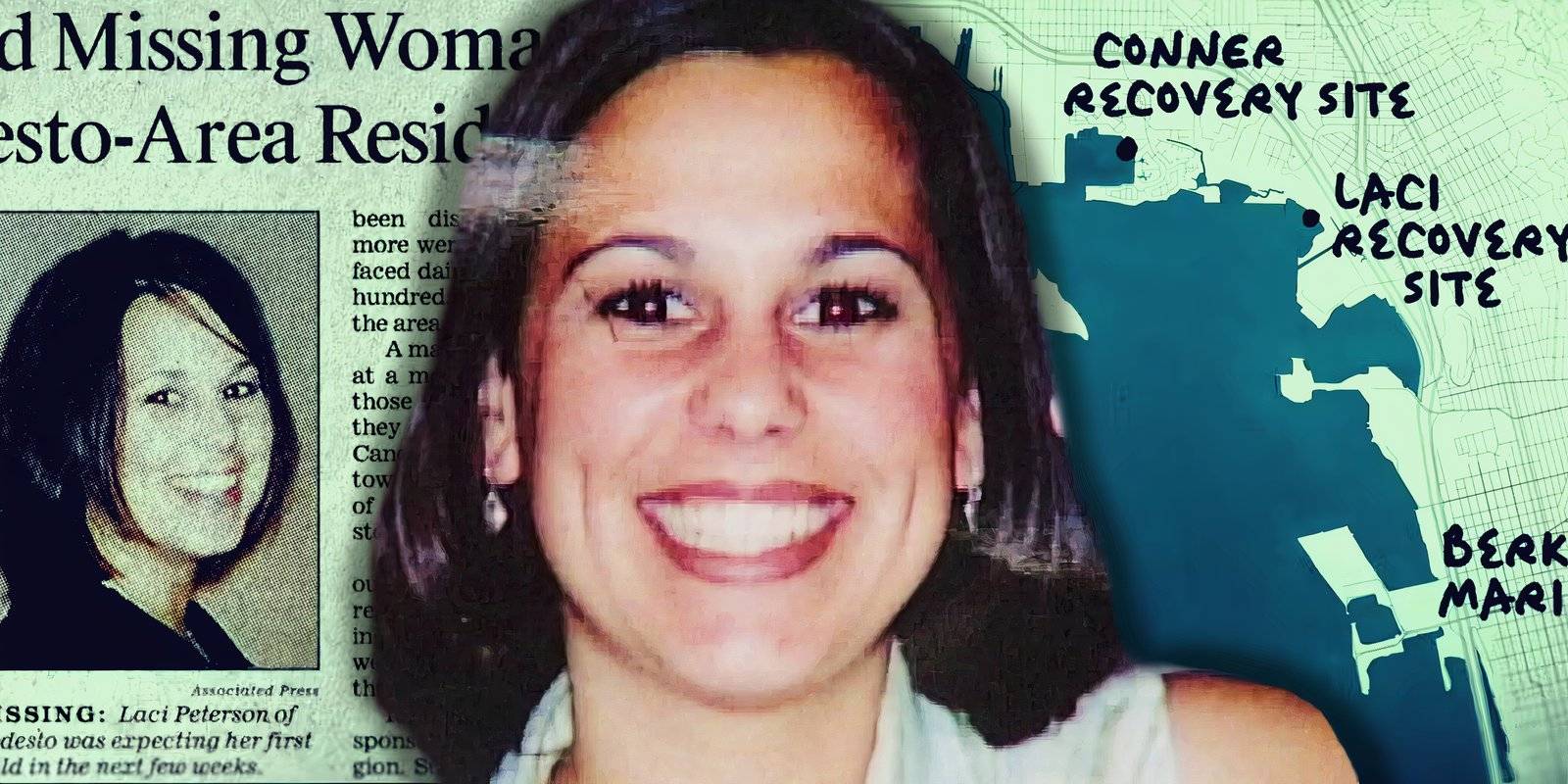
Laci Peterson, 27 and pregnant, disappeared from her home in Modesto on December 24, 2002.
Her husband, Scott Peterson, reported her missing that evening.
That morning, Scott claimed, he had gone fishing alone at the Berkeley Marina.
A 14-foot aluminum fishing boat, purchased days before the disappearance.
In the garage, police found a mop and a freshly painted boat trailer.
The paint was fresh. The trailer was clean.
The claim was simple: a man, a boat, a morning alone on the water.
The record would complicate it.
Phone records and testimony would later contradict his account of that morning.
What exactly happened in the hours before the disappearance is not in the record.
The timeline feels off. Nothing is proven yet.
The prosecution would build its case on circumstance: the boat purchase, inconsistent statements, the location where the bodies washed ashore.
That location was near the Berkeley Marina.
The same marina where Scott said he had been fishing.
Not because he was seen there. Because the bodies were found near it.
The mop in the garage. The freshly painted trailer. The boat bought days before.
:max_bytes(150000):strip_icc():focal(999x0:1001x2)/laci-peterson-family-2-d60dbe78a8384fc4b387604161b69e09.jpg)
Each piece was found. Each piece was examined.
The lead detective would testify about what the home yielded.
The prosecution would argue the pieces fit together.
The defense would argue they were just pieces, nothing more.
She was on the ground below, the prosecution would say, in the bay.
The marina gives the case its geography.
The boat gives it its means.
The mop gives it its question.
Why paint a trailer days before your pregnant wife vanishes?
Why buy a boat at all?
The record does not answer those questions. It only holds them.
THE OTHER WOMAN AND THE TAPES
Amber Frey came forward in January 2003, after she learned Laci was missing.
She was a massage therapist. She had been in a romantic relationship with Scott Peterson while Laci was missing.
Her recorded phone calls with him were played for the jury.
In those calls, he lied about his whereabouts. He lied about his relationship status.
He told her he had "lost his wife" — before Laci was reported missing.
The timeline of the relationship is not fully documented in the source. What is documented is the call. What is documented is the lie.
The defense argued Laci had been abducted and killed by strangers while walking the dog.
The defense argued Scott was a victim of police bias.
They pointed to a suspicious van seen in the neighborhood. No credible alternative suspect was ever established.
The jury heard the tapes. The jury heard the lie about the wife.
Why tell a woman you "lost" your wife before anyone knew she was gone?
Why say it on a recording that would one day play in a courtroom?
The record holds the call. It does not hold an answer.
She was on the other end of the line. He was the one talking.
THE TRIAL AND THE VERDICT
The trial began on June 1, 2004, in Redwood City, after a change of venue from Modesto.
The move came because of pretrial publicity.
The prosecution presented over 170 witnesses over several months.
The defense called fewer witnesses.
The defense argued the case was entirely circumstantial.
:max_bytes(150000):strip_icc():focal(749x0:751x2)/Laci-and-Scott-Peterson-081224-255c69408379478482d3a927e5d377ee.jpg)
A suspicious van seen in the neighborhood was part of that argument.
No credible alternative suspect was ever established.
The full defense argument is not detailed in the record.
The judge's name is not in the record either.
What the record does hold is the verdict.
On November 12, 2004, the jury found Scott Peterson guilty of first-degree murder for Laci's death.
The same jury found him guilty of second-degree murder for Conner's death.
The same jury voted for the death penalty.
On March 16, 2005, the judge sentenced him to death by lethal injection.
That sentence would not stand.
But on that day, in that courtroom, it landed.
The verdict was closure.
It was also not the end.
AND THE STORY STILL ISN'T OVER
In 2020, the California Supreme Court overturned Scott Peterson's death sentence.
The ruling was specific: the trial judge had erred in dismissing a juror who said she opposed the death penalty.
:max_bytes(150000):strip_icc():focal(749x0:751x2)/menendez-brothers-Habeas-Petition-Hearing-Mark-Geragos-112524-e669aa188f024ab28e5afd9927b960ca.jpg)
The court upheld the murder convictions.
It ordered a new penalty phase.
In December 2021, a judge resentenced Scott Peterson to life in prison without the possibility of parole.
The convictions stand.
The punishment was still being litigated.
As of 2024, Peterson remains incarcerated.
He was moved from San Quentin State Prison to Mule Creek State Prison.
Sharon Rocha, Laci's mother, continues to advocate for victims' rights.
The case remains one of the most heavily covered trials in American legal history.
The verdict was closure.
It was also not the end.
What comes next for the penalty phase?
What motion is pending?
What date is on the calendar?
That would require evidence the record does not provide.
The specific next court date or pending motion is not established in the record.
So the story holds its tension.
A man convicted of two murders sits in prison.
A family waits.
A legal process moves at its own pace.
Advertisement
You may also like

One body in a vacant lot, and the last call Elizabeth Short ever made
She was found at 39th Street and Norton Avenue, in a vacant lot in the Leimert Park area of Los Angeles. A woman walking…
The neighbor's camera that contradicted Christopher Watts's timeline — and the confession that followed
A neighbor’s security camera saw Shanann’s blue Ford Escape leave the home that morning. Christopher Watts told police he left for work at 5:15…
The Ryder truck axle that cracked the Oklahoma City bombing case
The rear axle of the Ryder truck came to rest somewhere in the rubble, and the record does not specify exactly where. It was…
The ransom money that led police to a carpenter's garage — and the ladder that wouldn't fit the story
The gold certificate bill was spent at a gas station. It was September 1934, more than two years after the kidnapping. The attendant noticed…
The waiter who returned sunglasses and never came home: Ronald Goldman's last errand
A pair of sunglasses left at a restaurant. A waiter running them back to the owner's daughter. On the night of June 12, 1994,…
The blood-stained knife found in Arthur Leigh Allen's home that never sealed the Zodiac case
The knife came out of Arthur Leigh Allen’s home in 1991, and it was bloody. A Vallejo task force found it during a search…