The waiter who returned sunglasses and never came home: Ronald Goldman's last errand
A pair of sunglasses left at a restaurant.
A waiter running them back to the owner's daughter.
On the night of June 12, 1994, Ronald Goldman went to return them to Nicole Brown Simpson's condominium on Bundy Drive in Brentwood, Los Angeles.
He never came home.
Around midnight, a neighbor walking her dog found the bodies.
Nicole Brown Simpson and Ronald Goldman were stabbed to death outside her condominium.
Both had been killed with a knife.
Goldman had suffered multiple stab wounds and defensive wounds.
The murder weapon was never recovered.
That is what the record documents: the errand, the bodies, the wounds, the missing knife.
What the record does not establish here is who killed them.
How does a good deed — returning a forgotten item — end on the ground outside a condominium?
How does a short walk become a defensive wound?
How does a waiter's last act become a case that never yields its weapon?
That would require evidence the scene did not provide.
The killer's identity is not established in this section.
The sunglasses were returned.
He was not.
THE DISCOVERY
Around midnight, a neighbor walking her dog found the bodies outside Nicole Brown Simpson's condominium on Bundy Drive.
Police arrived shortly after.
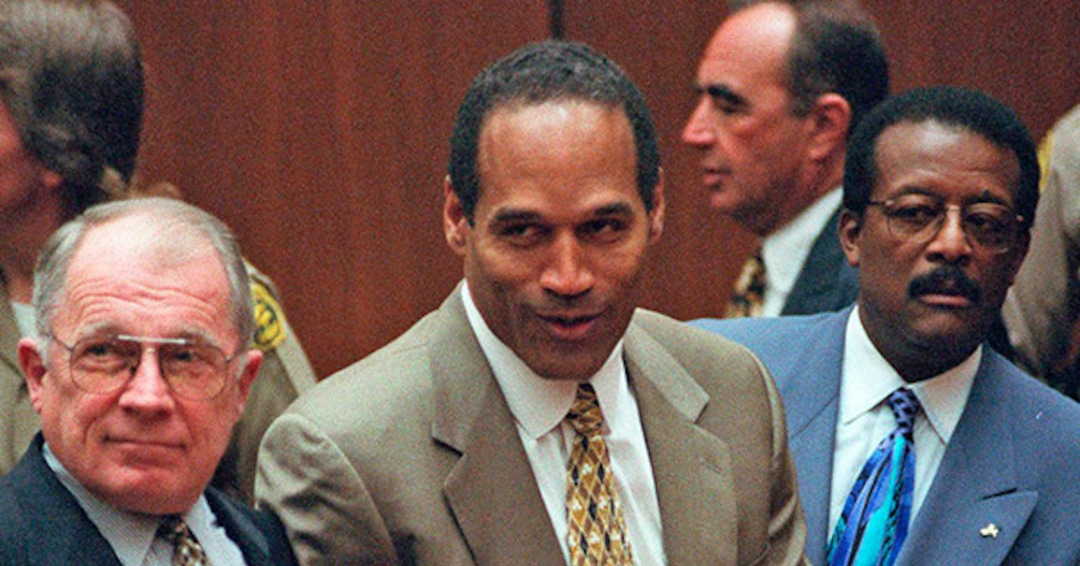
Lead detectives Philip Vannatter and Tom Lange took charge of the investigation, according to the case records.
They drove to O.J. Simpson's nearby Rockingham estate.
He was not there.
He was later contacted at a hotel.
At the scene, investigators found a bloody glove.
A matching glove was found at Simpson's property.
The prosecution's case leaned heavily on DNA evidence, linking Simpson to blood found at the scene and in his vehicle and home.
The defense attacked how that evidence was handled.
They pointed at criminalist Dennis Fung, arguing the police had mishandled or contaminated samples.
What time the murders happened is not established.
The exact sequence of that night remains open.
The record shows the bodies were found around midnight.
It does not show when the knife was used.
The knife was never recovered.
The glove was found.
The glove was matched.
The DNA was presented.
The defense said the science was dirty.
The prosecution said the science was clear.
Both sides had experts.
Both sides had theories.
The timeline did not.

That would require evidence the case never produced.
The neighbor walked her dog.
She saw what she saw.
The detectives arrived.
They found what they found.
The suspicion was immediate.
So was the uncertainty.
THE TWO STORIES
The prosecution told one story.
Led by two deputy district attorneys, it was a story of rage.
Simpson, they argued, killed his ex-wife and the waiter in a fury.
They presented his history of domestic violence against her.
Her sister testified about what she had seen.
The defense told another story.
The "Dream Team" — four prominent attorneys — argued the police had mishandled the evidence.
They raised allegations of racism against the LAPD.
They focused on detective Mark Fuhrman, the man who found the glove at Simpson's estate.
Fuhrman's credibility was damaged when tapes surfaced of him using racial slurs.
The defense also argued the blood evidence was contaminated.
Two stories, one set of facts.
The trial began in January 1995.
It lasted nearly nine months.
Judge Lance Ito presided.
On October 3, 1995, the jury acquitted Simpson of both murder charges.
Not because the stories were equal.
Because the doubt was enough.
What the criminal trial does not establish is Simpson's guilt or innocence.
That question was left open by the verdict.
It is a matter of record that he was charged.
It is a matter of record that he was acquitted.
What actually happened on Bundy Drive that night remains a matter of argument.
THE FAMILY'S VOICE
The waiter’s father became a public face of the trial.
His sister did too.
They spoke often, to cameras, to reporters, to anyone who would listen.
Their exact words are not in the record.
What is in the record is the civil case they pursued.
In 1997, a civil jury in Santa Monica found O.J. Simpson liable for the wrongful deaths of Nicole Brown Simpson and Ronald Goldman.
The jury awarded $33.5 million in damages to the families.
It is a verdict. It is not a criminal conviction.
Simpson was acquitted of the murders in 1995.
The civil judgment did not erase that.
Nicole’s sister testified at the criminal trial.
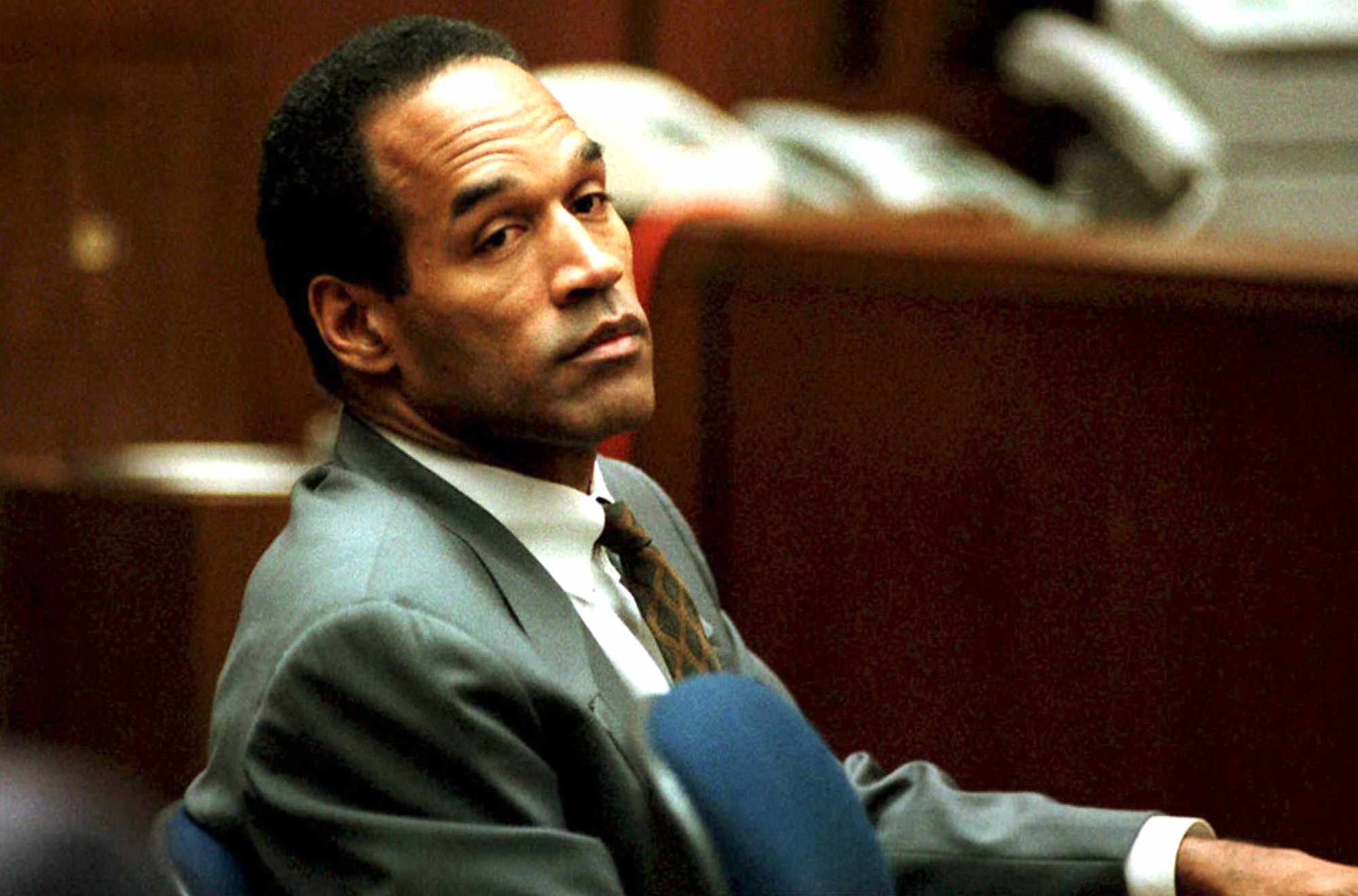
She described what she had seen.
She became a vocal advocate for domestic violence awareness.
The families kept pressing.
They pursued the civil judgment for years.
They kept speaking.
Simpson was convicted in 2008 in Las Vegas on charges of armed robbery and kidnapping.
He was sentenced to 9 to 33 years.
He was released on parole in October 2017.
The civil judgment remained.
The families continued to pursue it.
The father’s grief was ordinary.
It was public.
It was documented in the judgment and the appeals, not in his own words.
That is all the record shows.
AND THE STORY STILL ISN'T OVER
He died on April 10, 2024, at age 76, after a battle with cancer.
The criminal case had been over for decades by then.
The civil judgment was not.
The family of the waiter continued to pursue the $33.5 million judgment against him.
They kept speaking publicly about the case and the money owed.
Nicole Brown Simpson's family, including her sisters, remained involved in domestic violence advocacy.
They testified then.
They still speak now.
The murder weapon was never recovered.
A knife killed two people, and the knife is gone.
That fact has never changed.
The case remains a subject of public fascination and debate.
Documentaries ask the questions again.
Podcasts re-litigate the evidence.
Commenters argue the verdict on every anniversary.
None of that changes what the record shows.
The identity of the killer is not established by the record.
The waiter's family does not treat Simpson's death as an ending.
They have said the judgment was about accountability, not closure.
They continue to speak about their son and brother, and about what they believe is owed.
Nicole's family continues to speak about domestic violence, the issue they say the case brought into the open.
The families carry the case forward.
The case carries them, too.
A man died.
A judgment remains unpaid.
A weapon remains missing.
A killer remains unidentified by the record.
The story is public.
It is documented.
It is not over.
Advertisement
You may also like
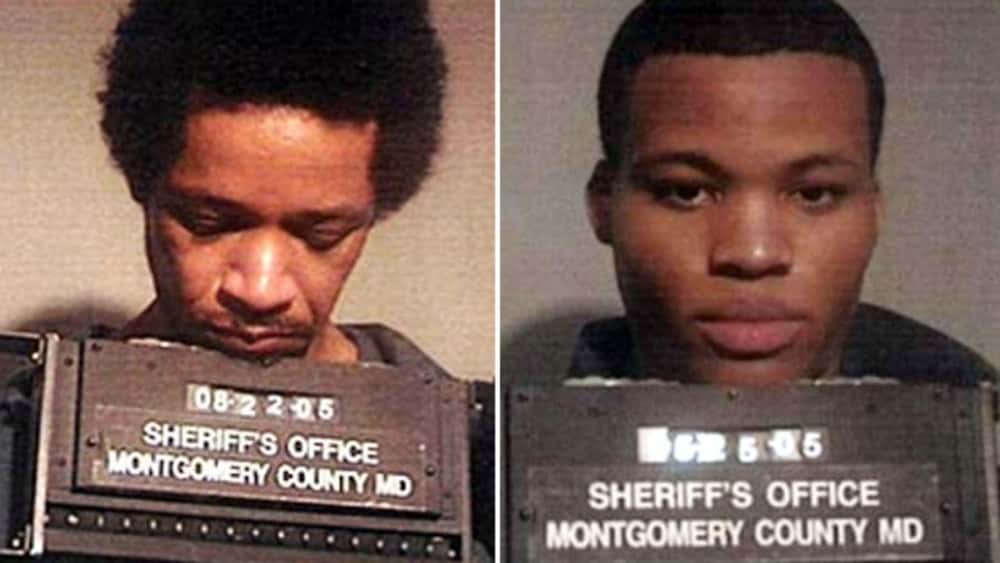
The tarot card left at a D.C. sniper crime scene that said 'Call me God'
The card was on the ground at a crime scene in Montgomery County. A tarot card, face up, with a message written across it:…
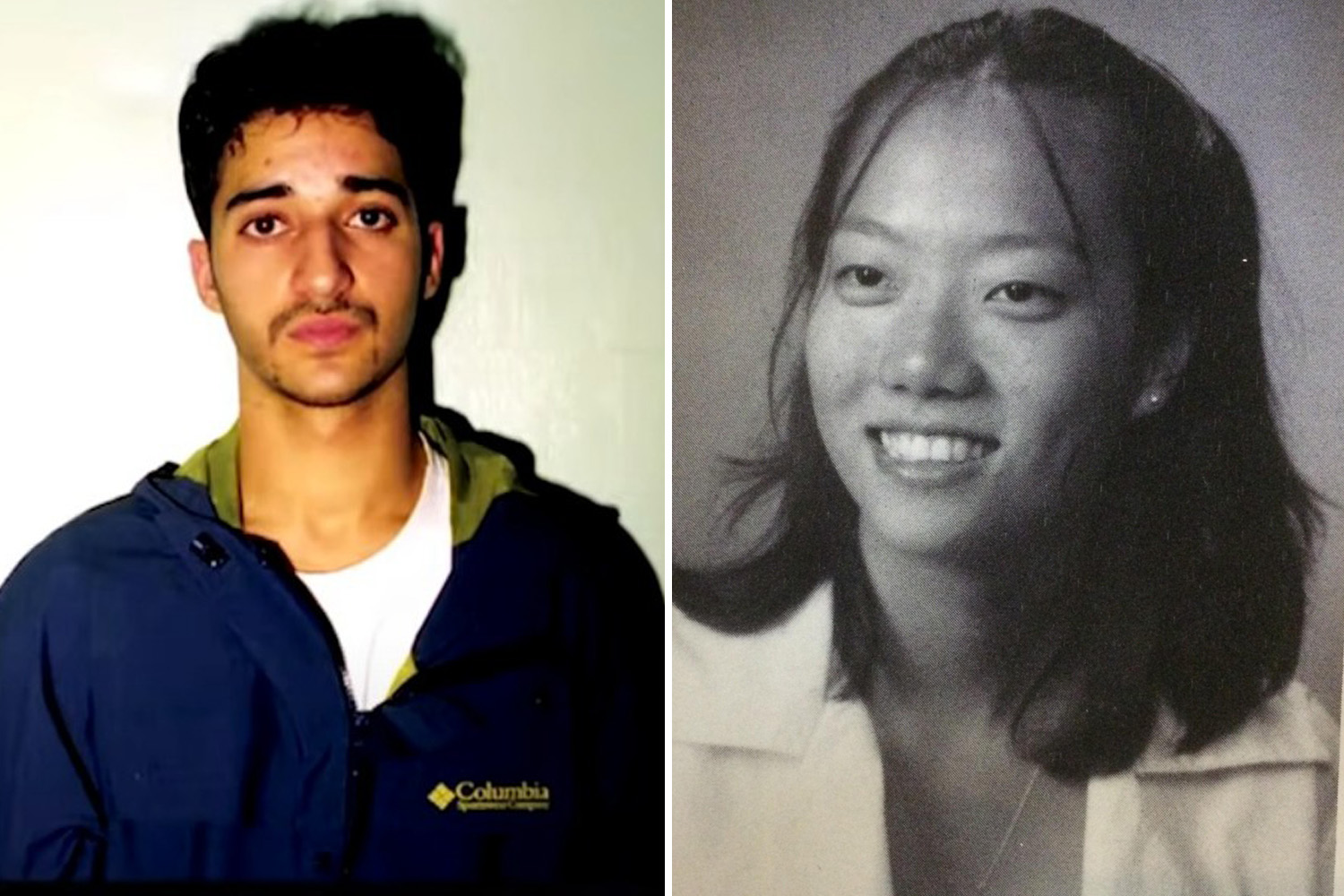
The cell phone records that placed a suspect near Leakin Park — but one witness kept changing his story
January 13, 1999, was a school day. Hae Min Lee, an 18-year-old senior at Woodlawn High School in Baltimore County, Maryland, was last seen…
The parole agent who saw a sketch and stopped a car — then Polly Klaas's killer led police to her body
The parole agent saw the car first. A sketch, a tip, and a car on the road — that was the break. On November…
The cellmate tip that cracked the Clutter case after investigators ignored a footprint
The footprint was there on the night of November 15, 1959, inside the farmhouse near Holcomb, Kansas. Four members of the Clutter family were…
The cell tower records that placed Adnan Syed at Leakin Park — and the witness who changed his story
The phone call came on February 12, 1999. Baltimore County police picked up an anonymous tip that day, and the voice on the line…
The jailhouse informant's testimony that could not save Casey Anthony
She sat in the witness box and testified that Casey Anthony had made incriminating statements while in jail. Her name was Robyn Adams, a…