One body in a vacant lot, and the last call Elizabeth Short ever made
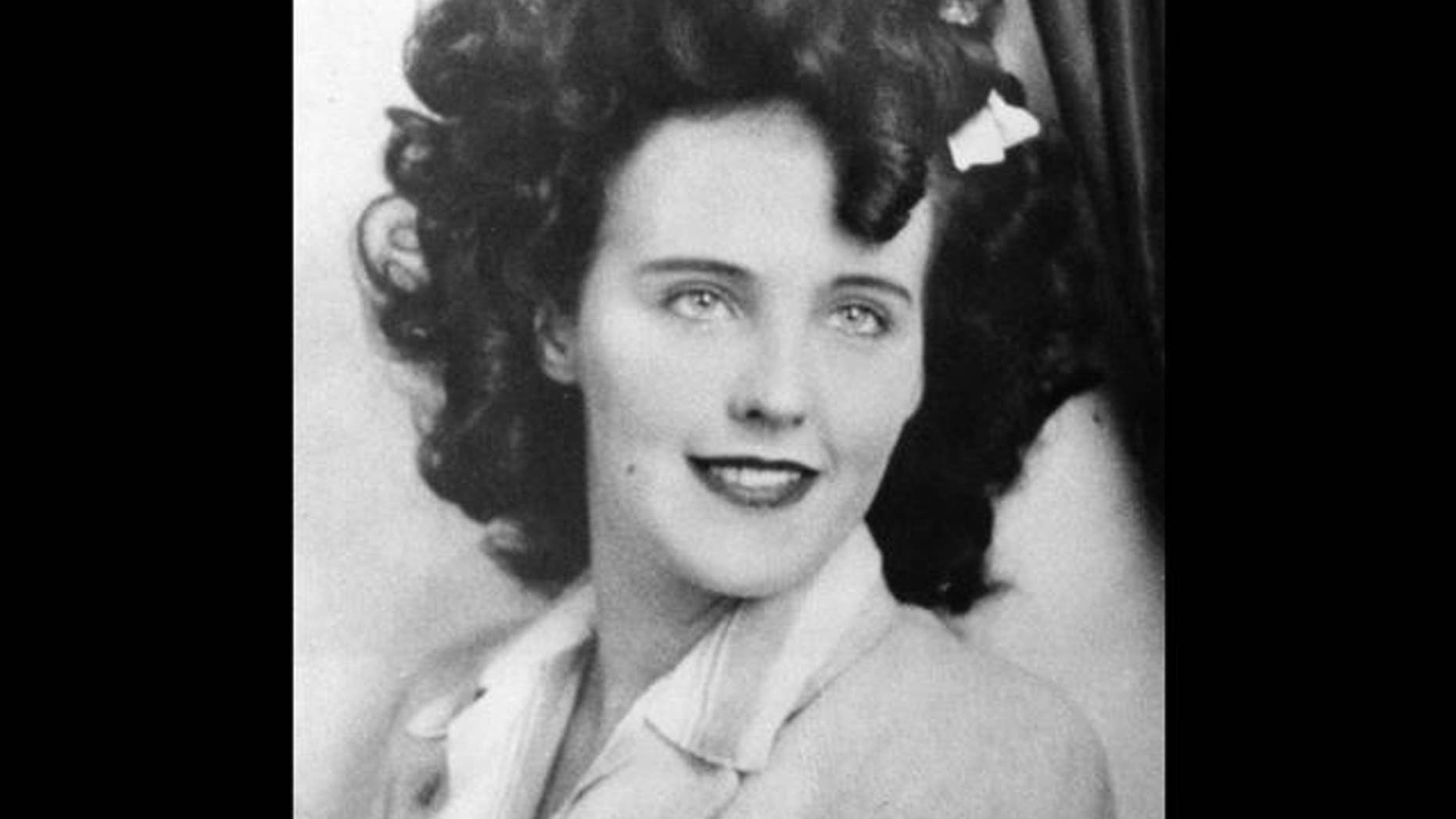
She was found at 39th Street and Norton Avenue, in a vacant lot in the Leimert Park area of Los Angeles.
A woman walking with her child saw her first, and she thought it was a mannequin.
It was the morning of January 15, 1947.
The body belonged to Elizabeth Short, 22, an aspiring actress known as the "Black Dahlia."
She had been severed at the waist.
She had been drained of blood.
She had been posed.
The exact time of death is not established.
The killer's identity is not established.
Short had last been seen alive on January 9, 1947.
Six days passed between that sighting and the morning in the lot.
She was on the ground below, arranged where anyone might stumble on her.
Not buried.
Not hidden.
A mannequin, the woman thought, before she realised what a mannequin could not be.
The case would become one of the most famous unsolved murders in American history.
No one has ever been charged.
No trial followed.
No verdict was ever read.
The lot was ordinary, the morning was ordinary, and the woman was walking her child to somewhere ordinary.
What happened in those six days remains a question the record leaves open.
That would require evidence.
THE LAST KNOWN SIGHTING
She was last seen alive on January 9, 1947.
The last known person to see her was Robert "Red" Manley, a salesman who had driven her to Los Angeles.
He dropped her at the Biltmore Hotel, according to the record, and then he went home.
She was found six days later.
The medical examiner determined the cause of death was hemorrhage from multiple wounds.
The exact time of death is not established.
The murder weapon was never identified.

Manley's name carried weight from the start.
Police questioned him extensively, and reporters printed his name without hesitation.
He was publicly suspected.
He passed polygraph tests, and he provided a credible alibi.
Detectives cleared him, and the record holds no charges against him.
He was the last known person to see her alive.
That is what the record establishes.
It is a narrow window: January 9 to January 15.
What happened inside it remains a question the record leaves open.
That would require evidence.
THE MASSIVE INVESTIGATION
The Los Angeles Police Department conducted a massive investigation.
Detectives were assigned as lead investigators, and the case drew enormous media attention.
Aggie Underwood of the Los Angeles Herald-Express reported extensively on the murder.
Police received hundreds of tips.
Police also received numerous false confessions.
The lack of physical evidence hampered the investigation.
The chaotic nature of the case attracted hoaxers and attention-seekers.
The killer's identity is not established.
No suspect was ever arrested or charged.
The medical examiner determined the cause of death was hemorrhage from multiple wounds.
The exact time of death was never established.
The murder weapon was never identified.
No charges were ever filed.
There was no trial.
There was no prosecution.
There was no defence.
There was no judge.
The Los Angeles County District Attorney's Office reviewed the evidence.
It found insufficient grounds to prosecute anyone.
Robert "Red" Manley, the last known person to see Short alive, was questioned extensively.
He was cleared after passing polygraph tests and providing a credible alibi.
The flood of noise and false leads drowned out any signal.
That would require evidence.
THE ACCUSATIONS THAT STUCK
The case remains officially unsolved.
No one was ever charged with the murder of Elizabeth Short.
There was no trial.
There were no key witnesses to call, no defence to mount, and no verdict to deliver.
The Los Angeles County District Attorney's Office reviewed the evidence but found insufficient grounds to prosecute anyone.
That would require evidence.
Over the decades, numerous books, films, and documentaries have examined the case.
Several individuals have been posthumously accused by authors and amateur investigators.
Those accusations are not established by the record.
No charges have ever been filed.
The Los Angeles Police Department has periodically reviewed the case but has not identified a definitive suspect.
The investigation was hampered by the lack of physical evidence and the chaotic nature of the case, which attracted hoaxers and attention-seekers.
Police received hundreds of tips and numerous false confessions.
The flood of noise and false leads drowned out any signal.
A journalist named Aggie Underwood covered the case extensively for the Los Angeles Herald-Express.
She reported on a case that produced no arrest and no suspect brought before a judge.
Robert "Red" Manley, the last known person to see Short alive, was questioned extensively.
He was cleared after passing polygraph tests and providing a credible alibi.
That would require evidence.
No definitive suspect has been identified.
The posthumous accusations remain unproven claims.
The story persists, but the record does not.
AND THE STORY STILL ISN'T OVER
There was no trial. No suspect was ever arrested or charged with the murder of Elizabeth Short. The Los Angeles County District Attorney's Office reviewed the evidence but found insufficient grounds to prosecute anyone. The case was never officially closed but remains an open, unsolved homicide. No next concrete step is in the record; the case remains open with no pending hearing, motion, or decision.
Elizabeth Short was buried at Mountain View Cemetery in Oakland, California. Her mother, who lived in Massachusetts, never saw her daughter's body and maintained hope for decades that Elizabeth was alive. That hope was a kind of permanence. Not because the record supported it. But because the record never closed.
The case continues to be one of the most notorious unsolved murders in American history. It is a name in books, a subject in films, a question in documentaries. It is also an open file. A folder with no final entry. A homicide with no defendant, no verdict, no appeal. The posthumous accusations remain unproven claims. The story persists, but the record does not.
Advertisement
You may also like
Why a cotton gin fan tied with barbed wire still haunts a Mississippi courtroom 70 years on
The cotton gin fan came up with the body on August 31, 1955, tied to the neck with barbed wire. The fan was a…
The voice that cracked the Smart abduction case open after nine months
The knife was at Elizabeth Smart’s throat, and her younger sister, in the same bed, heard the voice. The sister pretended to sleep. It…
The 31-day delay that hid a child's disappearance and the search that changed everything
The 911 call came on July 15, 2008, from a grandmother in Orlando, Florida. Cindy Anthony told the operator her 2-year-old granddaughter, Caylee Anthony,…
The courtroom chaos that let a convicted doctor walk free
The lake house was unlocked. Inside, on the night of July 4, 1954, Marilyn Sheppard lay bludgeoned to death in the upstairs bedroom. She…
The deleted QuickBooks invoices that placed a business associate at the McStay murders
On the night the McStay family disappeared, someone logged into Joseph McStay’s QuickBooks accounting software. The login deleted invoices and other records. A forensic…
The fiber evidence that tied Wayne Williams to two murders — and the defense's claim it was a setup
The stakeout was on the river, and the river was dark. On May 22, 1981, police heard a splash in the Chattahoochee. They saw…