The 31-day delay that hid a child's disappearance and the search that changed everything
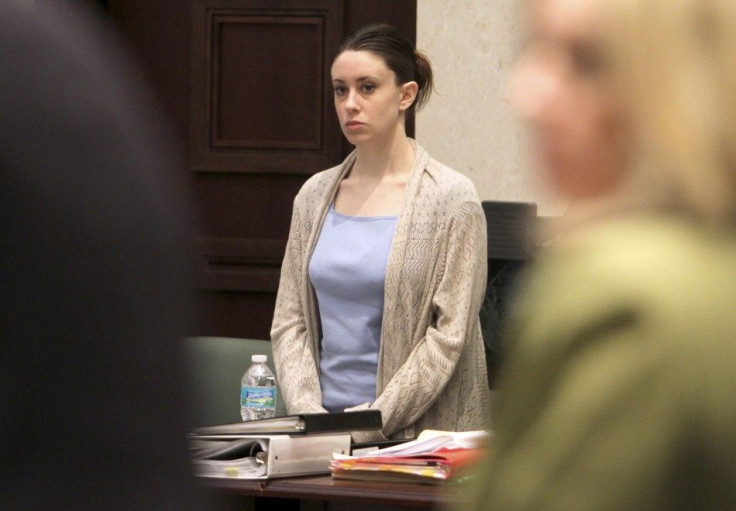
The 911 call came on July 15, 2008, from a grandmother in Orlando, Florida.
Cindy Anthony told the operator her 2-year-old granddaughter, Caylee Anthony, was missing.
She also said Casey Anthony's car smelled of decomposition.
Casey Anthony admitted she had not seen Caylee for 31 days before that call.
For 31 days, she had told her parents the child was with a babysitter.
The babysitter's name was Zenaida Fernandez-Gonzalez.
Investigators later determined no such person existed.
What happened to Caylee during those 31 days is not established by the record.
The record shows only the delay, the odor, and the name that was not real.
Why did no one call sooner?
Why did the mother wait a month?
Why did the car smell the way it did?
That would require evidence the case file does not provide.
The call began the investigation.
It began with a missing child and a grandmother's voice on the line.
It began 31 days after the child was last seen.
THE CAR TRUNK AND THE PHANTOM BABYSITTER
The lead detective was Yuri Melich of the Orange County Sheriff's Office.
He followed the car first.
Casey's Pontiac Sunfire sat in a tow lot, and Melich opened the trunk.
The odor hit him there.
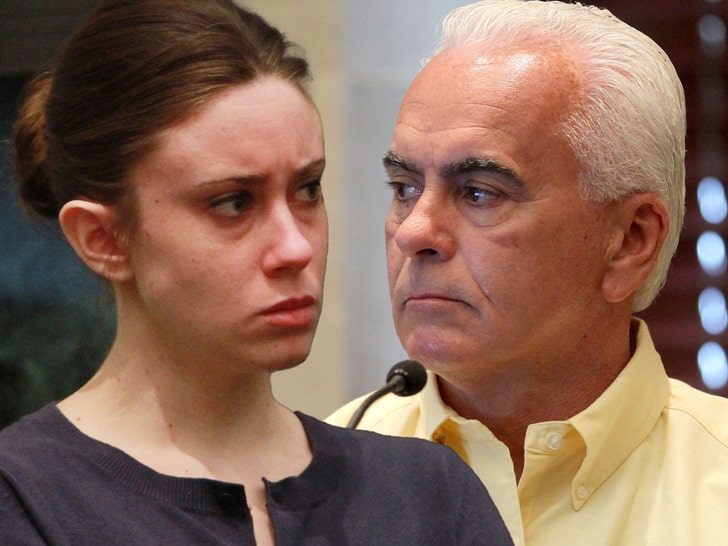
Detectives found a strong odor of decomposition in the car, parked and waiting at the lot.
The car was impounded.
It was tested.
Forensic testing of the trunk revealed traces of chloroform and human decomposition.
The chloroform was there.
The source of the chloroform was not established.
It was disputed at trial, argued over by experts, and the record does not resolve where it came from.
Not because the testing was sloppy.
Because the science could not say.
Melich turned from the trunk to the story Casey told.
She said Caylee was with a babysitter.
The babysitter had a name: Zenaida Fernandez-Gonzalez.
No such person was found.
Investigators looked.
They searched records, they searched databases, they searched for a woman who did not appear.
The story collapsed under the weight of the paperwork.
It is one thing to smell what a trunk holds.
It is another to hold a name that leads nowhere.
The chloroform traces were physical.
The phantom babysitter was narrative.
Both pointed the same way.

The car said something had been in that trunk.
The story said the child was with someone who was not there.
Melich had the car.
He had the odor.
He had the name that did not exist.
What he did not have was Caylee.
THE SEARCH AND THE REMAINS
On December 11, 2008, a utility worker found skeletal remains in a wooded area about a quarter-mile from the Anthony home.
The remains were identified as Caylee Anthony.
The medical examiner could not determine the cause of death due to decomposition.
She ruled it a homicide based on the circumstances, she testified.
Not because the body said how Caylee died.
Because the body said where she had been, and how long she had been there.
The search had taken 149 days from the 911 call to the discovery.
It had taken 31 days for anyone to report her missing at all.
A forensic analysis of Casey's computer showed searches for the term "foolproof suffocation" on the family computer in March 2008, a forensic analyst from the Orange County Sheriff's Office testified.
The defense argued the search could have been made by someone else.
Who made the search is not established.
What the record shows is a search term, a date, and a computer in a shared home.
The prosecution pointed to the term as planning.
The defense pointed to the household as access.

The odor in the trunk pointed to a body.
The chloroform traces pointed to something else, though the source was disputed at trial.
The remains pointed to a conclusion, but not to a cause.
Was it suffocation?
Was it drowning?
Was it an accident covered up?
That would require evidence the body no longer held.
She was found a quarter-mile from home.
She was found by a man doing his job.
The case had an answer to where.
It never got an answer to how.
TWO STORIES, ONE JURY
The prosecution said she killed her daughter to live a carefree life.
They pointed to the chloroform in the trunk.
They pointed to the computer searches for "foolproof suffocation."
The defense said the child drowned in the family pool.
An accident, they argued, and then a panicked cover-up.
Casey said her father helped dispose of the body.
George Anthony denied that under oath.
He testified about his own conduct.
The defense brought Dr. Henry Lee, who testified about the handling of the evidence.
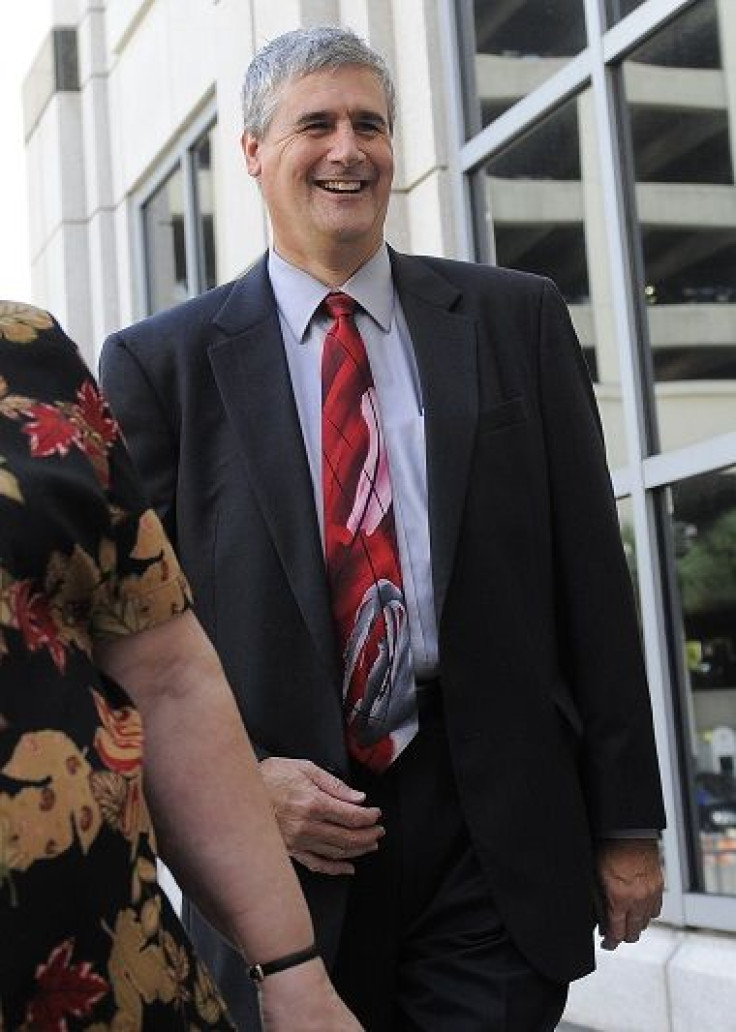
He criticized how it was collected.
He criticized how it was preserved.
Two stories, one jury.
One said a mother planned a death.
One said a family hid a tragedy.
The trial began May 3, 2011.
It lasted six weeks.
The jury heard the chloroform.
The jury heard the searches.
The jury heard the 31 days.
The jury heard the dead-end babysitter who never existed.
Which story is true is not established by the record.
The record shows a verdict, not a truth.
The verdict is the only documented outcome.
The burden of proof was theirs to carry.
The burden of proof was heavy.
The burden of proof was not met, in the end.
AND THE STORY STILL ISN'T OVER
The jury returned on July 5, 2011.
They acquitted Casey Anthony of first-degree murder, aggravated child abuse, and aggravated manslaughter.
She was convicted of four misdemeanor counts of providing false information to law enforcement.
/jose-baez-1-c5cc5e9bf1ef40618009a54f4c07593e.jpg)
The judge sentenced her to time served plus a $4,000 fine.
She was released on July 17, 2011.
The burden of proof was not met, in the end.
What actually happened to Caylee remains unestablished.
Casey has maintained her innocence.
She has lived largely out of the public eye, with occasional media interviews.
No other person has been charged in Caylee's death.
The prosecution argued she killed her daughter to live a carefree life.
The defense argued an accidental drowning and a cover-up.
The jury heard the chloroform traces.
The jury heard the computer searches for "foolproof suffocation."
The jury heard the odor in the car trunk.
The jury heard the 31-day gap.
The verdict did not answer the question of what happened to Caylee.
It answered only what the state could prove.
Casey walked out of jail a free woman.
Caylee's remains had been found on December 11, 2008.
The medical examiner could not determine a cause of death.
The cause of death was ruled a homicide based on the circumstances.
That ruling was not a conviction.
The case is closed in court.
It is not closed in fact.
The ache remains in the space between the two.
Advertisement
You may also like
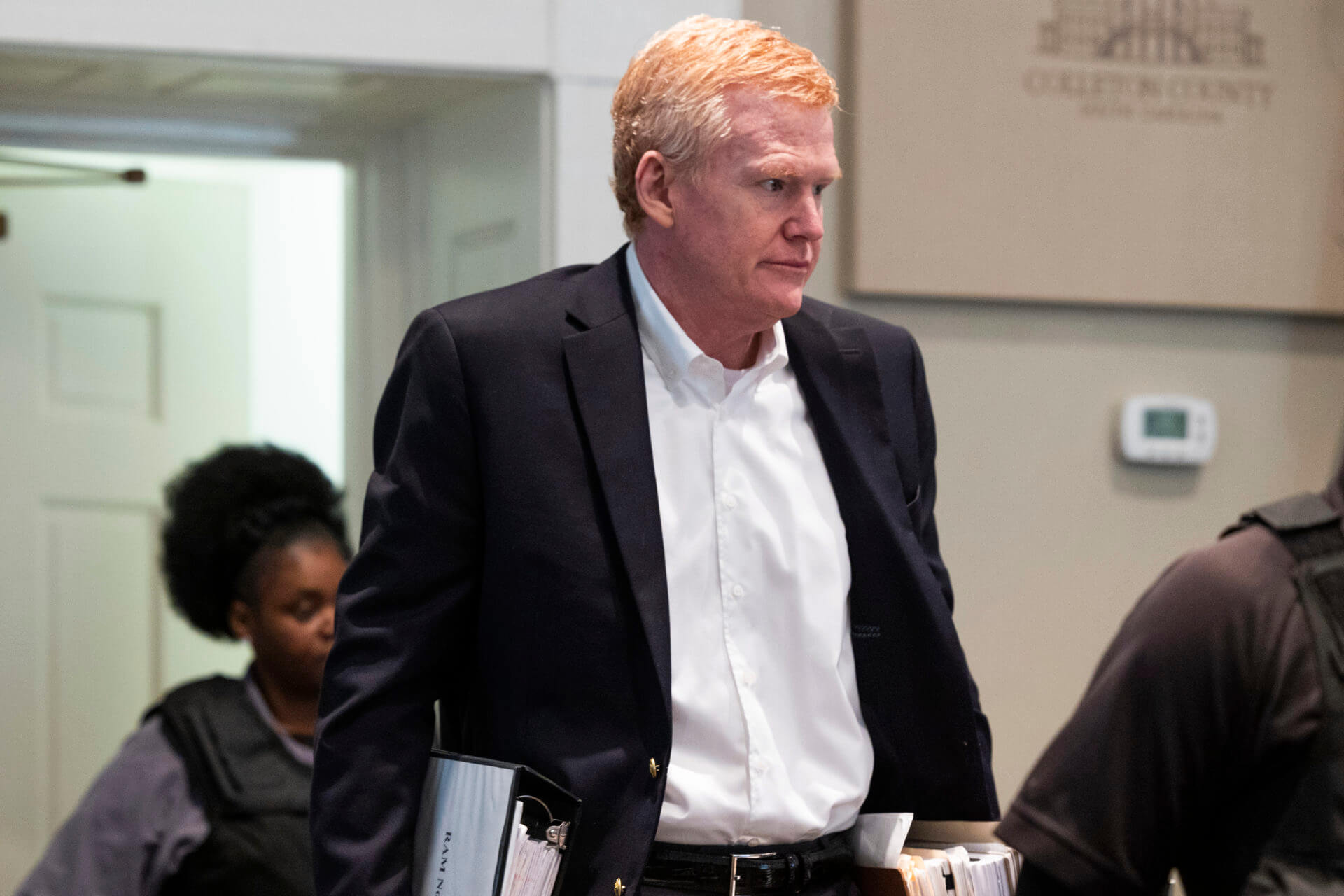
The cell phone video that put Alex Murdaugh at the kennels — and shattered his alibi
On June 7, 2021, Paul Murdaugh and his mother, Maggie, were found shot to death at the family's hunting estate, Moselle, near Islandton, South…
FBI says Laundrie's notebook admitted to Petito's killing — yet full contents never released
A notebook was found near Brian Laundrie’s remains in Myakkahatchee Creek Environmental Park, Florida, on October 20, 2021. A gun was found nearby, and…
The 1967 trial that put the Boston Strangler's confession in the witness box
He confessed in 1964. Albert DeSalvo was already in custody on other charges when he sat down with a prosecutor from the Massachusetts Attorney…
The torn pajama top near Colette MacDonald's body that investigators said was staged
February 17, 1970. Military police were called to the off-base home of Army Captain Jeffrey MacDonald at Fort Bragg, North Carolina. Inside, they found…
The snowbound night three rock stars flew into a storm — and the last song they ever played
The cornfield near Clear Lake, Iowa, did not give up its secret until morning. On February 3, 1959, a small Beechcraft Bonanza had left…
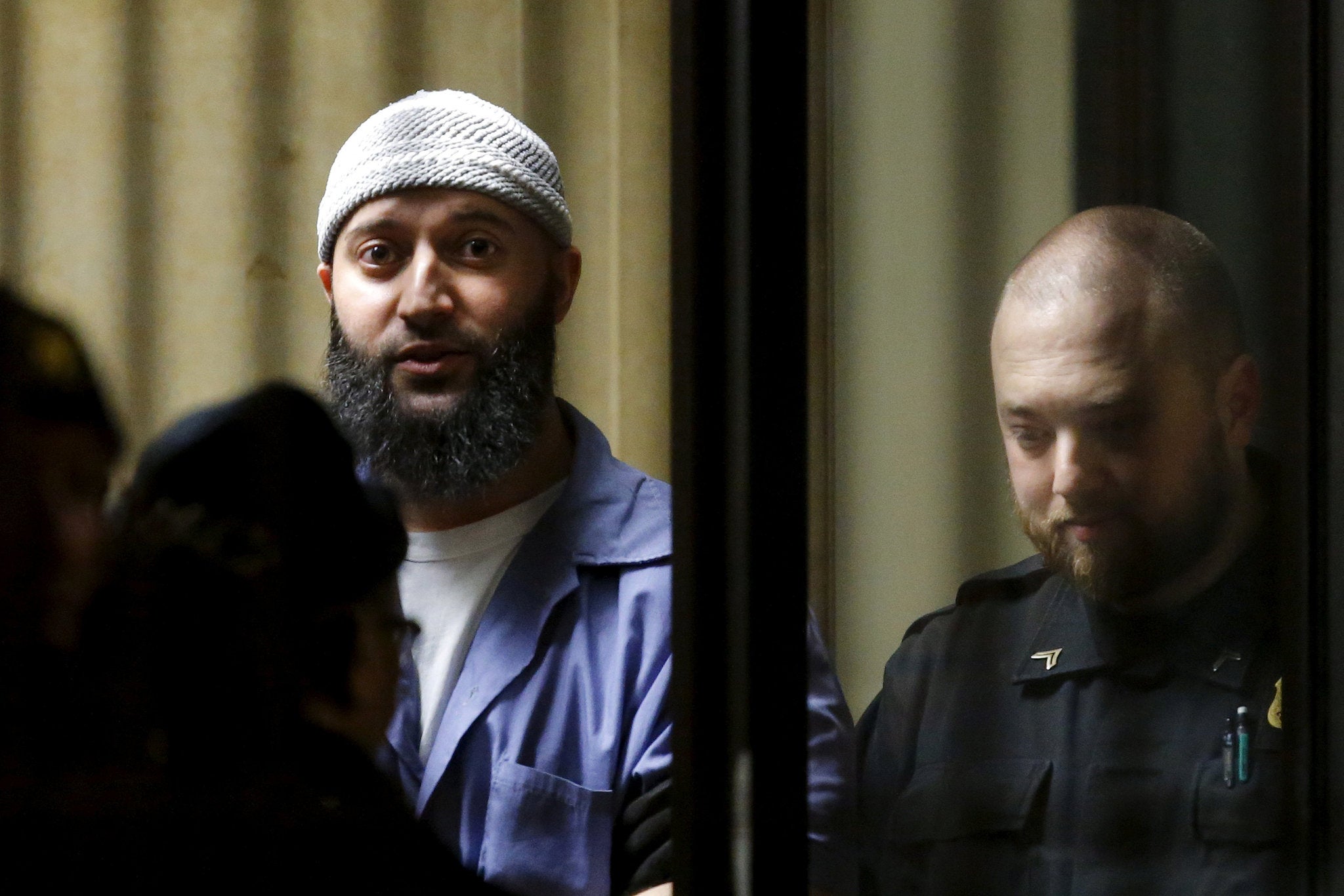
A 'kill note' found in Adnan Syed's car — the defense called it a lie. The jury heard it anyway.
A single piece of paper, folded and placed inside a gray Nissan, sat in a glovebox. In February 1999, police searching Adnan Syed's car…