The 1967 trial that put the Boston Strangler's confession in the witness box
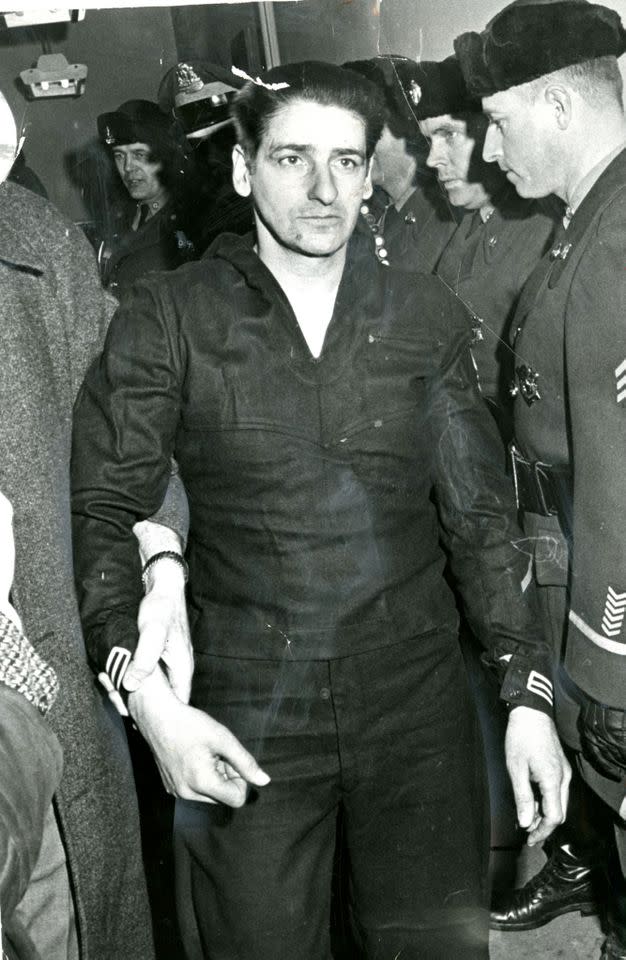
He confessed in 1964.
Albert DeSalvo was already in custody on other charges when he sat down with a prosecutor from the Massachusetts Attorney General’s Office.
He gave details about the crime scenes that had not been made public.
Those details lent credibility to his confession.
The confession was detailed, specific, and disturbing in its precision.
No physical evidence tied him to the murders.
He was never charged with them.
That is the unease at the centre of the whole story.
A man describes thirteen stranglings with knowledge only the killer could have, and the state never puts him on trial for a single one.
Not because the confession was weak.
But because the case against him was never built.
He was tried in 1967, yes.
But on charges of robbery and sexual offenses unrelated to the stranglings.
The confession sat in the witness box as a story, not as evidence.
Was it true?
Was it coerced?
Was it a fabrication by a man who wanted attention, or by investigators who wanted closure?
The record does not establish which.
It is a confession without a trial.
It is a trial without a murder charge.
Some investigators and journalists have since suggested that not all thirteen murders were committed by the same person.
That would require evidence.
The record does not provide it.
So the confession stands alone, detailed and untested.
And the question remains open: how does a confession this specific never reach a murder trial?
THE STRANGLINGS
The first strangling was reported in June 1962.
A woman was found dead in her Boston apartment, strangled with her own stocking.
By January 1964, the count had reached thirteen.
Thirteen women, dead in their own homes, often with their own clothing twisted around their necks.
The youngest was 19. The oldest was 85.
The city called him the Boston Strangler, and fear moved through the streets like weather.
Doors were bolted. Locks were added. Women stopped answering knocks.
Police mounted a massive investigation, the largest the state had seen.
They chased leads. They questioned suspects. They built files that grew heavier each month.
What they did not find was physical evidence linking any single suspect to all thirteen murders.
That is the documented record: no fingerprints, no fibers, no proof that one man moved through those apartments.
The identity of the actual perpetrator — or perpetrators — is not established.
Not because the case lacked suspects. But because the case lacked proof.
It is a case of thirteen bodies and no conviction.
It is a case of intense public fear and an investigation that ran for nearly two years without a clear answer.
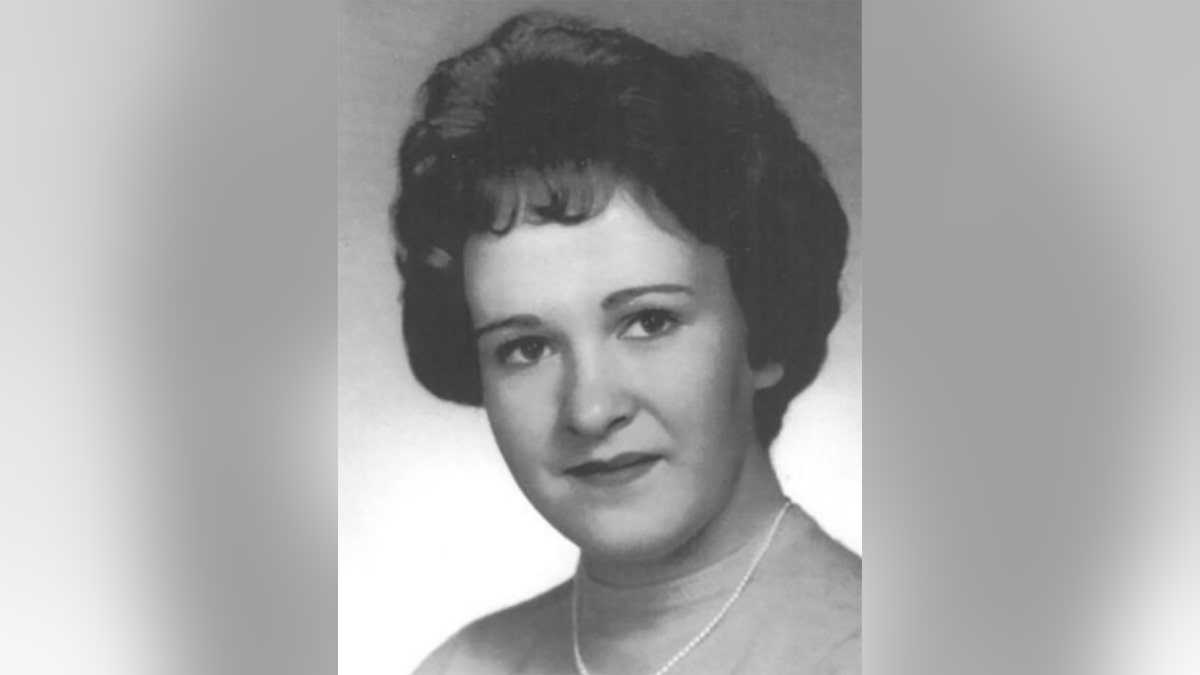
The frustration is in the record: leads pursued, suspects cleared, files closed and reopened.
And then, in 1964, a man already in custody confessed.
His confession was detailed. His confession was specific.
But that comes later in this story.
For now, the stranglings stand as they did then: thirteen deaths, no trial, no conviction, no established killer.
THE 1967 TRIAL
In 1967, Albert DeSalvo stood trial.
Not for the stranglings. For robbery and sexual offenses.
The charges were unrelated to the thirteen deaths.
His defense attorney was F. Lee Bailey.
The confession was in the room, but it was not the case.
The trial was about what DeSalvo was accused of doing, not what he said he had done.
The prosecution built its case on the lesser crimes.
The defense worked the same ground.
The confession to the stranglings was not the central issue, because the charges were separate.
He was convicted.
He was sentenced to life in prison.
He was never convicted of murder.
He was never tried for the Boston Strangler murders.
The man who confessed to thirteen killings was tried for smaller things.
The confession stayed out of the spotlight.
The specific testimony and arguments made during that trial are not in the record.
What remains is the shape of it: a trial for lesser crimes, a conviction, a life sentence.
No trial for the stranglings.
No conviction for the stranglings.
No verdict on the confession.
The jury heard the robbery case.
The stranglings waited outside the courtroom.
TWO STORIES, ONE CONFESSION
The confession sounded like the work of a man who had been there.
DeSalvo offered details about the crime scenes that were not public.
That lent credibility to his story.
The prosecution’s view followed that logic: the man who knew the details was the man who did the killings.
F. Lee Bailey, DeSalvo’s defense attorney, argued the confession was unreliable.
Bailey pointed to what the record could not produce: no physical evidence tying DeSalvo to the murders.
No fingerprints.
No fibers.
No witnesses placing him at the scenes.
The confession was a story.
A detailed story, yes.
But a story is not the same as proof.
Was DeSalvo actually the Strangler?
That is not established by the record.
He was never tried for the murders.
The case was officially closed in 1964 when he confessed, but closure and conviction are different things.
Some investigators and journalists have since suggested that not all thirteen murders were committed by the same person.
If that is true, then even the confession’s details may not cover every victim.
The jury in 1967 never had to weigh any of this.
The charges were robbery and sexual offenses, unrelated to the stranglings.
The stranglings waited outside the courtroom.
The confession was not the central issue.
It was a shadow in the room, never tested, never cross-examined for murder.
The line between the viral story and the documented record holds.
The confession was real.
The corroboration was not.
AND THE STORY STILL ISN'T OVER
DeSalvo served his life sentence at Walpole State Prison.
In 1973, he was found stabbed to death in his cell there.
The Boston Strangler case remains officially unsolved.
No one was ever convicted of the murders.
In 2013, the Boston Police Department reported that DNA evidence linked DeSalvo to Mary Sullivan, the last victim, through a familial match.
DeSalvo was already dead by then.
Does that make the case closed?
Does it settle the confession?
Does it answer the thirteen women?
No.
Whether that DNA link definitively proves DeSalvo was the Strangler is not established.
The case remains officially unsolved.
It is a case of a confession never tested in a murder trial.
It is a case of physical evidence that never tied him to the stranglings.
It is a case that still draws public and scholarly attention.
The record holds a detailed confession, a life sentence for other crimes, and a cell in Walpole.
The record does not hold a conviction for murder.
The story is not over because the evidence never finished its work.
The story is not over because the questions were never put to a jury.
The story is not over because the line between viral and documented still holds.
DeSalvo's trial in 1967 was for robbery and sexual offenses.
The stranglings were not the charges.
The confession was not the central issue.
The judge presided over that separate case.
The defence argued the confession was unreliable.
The prosecution relied on its detail.
No murder conviction followed.
She was on the ground below, and no one was ever convicted for it.
Advertisement
You may also like
The 2007 deal that kept Epstein's federal case secret — and the phone records that broke it open
In 2005, a mother walked into a Palm Beach police station and told officers her 14-year-old stepdaughter had been sexually abused at a mansion.…
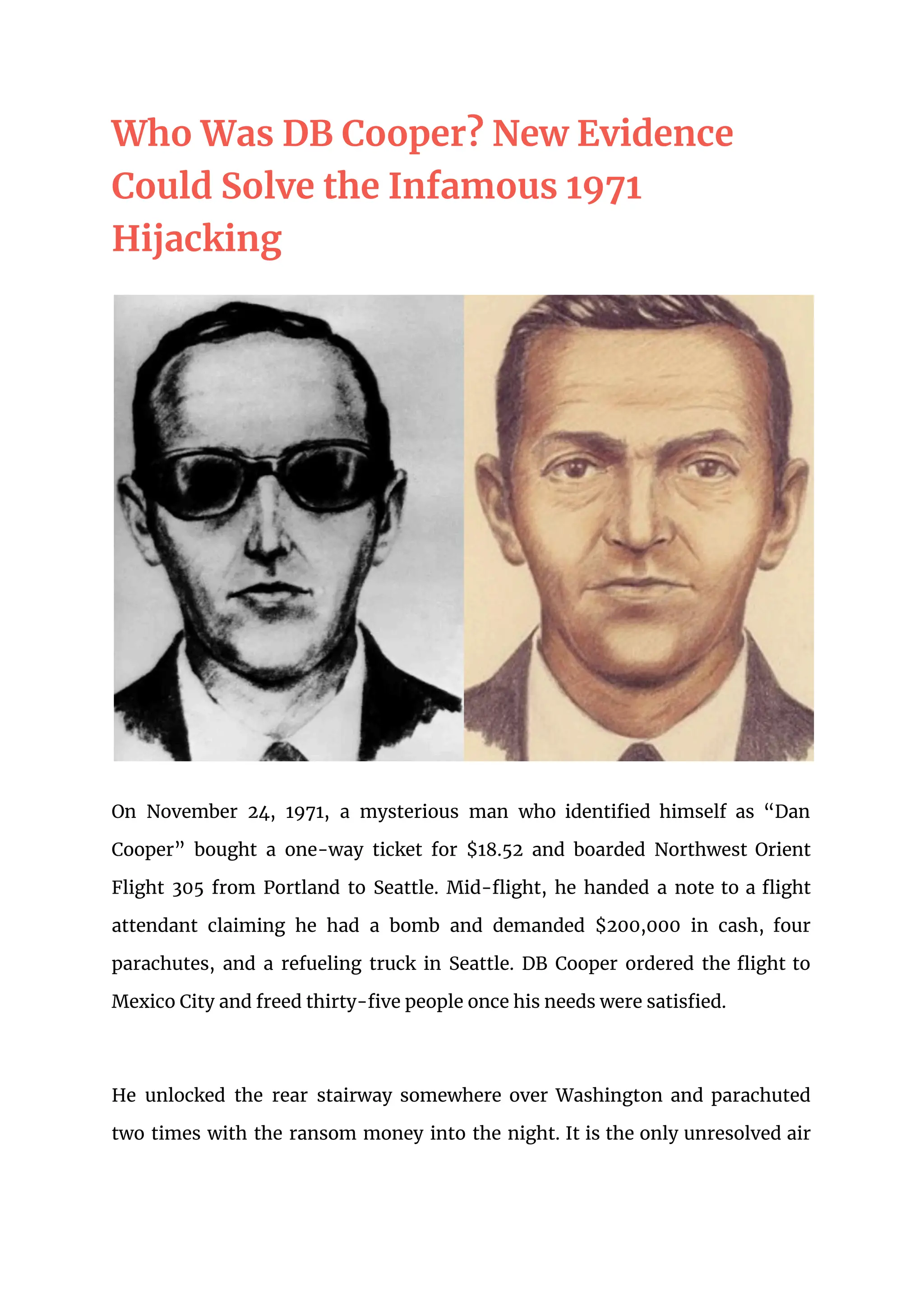
The $5,800 bundle of cash a boy found along a riverbank in 1980
The boy was eight years old, playing along the Columbia River near Vancouver, Washington, in 1980. He found a rotting bundle of cash half-buried…
Why did Susan Atkins confess to a cellmate — and what did Kasabian see?
Virginia Graham had a cellmate who talked. Susan Atkins was in jail in October 1969 on unrelated charges when she told Graham about the…
The palm print on a rifle that sealed a president's fate
Dealey Plaza, 12:30 p.m. Central Standard Time, November 22, 1963. President John F. Kennedy was fatally shot while riding in the motorcade. Within hours,…
The glove that did not fit: how one courtroom moment shook a murder case
He pulled on the glove. Not easily. Not smoothly. In the courtroom, O.J. Simpson struggled to put on a pair of leather gloves —…
Why the Amityville jury heard about a personality disorder — and rejected it
The neighbor who called police that morning reported a disturbance at 112 Ocean Avenue in Amityville, New York. It was November 13, 1974. Officers…