The 2007 deal that kept Epstein's federal case secret — and the phone records that broke it open
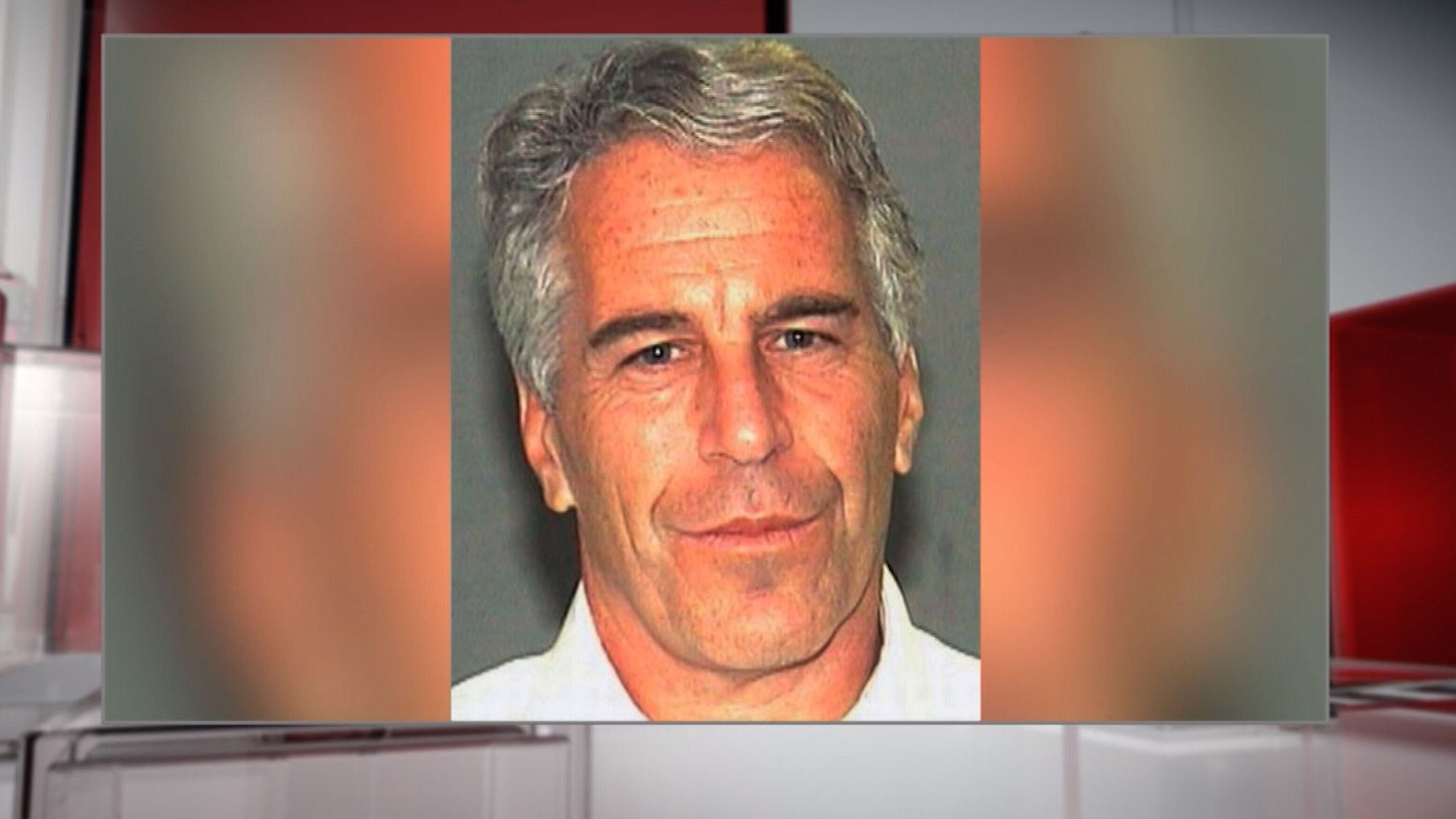
In 2005, a mother walked into a Palm Beach police station and told officers her 14-year-old stepdaughter had been sexually abused at a mansion.
The lead detective took the complaint.
He interviewed the girl.
Then he asked for her phone records.
The records showed calls to other numbers, and those numbers led to other girls.
He interviewed them, one by one.
Dozens of victims were documented in his investigation.
The exact number is not specified in the record.
What the interviews showed was a pattern.
The girls described recruitment by female associates.
They described cash payments.
They described sexual acts during what were called "massages."
The same story, told over and over, in different rooms, with different names.
The detective obtained a search warrant for the Palm Beach mansion.
Inside, police found photographs.
They found a massage table.
The table was not a prop.
It was the setting.
The phone records were the foundation of the case.
They were the thread that connected one complaint to dozens of victims.
They were the evidence that turned a single accusation into an investigation.
The federal deal in 2007 kept those charges secret.
But the records existed.
They were the reason the case had a shape at all.
What did the phone records show that the interviews did not?
That the girls were not isolated.
That the pattern was not coincidence.
That someone had been keeping a list, and the list was in the calls.
The detective kept asking.
The records kept answering.
The mansion kept its photographs.
The massage table stayed in place.
The case was built on paper and testimony.
It was built on what a mother said, and what a detective found.
It was built on the phone records.
It remains built on them.
THE 2005 COMPLAINT
It began with one complaint, in 2005, from a mother about her 14-year-old stepdaughter.
The lead detective on the Palm Beach police force interviewed the girl.
Then he used her phone records.
The records led to other girls, and the interviews led to more names.
Phone records, then interviews, then more records.
The detective’s investigation documented dozens of victims.
Each described the same pattern: recruitment by female associates, payment in cash, sexual acts during what they were told were massages.
Police executed a search warrant on Epstein’s Palm Beach mansion.
They found photographs.
They found a massage table.
They found enough to build a case that reached far beyond one complaint.
The identity of the 14-year-old victim is not named in the record.
What is in the record is the pattern, repeated across dozens of accounts.
The FBI joined the investigation.
The federal case was derailed by the 2007 non-prosecution agreement, negotiated directly with Epstein’s lawyers.
The agreement kept federal charges secret.
It allowed Epstein to plead guilty in 2008 to state charges of soliciting a minor for prostitution and procuring a minor for prostitution.
He served 13 months in the Palm Beach County jail, with extensive work release.
The detective’s work did not end the case.
It built the case.
It was built on what a mother said, and what a detective found.
It was built on the phone records.
THE 2007 DEAL
It was 2007, and the federal case was already built.
The lead detective had the phone records, the interviews, the photographs.
Then-U.S. Attorney Alexander Acosta negotiated a non-prosecution agreement with Epstein's lawyers.
The agreement kept federal charges secret.
It allowed Epstein to plead guilty in 2008 to state charges of soliciting a minor for prostitution and procuring a minor for prostitution.
He served 13 months in the Palm Beach County jail.
It was 13 months with extensive work release.
A federal judge later ruled the agreement violated the Crime Victims' Rights Act.
That ruling did not overturn the plea.
The specific terms of the non-prosecution agreement are not detailed in the record.
What is documented is the sequence: a federal investigation, a secret deal, a state plea.
What is documented is the result: a wealthy man registered as a sex offender after 13 months in county jail.
The detective had built the case on what a mother said and what the phone records showed.

The deal derailed it.
Not because the evidence was weak.
But because the agreement moved the case out of federal court and into a state courtroom.
The victims were not told.
The federal charges were not filed.
The plea was accepted, and the case went quiet.
It stayed quiet for years.
That would require evidence of how it stayed quiet, and the record does not supply it.
What the record supplies is the deal itself, the plea, the judge's later ruling.
And the frustration of a case that was built, then set aside.
THE 2018 REVELATION
In 2018, the Miami Herald published a series by reporter Julie K. Brown that re-examined the case.
The series revealed the non-prosecution agreement and interviewed multiple victims.
It showed a federal deal that had been negotiated in secret, and girls whose complaints had been set aside.
The reporting did not rely on speculation.
It relied on documents, on the agreement itself, and on the voices of the women who said they had been abused.
That was the evidence.
Public pressure followed.
Alexander Acosta resigned as U.S. Secretary of Labor in 2019, his role in the 2007 deal now under scrutiny.
The federal case was reopened the same year.
Epstein was charged with sex trafficking of minors and conspiracy to commit sex trafficking.
He pleaded not guilty.
In 2019, federal agents searched Epstein’s New York mansion.
They found hundreds of photographs and a hidden safe containing cash and diamonds.
What the photographs showed is not specified.
What the safe held beyond cash and diamonds is not specified.
The record establishes the search and the seizure.
It does not establish the contents in full.
That would require evidence, and the record does not supply it.
What the record supplies is a case that had been built, then buried, then dug up again by reporting.
It is a story of justice delayed.
It is also a story of what journalism can surface when the system will not.
The photographs sit in the evidence file, unexamined in the public record.
The safe's contents remain a partial list.
The charges were filed.
The trial never came.
AND THE STORY STILL ISN'T OVER
The charges were dismissed after his death.
The medical examiner ruled the death a suicide by hanging.
Epstein never stood trial.
Ghislaine Maxwell did.
She was convicted in December 2021 of sex trafficking of minors and related conspiracy charges.
She was sentenced to 20 years in prison.
Maxwell is serving that sentence in federal prison.
The estate faced civil lawsuits from accusers.
The estate paid out over $100 million in settlements to victims.
That is money, not accountability.
The 2007 non-prosecution agreement was later ruled a violation of victims' rights by a federal judge.
The ruling did not overturn the plea.
The 2008 state conviction stood.
He had registered as a sex offender.
No other individuals were criminally charged in connection with his crimes.
Not the associates the victims named.
Not the powerful men referenced in allegations.
Not anyone.
The full extent of Epstein's network remains unproven in court.
That is what the record does not establish.
It is what the record does not establish.
The phone records broke the case open.
The phone records identified the girls.
The phone records documented the pattern.
The phone records did not name everyone.
The 2005 complaint began with one mother.
The detective interviewed the 14-year-old victim.
He used phone records to find other girls.
He documented dozens.
Dozens were documented.
One man was charged.
One woman was convicted.
The safe's contents remain a partial list.
The charges were filed.
The trial never came.
The settlements were paid.
The questions remain.
Advertisement
You may also like
The blood on his pajama sleeve that contradicted Jeffrey MacDonald's intruder story
The pajama sleeve was examined under a microscope, and the blood on it held a pattern. The pattern was a transfer, a smear of…
The defense’s claim that McVeigh was a scapegoat — and the witness who testified he built the bomb
The blast at the Alfred P. Murrah Federal Building occurred at 9:02 a.m. on April 19, 1995. It killed 168 people and injured more…
One palm print from the Zodiac's Lake Berryessa attack that no lab could ever match
A palm print and a partial fingerprint were left at the Lake Berryessa scene on September 27, 1969. They are part of the official…
Eleven Branch Davidians on trial: the defense claim of self-defense against a government raid
The warrant was for Mount Carmel Center, a ranch near Waco, Texas, and for the arrest of David Koresh. It was February 28, 1993,…
The truck painter who picked up victims on Pacific Highway South — and the DNA that ended 20 years of silence
He painted trucks for a living, the same job for decades. He lived in Auburn, a Seattle suburb, and went to church. He was…
The fishing trip Scott Peterson said he took — and the evidence that says otherwise
He told investigators he spent the morning of December 24, 2002, fishing alone at the Berkeley Marina. That was the claim. It became the…