One palm print from the Zodiac's Lake Berryessa attack that no lab could ever match
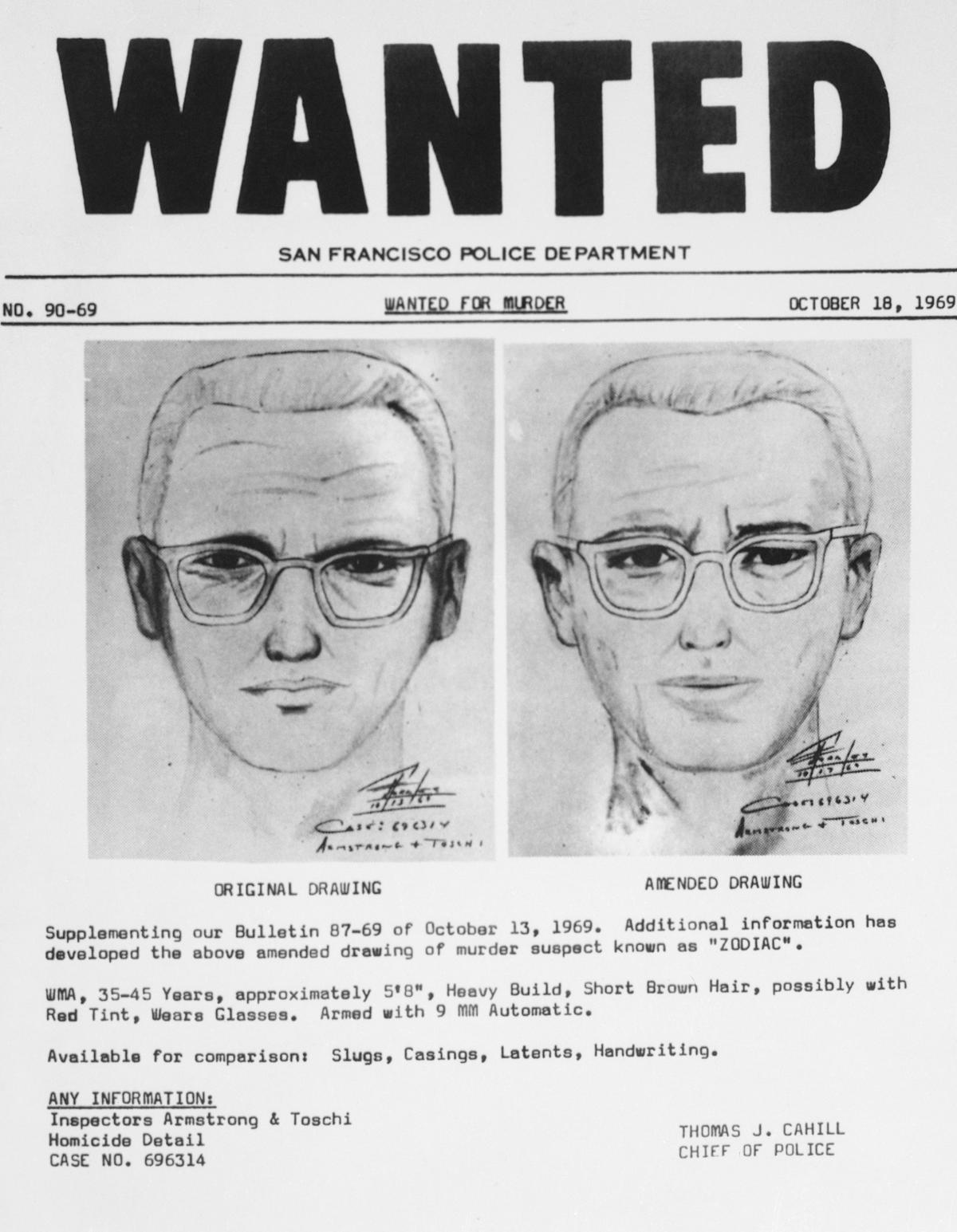
A palm print and a partial fingerprint were left at the Lake Berryessa scene on September 27, 1969.
They are part of the official record. They are evidence that exists.
No lab has ever matched them. No suspect has ever been named against them.
According to the case file, these prints were never matched to any suspect. The case file notes them as evidence, and that is all it can say.
The identity of the person who left the palm print is not established. The print has never been matched.
It is a specific object with no name attached. It is a mark with no source.
What does a print like that prove? It proves a hand was there. It proves a hand touched something.
That would require evidence of whose hand. That would require a match.
No match exists in the record. No lab has ever identified the source.
The prints remain unmatched in the official record. They are a fact, not a theory.
They sit there, in the file, unnamed. They wait for the rest of the story.
THE FIRST SHOTS
The first confirmed attack came on December 20, 1968.
Two teenagers were shot on a remote road in Benicia, California.
It was a Saturday night, and the road was quiet.
The weapon was a .22-caliber handgun, according to the case file.
A small-caliber gun. A fast, muffled sound.
The killer's vehicle was described as a brown or tan sedan, but never confirmed.
A car that could be any car. A colour that could be any colour.
These details come from the official case record.
No suspect was identified at the time.
The motive is not established.
The killer's identity is not established.
What is established is the fact of the shooting itself.
Two teenagers, on a road, in the dark.
The case file records the date, the place, the weapon.
It does not record a name for the shooter.
It does not record a reason.
The sedan, if it was there, drove away.
The road went quiet again.
The file holds the shell casings, the descriptions, the silence.
That is where the first attack begins.
And what begins there does not end.
THE VALLEJO SHOOTING
The July 4 fireworks were not the only noise in Vallejo that night.
Two people were shot in a parked car; one died, the other survived.
The survivor gave police an account of what happened.
That account is part of the documented record.
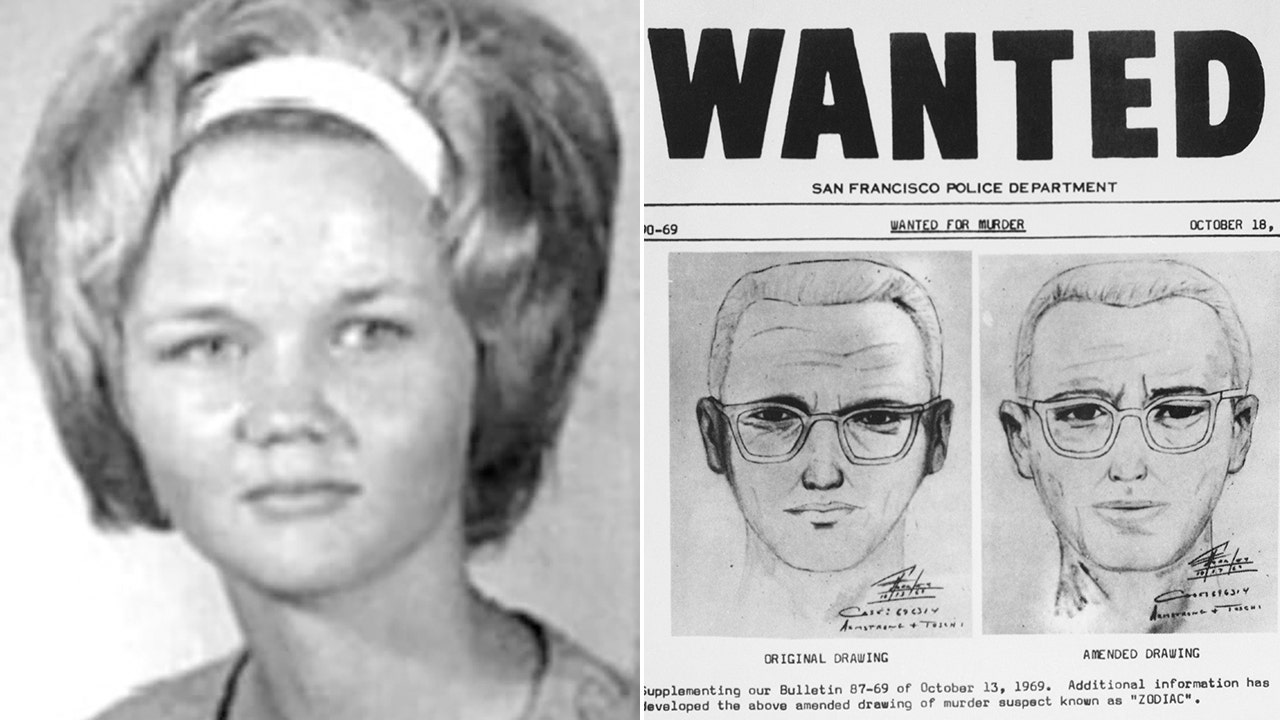
It did not lead to an arrest.
The identity of the shooter is not established.
The survivor's account did not identify a suspect.
Then the killer began to speak.
Letters arrived at the newspapers, the San Francisco Chronicle, the Vallejo Times-Herald, the San Francisco Examiner.
The letters coined a name: Zodiac.
The letters included details only police knew.
Those details confirmed his involvement, according to the case file.
He was present, and he wanted everyone to know it.
The first cryptogram came with the letters.
A Vallejo schoolteacher and his wife cracked it.
The cipher did not name the killer.
No name, no arrest, no charge.
The shooter had already vanished into the night, and now he was writing from somewhere else.
The survivor's voice was on the record.
The killer's voice was in the papers.
The record holds neither a face nor a name.
That would require evidence, and the evidence did not come.
The letters kept coming, taunting, precise, unclaimed.
THE LAKE BERRYESSA STABBING
September 27, 1969, a Saturday.
Two people were stabbed at Lake Berryessa, a reservoir ringed by trees in Napa County.
One died. One survived and gave an account to police.
The weapon was a knife, according to the case file.
The survivor’s account is part of the documented record, but it did not lead to an arrest.
No suspect was ever charged with the attack.
The attacker left something behind at that scene.
A palm print and a partial fingerprint.
The palm print and the partial fingerprint were lifted from the scene, according to investigators.
No lab has ever matched them to a person.
They remain unmatched in the official record.
The identity of the attacker is not established.
That is a fact in the file, not a theory.
It is a physical trace that should identify someone.
It does not.
The print sits in the case file, exact and anonymous.
The survivor described the attacker to police.
The description did not produce a name.
The attack fits the documented timeline of the Zodiac killings.
The letters that coined the name "Zodiac" came before and after.
The palm print is tied to this one scene.
It is the kind of evidence that closes cases.
It did not close this one.
The case remains open.
The print remains unmatched.
That is where the record stops.
AND THE STORY STILL ISN'T OVER
The case remains officially open in multiple jurisdictions, according to the record.
No one was ever arrested. No one was ever convicted.
In 2020, a second cipher was solved by amateur codebreakers.
It did not identify the killer.
The message was a taunt, not a name.
Police have said they still receive tips, per the case file.
Decades later, the calls still come in.
The identity of the killer remains unestablished.
The source of the palm print remains unestablished.
Not because the evidence was weak.
Because the match was never made.
The print is still there, in the file.
The fingerprint is still there, in the file.
The case files remain open.
The next step is unknown.
The next tip is unknown.
The next lead is unknown.
That would require evidence.
The record stops at the open file.
The record stops at the unmatched print.
The record stops at the unsolved cipher.
And yet the case is not closed.
It is not closed because no one has closed it.
It is not closed because the print still waits.
She was on the ground below, and the case went on without an answer.
The case went on without an arrest.
The case went on without a conviction.
The case went on.
It still goes on.
Advertisement
You may also like
The bloody glove found on O.J. Simpson's estate that didn't fit in court
The glove lay on the ground of the estate on Rockingham Avenue. It was a bloody glove, discovered by a detective who had come…
The dentist who was a person of interest in the Black Dahlia case, then quietly cleared
She thought it was a mannequin. A local resident, walking in Leimert Park on the morning of January 15, 1947, saw what looked like…
The Glock Keffe D says he handed over — and the white Cadillac that changed rap history
The white Cadillac moved down the Las Vegas Strip on the night of September 7, 1996. A black BMW 750iL rolled ahead of it,…
The 14-foot aluminum fishing boat Scott Peterson bought weeks before Laci vanished
A 14-foot aluminum fishing boat. That is what Scott Peterson bought weeks before Laci vanished, a documented purchase, not a rumor. On December 24,…
Why a Colorado jury heard a confession that changed everything about the Watts family case
The friend called police on the morning of August 13, 2018. Shanann Watts, 15 weeks pregnant, was missing with her daughters, Bella, 4, and…
The blood on his pajama sleeve that contradicted Jeffrey MacDonald's intruder story
The pajama sleeve was examined under a microscope, and the blood on it held a pattern. The pattern was a transfer, a smear of…