The bloody glove found on O.J. Simpson's estate that didn't fit in court
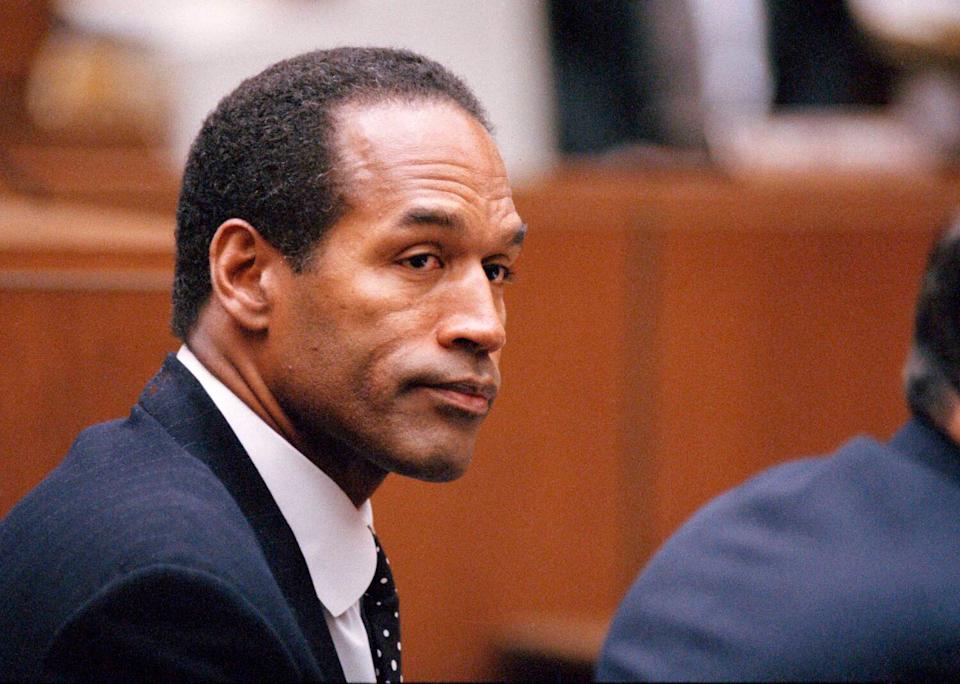
The glove lay on the ground of the estate on Rockingham Avenue.
It was a bloody glove, discovered by a detective who had come to the house to deliver news of a death.
The detective's name was Mark Fuhrman.
He found it on the property, and it appeared to match a glove found at the crime scene.
That crime scene was on Bundy Drive, where Nicole Brown Simpson and Ronald Goldman were found stabbed to death on the night of June 12, 1994.
A neighbor walking her dog discovered the bodies around midnight.
Blood drops were also found on the driveway of the estate and inside a Ford Bronco.
A bloodstained sock was later found in the bedroom.
One glove could tie a man to a double murder.
One glove, found in the dark, on the grounds of his own home.
It is a detail that carries weight.
It is also a detail the defense would later claim was planted.
Whether the glove was planted is not established by the record.
It is an allegation made by the defense.
That allegation would become part of a larger argument about the integrity of the entire investigation.
THE BLOOD TRAIL
The knife that killed them was never found.
Both victims were killed with a blade, and the male victim had defensive wounds.
The prosecution built its case on a chain of physical evidence: DNA linking the accused’s blood to the crime scene, a pair of matching gloves, and a trail of blood leading away from the bodies.
LAPD criminalist Dennis Fung collected blood samples from the crime scene and from the accused.
Fung testified about how those samples were gathered.
The defense would later argue that the evidence was mishandled and contaminated.
They would argue that the samples were improperly stored and tested.
The blood trail itself was presented as a map of a killer’s escape.
It was presented as a sequence of drops leading from Bundy Drive back to Rockingham Avenue.
But the exact origin of that trail is disputed.
Whether contamination occurred is disputed.
The knife’s whereabouts remain unknown.
That is what the record does not establish.
What the record does establish is the weight of the DNA evidence.
It is a weight the prosecution carried into the courtroom.
It is a weight the defense tried to lift by questioning the hands that carried it.
THE COURTROOM FITTING
Simpson was charged with two counts of first-degree murder.
The trial began in January 1995 and lasted nearly nine months.
A crucial moment came when Simpson tried on the gloves in court and they appeared too small.
The defense attorney argued, “If it doesn’t fit, you must acquit.”
That line turned a piece of leather into a symbol of doubt.
The prosecution had carried the weight of DNA evidence into the room.
The defense lifted that weight with a single pair of gloves.
Whether the gloves actually did not fit is a matter of courtroom observation.
The reason they appeared small is not established.
It could have been the latex gloves worn underneath.
It could have been shrinkage from the blood.
It could have been Simpson's hands.

That would require evidence.
The record does not provide it.
The defense did not need the reason.
They needed the image, and they got it.
The credibility of the detective who found the glove was already under attack.
Tapes surfaced of him using racial slurs.
The defense used those tapes to undermine the entire police investigation.
The glove became the hinge.
The DNA was still there.
The blood trail was still there.
The matching glove was still there.
But the courtroom had seen something else.
It had seen the accused struggle with the evidence.
On October 3, 1995, the jury acquitted Simpson of both murder charges.
The verdict was met with widespread public reaction.
Many Americans divided along racial lines over whether justice had been served.
The glove that didn't fit had done its work.
TWO STORIES, ONE GLOVE
The prosecution built its case on DNA and the testimony of eyewitnesses.
The glove and the blood trail, prosecutors argued, tied the accused to the murders.
The defense told a different story.
They attacked the investigation itself, alleging that the detective who found the glove was racist and had planted it.
They argued the blood samples had been improperly stored and tested.
Two narratives, one glove.
Each side pointed to the same evidence and drew opposite conclusions.
The courtroom became a contest of which story the jury would believe.
The defense's story won the criminal trial.
The verdict was met with widespread public reaction.
Many Americans divided along racial lines over whether justice had been served.
The glove that didn't fit had done its work.
But the verdict does not resolve the factual dispute.
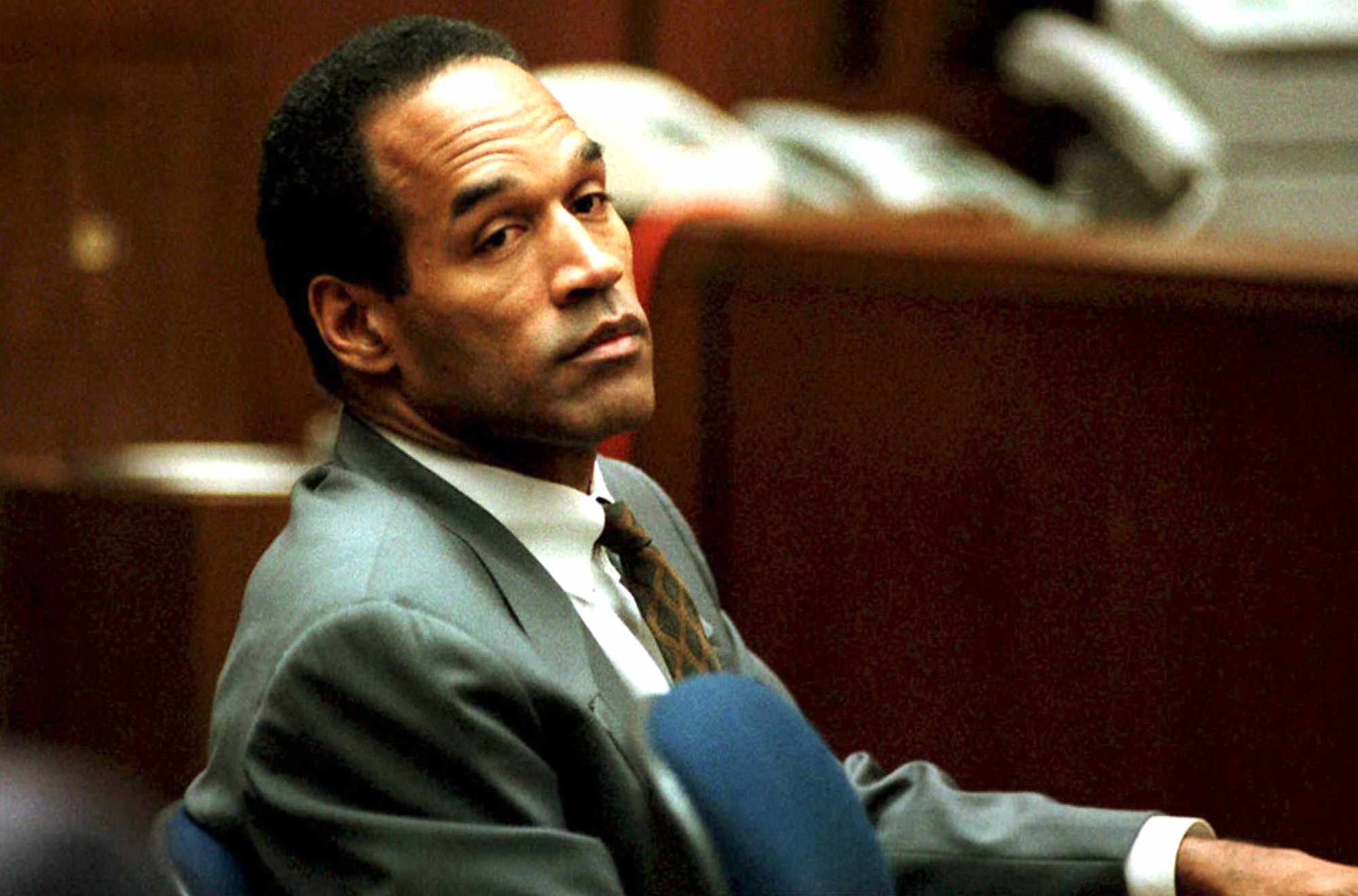
Which narrative is true is not established by the record.
The jury's acquittal means the prosecution failed to prove its case beyond a reasonable doubt.
It does not mean the glove was planted.
It does not mean the DNA was contaminated.
Those remain theories, argued forcefully in court, never settled as fact.
The civil jury later found the accused liable for wrongful death.
That finding, too, leaves the question open.
Two juries, two answers, no final word on the glove itself.
AND THE STORY STILL ISN'T OVER
The criminal trial ended in acquittal, but the families of Nicole Brown Simpson and the other victim did not stop there.
They filed a civil lawsuit against Simpson.
In 1997, a civil jury found him liable for wrongful death and battery.
That jury ordered him to pay $33.5 million in damages.
The glove, the blood, the verdict — the civil judgment became another chapter, not a closing.
Simpson later moved to Florida.
He lived there until 2007, when he was arrested in Las Vegas.
The arrest was for armed robbery and kidnapping, related to an attempt to retrieve sports memorabilia.
He was convicted in 2008 and sentenced to 9 to 33 years in prison.
He was granted parole in 2017 and released.
Simpson died on April 10, 2024, at age 76, after a battle with cancer.
The Goldman family has continued to seek unpaid portions of the civil judgment.
Whether that judgment will ever be fully paid is not established.
The record does not say.
The case never truly closed.
The glove that didn't fit remains a documented courtroom moment.
The claim that it was planted remains a theory, not a fact established by the record.
Two juries, two answers, and the money still owed.
It is a story of evidence examined, evidence argued, and evidence that lingers.
The acquittal was not the end.
The liability finding was not the end.
The prison term was not the end.
Even death, it seems, does not finish the accounting.
Advertisement
You may also like
The dentist who was a person of interest in the Black Dahlia case, then quietly cleared
She thought it was a mannequin. A local resident, walking in Leimert Park on the morning of January 15, 1947, saw what looked like…
The Glock Keffe D says he handed over — and the white Cadillac that changed rap history
The white Cadillac moved down the Las Vegas Strip on the night of September 7, 1996. A black BMW 750iL rolled ahead of it,…
The 14-foot aluminum fishing boat Scott Peterson bought weeks before Laci vanished
A 14-foot aluminum fishing boat. That is what Scott Peterson bought weeks before Laci vanished, a documented purchase, not a rumor. On December 24,…
Why a Colorado jury heard a confession that changed everything about the Watts family case
The friend called police on the morning of August 13, 2018. Shanann Watts, 15 weeks pregnant, was missing with her daughters, Bella, 4, and…
The blood on his pajama sleeve that contradicted Jeffrey MacDonald's intruder story
The pajama sleeve was examined under a microscope, and the blood on it held a pattern. The pattern was a transfer, a smear of…
The defense’s claim that McVeigh was a scapegoat — and the witness who testified he built the bomb
The blast at the Alfred P. Murrah Federal Building occurred at 9:02 a.m. on April 19, 1995. It killed 168 people and injured more…