The dentist who was a person of interest in the Black Dahlia case, then quietly cleared
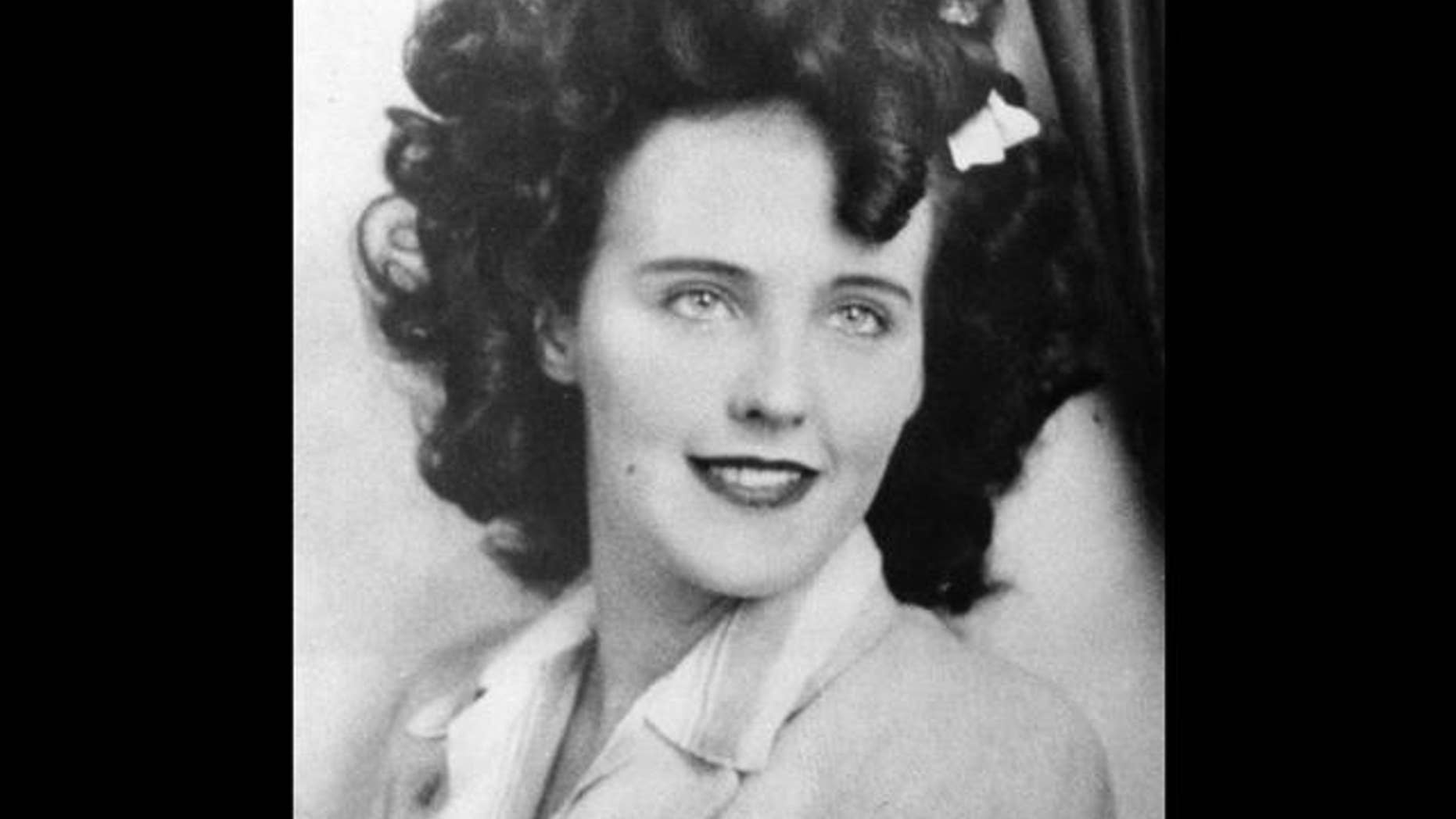
She thought it was a mannequin.
A local resident, walking in Leimert Park on the morning of January 15, 1947, saw what looked like a store display dumped in a vacant lot on Norton Avenue.
It was not a mannequin.
The body had been cut in half at the waist and drained of blood, the two sections placed neatly apart.
The victim was identified as Elizabeth Short, a 22-year-old aspiring actress from Massachusetts who had come to Los Angeles seeking work in the film industry.
The press gave the case its name: the Black Dahlia murder, borrowed from a film noir title and repeated until it stuck.
The body had been cleaned and posed.
That suggests a methodical killer.
Who could do that?
What kind of person drains a body and arranges it in a lot?
What does that require?
The record does not say.
One theory circulating online points at a dentist.
That theory is a claim, not a fact established by the record.
The identity of the killer is not established.
No one was ever charged.
The case remains officially unsolved.
THE DENTIST'S DOOR
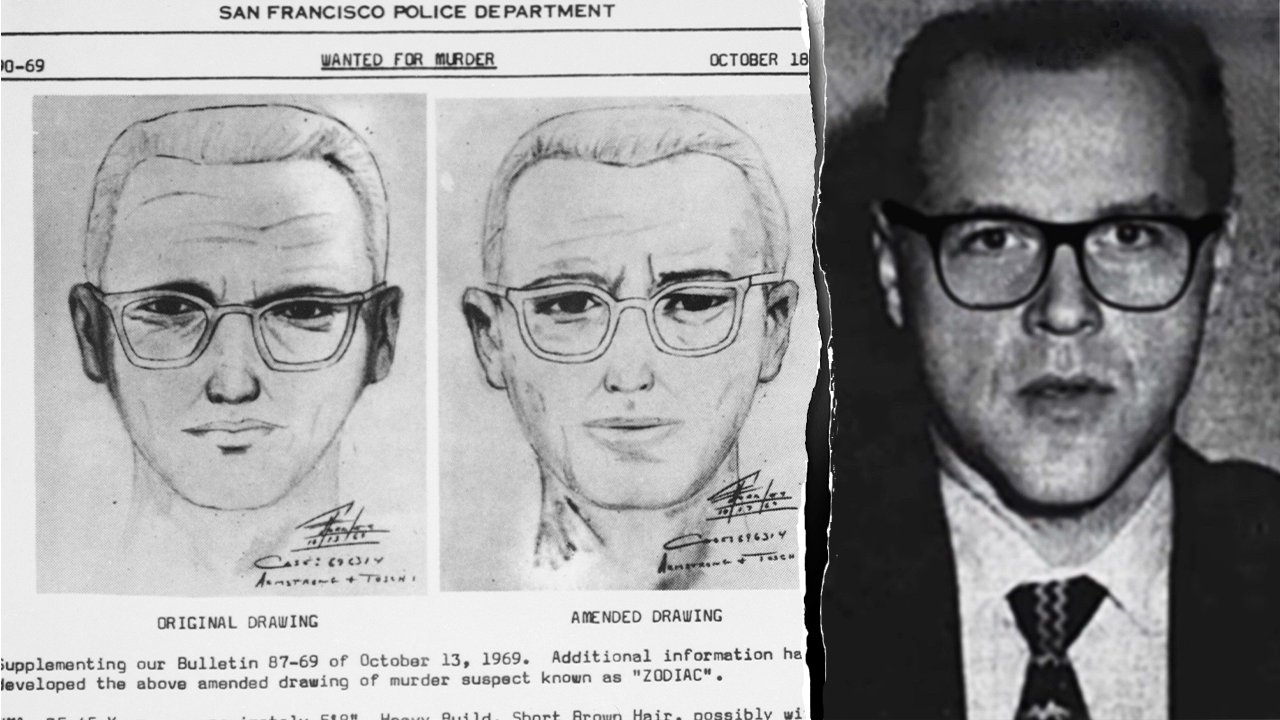
Among those publicly suspected and later cleared was a doctor named Walter Bayley.
Bayley was a dentist in Los Angeles at the time, according to the source.
He was investigated.
He was never charged.
The source does not provide details on how Bayley came under suspicion.
The source does not provide details on what evidence was examined.
The specific reasons for Bayley's investigation are not in the record.
Any evidence against him is also not in the record.
That is not established.
The investigation was conducted by the LAPD.
The lead detectives on the case are not named in the record.
No one was ever charged with the murder.
That is the documented fact.
Bayley was a professional man, a working dentist with a door and a practice.
Suspicion fell on him.
The basis remains unclear.
Was it a tip, a link, a coincidence?
Was it the pressure of the press?
That would require evidence.
The record shows only the investigation and the clearing.
It shows a doctor who was looked at and then left alone.
The case moved past him.
The door closed.
THE POLYGRAPH AND THE PRESS
Robert “Red” Manley was questioned extensively.
He had been with Short shortly before her death, and he was the first person the police pulled in hard.
He sat for polygraph tests.
He was released.
Police identified Short through her fingerprints, which matched a record from an earlier arrest for underage drinking in Santa Barbara.
The identification gave the case a name and a face, and it gave the press a story.
The medical examiner determined the cause of death was hemorrhage from multiple wounds.
But the exact time and manner of death were disputed.
Not established: the hour she died. Not established: the way she died.
The investigation was complicated by intense media attention.
Reporters chased leads before detectives could check them.
False leads piled up.
Public pressure mounted.
Investigators interviewed numerous witnesses.
They received hundreds of tips.
No solid suspect emerged.
The case was hampered by a lack of physical evidence linking anyone to the crime.
There was no weapon, no witness, no confession that held.
Manley was cleared, and the door closed on him.
The door closed on the dentist.
The door stayed open on the case.
What was left was a body, a name, and a city full of theories.
What was left was not a suspect.
That would require evidence.
THE TWO READINGS
One reading says the dentist was the killer.
It points to his medical knowledge, his access to the victim, his skill with the body.
That reading lives online.
It is a theory, and the source does not support it.
The documented record shows only that the dentist was investigated.
He was never charged.
The source does not establish any link between the dentist and the crime.
That is the line this article draws: what is viral is not what is documented.
The other reading is quieter.
The source states the case remains officially unsolved.
No one was ever charged with the murder.
Over the years, several confessions were made.
None were verified.
The source states the case was officially closed in 1949.
It has been reopened and reviewed multiple times by the LAPD.
No conviction has ever been made.
Was the dentist the killer?
That would require evidence.
The record offers none.
Was someone else responsible?
That would require a name, a charge, a trial.
There is none.
What remains is a body, a name, and a city full of theories.
The theories are not facts.
The facts are these: investigated, cleared, unsolved.
That is all the record holds.
AND THE STORY STILL ISN'T OVER
The theories are not facts.
The facts are these: investigated, cleared, unsolved.
That is all the record holds.
The Black Dahlia case remains one of the most famous unsolved murders in American history.
Elizabeth Short was buried in Mountain View Cemetery in Oakland, California.
Her mother, Phoebe Short, lived until 1986.
Her sisters continued to seek answers.
The case has been the subject of numerous books, films, and documentaries.
Various theories have been proposed.
No definitive solution has been reached.
The LAPD has periodically reviewed the case with modern forensic techniques.
As of the last reported updates, no suspect has been identified.
The dentist was quietly cleared.
The case itself remains open in the public imagination.
Not because new evidence has surfaced.
Not because a confession has been verified.
Not because a name has finally been placed on the file.
Because the record ends where it ends.
No specific upcoming hearing is mentioned.
No motion is pending.
No decision is scheduled.
The case remains officially unsolved.
That is the whole of it.
A burial in Oakland.
A mother who outlived her daughter by four decades.
Sisters who kept asking.
And a file that has been opened, reviewed, and closed again.
The story still isn't over.
It simply has nowhere left to go in the record.
Advertisement
You may also like
The bloody glove found on O.J. Simpson's estate that didn't fit in court
The glove lay on the ground of the estate on Rockingham Avenue. It was a bloody glove, discovered by a detective who had come…
The Glock Keffe D says he handed over — and the white Cadillac that changed rap history
The white Cadillac moved down the Las Vegas Strip on the night of September 7, 1996. A black BMW 750iL rolled ahead of it,…
The 14-foot aluminum fishing boat Scott Peterson bought weeks before Laci vanished
A 14-foot aluminum fishing boat. That is what Scott Peterson bought weeks before Laci vanished, a documented purchase, not a rumor. On December 24,…
Why a Colorado jury heard a confession that changed everything about the Watts family case
The friend called police on the morning of August 13, 2018. Shanann Watts, 15 weeks pregnant, was missing with her daughters, Bella, 4, and…
The blood on his pajama sleeve that contradicted Jeffrey MacDonald's intruder story
The pajama sleeve was examined under a microscope, and the blood on it held a pattern. The pattern was a transfer, a smear of…
The defense’s claim that McVeigh was a scapegoat — and the witness who testified he built the bomb
The blast at the Alfred P. Murrah Federal Building occurred at 9:02 a.m. on April 19, 1995. It killed 168 people and injured more…