Eleven Branch Davidians on trial: the defense claim of self-defense against a government raid
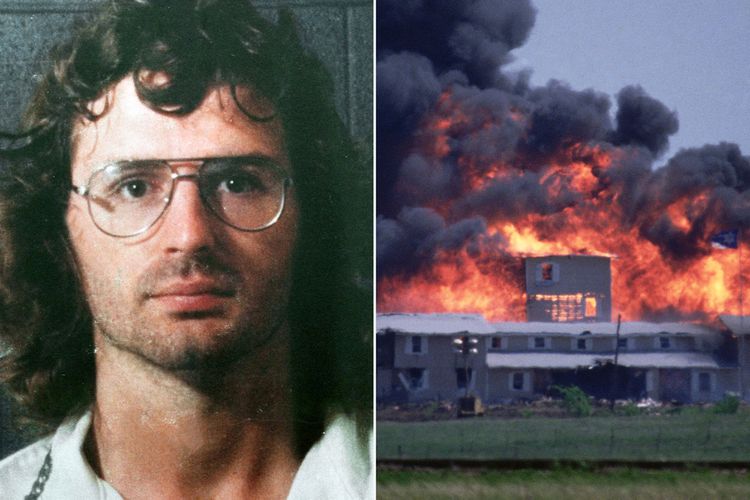
The warrant was for Mount Carmel Center, a ranch near Waco, Texas, and for the arrest of David Koresh.
It was February 28, 1993, and agents of the U.S. Bureau of Alcohol, Tobacco, and Firearms were there to execute it.
The ATF had been investigating Koresh for weapons violations.
They were looking into the conversion of semi-automatic rifles to fully automatic.
The raid was supposed to be a search and an arrest.
Instead, a gun battle erupted at the ranch.
Four ATF agents were killed.
Six Branch Davidians were killed.
Who fired the first shot?
That is a question the record does not answer.
It is not established who fired first in that gun battle.
The defense would later argue that the ATF initiated the gunfight.
That argument was made in court.
It is a legal argument, not a fact established by the record.
The gunfire was real.
The deaths were real.
The warrant was real.
What remains documented is the confrontation itself, and the weight of it.
51 DAYS
The FBI took over after the raid failed.
A 51-day standoff followed.
The standoff ended on April 19, 1993.
The FBI launched a tear gas assault.
The compound burned to the ground.
Seventy-six people died.
Koresh died in the fire.
More than twenty children died in the fire.
The exact cause of the fire is not established in the record.
Janet Reno, the U.S. Attorney General, authorized the final FBI assault.
FBI spokesman Bob Ricks was a public voice during the siege.
He spoke to reporters as the days stretched on.
The days stretched into weeks.
The weeks held no resolution.
The compound stood on the Texas plain.
It was a subject of daily news.
It was a subject of daily waiting.
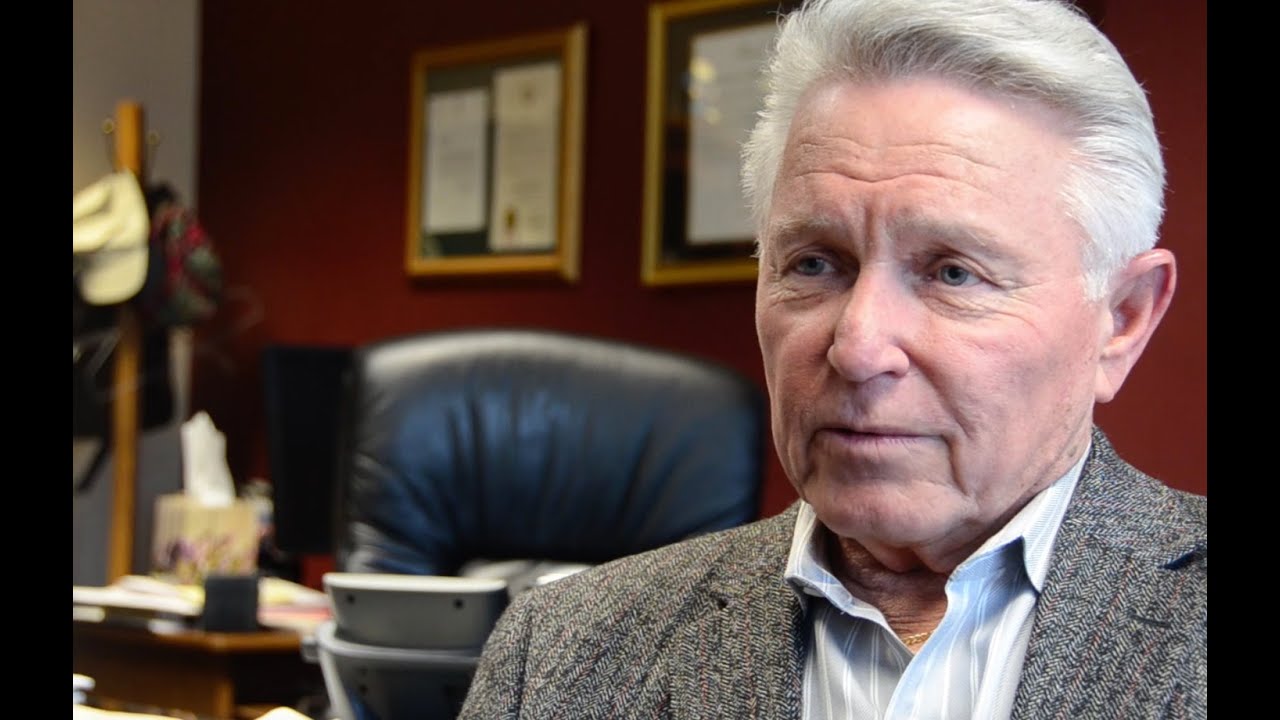
The waiting ended in fire.
The fire ended the standoff.
The standoff ended the lives inside.
The medical examiner who later testified was Dr. Nizam Peerwani.
He testified that most of the dead died from smoke inhalation and burns, not gunfire.
That testimony came at trial, months later.
For now, there was only the aftermath.
The compound was gone.
The people were gone.
The record still holds the date, the assault, the death count.
THE TRIAL OPENS
The trial of eleven Branch Davidian defendants opened in January 1994 in federal court in San Antonio, Texas.
The prosecution, led by the U.S. Attorney's Office, charged the defendants with conspiracy to murder federal officers, voluntary manslaughter, and weapons charges.
The government's case relied heavily on testimony from former Branch Davidian members.
Those witnesses described David Koresh's control over the group.
They described the stockpiling of weapons inside the compound.
The medical examiner, Dr. Nizam Peerwani, testified about the deaths.
Most of the dead, he said, had died from smoke inhalation and burns.
Not from gunfire.
The courtroom was marked by disputes over evidence.
The defense argued the government had destroyed evidence.
The crime scene, they said, had been bulldozed before it could be preserved.
Was the record incomplete?
Was the record compromised?
That would require evidence.
The defense, including attorney Dick DeGuerin, argued the defendants acted in self-defense.
They argued the ATF had initiated the gunfight.
They argued the government's use of military-style tactics was excessive.
The prosecution argued conspiracy, argued murder, argued stockpiled weapons.
The judge presided over the arguments.
The jury listened.
The compound was ash.
The people were gone.
The trial would decide what the record could still hold.
SELF-DEFENSE
The defense opened with a different story.
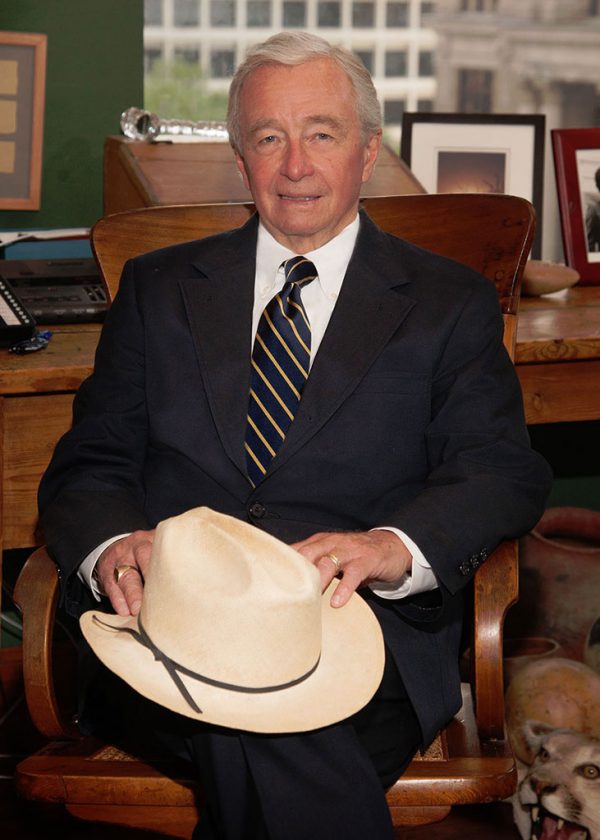
Attorney Dick DeGuerin argued that the defendants had acted in self-defense.
He said the raid was an unlawful government act, and the gunfire that followed was a response, not a plan.
The ATF started the fight, the defense argued.
The government’s military-style tactics were excessive, they said, and the dead were the result of that overreach.
The prosecution told the opposite story from the same facts.
They said the defendants had conspired to murder federal officers.
They pointed to the stockpile of weapons, the modified rifles, the preparation inside the compound.
Both sides used the raid.
Both sides used the gun battle.
Both sides used the 51-day standoff.
Each built a narrative where the other was the aggressor.
The jury heard former members describe Koresh’s control.
They heard the medical examiner testify that most of the dead died from smoke inhalation and burns, not gunfire.
They heard disputes over whether the government destroyed evidence before the scene was bulldozed.
Two irreconcilable stories sat in the same courtroom.
Was it self-defense against an unlawful raid?
Or was it conspiracy to kill federal officers?
The answer would come from the jury.
It is not established which interpretation they found more persuasive.
That verdict would come later.
AND THE STORY STILL ISN'T OVER
In June 1994, the jury acquitted all eleven defendants of the most serious charges, including conspiracy and murder.
Five were convicted of lesser weapons charges.
Those five received sentences ranging from five to forty years.
The verdict was widely seen as a rebuke of the government's case.
Appeals were largely unsuccessful, though some sentences were later reduced.
The last of the five convicted Branch Davidians was released from prison in 2007.
The U.S. government paid out over $1 million in wrongful death settlements to families of the dead.
It admitted no fault in those settlements. That is not established by the record.
The siege remains a subject of intense controversy.
Criticism of the FBI’s tactics and the handling of the investigation has not stopped.
The site of Mount Carmel has become a memorial.
A new chapel was built nearby.
Janet Reno, who authorized the final assault, defended the decision until her death in 2016.
The legal chapter closed.
The historical one remains open.
No final resolution. That would require evidence the record does not provide.
Advertisement
You may also like
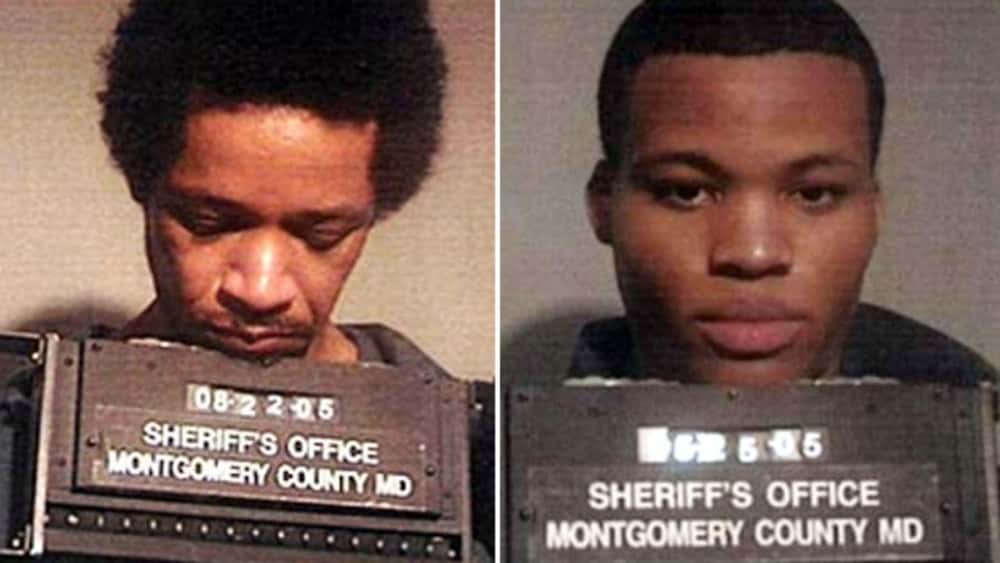
The tarot card left at a D.C. sniper crime scene that said 'Call me God'
The card was on the ground at a crime scene in Montgomery County. A tarot card, face up, with a message written across it:…
The cell phone records that placed a suspect near Leakin Park — but one witness kept changing his story
January 13, 1999, was a school day. Hae Min Lee, an 18-year-old senior at Woodlawn High School in Baltimore County, Maryland, was last seen…
The parole agent who saw a sketch and stopped a car — then Polly Klaas's killer led police to her body
The parole agent saw the car first. A sketch, a tip, and a car on the road — that was the break. On November…
The cellmate tip that cracked the Clutter case after investigators ignored a footprint
The footprint was there on the night of November 15, 1959, inside the farmhouse near Holcomb, Kansas. Four members of the Clutter family were…
The cell tower records that placed Adnan Syed at Leakin Park — and the witness who changed his story
The phone call came on February 12, 1999. Baltimore County police picked up an anonymous tip that day, and the voice on the line…
The jailhouse informant's testimony that could not save Casey Anthony
She sat in the witness box and testified that Casey Anthony had made incriminating statements while in jail. Her name was Robyn Adams, a…