Why did Susan Atkins confess to a cellmate — and what did Kasabian see?
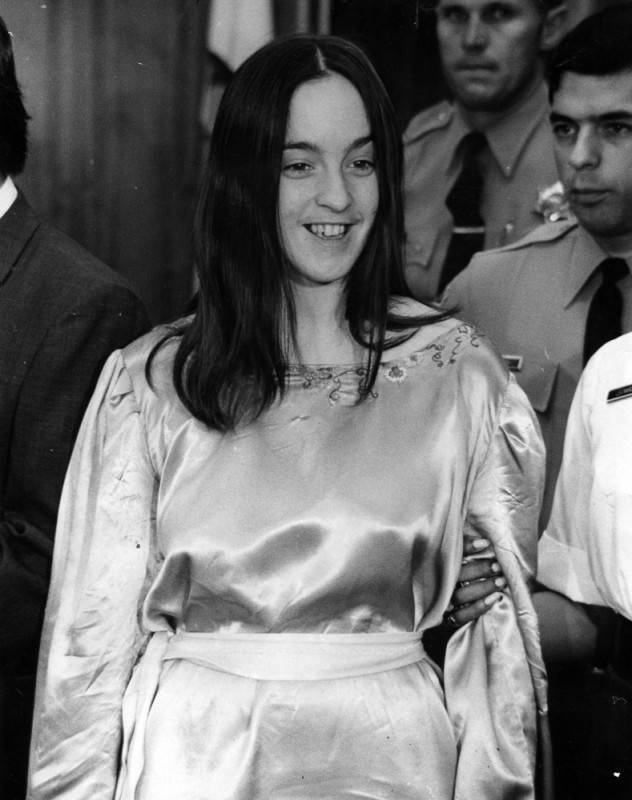
Virginia Graham had a cellmate who talked.
Susan Atkins was in jail in October 1969 on unrelated charges when she told Graham about the murders.
Graham reported Atkins's words to authorities.
That report broke the investigation open.
Months had passed since the August killings, and police were still exploring other leads, including a possible drug deal connection at the Tate residence.
Atkins had spoken, and the case changed.
Why she confessed is not established in the record.
It is only recorded that she told Graham.
Graham later testified as a prosecution witness.
Atkins's statement became a cornerstone of the prosecution's case.
So the question hangs over the trial: what drove Atkins to speak?
Was it guilt?
Was it bravado?
Was it something else?
That would require evidence.
The record does not provide it.
What it does provide is the cellmate's account, and later, another witness.
Linda Kasabian drove the car on both nights.
She was present.
She fled the group.
:max_bytes(150000):strip_icc():focal(749x0:751x2)/patricia-krenwinkel-then-now-060225-d0f0385812db48c2b07c7ce904cf8004.jpg)
She would agree to testify in exchange for immunity.
What did she actually see?
That is the other question the trial would chase.
THE NIGHTS OF AUGUST 9 AND 10
On the night of August 9, 1969, five people were murdered at 10050 Cielo Drive in Benedict Canyon.
Sharon Tate was there, eight and a half months pregnant.
Abigail Folger was there. Jay Sebring was there.
Two others were there as well, a writer and a visitor to the property’s caretaker.
The housekeeper, Winifred Chapman, found them the next morning.
The following night, August 10, Leno and Rosemary LaBianca were murdered in their Los Feliz home.
The killings were carried out by members of a group led by Charles Manson, who directed his followers.
Linda Kasabian drove the car on both nights.
She was present for both.
What she saw during the murders is not established in the record.
Only that she was there, and that she drove.
The timeline is documented through the source’s account of events.
No testimony is cited for these specific moments beyond the record.
She would later flee the group.
Authorities located her, and she agreed to testify in exchange for immunity.
The weight of the nights sits on what she could say.

It sits on what she could not.
The trial would ask what she saw, and whether her account held.
That would require evidence.
THE BREAK IN THE CASE
The investigation first turned on other leads.
A possible drug deal at the Tate residence, the police thought.
Then, in October 1969, Susan Atkins spoke.
Atkins, in jail on unrelated charges, told her cellmate Virginia Graham about the murders.
Graham reported it to authorities.
The exact content of that confession is not detailed in the source.
Only that she told Graham about the murders.
That would require evidence.
Linda Kasabian had fled the group by then.
She was located, and she agreed to testify.
In exchange, she received immunity.
The prosecution built its case on two pillars.
Kasabian's eyewitness testimony.
Atkins's statements.
Physical evidence sat alongside them.
A knife found near the LaBianca home.
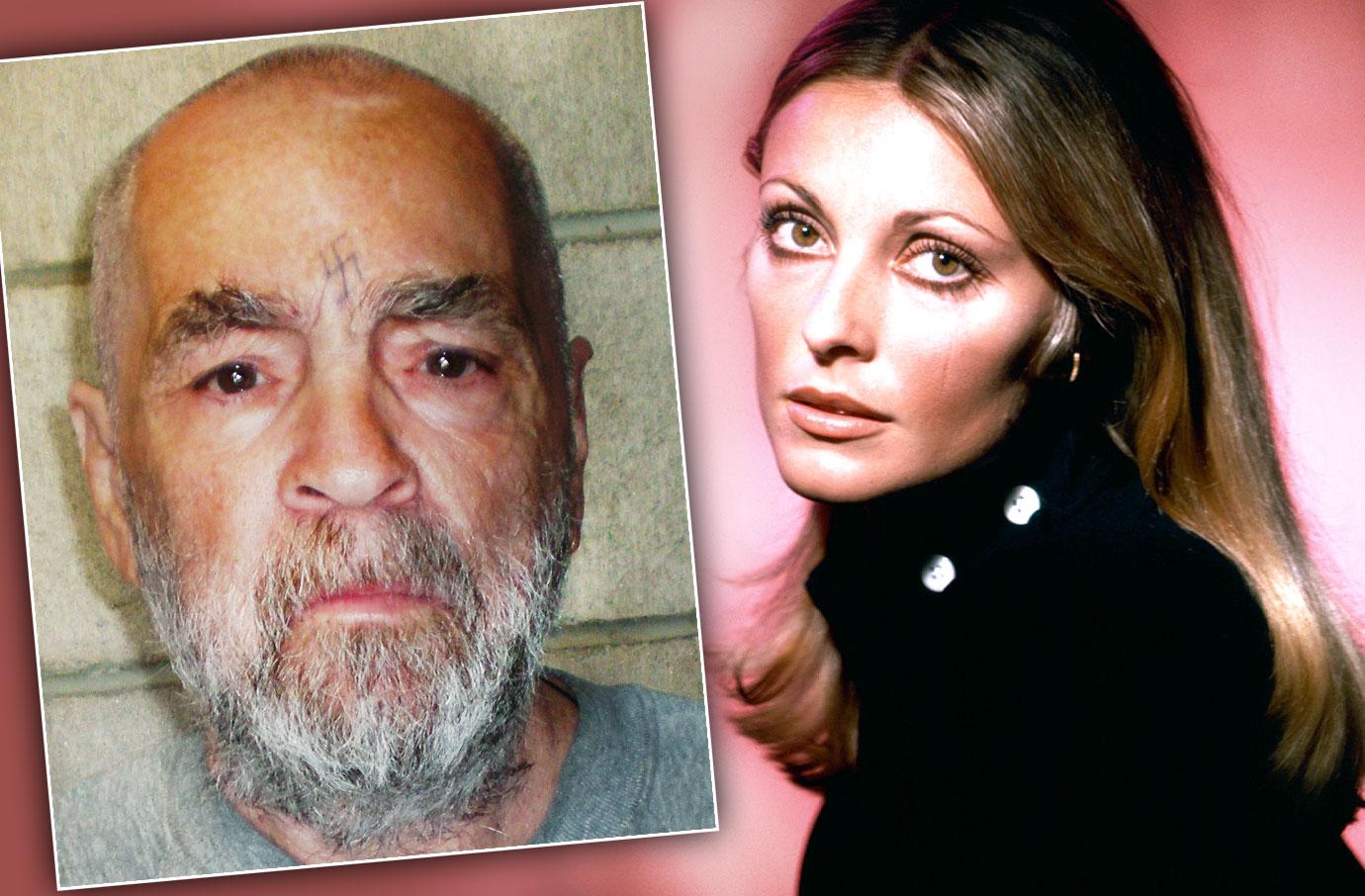
Fingerprints.
The case broke open.
It was also fragile.
Kasabian was present at the killings, driving the car.
She was not charged.
The defense would argue her account could not be trusted.
Atkins's words came from a jail cell, passed through a cellmate.
The record does not establish what she said in full.
It is a break.
It is also a risk.
THE TRIAL: TWO VERSIONS
The trial opened in June 1970 with seven counts of first-degree murder and one count of conspiracy against Manson, Atkins, Krenwinkel, and Van Houten.
The prosecution, led by Vincent Bugliosi, built its case on two pillars.
One pillar was Linda Kasabian, the eyewitness who drove the car on both nights and was granted immunity for her testimony.
The other was Susan Atkins, whose statements to her cellmate Virginia Graham had broken the case open.
Atkins testified at trial, and Graham took the stand as a prosecution witness.
Kasabian described what she saw.
She described the night at Cielo Drive.
She described the night at the LaBianca home.
The defense argued that the prosecution's witnesses were unreliable.
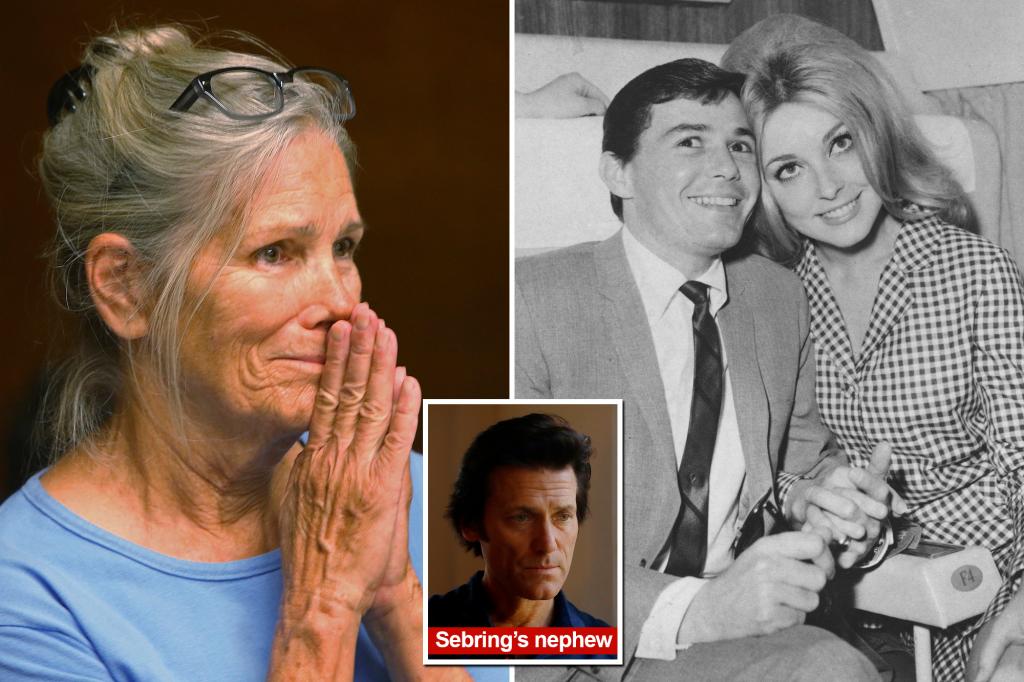
They argued that Kasabian was a participant, not a witness.
They argued that Atkins had reason to lie.
They argued that Manson had not been present at the murders.
That last point was true in a narrow sense: the record does not establish that Manson was inside either house on those nights.
The defense's specific arguments beyond witness unreliability and Manson's absence are not in the source.
The trial judge kept order as the proceedings fractured.
Manson attempted to represent himself.
An X appeared carved into the defendants' foreheads.
The courtroom became a stage for disruption.
Bugliosi countered with the physical record: a knife found near the LaBianca home, fingerprints, the testimony of the two women.
The prosecution's version was a chain of events directed by Manson.
The defense's version was a story told by criminals seeking leniency.
Two versions of the same facts.
One version put the defendants at the center of the killings.
The other version put the witnesses on trial.
The jury would have to decide which story held.
AND THE STORY STILL ISN'T OVER
In January 1971, the jury returned guilty verdicts on all counts for Manson, Atkins, Krenwinkel, and Van Houten.
The jury fixed the penalty at death for all four.
Charles "Tex" Watson, tried separately, was also convicted and sentenced to death.
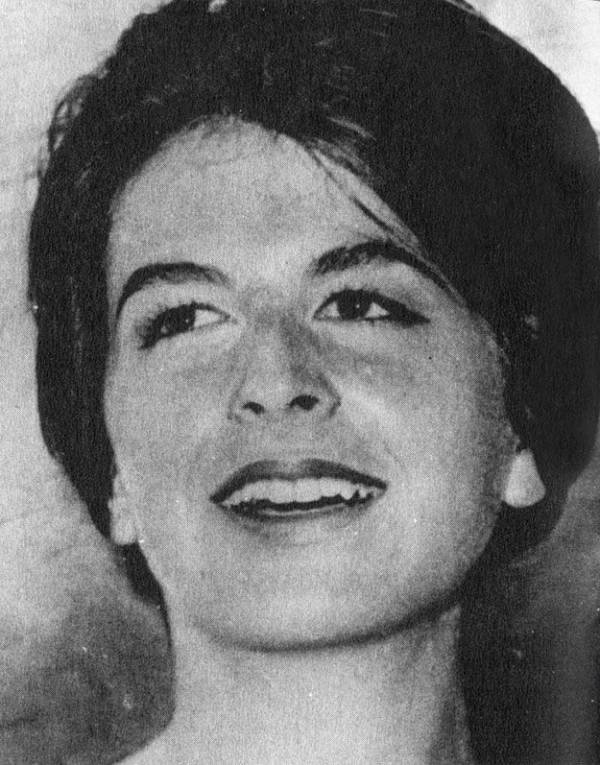
Then the story turned.
In 1972, the California Supreme Court abolished the death penalty.
All the death sentences were commuted to life in prison with the possibility of parole.
Not because the convictions were wrong.
Because the law changed.
Ronald Hughes, Van Houten's attorney, never saw the verdict.
He disappeared during a recess in the trial and was later presumed dead.
His body was never found.
The decades passed.
Charles Manson died in prison in 2017, at age 83.
Susan Atkins died in prison in 2009, at age 61.
Linda Kasabian, the prosecution's witness, died in 2020.
Patricia Krenwinkel remains in prison; her parole requests have been denied.
Charles Watson remains in prison; his parole requests have been denied.
Leslie Van Houten was granted parole in 2023 and released after 53 years.
The house at 10050 Cielo Drive was demolished in 1994.
The ground where the Tate murders happened is now something else.
Parole hearings continue for those still incarcerated.
The case remains a subject of public fascination.
The exact status of pending motions or hearings is not established in the record; only that requests have been denied or granted as noted.
What was argued in that courtroom still echoes.
What was confessed to a cellmate still carries weight.
What Kasabian saw still stands as testimony.
The verdicts were final.
The questions were not.
Advertisement
You may also like
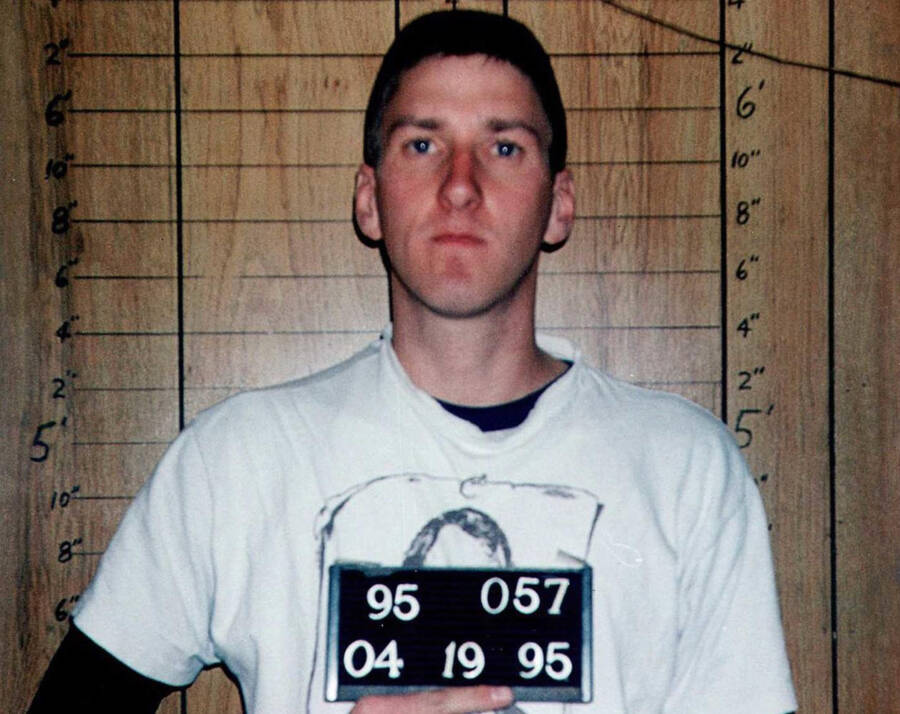
The defense’s claim that McVeigh was a scapegoat — and the witness who testified he built the bomb
The blast at the Alfred P. Murrah Federal Building occurred at 9:02 a.m. on April 19, 1995. It killed 168 people and injured more…
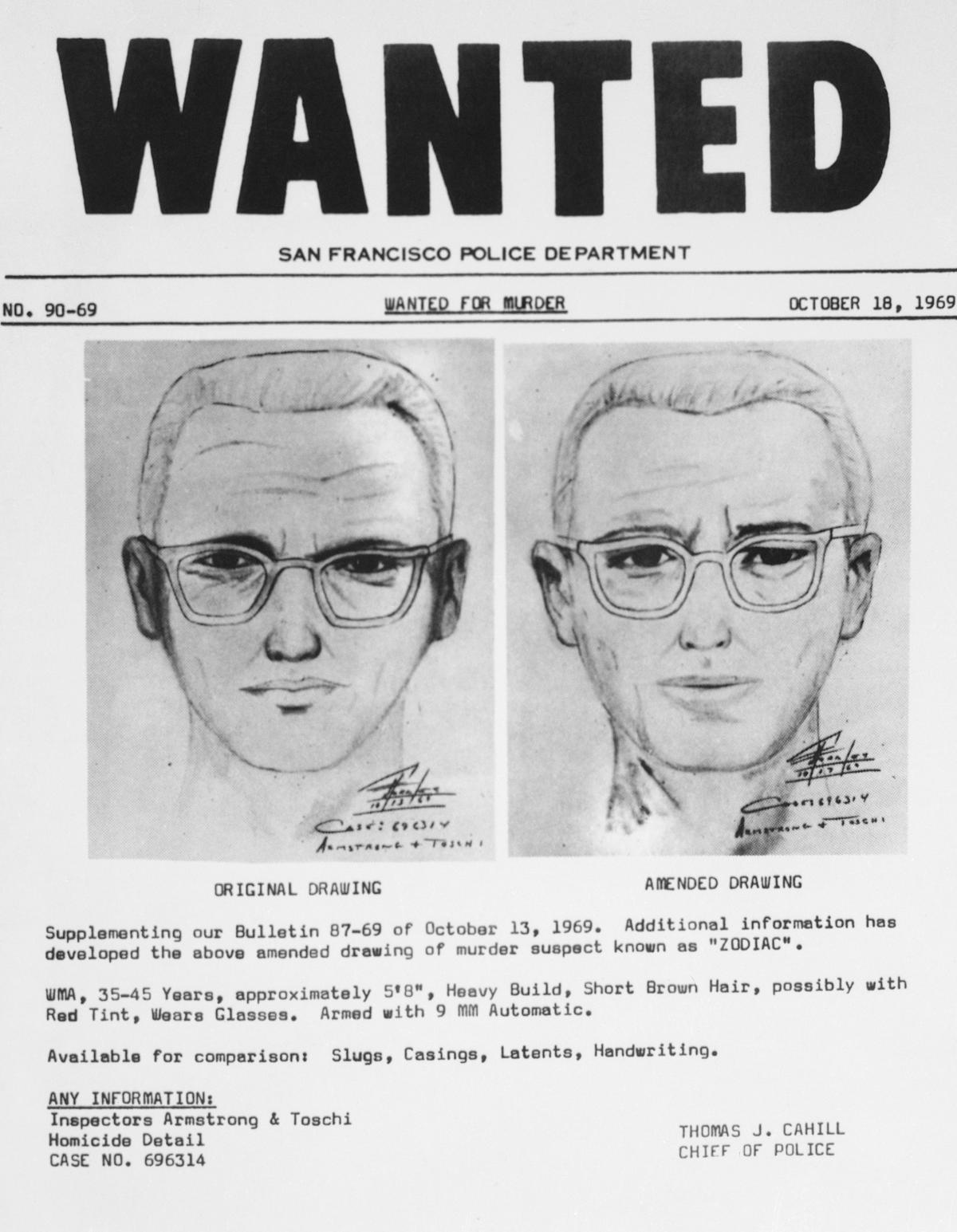
One palm print from the Zodiac's Lake Berryessa attack that no lab could ever match
A palm print and a partial fingerprint were left at the Lake Berryessa scene on September 27, 1969. They are part of the official…
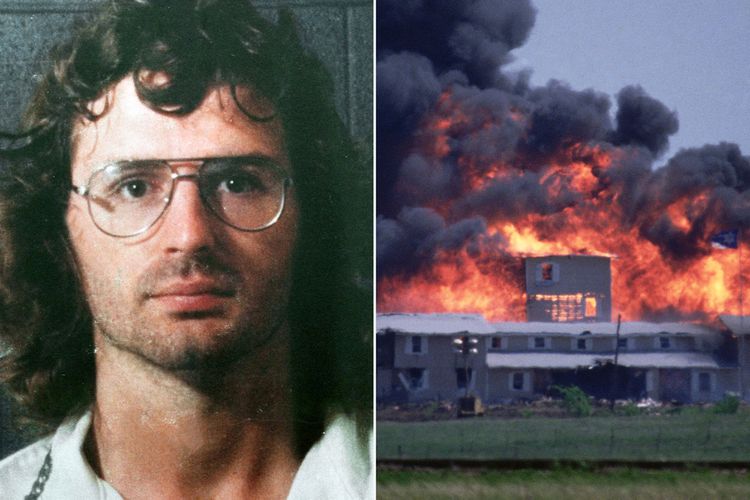
Eleven Branch Davidians on trial: the defense claim of self-defense against a government raid
The warrant was for Mount Carmel Center, a ranch near Waco, Texas, and for the arrest of David Koresh. It was February 28, 1993,…
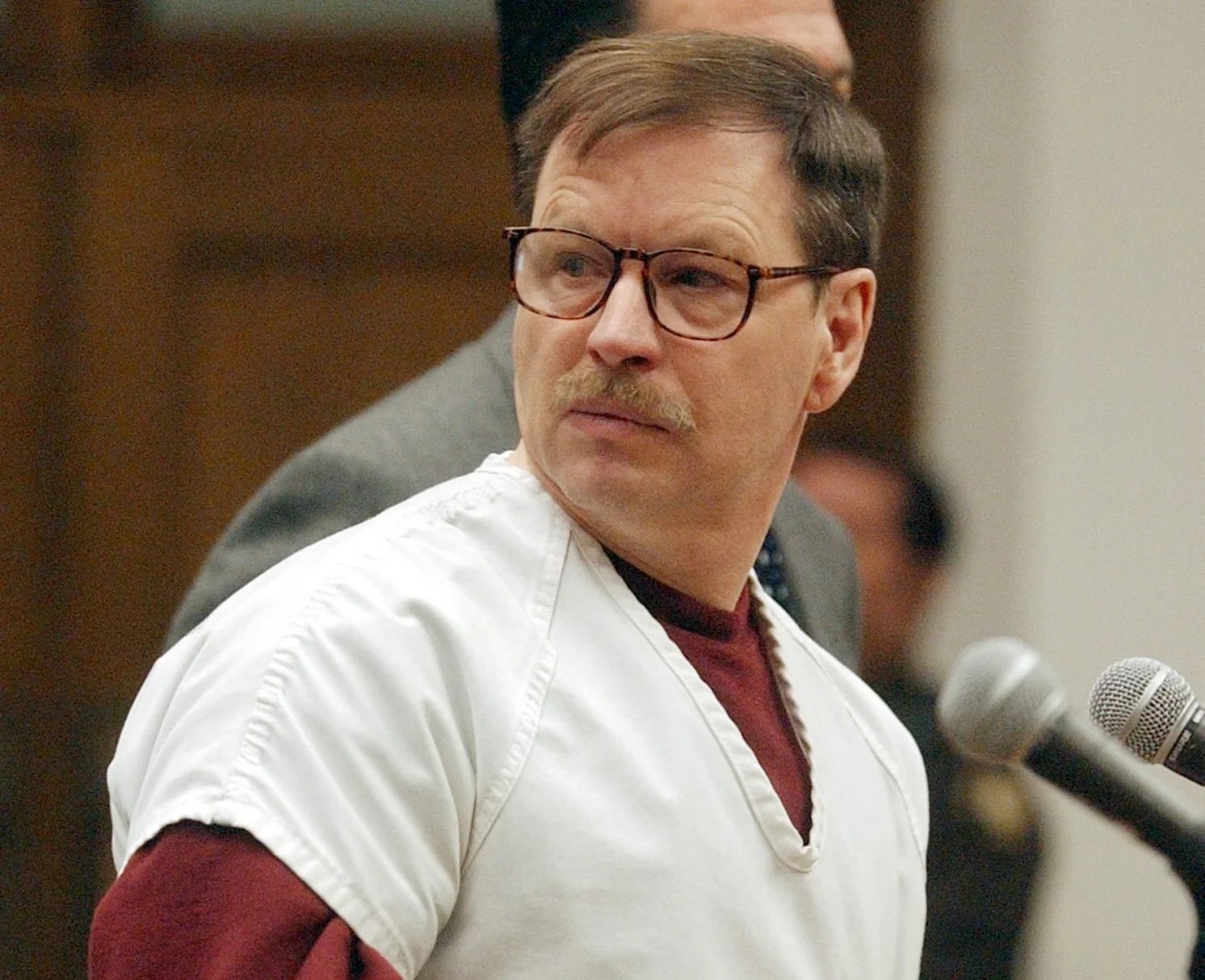
The truck painter who picked up victims on Pacific Highway South — and the DNA that ended 20 years of silence
He painted trucks for a living, the same job for decades. He lived in Auburn, a Seattle suburb, and went to church. He was…
The fishing trip Scott Peterson said he took — and the evidence that says otherwise
He told investigators he spent the morning of December 24, 2002, fishing alone at the Berkeley Marina. That was the claim. It became the…
The carjacking victim who escaped — and what he told police about the Tsarnaev brothers
The Mercedes SUV was stopped on a Boston-area street on the night of April 18, 2013. Dun Meng was inside it. Two brothers took…