The Ryder truck axle that cracked the Oklahoma City bombing case
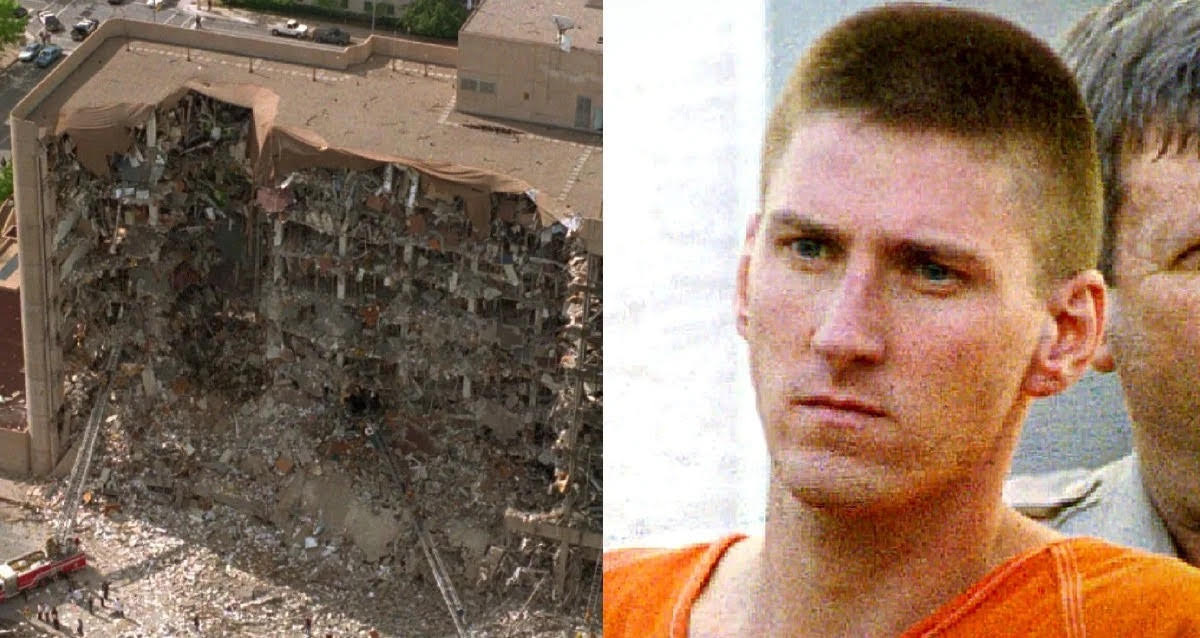
The rear axle of the Ryder truck came to rest somewhere in the rubble, and the record does not specify exactly where.
It was found within hours of the April 19, 1995 explosion outside the Alfred P. Murrah Federal Building.
The axle carried a vehicle identification number, a VIN, stamped into the metal.
That VIN would become the single most important piece of evidence in the case.
The blast itself had destroyed the front of the nine-story building.
It killed 168 people, including 19 children in the building’s day-care center.
More than 500 others were injured.
At the time, it was the deadliest domestic terrorist attack in U.S. history.
Investigators were combing the scene within minutes, rescue crews already digging.
Then they found the axle.
Not the truck, not the cab, not the cargo box.
The axle, blown clear of the blast site.
A single metal part, twisted and scorched, still carrying its identification number.
Why would a VIN survive an explosion that leveled a federal building?
The axle is a dense piece of steel, built to carry weight, built to endure.
It endured.
The number on it was traceable.
That would require a rental agency, a clerk, a signature.
The investigators had the number; the number had a paper trail.
One part, one number, one path forward.
The rest of the case would follow from here.
THE VIN LEADS TO KANSAS
The VIN on the axle led investigators to a Ryder rental agency in Junction City, Kansas.
The rental clerk provided a description of the renter, which led to a composite sketch.
That sketch, combined with a traffic stop by an Oklahoma State Trooper who pulled over McVeigh for a missing license plate shortly after the bombing, led to McVeigh's arrest.
The exact timing of that traffic stop relative to the bombing is not in the record.
The trooper found McVeigh in possession of a firearm and other items.
But it was the later discovery of a business card from a gun show and a piece of the truck's axle that sealed the connection.
One link: the axle to the agency.
One link: the clerk's description to the sketch.
One link: the sketch and the stop to the arrest.
The FBI also traced a receipt for ammonium nitrate found in McVeigh's possession to a farm supply store.
The chain clicked, link by link, from the rubble in Oklahoma City to a man in a traffic stop in Kansas.
Not because of a confession, not because of a witness.
Because a number on a piece of metal pointed the way, and the rest of the record followed.
THE BOMB'S PAPER TRAIL
The FBI's forensic examiners went through the truck's debris and the bomb residue.
They confirmed the mixture: ammonium nitrate and fuel oil.
That is the explosive recipe, and the residue proved it was the recipe used.
The same examiners traced a receipt found in McVeigh's possession.
The receipt was for ammonium nitrate, and it led to a farm supply store.
That tied McVeigh to the purchase of the key ingredient.
The specific store name and the date of purchase are not in the record.
What is in the record is the receipt itself, and what the examiners did with it.
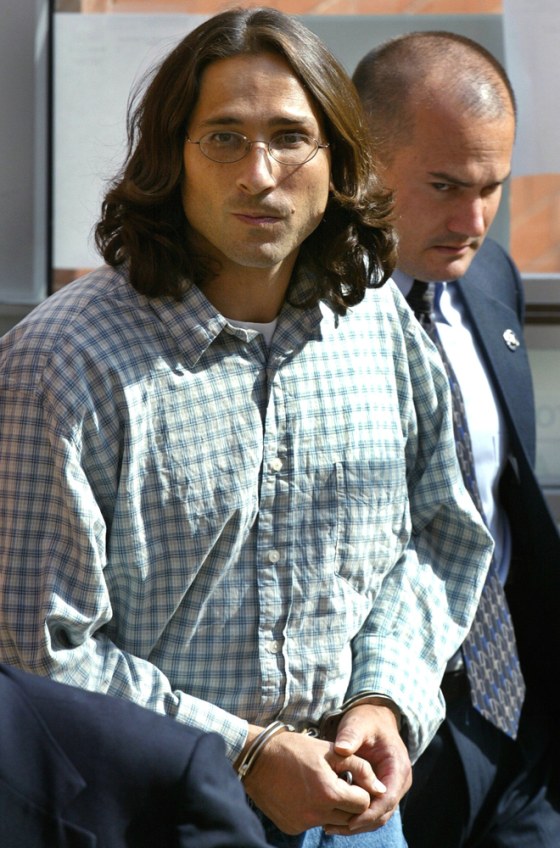
Michael Fortier knew about the plot before the bomb went off.
He testified against McVeigh and Nichols at trial.
According to his testimony, he detailed their planning.
He described the purchase of materials.
He described the construction of the bomb.
Fortier was not charged with the bombing.
He was convicted of failing to warn authorities and lying to the FBI.
He was sentenced to 12 years in prison.
The paper trail did not rely on confession.
It relied on receipts, residue, and a cooperating witness.
The receipts placed the materials in their hands.
The residue placed the bomb in the truck.
The testimony placed the intent in their planning.
The record shows what was bought.
The record shows what was built.
What the record does not show is the name of the store or the day of the sale.
Those details are simply absent.
The case moved forward on what could be proven, not on what could be assumed.
TWO STORIES, ONE TRUCK
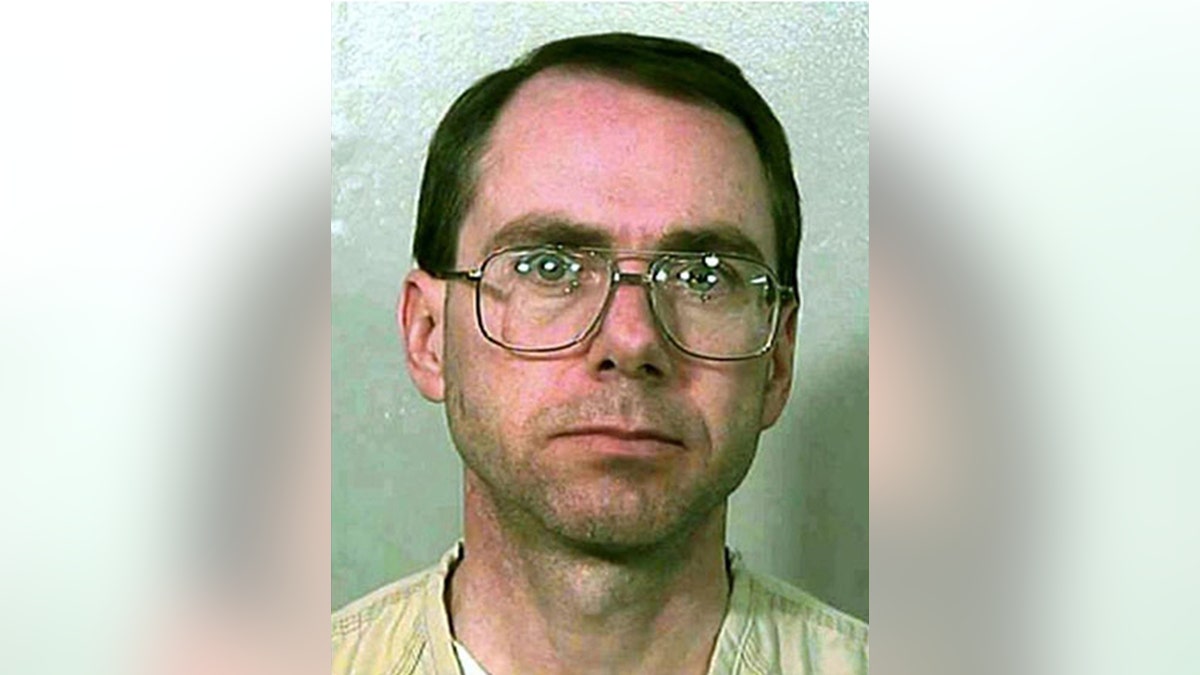
The prosecution told the jury that McVeigh, a former U.S. Army soldier, and Terry Nichols conspired to build and detonate the bomb.

The axle and the receipts were the proof, they argued, because those physical objects tied the two men to the planning.
The defense, led by Stephen Jones, answered with a different reading of the same evidence.
McVeigh was not the mastermind, the defense argued, and the case against him was circumstantial, pointing to others who might have been involved.
The same axle that the prosecution called a link, the defense called a fragment blown loose from a larger story.
The same receipt that the prosecution called a purchase, the defense called a coincidence of commerce.
The specific arguments the defense made about the axle are not detailed in the record.
That absence is part of the record itself.
The jury heard both stories, and on June 2, 1997, it rejected the defense.
McVeigh was convicted on all 11 counts of conspiracy and murder.
Nichols was convicted separately of federal conspiracy and involuntary manslaughter, and sentenced to life without parole.
The courtroom held one truck, two narratives, and a single set of facts that could not agree with each other.
What the jury decided was which story the physical evidence would carry.
The axle did not speak; it was spoken for.
AND THE STORY STILL ISN'T OVER
McVeigh was executed by lethal injection on June 11, 2001, at the federal prison in Terre Haute, Indiana.
Terry Nichols remains in federal prison, serving a life sentence.

Michael Fortier was released from prison in 2006.
The site of the bombing is now the Oklahoma City National Memorial, which honors the 168 victims.
The memorial and museum opened in 2000.
The case is closed.
No pending legal actions or new evidence are mentioned in the record.
That would require evidence.
The axle that cracked the case sits in the story the way it sat in the rubble: solid, numbered, and still.
The memorial stands as a permanent reminder of what the axle helped solve.
It is a place of remembrance, not of argument.
The courtroom held one truck, two narratives, and a single set of facts that could not agree with each other.
What the jury decided was which story the physical evidence would carry.
The axle did not speak; it was spoken for.
And the story still isn't over, because memory does not close with a verdict.
The names of the 168 are carved in stone.
The chairs on the field stand empty.
The museum keeps the timeline, the rubble, the fragments.
The axle remains a documented fact.
The rest of the investigation's story is built from the record, not from speculation.
Quiet, somber resolution.
The case is over, but the memory endures.
Advertisement
You may also like
The tarot card left at a D.C. sniper crime scene that said 'Call me God'
The card was on the ground at a crime scene in Montgomery County. A tarot card, face up, with a message written across it:…
The cell phone records that placed a suspect near Leakin Park — but one witness kept changing his story
January 13, 1999, was a school day. Hae Min Lee, an 18-year-old senior at Woodlawn High School in Baltimore County, Maryland, was last seen…
The parole agent who saw a sketch and stopped a car — then Polly Klaas's killer led police to her body
The parole agent saw the car first. A sketch, a tip, and a car on the road — that was the break. On November…
The cellmate tip that cracked the Clutter case after investigators ignored a footprint
The footprint was there on the night of November 15, 1959, inside the farmhouse near Holcomb, Kansas. Four members of the Clutter family were…
The cell tower records that placed Adnan Syed at Leakin Park — and the witness who changed his story
The phone call came on February 12, 1999. Baltimore County police picked up an anonymous tip that day, and the voice on the line…
The jailhouse informant's testimony that could not save Casey Anthony
She sat in the witness box and testified that Casey Anthony had made incriminating statements while in jail. Her name was Robyn Adams, a…