The grand jury that reviewed Adam Walsh's evidence but issued no indictment
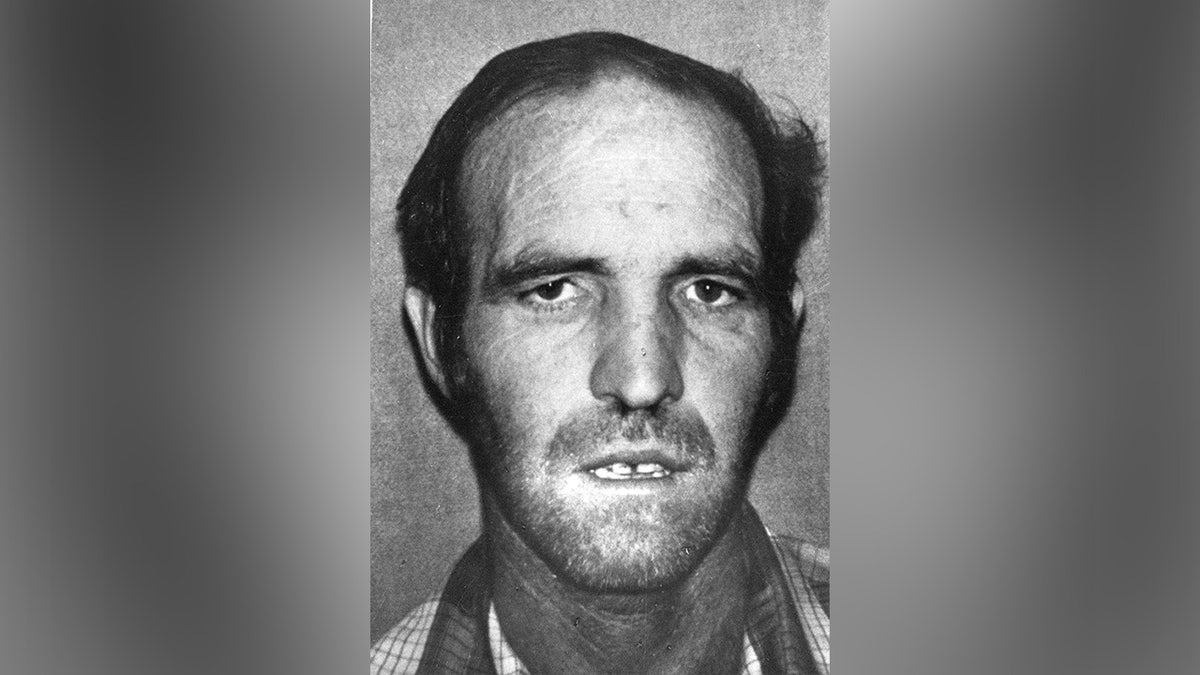
On July 27, 1981, six-year-old Adam Walsh was watching television with other children in the Sears department store at the Hollywood Mall in Hollywood, Florida.
His mother was shopping nearby in the same store.
A security guard escorted him from the store after finding him misbehaving.
The guard was later cleared.
The boy was never seen alive again by his family.
This is the moment that would be examined for decades.
What happened after he left the store is the question at the heart of the case.
What exactly happened after the security guard escorted Adam from the store is not established in the record.
The television set was on.
The store was open.
A child was watching cartoons, or something like that, while his mother looked at clothes a few aisles over.
Then a guard took him by the hand.
Then the door.
Then nothing.
That nothing — the gap between the store and the canal — is where the case would live for twenty-seven years.
THE DISCOVERY
On October 10, 1981, Adam's severed head was discovered in a drainage canal along Florida's Turnpike near Vero Beach.
That was about 120 miles from the Hollywood Mall where he had vanished.
The rest of his body was never found.
The initial investigation focused on the Sears store and its employees.
Police questioned the security guard who had escorted Adam from the store after the boy was found misbehaving.
The guard was cleared.
The case went cold for years.
For more than a quarter-century, the case remained unsolved.
The medical examiner who examined Adam's remains testified before a grand jury that the cause of death was homicide.
The exact manner of death was not determined.
That would require evidence that the record does not establish.
The canal gave back only a head.
It gave back no body, no weapon, no witness to the act itself.
Not because the investigation was idle.
But because the trail, such as it was, had gone cold.
The gap between the store and the canal remained a blank.
It was a void the case would occupy for twenty-seven years.
THE CONFESSIONS AND RECANTATIONS
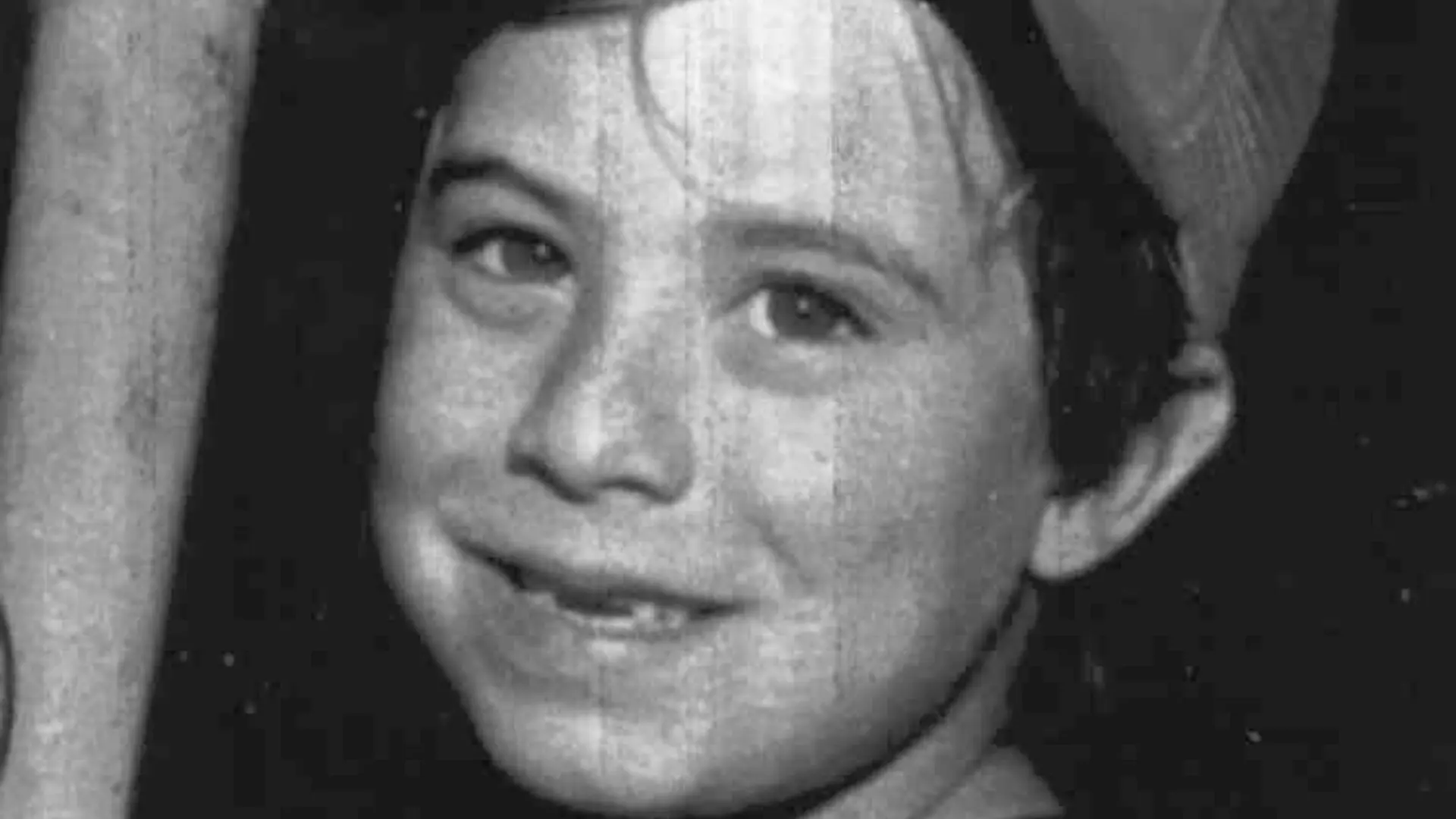
In 1983, Ottis Toole began confessing.
Toole was a drifter, a serial killer, already in prison in Florida for other crimes.
He gave confessions to police.
He gave a confession to John Walsh, Adam’s father.
Then he recanted.
He gave more confessions, and he recanted again, and the details shifted between tellings.
The reliability of Toole’s confessions is not established.
That is the record: a man who said he did it, then said he did not, then said he did, with names, places, and methods that did not stay the same.
It is not a clean confession. It is not a clean denial.
It is a pile of statements, and the pile does not hold together.
Toole died in prison in 1996, of liver failure, while serving a life sentence for other murders.
He was never charged with Adam’s murder.
He was never tried for it.
For years, the case sat with his words in it — words that pointed at him, words that pointed away, words that pointed nowhere.
In 2006, the Hollywood Police Department reopened the case.
The old files came out. The confessions came back into view.
But Toole was ten years dead, and his testimony could not be tested in a courtroom.
There was no witness to cross-examine. There was no defendant to convict.
There was only what he had said, and what he had unsaid.
The question was not whether he had confessed. He had.
The question was whether any of it was true.
That would require evidence, and the evidence was a man who could not stop changing his story.
THE GRAND JURY
In 2008, a grand jury was convened to review the evidence.
The medical examiner testified before the grand jury that the cause of death was homicide.
The exact manner was not determined.
The grand jury did not issue an indictment.
No one was ever charged with or tried for the murder of Adam Walsh.
The Hollywood Police Department closed the case that same year, declaring that Toole had acted alone.
They cited physical evidence linking Toole to the crime: his car, a knife found in his possession, statements from Toole's family members.
It was a conclusion without a conviction.
It was a verdict without a trial.
Why did the grand jury decline to indict?
Why did the evidence satisfy the police but not the panel?
Why did twenty-seven years of confessions, recantations, and reopened files end in silence?
That would require evidence.
The grand jury's reasoning is not in the record.
Toole was dead by then, dead since 1996, serving life for other murders.
A dead man cannot stand trial.
A dead man cannot be charged.
The case was closed because the suspect was gone, and the panel that could have spoken did not.
The medical examiner's word was homicide.
The police's word was Toole, alone.
The grand jury's word was nothing at all.
No indictment, no charge, no trial.
The record holds the testimony, the evidence, the closing announcement.
It does not hold the answer to why the panel stayed silent.
AND THE STORY STILL ISN'T OVER
The case was officially closed in 2008.
The Hollywood Police Department announced that Ottis Toole had acted alone, and the file was shut.
No further legal proceedings are pending — the case is closed without any trial.
There is no next concrete step in the legal process.
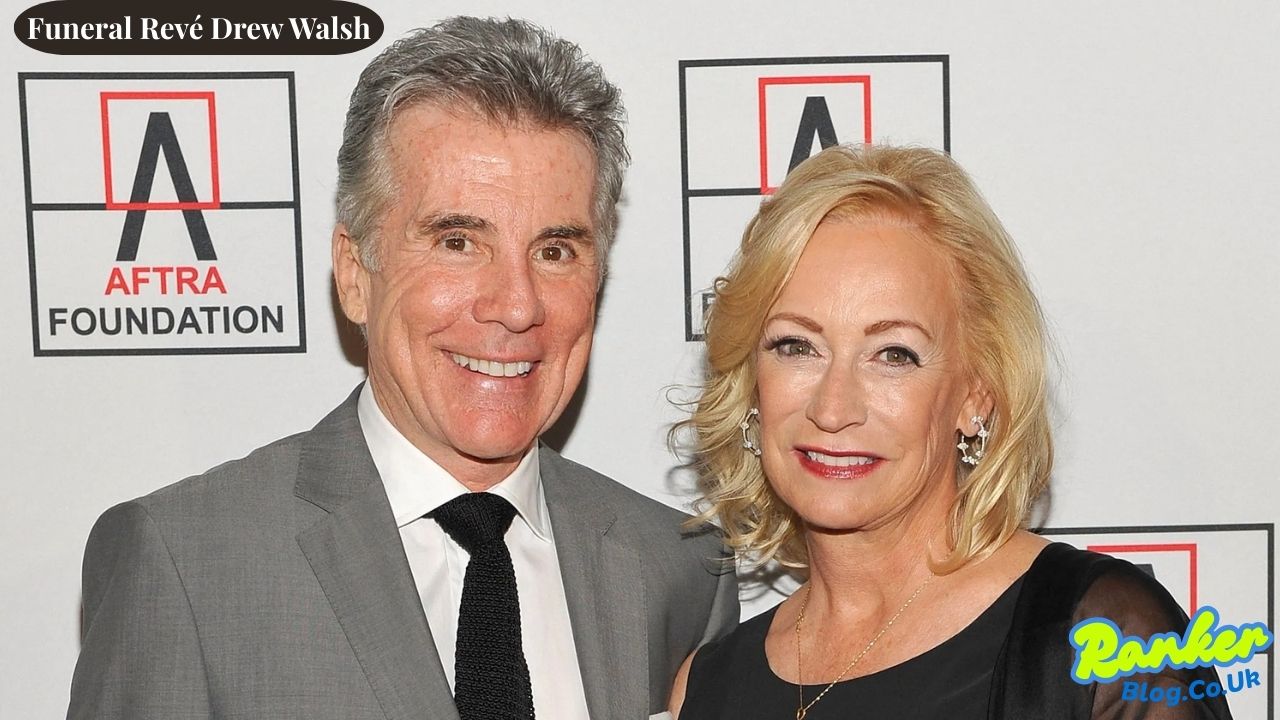
John Walsh has said he accepted the police conclusion that Toole was responsible.
Revé Walsh has said the same, in her own way, through years of public advocacy.
John Walsh and Revé Walsh have continued to advocate for victims' rights and for reforms in missing-persons investigations.
It is a legacy built from a closed file.
The Hollywood Police Department issued a formal apology to the Walsh family for the failures of the original investigation.
An apology, not a charge.
Not because the evidence was lacking. Because the accused was dead.
Toole died in 1996 while serving a life sentence for other murders.
The grand jury heard testimony. The medical examiner testified that the cause of death was homicide, though the exact manner was not determined.
No indictment followed.
The record holds the testimony, the evidence, the closing announcement.
It holds an apology.
It does not hold a trial.
It does not hold a verdict.
It does not hold a name on a docket.
The case is closed.
The advocacy is not.
Advertisement
You may also like
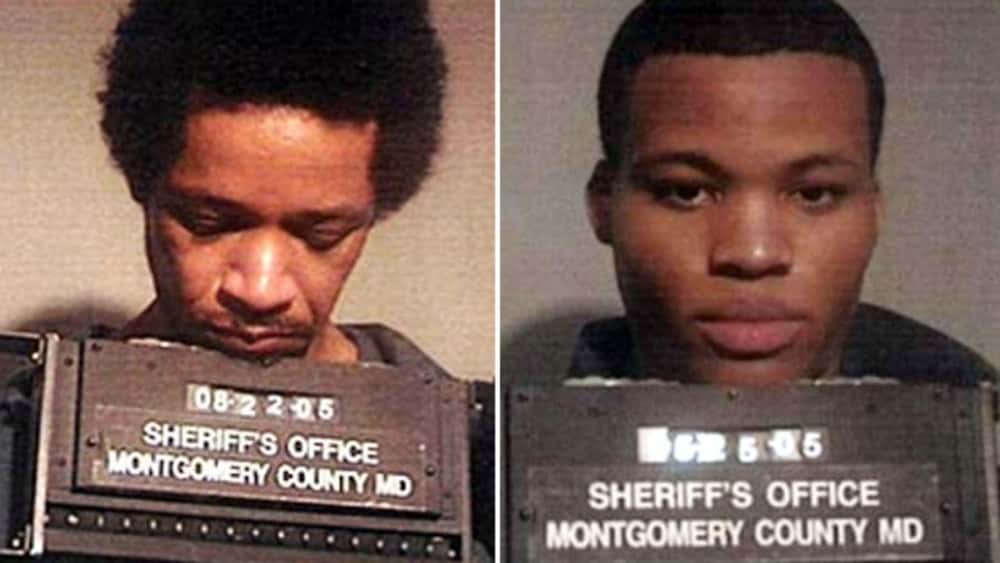
The tarot card left at a D.C. sniper crime scene that said 'Call me God'
The card was on the ground at a crime scene in Montgomery County. A tarot card, face up, with a message written across it:…
The cell phone records that placed a suspect near Leakin Park — but one witness kept changing his story
January 13, 1999, was a school day. Hae Min Lee, an 18-year-old senior at Woodlawn High School in Baltimore County, Maryland, was last seen…
The parole agent who saw a sketch and stopped a car — then Polly Klaas's killer led police to her body
The parole agent saw the car first. A sketch, a tip, and a car on the road — that was the break. On November…
The cellmate tip that cracked the Clutter case after investigators ignored a footprint
The footprint was there on the night of November 15, 1959, inside the farmhouse near Holcomb, Kansas. Four members of the Clutter family were…
The cell tower records that placed Adnan Syed at Leakin Park — and the witness who changed his story
The phone call came on February 12, 1999. Baltimore County police picked up an anonymous tip that day, and the voice on the line…
The jailhouse informant's testimony that could not save Casey Anthony
She sat in the witness box and testified that Casey Anthony had made incriminating statements while in jail. Her name was Robyn Adams, a…