The FBI tape that captured what happened inside the Waco compound before the fire
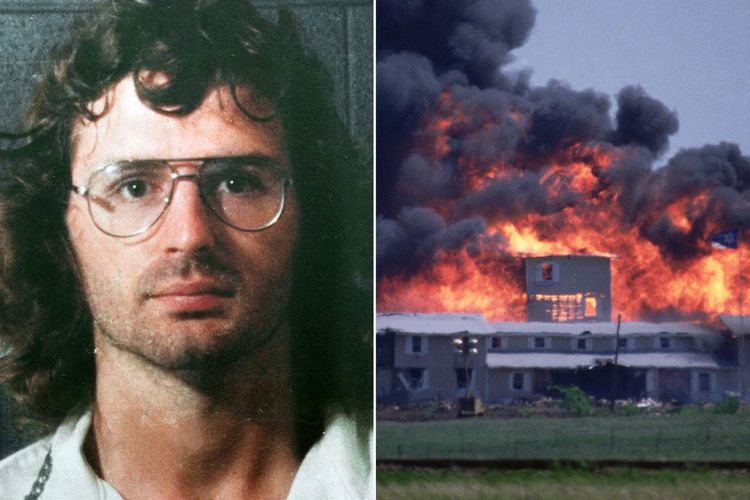
The infrared footage was shot from above, by surveillance aircraft circling the compound.
The audio recordings were captured the same way, microphones picking up whatever passed through the air that morning.
On April 19, 1993, the FBI launched a tear gas assault on the Mount Carmel Center.
A fire broke out.
It swept through the compound and killed 76 people, including David Koresh and many children.
After the fire, investigators pored over the tape.
It was the FBI's own evidence — audio and infrared footage, analyzed after the flames had died.
The tape is what the determination rested on.
The fire was determined to have been deliberately set by the Branch Davidians.
That determination came later.
The tape itself is what investigators studied, frame by frame, hour by hour.
What exactly the audio recordings and infrared footage show in detail is not specified in the record.
The determination of who started the fire is a conclusion.
It is not a visual on the tape.
The compound had held a large cache of weapons, rifles and grenades, which was the basis of the initial ATF raid.
That raid came first, on February 28.
The fire came second, on April 19.
Between them, 51 days of siege.
The tape outlived the fire.
It holds a question the case has never fully answered.
Who started the fire is a matter of legal and public dispute.
The recording is the closest thing to an answer, and it does not show the answer plainly.
It shows heat.
It shows movement.
It shows what the sky looked like while the compound burned.
That would require the tape to speak more clearly than it does.
FEBRUARY 28 — THE RAID
February 28, 1993.
Agents of the U.S. Bureau of Alcohol, Tobacco, and Firearms attempted to execute search and arrest warrants at the Mount Carmel Center ranch near Waco, Texas.
The ranch was the home of the Branch Davidian religious sect, led by David Koresh.
The warrants were based on evidence of illegal weapons and explosives at the compound.
A gun battle erupted.
Four ATF agents died: Conway LeBleu, Todd McKeehan, Robert Williams, and Steve Willis.
Six Branch Davidians also died in the initial gun battle.
The initial investigation centered on that weapons evidence.
It was the reason for the warrant, the reason for the raid, the reason the agents were there at all.
Who fired first?
Who fired the shot that started the gun battle?
Who decided that the warrants would be served by force?
The record does not establish the exact sequence of who fired first.
The defense disputed the government's theory that the Branch Davidians initiated the gun battle.
That theory would matter later, at trial, when the government's case relied heavily on it.
But on that morning, the only thing the record establishes is the arrival of the agents, the execution of the warrants, and the gunfire that followed.
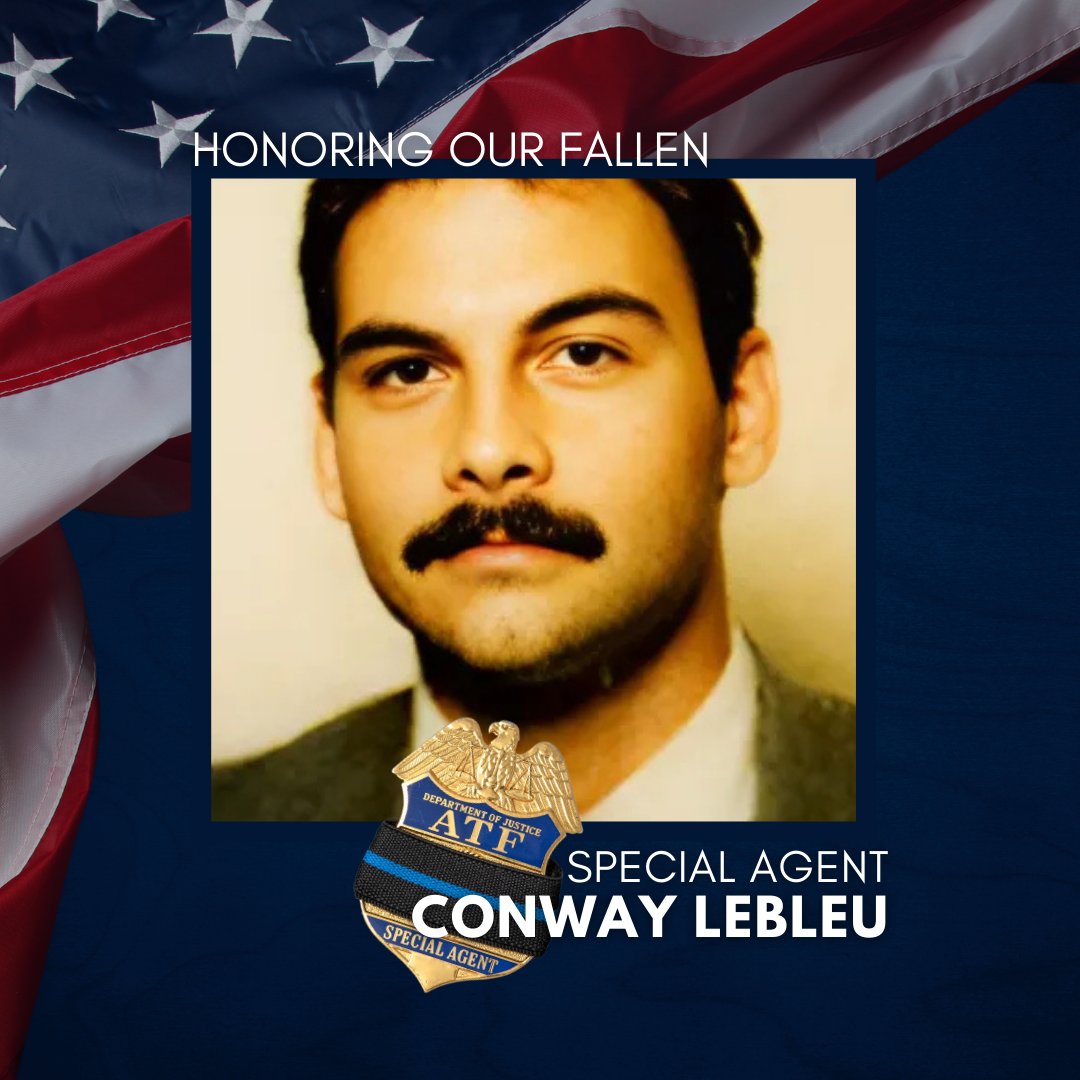
Four agents dead.
Six Branch Davidians dead.
The search warrants were never fully executed.
The siege began.
51 DAYS — THE SIEGE AND THE TAPE
The siege lasted 51 days.
The FBI took over negotiations from the ATF.
On April 19, 1993, the FBI launched a tear gas assault to end the standoff.
A fire broke out and swept through the compound.
The fire killed 76 people.
David Koresh died in the fire.
Many children died in the fire.
The FBI's own evidence was analyzed during and after the siege.
That evidence included audio recordings from surveillance.
That evidence included infrared footage from surveillance aircraft.
The medical examiner, Dr. Nizam Peerwani, performed the autopsies.
His autopsies showed many victims died of smoke inhalation and burns.
Some gunshot wounds were found among the dead.
What the infrared footage captured in the moments before the fire is not detailed in the record.
The exact cause of the fire's spread is not specified beyond the determination that it was deliberately set.
That determination came later, from investigators and from the Justice Department's special counsel.
But the tape itself does not answer the question of who started the fire.
The audio recordings captured what happened inside the compound.
What the recordings reveal is a matter of ongoing public dispute.
The fire was the single catastrophic morning that ended the standoff.
The evidence that followed was clinical.
It was measured.
It was weighed in court.
THE TWO STORIES OF THE SAME FIRE
The same evidence produced two conclusions.
In 1999, Attorney General Janet Reno appointed former Senator John C. Danforth as special counsel to investigate the government's conduct.
Danforth's 2000 report concluded that the fire was deliberately set by the Branch Davidians.
It concluded that no government agent started it.
That was one story.
The trial told another.
Eleven surviving Branch Davidians were charged with conspiracy to murder federal officers, murder, and weapons charges.
The trial began in January 1994 in San Antonio.
The government's case relied heavily on the theory that the Branch Davidians had initiated the gun battle.
The defense disputed that theory.
In February 1994, the jury acquitted all eleven of the most serious charges.
Murder.
Conspiracy to murder.
All of it.
Eight were convicted of voluntary manslaughter and weapons violations.
Three were acquitted entirely.
Sentences ranged from five to forty years in prison.
The convictions were largely upheld on appeal, though some sentences were later reduced.
So the gap sits there, documented and unresolved.
The special counsel concluded the Branch Davidians started the fire.
The jury would not convict them of murder.
Whether the Branch Davidians or the government started the fire is not established beyond Danforth's 2000 conclusion.
The acquittals leave the question legally unresolved.
Not because the evidence was missing.
The evidence was played in court.
It was weighed.
It produced two verdicts anyway.
AND THE STORY STILL ISN'T OVER
The Branch Davidians convicted in 1994 served their sentences.
The last of them were released in the late 2000s.
The Mount Carmel site was later occupied by a small group of remaining Branch Davidians.
They remain there, among the ruins of the building whose fire the tape recorded.
The FBI's handling of the siege remains a subject of intense public debate and criticism.
It is a closed case in court.
It is not a closed case in public memory.
The special counsel's 2000 report cleared federal agents of wrongdoing regarding the fire.
It criticized some tactical decisions.
It did not assign blame for the fire to the government.
It concluded the Branch Davidians set it.
That report was one finding.
The trial produced another.
The evidence was played in court.
It was weighed.
It produced two verdicts anyway.
The case has been the subject of numerous books, documentaries, and films.
Each retelling reopens the same question.
Who started the fire?
Who fired first?
Who is accountable?
That would require evidence.
The record does not establish that any new investigation or legal action is pending.
The next concrete step is not specified.
The tape survives.
It outlived the fire.
It outlived the trial.
It outlived the last release from prison.
And it is still being argued over.
The story still isn't over.
Advertisement
You may also like
The confession freed the jury to decide only one question: was he insane?
The knife Moseley said he used was never recovered. He was a 29-year-old business machine operator who confessed to the murder of Catherine "Kitty"…
The duct tape on Laci Peterson's body that led to a conviction, but no cause of death
The duct tape was on her body when she was found. It was wrapped around her, forensic evidence presented at trial showed. That much…
The former associate’s testimony that could decide the Tupac Shakur murder trial
The former associate took the stand in a Las Vegas courtroom and said Duane “Keffe D” Davis admitted to being involved in the shooting…
One body in a vacant lot, and the last call Elizabeth Short ever made
She was found at 39th Street and Norton Avenue, in a vacant lot in the Leimert Park area of Los Angeles. A woman walking…
The neighbor's camera that contradicted Christopher Watts's timeline — and the confession that followed
A neighbor’s security camera saw Shanann’s blue Ford Escape leave the home that morning. Christopher Watts told police he left for work at 5:15…
The Ryder truck axle that cracked the Oklahoma City bombing case
The rear axle of the Ryder truck came to rest somewhere in the rubble, and the record does not specify exactly where. It was…