The parolee who led police to Polly Klaas—and the sentence he still waits for
The pillowcases came from the house.
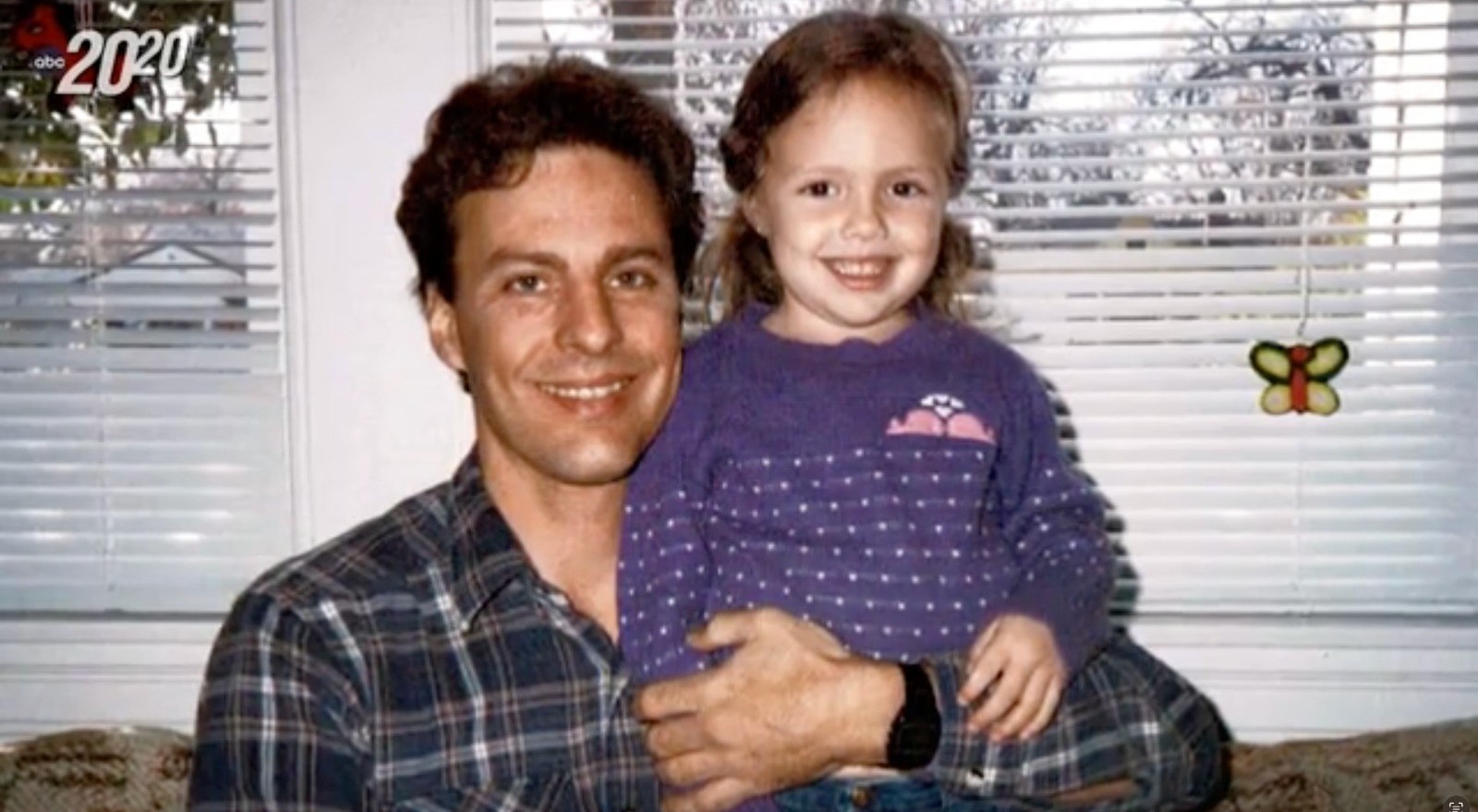
On the night of October 1, 1993, 12-year-old Polly Klaas was having a slumber party with two friends at her mother's home in Petaluma, California. The girls were in her bedroom. Her mother was in another room.
An intruder came in through an unlocked window.
He tied up the three girls. He placed pillowcases over their heads. He took Polly and left.
Her friends worked free of their bindings. They found Polly's mother. They told her what had happened.
A massive search followed. It drew national attention. Helicopters, volunteers, and law enforcement spread across the county.
Who could do this? How did he get in? How did he leave with a child while her mother sat in the next room?
The record does not name the intruder here. Not yet. What is documented is the window, the bindings, the pillowcases, and the empty bed.
She was 12 years old. She was having a sleepover. The window was unlocked.
THE PAROLEE AND THE COMPOSITE SKETCH
The composite sketch went out in late November 1993.
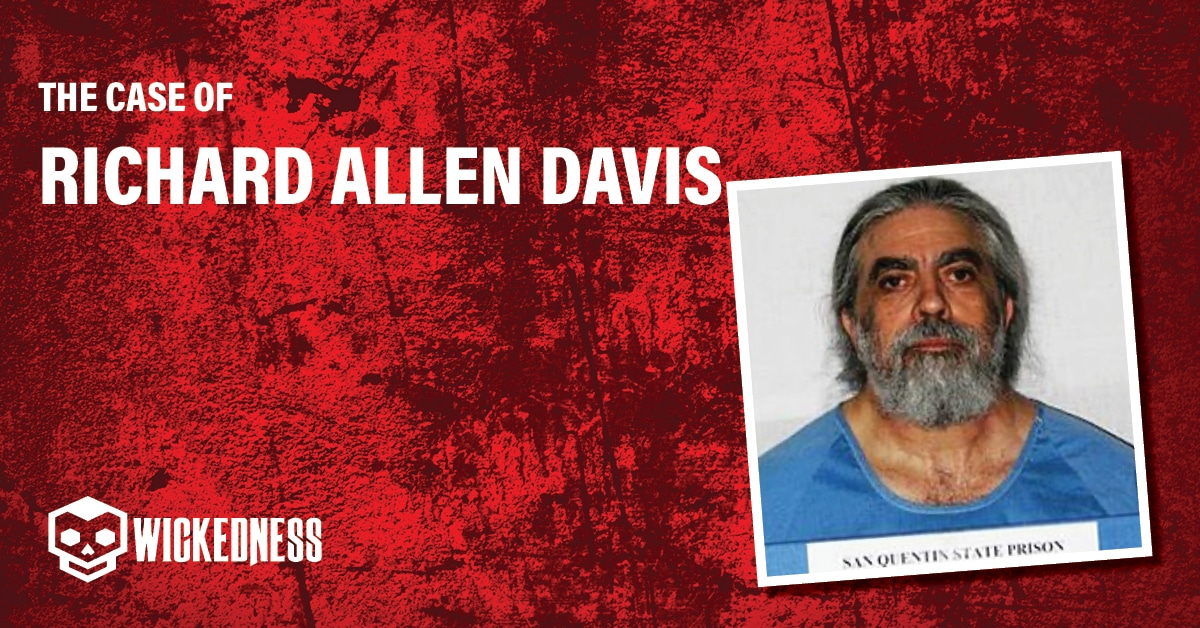
A woman who had recently dated Richard Allen Davis saw it and recognized him.
She contacted authorities.
Davis was a repeat offender with a long criminal record.
He was on parole at the time of the kidnapping.
The record does not specify what the unrelated parole violation was that led to his arrest.
It also does not state the exact date the composite sketch was released.
What is documented is this: Davis was arrested on November 30, 1993, on that unrelated parole violation.
During questioning, he confessed.
He confessed to the kidnapping.
He confessed to the murder.
He led investigators to Polly's body on December 4, 1993.
She was in a shallow grave near Cloverdale, California.
She had been strangled.
Davis used his hands.
The search that had drawn national attention was over.
The relief of an ending arrived with the horror of what the ending contained.
A repeat offender, out on parole, had done this.
The system that released him was the system that now held him.
He was charged with first-degree murder with special circumstances.
That came later.
First came the confession, the grave, and the hands.
THE TRIAL AND THE SENTENCE
The trial opened in Sonoma County Superior Court in 1996.
Davis faced first-degree murder with special circumstances: kidnapping, burglary, the use of a deadly weapon.
The jury heard the confession.
They heard how he led investigators to the shallow grave near Cloverdale.
They heard the fibers from his clothing.
The verdict was guilty on all counts.
The jury then recommended the death penalty.
In September 1996, the trial judge sentenced Davis to death.
Then came the sentencing hearing.
Davis made a statement.
The record says it was unrepentant.
The record says it caused an outburst in the courtroom.
That is what the record says.
It does not record the exact wording of the statement.
It does not record the nature of the outburst beyond that it occurred.
Those details remain unestablished.
The sentence was carried onto appeal.
The conviction was upheld.
The death sentence was upheld.
He was returned to death row at San Quentin.
The finality was real.
It was a conviction, a sentence, a judgment entered in the record.
It was also, for the family, a door that did not close.
Davis was on death row.
The state was not executing anyone.
THE MORATORIUM AND THE FAMILY TODAY
Davis remains on death row at San Quentin State Prison.
California has not carried out an execution since 2006, the record shows, due to legal challenges to the death penalty.
Governor Gavin Newsom issued an executive order in 2019 halting executions.
The sentence stands. The state does not carry it out.
That is the gap: a death sentence that is real, and a death that does not come.
Polly’s mother, Eve Nichol, has largely stayed out of the public eye.
The source does not specify her current activities beyond that.
Her father, Marc Klaas, went the other way.
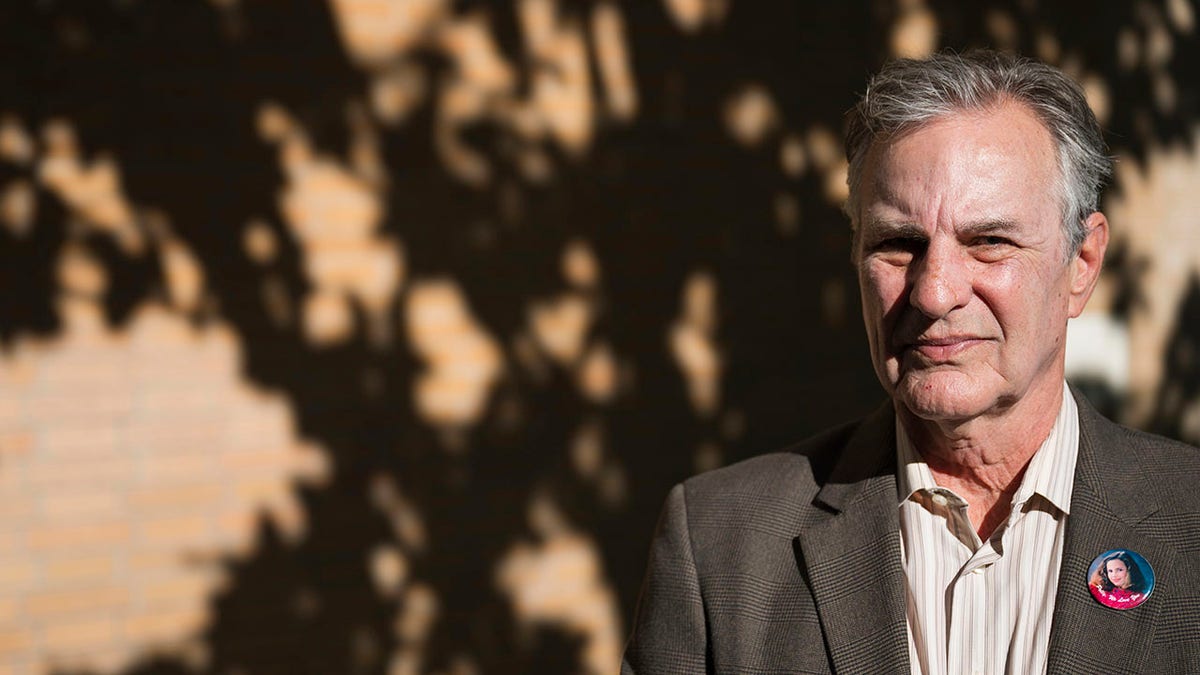
He became a prominent victims’ rights advocate, founding the KlaasKids Foundation, which works on child safety and missing-children issues.
He has spoken publicly about the case for decades.
He has been critical of California’s criminal justice system for releasing Davis on parole despite his record.
That release is on the record. That criticism is on the record.
The case also led to the passage of “Three Strikes” legislation in California and other states, increasing sentences for repeat offenders.
A law named for a baseball count, written because of a parolee.
Davis’s appeals, the recent reports say, have been exhausted.
What that means exactly is not established in the record.
He waits. The family waits with him.
Not because the sentence is unclear. Because the state will not act on it.
Eve Nichol stays quiet. Marc Klaas does not.
AND THE STORY STILL ISN'T OVER
Richard Allen Davis remains on death row.
His appeals have been exhausted. California’s death penalty is under a moratorium.
Governor Gavin Newsom issued an executive order in 2019 halting executions, and the state has not executed anyone in nearly two decades.
The sentence stands. The state will not carry it out.
Not because the law changed. Because the moratorium holds.
Marc Klaas has spoken publicly about the case for decades. He has been critical of the system that released Davis on parole despite his record.
He founded the KlaasKids Foundation, working on child safety and missing-children issues. He has said the system failed his daughter before the crime, and he has said it fails her again by not acting on the sentence.
The case changed the law. It led to the passage of “Three Strikes” legislation in California and other states, increasing sentences for repeat offenders.
Davis was a repeat offender. The law that followed him was written for men like him.
What comes next for Davis is not in the record. No upcoming hearing date, no motion, no decision pending. The next concrete step is not established.
He waits. The family waits with him.
It is a sentence. It is also a stalemate.
The record shows the conviction. The record shows the sentence. The record does not show an end.
Advertisement
You may also like
The Manson follower whose parole grants kept getting reversed — until 2023
She was granted parole, and then it was taken back. Leslie Van Houten was granted parole multiple times, according to the record. Those grants…
The Green Beret doctor who told MPs hippies killed his family — one blood word that didn't fit
The call came in on February 17, 1970, to a home off base at Fort Bragg, North Carolina. Military police found the bodies inside.…
The BTK Killer's floppy disk that led police to a church computer, and the trail it left behind
The letter arrived in 2004, on the thirtieth anniversary of the first murders. It claimed to be from BTK. A Wichita newspaper received it,…
The anonymous tip that steered police toward Adnan Syed — and the questions it left unanswered
The call came after Hae Min Lee's family reported her missing. Her car was found weeks later in a Baltimore neighborhood, and the case…
The notebook confession that ended the Gabby Petito case — and what the FBI never released
A notebook was found near Brian Laundrie's remains in the Carlton Reserve in Florida on October 20, 2021. The FBI announced on January 21,…
The police call that sent a bleeding boy back to Dahmer's apartment
Two Milwaukee police officers answered a call in May 1991 about a naked, bleeding boy. The boy was Konerak Sinthasomphone, 14 years old. They…