The Manson follower whose parole grants kept getting reversed — until 2023
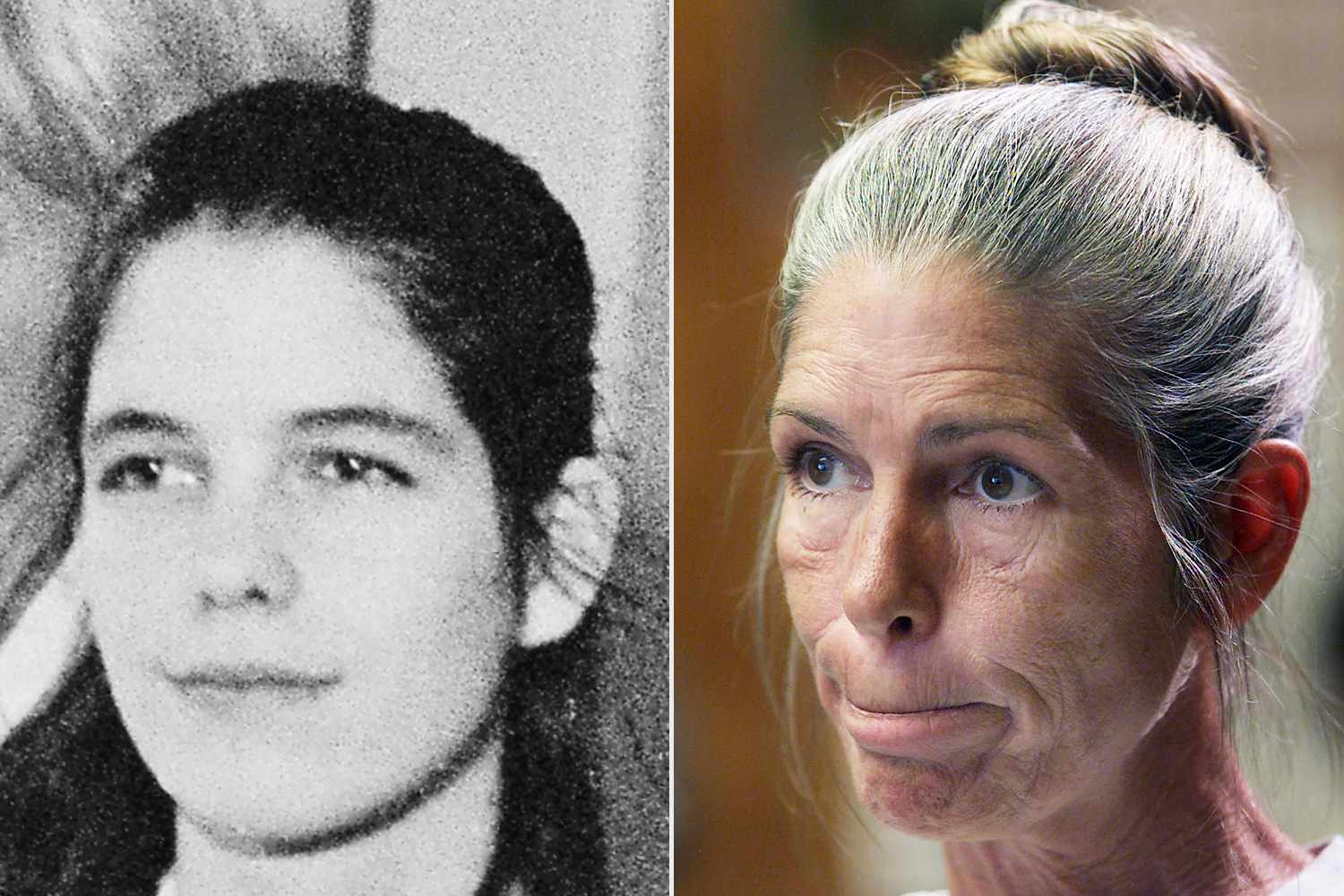
She was granted parole, and then it was taken back.
Leslie Van Houten was granted parole multiple times, according to the record.
Those grants were reversed by governors and the California parole board.
Each time, she remained in prison.
The specific reasons for each reversal are not detailed in the source.
That is where the record stops, and the question begins.
What finally changed?
Was it the evidence, the argument, the passage of decades?
Or something in the law itself?
The answer, in July 2023, came from a California appeals court.
It upheld her release, and she was paroled.
The grant stuck.
Her conviction was for first-degree murder in the LaBianca killings, the source states.
The murders occurred on August 10, 1969, in the LaBianca home in Los Feliz.
Leno and Rosemary LaBianca were killed there.
She was convicted.
She was sentenced.
She was granted parole.
She was not released.
Then, in 2023, she was.
It is a legal outcome, not a viral claim.
The record shows the grants and the reversals.
It shows the court that finally let one stand.
It does not show why the earlier ones fell.
That would require evidence.
THE NIGHT OF AUGUST 10, 1969
The night of August 10, 1969, Leno LaBianca and his wife Rosemary LaBianca were murdered in their Los Feliz home.
The killings were carried out by members of a group led by Charles Manson, a failed musician who had gathered a commune of mostly young followers at the Spahn Ranch in the San Fernando Valley.
Leslie Van Houten participated in the LaBianca murders.
The murders were discovered the following morning when the Tate housekeeper, Winifred Chapman, arrived for work.
The night before, five people had been murdered at a Benedict Canyon property, including actress Sharon Tate, who was eight months pregnant.
The LaBianca killings were initially treated as a separate case.
The exact details of Van Houten's participation are not specified in the record.
What she did in that house, the source does not say.
What role she played among the others, the source does not say.
Only that she was there, and that she participated.
The victims were found by the housekeeper.
Leno LaBianca and Rosemary LaBianca were dead in their home.
Van Houten was not the leader of the group.
Manson orchestrated the murders but did not personally participate in the killings.
The actual perpetrators included Tex Watson, Susan Atkins, and Patricia Krenwinkel.
Linda Kasabian drove the car and later testified for the prosecution.
Van Houten was among them, at the LaBianca house.
She was charged with first-degree murder and conspiracy.
That came later.
On that night, there was only the house, the victims, and the people inside it.
THE TRIAL AND THE SENTENCE
The trial began in June 1970.
Manson, Atkins, Krenwinkel, and Van Houten were charged with first-degree murder and conspiracy.
The prosecution, led by Vincent Bugliosi, argued that Manson had orchestrated the murders to incite a race war he called "Helter Skelter."
The defense argued that Manson had no direct involvement in the killings.
Van Houten's specific defense arguments are not detailed in the source.
In January 1971, all four defendants were convicted of first-degree murder and conspiracy.
They were sentenced to death.
Then the law shifted.
In 1972, the California Supreme Court abolished the death penalty.
Their sentences were commuted to life in prison with the possibility of parole.
That single word — parole — opened a door that would take five decades to walk through.
It is a legal outcome, not a vindication.
It is a sentence, not an ending.
The conviction stood.
THE PAROLE FIGHT
She was granted parole multiple times.
Those grants were reversed by governors and the California parole board.
Not once. Not twice. Repeatedly.
Each reversal sent her back.
Then, in July 2023, a California appeals court upheld her release.
She walked out on parole.
The specific legal arguments that moved the appeals court are not in the record here.
That would require evidence.
What remains is documented: the conviction stood, the sentence was commuted, and the parole fight ended.
Others from that night have not left prison.
Tex Watson remains incarcerated at Mule Creek State Prison.
Patricia Krenwinkel remains at the California Institution for Women.
Both have been denied parole repeatedly.
Charles Manson died in prison on November 19, 2017.
Susan Atkins died in prison on September 24, 2009.
She was 61.
He was 83.
The group is reduced to two men and one woman behind bars.
Van Houten is the only one of the convicted perpetrators released on parole.
It is a legal outcome, not a vindication.
It is a release, not a pardon.
The conviction stood.
The question of why her parole held when others failed remains open.
The record shows the grants, the reversals, and the final ruling.
It does not show the reasoning.
She is out.
They are not.
AND THE STORY STILL ISN'T OVER
Van Houten was released on parole in July 2023.
A California appeals court upheld her release, and the governors' reversals stopped mattering.
The case remains a subject of intense public fascination.
Numerous books, documentaries, and films have been produced about it.
Vincent Bugliosi's book "Helter Skelter" remains the most famous account.
The Spahn Ranch no longer exists.
It was destroyed by fire and development.
Linda Kasabian, who received immunity and testified for the prosecution, died in 2020 in Washington state.
She was the one who drove the car.
She was the one who walked free.
She was the one who died outside the story's glare.
Van Houten is out on parole.
Tex Watson remains incarcerated at Mule Creek State Prison.
Patricia Krenwinkel remains incarcerated at the California Institution for Women.
Charles Manson died in 2017.
Susan Atkins died in prison in 2009.
The legal record does not mention any future parole conditions for Van Houten.
It does not mention further legal steps.
That would require evidence.
The appeals court ruling was a legal outcome, not a viral claim.
The story still isn't over.
It never quite ends.
It just changes who is telling it.
Advertisement
You may also like
The crawl space at 8213 West Summerdale Avenue and the remains that ended a contractor's clown act
The crawl space ran beneath 8213 West Summerdale Avenue, a low, dark place under a contractor's house in Norwood Park Township, Illinois. Between 1972…
The 8:44 p.m. video that broke Alex Murdaugh's alibi — and the appeal that may decide his fate
The video is dark, grainy, and just over a minute long. It was recorded at 8:44 p.m. on June 7, 2021, from Paul Murdaugh's…
The $5,800 in ransom cash a boy found on a riverbank in 1980
The bills came apart in his hands. A boy named Brian Ingram was walking along the Columbia River near Vancouver, Washington, in 1980 when…
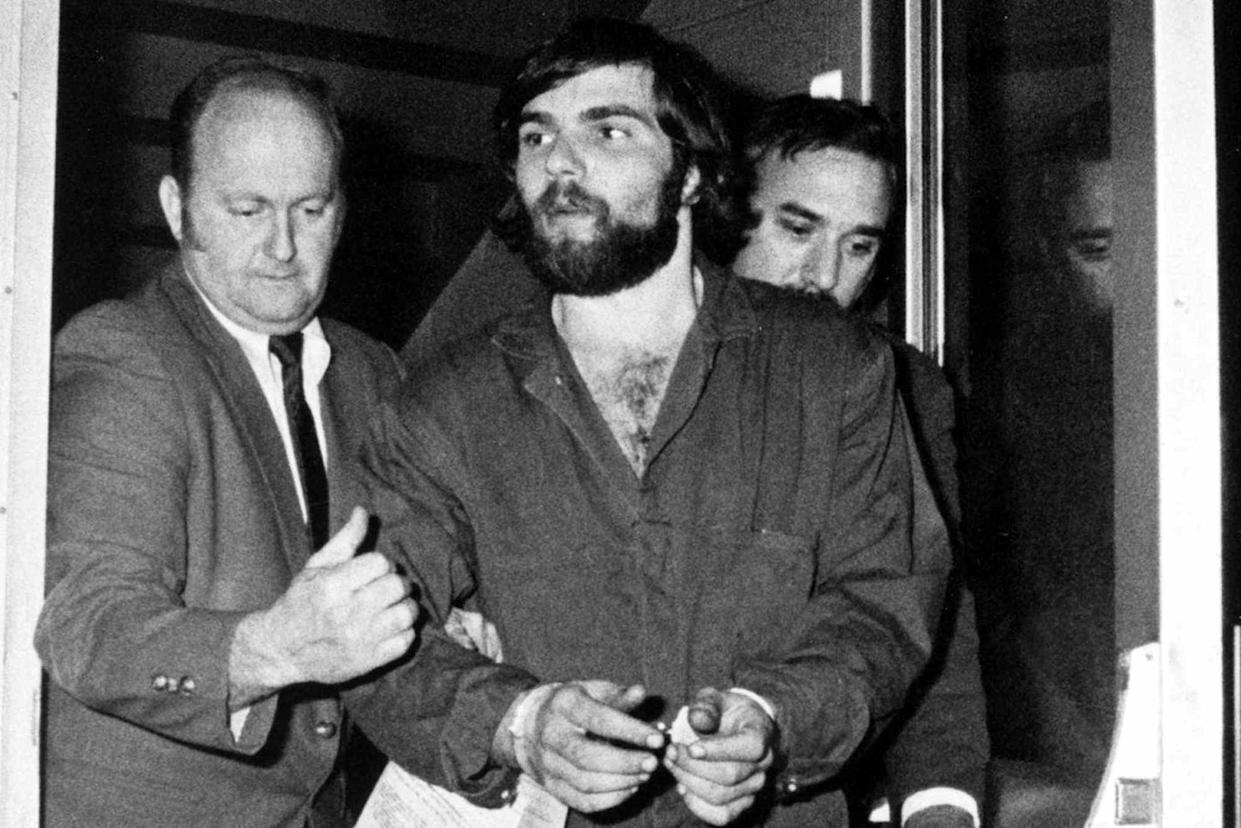
The .35 caliber Marlin rifle that ended six lives — and the confession that followed
The rifle was a .35 caliber Marlin. Police recovered it from the house at 112 Ocean Avenue in Amityville, New York. All six victims…
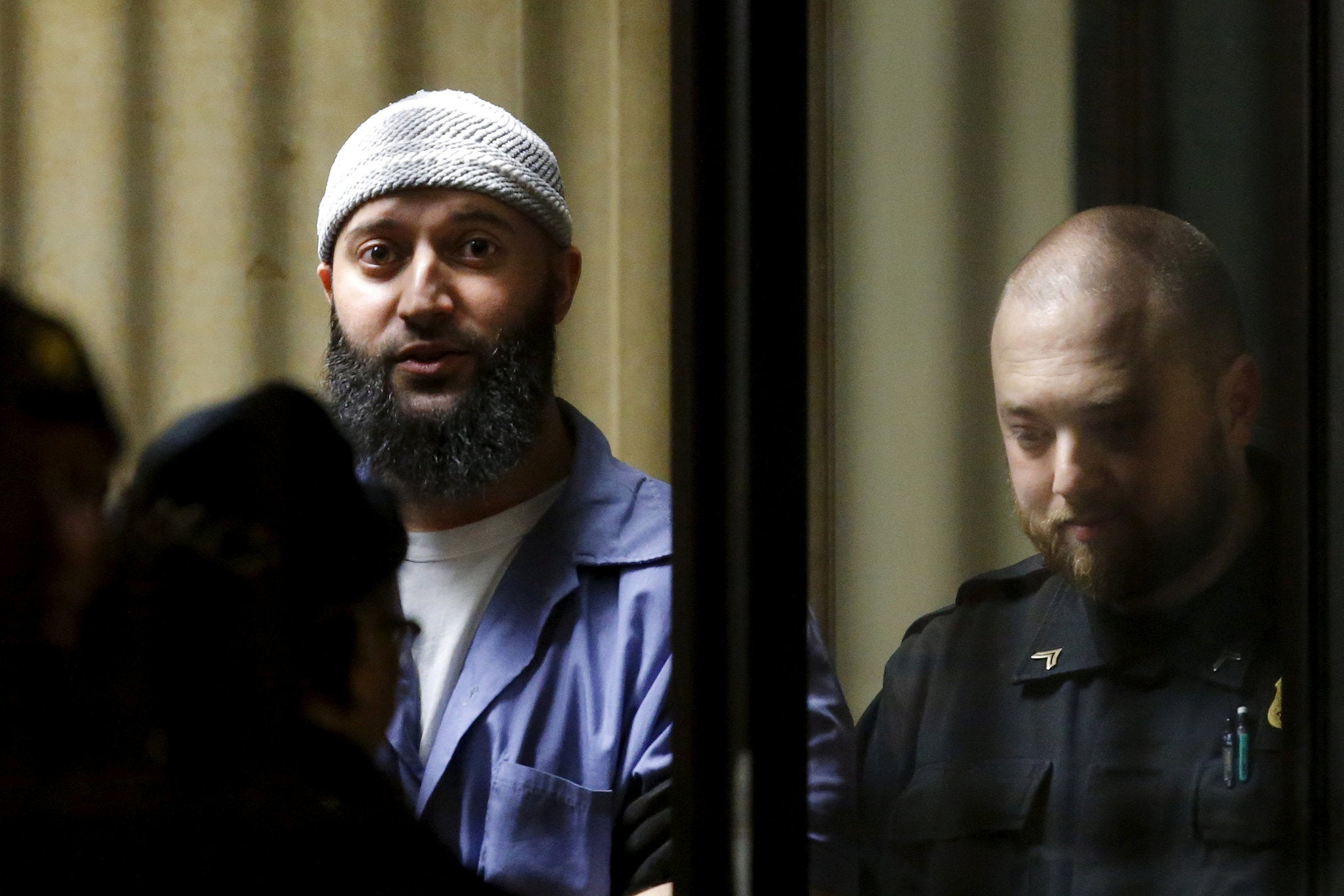
The cell tower records that placed Adnan Syed near Leakin Park — and the alibi witness never disclosed
She was 18, a senior at Woodlawn High School in Baltimore County, Maryland. Her name was Hae Min Lee. On January 13, 1999, she…
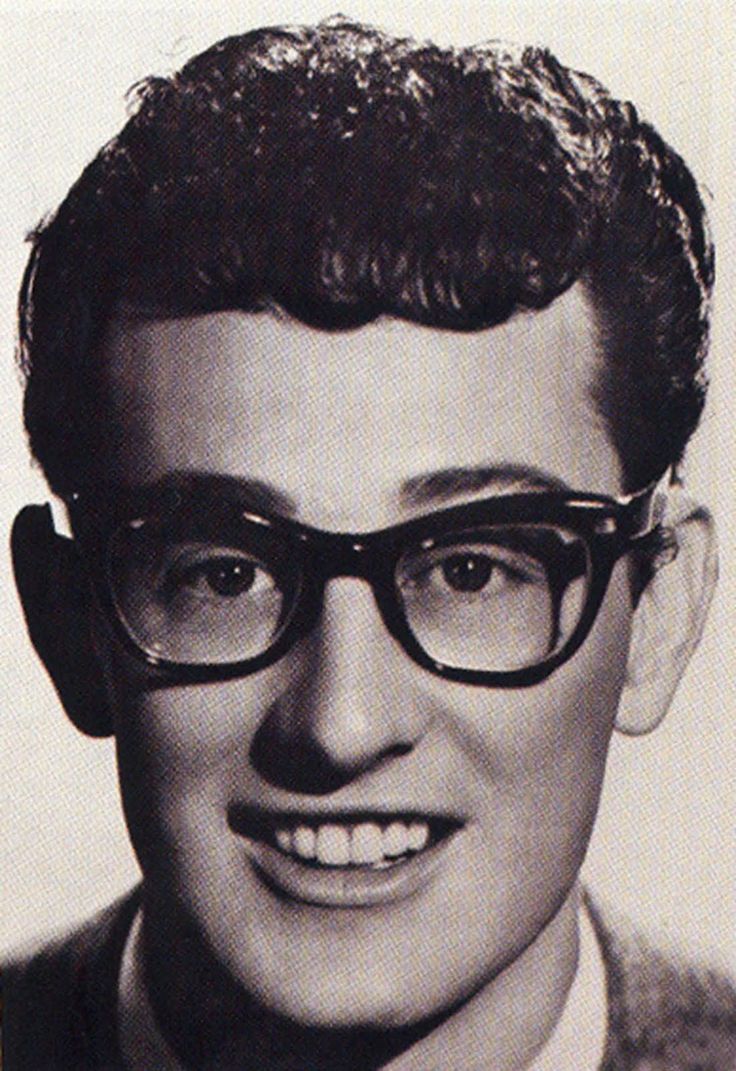
The 21-year-old pilot's logbook, and the instrument rating he never had
The cornfield near Clear Lake, Iowa, held its secret until morning. On February 3, 1959, a small Beechcraft Bonanza had gone down shortly after…