The police call that sent a bleeding boy back to Dahmer's apartment
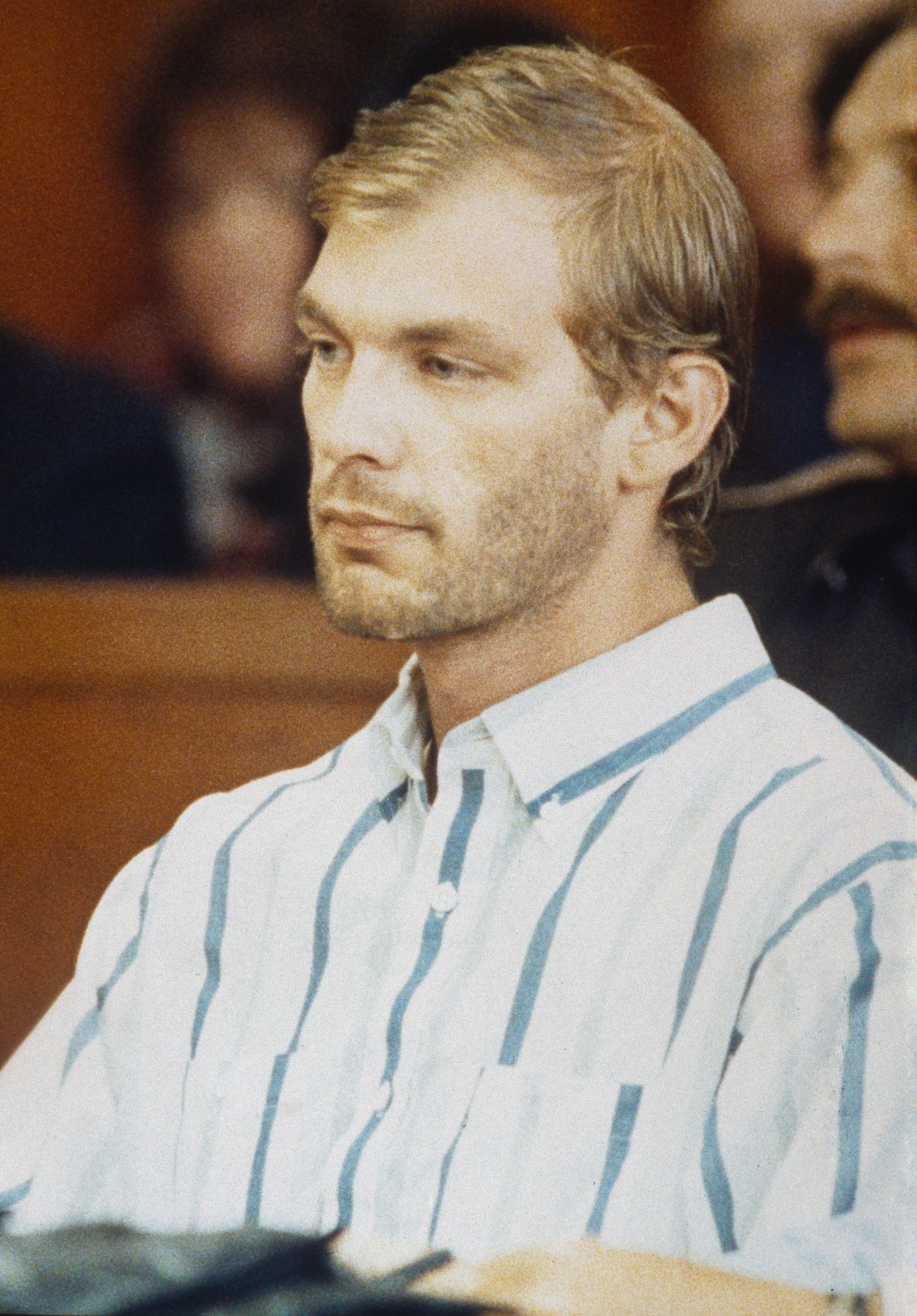
Two Milwaukee police officers answered a call in May 1991 about a naked, bleeding boy.
The boy was Konerak Sinthasomphone, 14 years old.
They found him on the street and returned him to Jeffrey Dahmer, who claimed the boy was his intoxicated adult lover.
The exact words spoken between the officers and Dahmer are not in the record.
Hours later, the boy was dead.
The two officers were disciplined but never criminally charged.
That fact still circulates online as a symbol of systemic failure.
It is a documented fact.
It is also a fact that no officer was charged.
The outrage over the call is viral.
The legal record is thin.
How could that happen?
What came of it?
That would require evidence.
This article examines what the record shows about that call, the investigation, and where the case stands today.
She was on the ground below.
The record is what it is.
The rest is theory.
MAY 1991 — THE BOY RETURNED
Konerak Sinthasomphone was 14 years old.
He was lured to Jeffrey Dahmer’s apartment, where he was drugged.
A call brought Milwaukee police to the scene.
They found the boy naked and bleeding.
Dahmer told the officers the boy was his adult lover, intoxicated.
They left the boy with him.
The boy was murdered that night.
His remains were later identified.
The incident was investigated afterward.
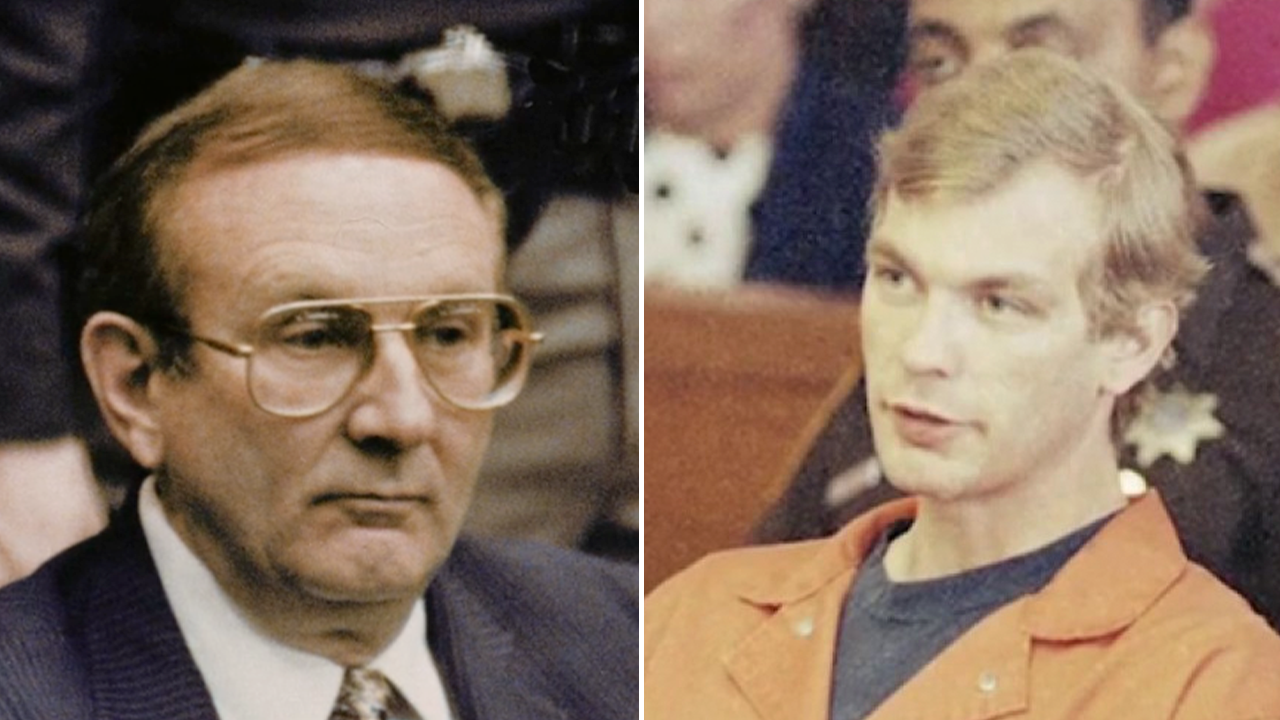
Two officers were disciplined but not criminally charged.
No officer was ever charged.
The precise timeline of events inside the apartment after the officers left is not in the record.
What is in the record is the call, the response, and the return.
What is in the record is that a bleeding 14-year-old was handed back.
What is in the record is that the officers accepted the word of the man who had drugged him.
The officers believed the lie.
The lie cost a life.
It is a documented failure.
It is also a documented non-prosecution.
That is the line the outrage keeps crossing.
The call happened in May 1991.
The boy was dead by morning.
The discipline came later; the charges never did.
JULY 1991 — THE ESCAPE AND THE APARTMENT
Tracy Edwards ran.
He had been drugged and handcuffed, and he broke free on July 22, 1991.
He flagged down two Milwaukee police officers.
The officers went to Dahmer’s apartment.
They found Polaroid photographs of victims in various states of dismemberment.
They found a human skull.
They found a barrel of acid containing body parts.
Dahmer was arrested.
The killing stopped.
The lead detective led the interrogation.
During that interrogation, Dahmer confessed to the murders.
Forensic evidence, including dental records and remains, was used to identify the victims.
The exact number of photographs found is not specified in the record.

That detail is often repeated online, but the record does not establish it.
What the record does establish is the sudden shift.
Hidden horror became exposed evidence.
The apartment, for years a site of private violence, became a public crime scene.
The officers who had returned a bleeding boy to Dahmer in May were now standing in the same rooms.
They saw what they had missed.
Relief came with the arrest, but so did the weight of what was found.
Tracy Edwards survived.
His escape ended a run of murders that had begun in 1978.
TRIAL AND SENTENCE — THE TWO STORIES
Two stories ran through the trial.
The prosecution argued Dahmer was sane, legally responsible for every death.
The defense attorney Gerald Boyle argued his client suffered from mental illness.
Dahmer pleaded guilty but not guilty by reason of insanity.
He was charged with 15 counts of first-degree murder in Milwaukee County and one count in Ohio.
The jury heard the evidence, and the jury answered.
They rejected the insanity defense, convicting Dahmer on all counts.
The jury's deliberations are not detailed in the record.
That answer carried a number.
He was sentenced to 15 consecutive life terms in Wisconsin, totaling over 900 years.
An additional life sentence followed for the Ohio murder.
He did not appeal.
Not because he claimed innocence.
Not because the sentence was light.
Because the record shows no appeal was filed.
The two stories had resolved into one.
The legal story, the documented one, ended with a conviction and a sentence.
The other story, about a mind, remains a matter of argument.
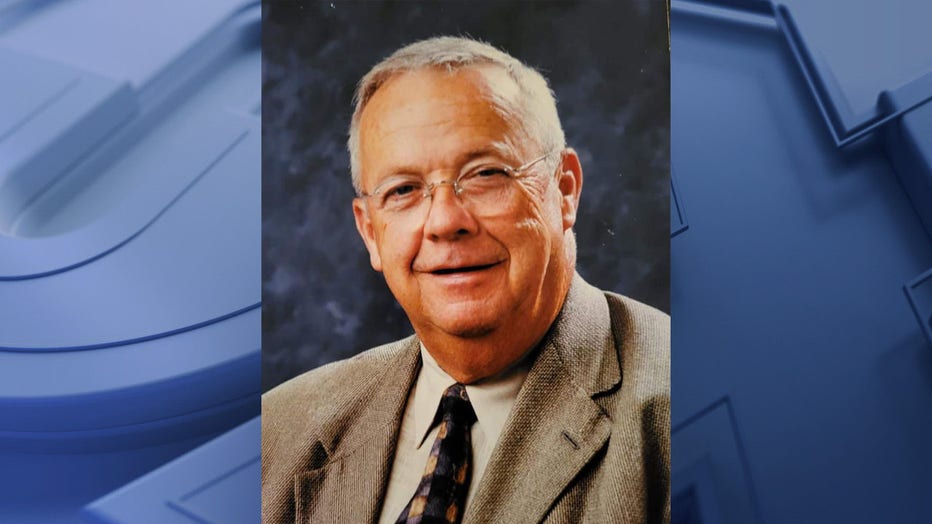
It is a public debate.
It is not a legal finding.
The jury's clear answer stands in the record.
That would require no further evidence.
AND THE STORY STILL ISN'T OVER
The prison bathroom at Columbia Correctional Institution in Portage, Wisconsin had no witnesses to the attack.
On November 28, 1994, Christopher Scarver beat Jeffrey Dahmer to death there.
Scarver was serving time for murder.
He said he acted because Dahmer had taunted him with food shaped like body parts.
He was convicted of Dahmer’s murder.
The legal record closed there.
Dahmer had been serving 15 consecutive life terms in Wisconsin, plus another life sentence for the Ohio murder.
He did not appeal.
His father, Lionel Dahmer, has since published a memoir and spoken publicly.
He expressed remorse for the victims’ families.
The apartment building in Milwaukee where Dahmer lived was demolished in 1992.
No journalist or author is widely considered to have uncovered new evidence that changed the case’s outcome.
The record holds.
Theories still circulate online about the May 1991 police call and the two disciplined officers.
What is documented is that they were disciplined but not criminally charged.
What is not established is their current whereabouts or status.
That is not in the record.
The case remains a documented fact of conviction, not a mystery waiting for a new clue.
It is a closed legal case.
It is an open wound for families.
Some have sought privacy.
The building is gone.
The sentence was served until death.
The story still isn’t over, but the evidence is what it is.
Advertisement
You may also like
The Manson follower whose parole grants kept getting reversed — until 2023
She was granted parole, and then it was taken back. Leslie Van Houten was granted parole multiple times, according to the record. Those grants…
The Green Beret doctor who told MPs hippies killed his family — one blood word that didn't fit
The call came in on February 17, 1970, to a home off base at Fort Bragg, North Carolina. Military police found the bodies inside.…
The BTK Killer's floppy disk that led police to a church computer, and the trail it left behind
The letter arrived in 2004, on the thirtieth anniversary of the first murders. It claimed to be from BTK. A Wichita newspaper received it,…
The anonymous tip that steered police toward Adnan Syed — and the questions it left unanswered
The call came after Hae Min Lee's family reported her missing. Her car was found weeks later in a Baltimore neighborhood, and the case…
The notebook confession that ended the Gabby Petito case — and what the FBI never released
A notebook was found near Brian Laundrie's remains in the Carlton Reserve in Florida on October 20, 2021. The FBI announced on January 21,…
The parolee who led police to Polly Klaas—and the sentence he still waits for
The pillowcases came from the house. On the night of October 1, 1993, 12-year-old Polly Klaas was having a slumber party with two friends…