The 1988 letter cited in the Menendez brothers' 2018 habeas petition — and the question it still raises
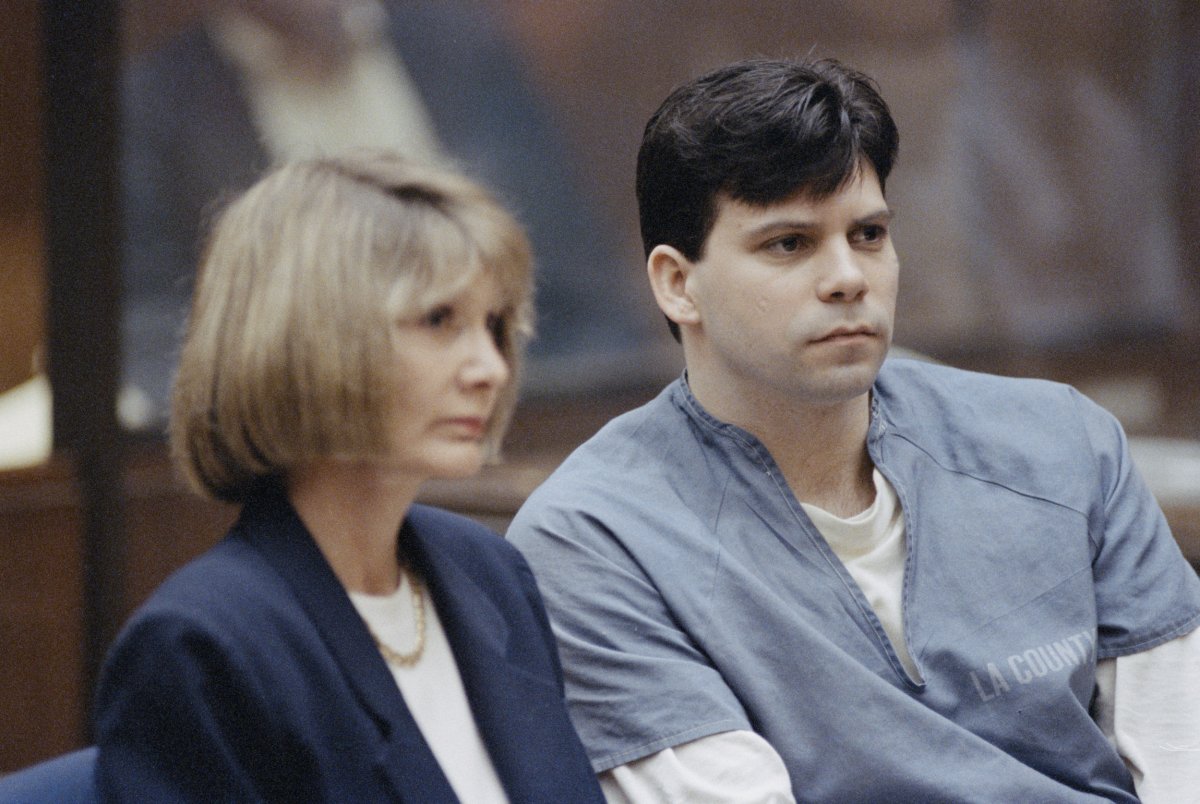
A letter surfaces in 2018, cited in a habeas corpus petition filed by two brothers serving life without parole.
The petition calls it new evidence: a letter Erik allegedly wrote to a cousin in 1988, describing his father's abuse.
Allegedly.
That word does a lot of work in the record. The source describes the letter as "allegedly" written. Its authenticity is not established.
Whether the letter is genuine — not established.
When it was discovered — not established.
What exactly it says — not established.
The petition also cites allegations that a member of the boy band Menudo had been sexually abused by José Menendez. Those are allegations, too.
One piece of paper could shift decades of legal outcome. Or it could be a claim that the record does not confirm.
The letter's existence is the hinge of the current legal review. The record does not confirm its contents or provenance.
Prosecutors say the brothers killed their parents for inheritance. The defense argued self-defense after years of abuse. The letter, if real, would sit at the center of that argument.
But it is not real in the record. It is alleged.
That would require evidence.
AUGUST 20, 1989
On August 20, 1989, José and Mary Louise “Kitty” Menendez were shot and killed at their home in Beverly Hills, California.
The couple’s sons, Lyle and Erik Menendez, aged 21 and 18, called police, claiming they had returned home to find their parents dead.
The brothers initially told authorities they believed the killings were a mob hit.
Two 12-gauge Mossberg shotguns, purchased by the brothers days before the murders, were the weapons, the source material states.
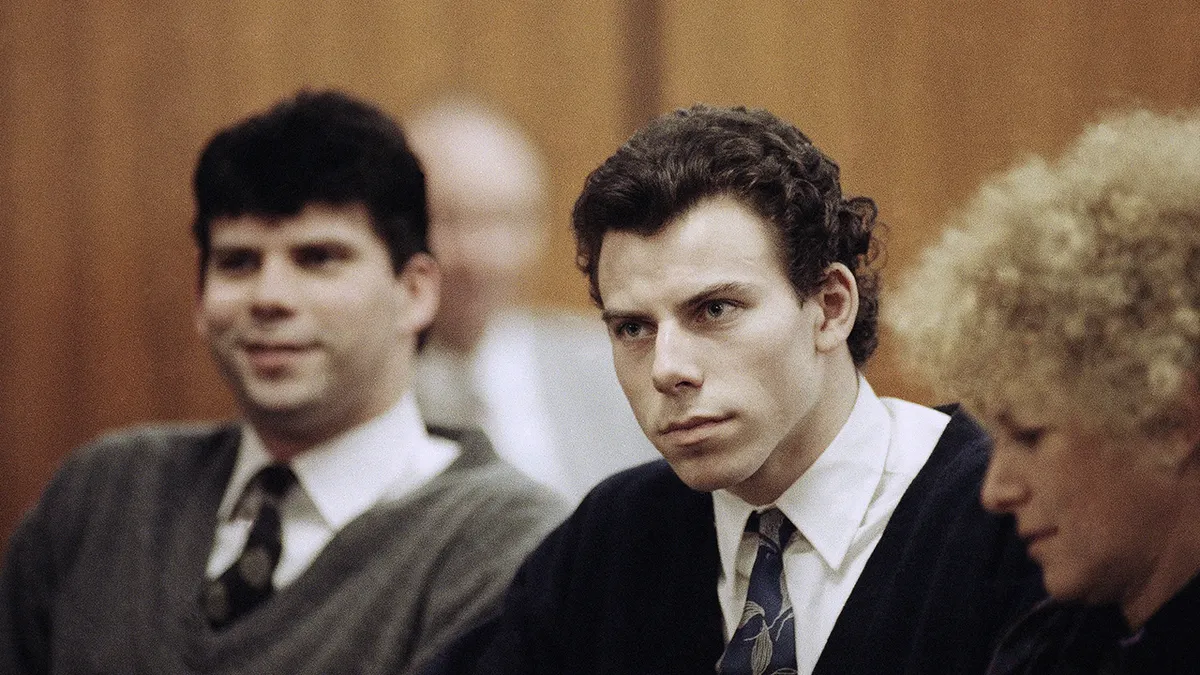
The exact sequence of events inside the house on the night of the murders is not detailed in the record.
What is known is the call, the claim, and the weapons.
What is known is that the brothers said mob, not money, not fear, not self-defense.
What is known is that police initially accepted the story.
That story would not hold.
THE CONFESSION AND THE SPENDING
For months, the investigation went nowhere.
Then Erik began confiding in his psychologist, Dr. Jerome Oziel.
Oziel later testified that Erik had admitted to the killings.
The precise content of that confession is not quoted in the record.
Only that he admitted to the killings.
That detail matters, because the confession became the hinge of the case.
Oziel's former patient, Judalon Smyth, told police about the confession.
The brothers were arrested in March 1990.
The prosecution built its case around what came after the shootings.
The spending.
Rolex watches.
A Porsche.

A $15,000 check written to a private investigator.
The purchases did not look like grief.
They looked like motive.
The defense answered with a different story.
Self-defense, they argued.
Years of abuse at the hands of their father, they claimed.
Family members and experts testified about the alleged abuse.
Some relatives believed them.
Others, like their cousin Diane Vander Molen, testified against them.
The family was divided then.
It remains divided now.
What the record shows is the arrest, the confession as testified, and the spending.
What the record does not show is the content of Erik's words to Oziel.
That would require the tapes, the notes, the transcript.
None of that is established here.
What is established is that the brothers sat in a jail cell in March 1990, charged with two counts of first-degree murder.
TWO TRIALS, ONE VERDICT
The first jury could not agree.

In 1993, the trial was televised, and the country watched. Both juries deadlocked on all counts, and the judge declared a mistrial in 1994.
A retrial followed.
Judge Stanley Weisberg severely restricted the abuse evidence. The specific testimony he excluded is not itemized in the record.
What is itemized is the shift. The defense argued self-defense born of years of alleged abuse; the prosecution argued premeditation and greed.
In March 1996, both brothers were convicted of two counts of first-degree murder.
At the penalty phase, the jury was asked to choose. They recommended life in prison without the possibility of parole, not the death penalty.
In July 1996, Judge Weisberg sentenced both brothers to life without parole.
That was the verdict. That was the sentence.
It is what the record establishes. It is also where the story stops being simple.
AND THE STORY STILL ISN'T OVER
In 2018, the brothers filed a habeas corpus petition citing the 1988 letter and the Menudo allegation.
The letter is described in the source as allegedly written by Erik to a cousin.
Its authenticity is not established.
Neither is its content.
The petition also cited an allegation that a member of the boy band Menudo had been sexually abused by José Menendez.
That allegation is not established either.
In 2023, the brothers' attorneys filed a new petition for resentencing under California law.
They cited the state's changing attitudes toward abuse victims.

In 2024, Los Angeles County District Attorney George Gascón announced his office was reviewing the case.
In October 2024, he recommended resentencing.
That recommendation would make the brothers eligible for parole.
It is a recommendation, not a ruling.
The decision met with mixed reactions from family members.
Some cousins advocate for release.
Others maintain the murders were premeditated and motivated by greed.
Both positions are held by people who knew the family.
The record does not resolve which is right.
As of late 2024, the matter remained before the courts.
A hearing was scheduled for December 2024.
The outcome of that hearing is not in the record.
Neither is the final decision on resentencing.
That would require a ruling.
Both brothers remain in separate California prisons.
Lyle is at Richard J. Donovan Correctional Facility.
Erik is at Mule Creek State Prison.
The sentence was life without parole.
The question is whether it stays that way.
Advertisement
You may also like
The Manson follower whose parole grants kept getting reversed — until 2023
She was granted parole, and then it was taken back. Leslie Van Houten was granted parole multiple times, according to the record. Those grants…
The Green Beret doctor who told MPs hippies killed his family — one blood word that didn't fit
The call came in on February 17, 1970, to a home off base at Fort Bragg, North Carolina. Military police found the bodies inside.…
The BTK Killer's floppy disk that led police to a church computer, and the trail it left behind
The letter arrived in 2004, on the thirtieth anniversary of the first murders. It claimed to be from BTK. A Wichita newspaper received it,…
The anonymous tip that steered police toward Adnan Syed — and the questions it left unanswered
The call came after Hae Min Lee's family reported her missing. Her car was found weeks later in a Baltimore neighborhood, and the case…
The notebook confession that ended the Gabby Petito case — and what the FBI never released
A notebook was found near Brian Laundrie's remains in the Carlton Reserve in Florida on October 20, 2021. The FBI announced on January 21,…
The parolee who led police to Polly Klaas—and the sentence he still waits for
The pillowcases came from the house. On the night of October 1, 1993, 12-year-old Polly Klaas was having a slumber party with two friends…