The 1969 Zodiac cipher that hid a name — until codebreakers cracked it
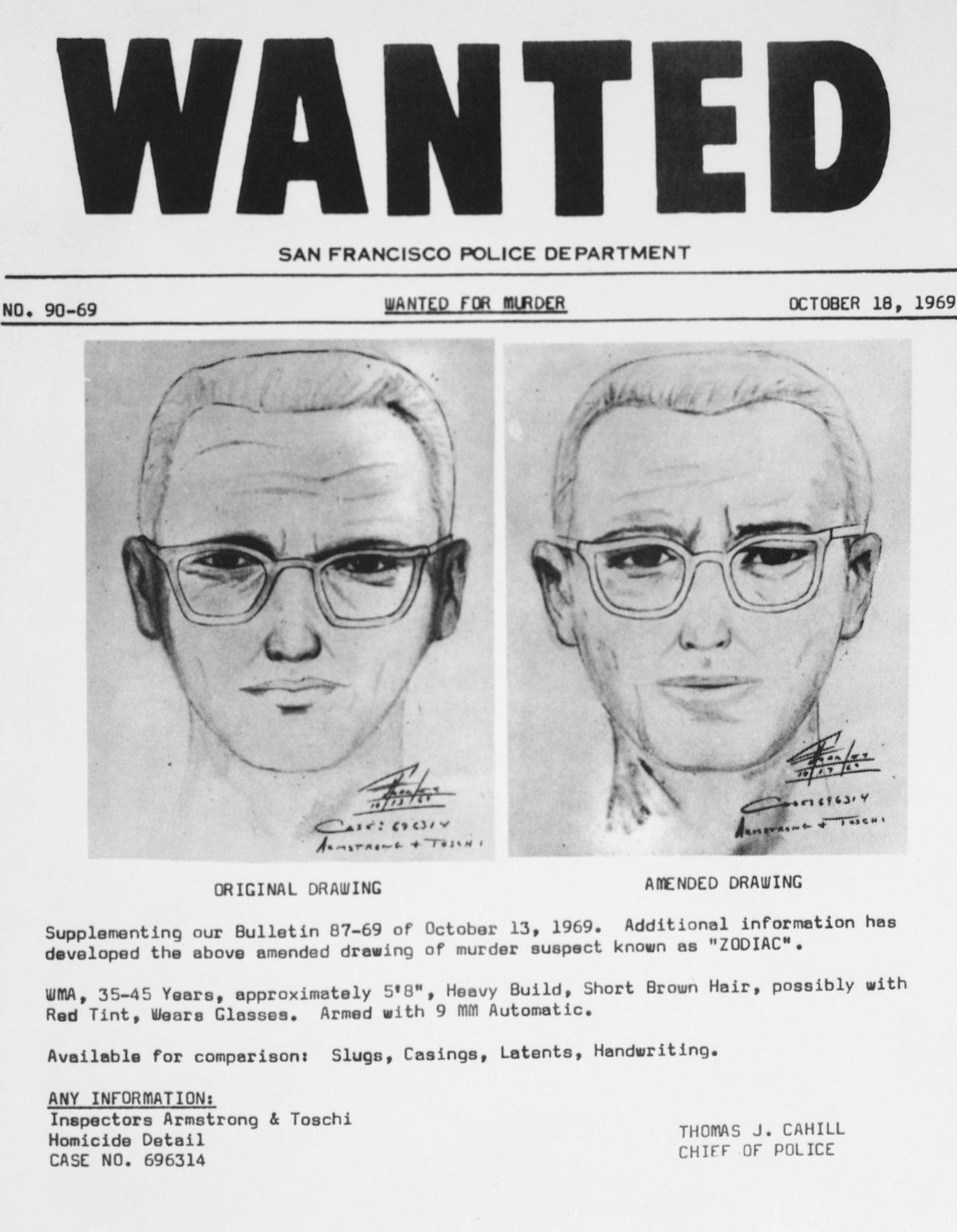
In December 2020, a team of codebreakers — including David Oranchak, a software developer, and two others — decrypted the second Zodiac cipher.
The cipher had been sent in 1969.
It had remained unsolved for 51 years.
The decrypted message contained no name.
It contained only a rant.
A claim circulating online that the cipher hid a name is not established in the record.
The decrypted text simply did not contain one.
That would require evidence.
The second cipher was not the first.
In August 1969, the first cipher was sent to three newspapers.
It was solved by high school teacher Donald Harden and his wife, Bettye Harden.
Their solution revealed a message about collecting slaves for the afterlife.
That solution took days.
The second took decades.
The 2020 decryption renewed public interest.
It produced no new suspect.
The case remains open.
What did the rant actually say?
Why did a name become the rumor?
What else might the cipher have hidden?
The record does not say.
THE CRIME SPREE
The first confirmed attacks came on a secluded road in Benicia on December 20, 1968.
Two teenagers were shot there; both died.
On July 4, 1969, two people were shot at a parking lot in Vallejo.
One died. The other survived.
On September 27, 1969, two people were stabbed at Lake Berryessa.
One died from her wounds. The other survived.
On October 11, 1969, a taxi driver was shot and killed in San Francisco's Presidio Heights.
Between December 1968 and October 1969, a serial killer later dubbed the Zodiac murdered at least five people in the San Francisco Bay Area.
The attacks were scattered across jurisdictions: Benicia, Vallejo, Napa County, San Francisco.
There was no central task force for years.
The killer sent taunting, cryptogram-laden letters to newspapers, claiming responsibility and threatening further violence.
The letters became the central evidentiary thread.
Physical evidence was sparse: a hand-drawn hood at Lake Berryessa, a message on a car door, a partial palm print and a fingerprint at the Stine scene.
The prints were never matched.
A patrol officer responded to the Stine scene without sealing the area, and witnesses reported seeing a man matching the killer's description walking away; he was not stopped.
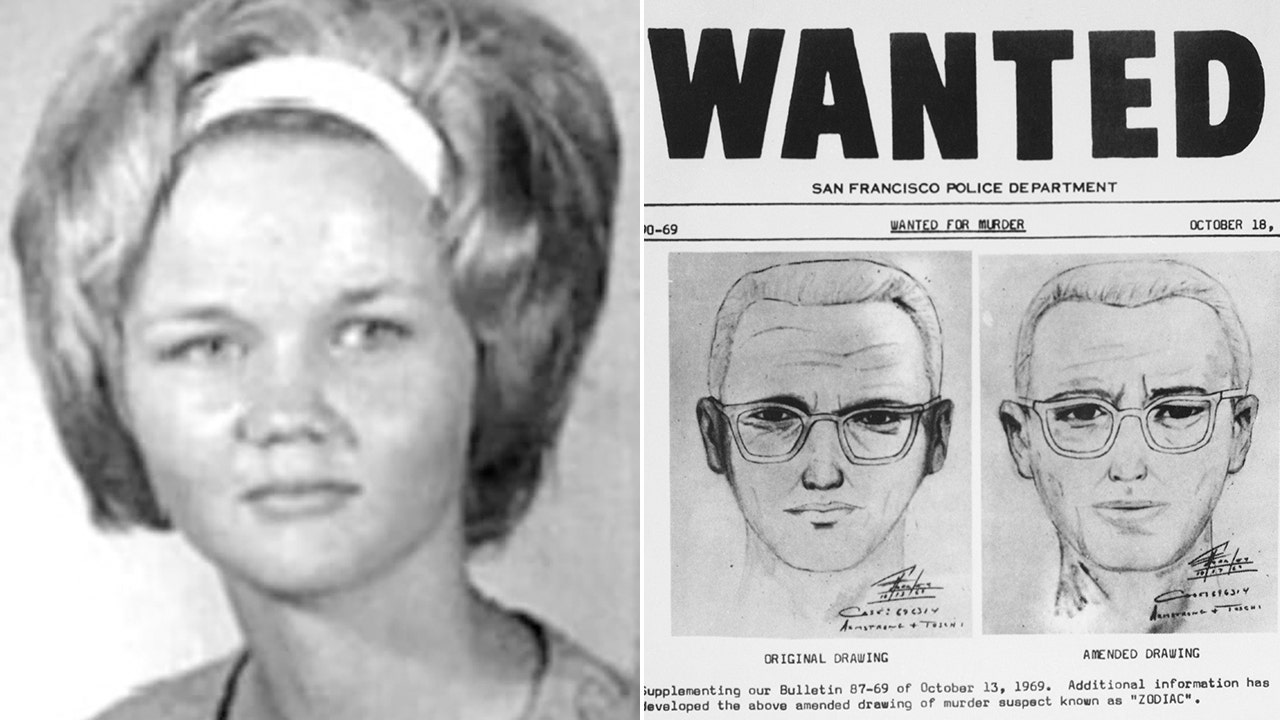
The killer's identity is not established.
No one has been convicted.
The case remains open.
THE EVIDENCE HUNT
The investigation was fractured from the start.
Benicia, Vallejo, Napa County, and San Francisco each handled their own attacks.
There was no central task force for years.
Physical evidence was sparse.
At Lake Berryessa, the killer left a hand-drawn hood and a message scrawled on a car door.
At the Stine murder scene, police recovered a partial palm print and a fingerprint.
They were never matched to anyone.
The record does not establish who they belonged to.
A key mistake followed the Stine murder.
San Francisco police allowed a patrol officer to respond without sealing the area.
Witnesses later reported seeing a man matching the killer's description walking away.
He was not stopped.
The man was never identified.
The letters became the central evidentiary thread.
They carried the cryptograms, the claims of responsibility, the threats.
They also carried something else: saliva on the envelope flaps.
In 2002, DNA testing on that saliva excluded Arthur Leigh Allen.
Allen had been the most prominent suspect since the 1970s.
He was never charged.
He died in 1992.
The exclusion effectively cleared him in the public record.
But the official case file remains open.
The palm print remains unmatched.
The fingerprint remains unmatched.
The man walking away remains unnamed.
That would require evidence.
THE SUSPECT AND THE DNA
Arthur Leigh Allen was the suspect investigators kept returning to.
He was a former schoolteacher, investigated extensively in the 1970s and again in the 1990s.
He was never arrested. He was never charged.
Allen died in 1992.
In 2002, DNA testing on saliva from the envelopes of Zodiac letters excluded him.
That exclusion effectively cleared him in the public record.
The official case file remains open.
What did the prosecution have?
The letters and cryptograms tied the crimes to a single killer.
The handwriting, the tone, the threats—they pointed to one man.
But no physical evidence linked Allen to any of it.
That was the problem.
What did the defence have?
The DNA exclusion proved Allen was not the source of the saliva on the envelopes.
That undermined the case against him.
The evidence did not decide the case.
No trial occurred. No suspect was ever charged with the Zodiac murders.
Was Allen the killer?
That is not established.
The DNA exclusion is documented.
The case remains open.
That would require evidence.
AND THE STORY STILL ISN'T OVER
The Zodiac case is officially unsolved.
It remains open in multiple jurisdictions, including the San Francisco Police Department and the Vallejo Police Department.
The 2020 decryption renewed public interest.
It produced no new suspect.
That is the documented result: a rant, not a name.
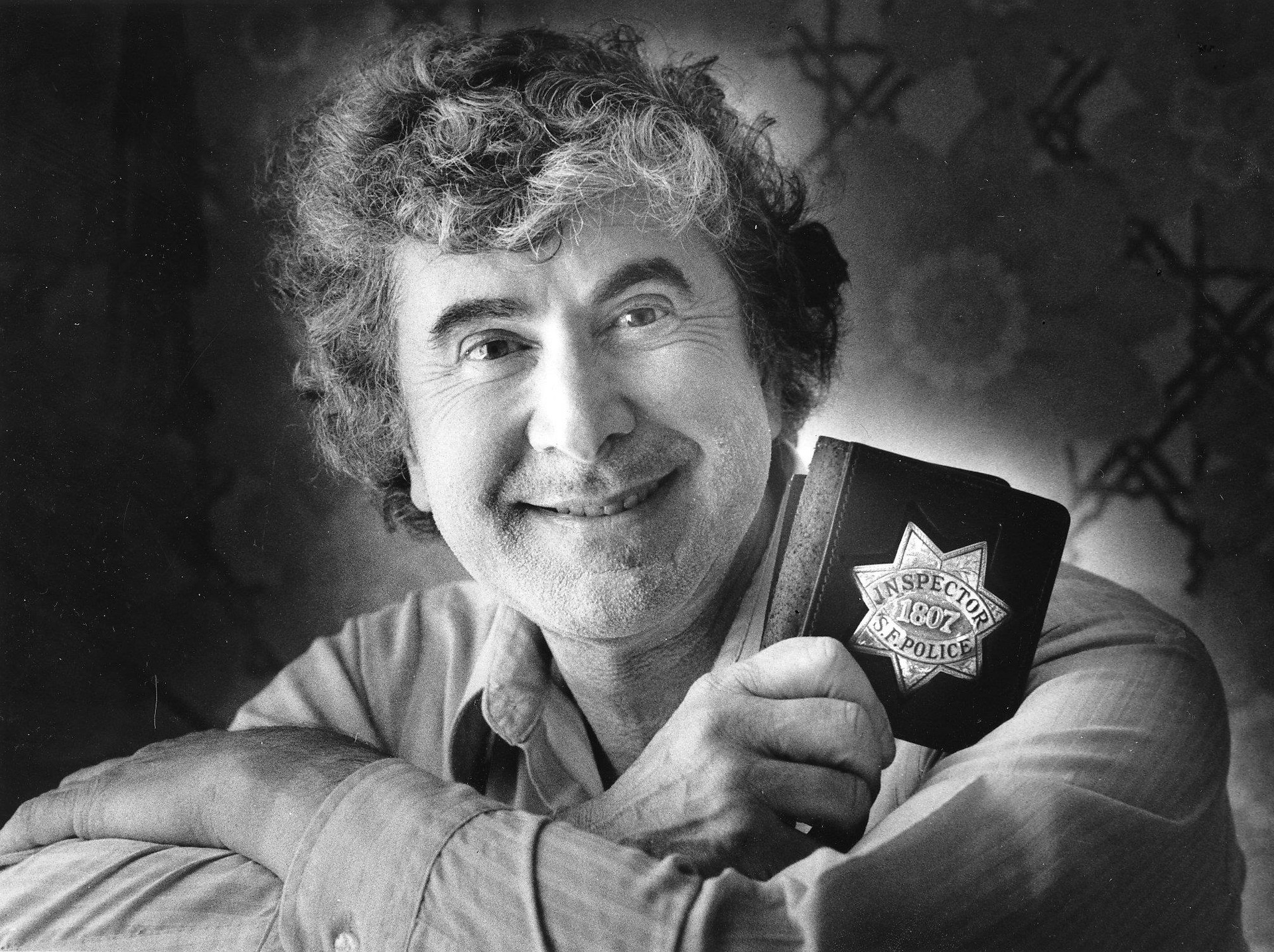
Dave Toschi, the SFPD homicide inspector who became the public face of the investigation, retired and died in 2018.
Paul Avery, the San Francisco Chronicle crime reporter who received a Zodiac letter and became a target of threats, died in 2000.
The case has been the subject of numerous books, documentaries, and films.
No definitive identification has ever been made.
It is a story that keeps being told.
It is a story that keeps producing no answer.
Was there a next concrete step?
A hearing date, a motion, a decision?
No next concrete step is documented in the source.
The case is open.
No pending action is specified.
That would require evidence.
The DNA exclusion is documented.
The case remains open.
That would require evidence.
Advertisement
You may also like
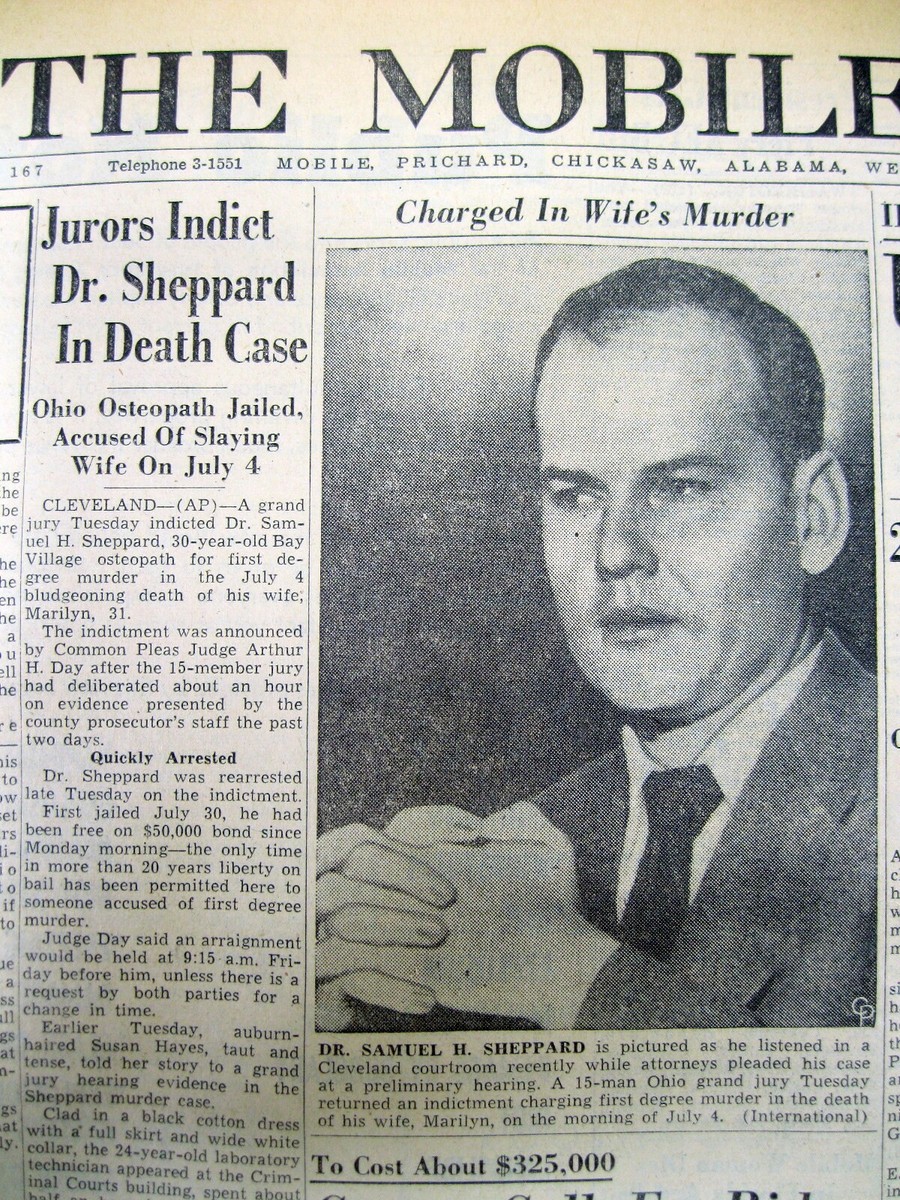
The bloodstained watch that tied a doctor to his wife's murder scene
The watch had blood on it. It was found at the murder scene, inside the Bay Village home where Marilyn Sheppard died on July…
São Paulo Hosts South America's First WTA Coaches Workshop in Historic Debut
More than 60 tennis coaches gathered in São Paulo last month for a first in South American tennis: an official WTA Coaches Workshop, held…

Booed Larkin Returns as Red Wings Host Senators After Trade Demand
Dylan Larkin is back on the ice for the Detroit Red Wings — and the fans have not forgotten. Larkin made his season debut…
Red Wings Fans Boo Dylan Larkin in Injury Return Amid Trade Request Fallout
Dylan Larkin's return to the Detroit lineup didn't come with any grace period. The moment the center touched the puck Tuesday night against the…

Nick Foligno Exits Wild Game Early With Upper-Body Injury
Nick Foligno lasted only 3:29 on Tuesday night. Across five shifts against the Buffalo Sabres, the 38-year-old Minnesota Wild forward managed a couple of…

Lightning and Blue Jackets Place Two Forwards on NHL Waivers
Two forwards hit the NHL waiver wire on Tuesday, and both could be on the move before the week is out. Tampa Bay Lightning…