2 aggressive trades Astros must make after early postseason exit

The Houston Astros cannot react to an early postseason exit with minor roster adjustments, according to clutchpoints.com. After finishing 81-81 and getting swept by the Chicago White Sox in the American League Wild Card Series, the margin for error is gone.
Houston needs to attack two weaknesses: its rotation and an offense lacking speed and dependable outfield production. A depth starter and a platoon outfielder will not close that gap.
This is still a roster built to compete around Yordan Alvarez, Jose Altuve, Carlos Correa, Jeremy Peña and Hunter Brown. The core is not the problem. The problem is that the supporting cast around that core proved too fragile when it mattered most.
The Astros should pursue two aggressive trades, according to clutchpoints.com. Neither would be inexpensive, but both would address a major weakness without forcing the organization into a rebuild.
Small tweaks are a luxury for teams that lost by a game or two. Houston did not lose by a game or two — it lost a Wild Card sweep after a .500 season. That calls for a different kind of response.
THE ROTATION CRISIS

The Astros used a franchise-record 18 starters in 2026, according to clutchpoints.com. That number alone tells the story: the rotation was ravaged by injuries throughout the season, and Houston never found stability on the mound.
The crisis peaked in the decisive Wild Card loss. Hunter Brown lasted only two-thirds of an inning while allowing four runs, per clutchpoints.com, ending Houston’s season in a sweep at the hands of the Chicago White Sox.
What the record 18 starters really reveals is the absence of a durable frontline arm. The Astros lacked that anchor all year, cycling through fill-ins and emergency options while the rotation crumbled around them. No team can win in October without at least one starter who can take the ball and dominate.
Brown’s early exit in the Wild Card round was the final proof. He is part of the core, but the Astros cannot ask him to carry the rotation alone after a season that saw 17 other pitchers start games.
This is why Houston needs more than a depth starter. A back-end addition would give the team another body, but not the reliability it missed all season. The Astros need someone who can pitch every fifth day, eat innings and hold up when the games matter most.
The franchise-record number is not a footnote. It is the defining weakness of the 2026 Astros, and it is the reason the front office must think bigger than a minor move.

TRADE FOR LOGAN GILBERT
The Astros should trade for Mariners ace Logan Gilbert, according to clutchpoints.com. The proposed deal sends right-hander Gilbert to Houston, with the Mariners receiving infielder Xavier Neyens, right-hander Ethan Pecko and outfielder Joseph Sullivan.
Gilbert, 29, is entering his final year before free agency, making him a logical trade candidate if the Mariners do not believe they can sign him to an extension. He finished 2026 with a 12-11 record, a 3.73 ERA, a 1.09 WHIP and 205 strikeouts across 186 innings. His career numbers are equally strong: a 3.60 ERA, 1.06 WHIP and 1,089 strikeouts over 1,021 1/3 innings.
Pairing Gilbert with Brown would give Houston two legitimate postseason starters.
The trade is a proposal, not confirmed, and whether the Mariners would trade Gilbert within the division has not been confirmed. Seattle would reportedly demand a premium for moving an established starter to a division rival. Neyens is Houston's No. 2 prospect and ranked among MLB's Top 100 prospects, offering significant left-handed power. Pecko supplies a near-major-league arm, and Sullivan adds outfield depth.
That price would hurt a thin farm system, but prospects are assets, and Gilbert would address the Astros' most important weakness immediately. Houston should make the trade only with confidence that it can extend him beyond 2027.

THE COST AND THE RISK
Seattle would demand a premium for trading an established starter to a division rival, according to clutchpoints.com. The proposed package is not a bargain: Xavier Neyens, Houston’s No. 2 prospect, leads it off.
Neyens is ranked among MLB’s Top 100 prospects and offers significant left-handed power. Ethan Pecko supplies a near-major-league arm, and Joseph Sullivan adds outfield depth. Together, they represent the kind of return that hurts to surrender.
That price would wound a thin farm system. The Astros would be betting that Gilbert’s immediate impact outweighs the cost of three young assets, including their second-best prospect.
Houston should make the trade only with confidence that it can extend Gilbert beyond 2027. Whether the Astros can actually sign him to an extension is not confirmed, and that uncertainty is the crux of the risk.
Gilbert, 29, is entering his final year before free agency. If Houston cannot lock him down, the deal becomes a one-year rental for a premium price. If they can, they add a durable frontline starter to pair with Hunter Brown for years.

The numbers justify the gamble. Gilbert finished 2026 with a 12-11 record, 3.73 ERA, 1.09 WHIP and 205 strikeouts across 186 innings. His career marks are equally strong: a 3.60 ERA, 1.06 WHIP and 1,089 strikeouts over 1,021 1/3 innings.
But the cost is real, and the extension question is unresolved. That is what makes this trade aggressive — and why Seattle would demand so much in the first place.
WHAT TO WATCH NEXT
The second aggressive trade targets the outfield and the speed void: Houston should buy low on Jarren Duran, according to clutchpoints.com.
The proposed deal sends Duran to the Astros, with the Red Sox receiving outfielder Logan Hughes and right-hander Bryce Mayer. It remains a proposal, not a confirmed transaction.
Duran's value dropped sharply during a disappointing 2026 season, creating that buy-low window. The specifics of his struggles have not been confirmed, but the dip in stock is what makes the deal feasible.
This move directly answers the offense's lack of speed and unreliable outfield production. Duran brings a different dimension to a lineup built around Yordan Alvarez, Jose Altuve, Carlos Correa, Jeremy Peña and Hunter Brown.
Neither trade is cheap, and this one is no exception. Hughes and Mayer represent real assets, but the Astros are betting that Duran's down year is the exception, not the new norm.
The message from Houston is clear: another serious run in 2027, not a rebuild. That means aggressive swings in the trade market, even if they cost prospects and carry risk.
The Gilbert deal fixes the rotation. The Duran deal fixes the lineup's shape. Together, they are the two moves that define the offseason — if the front office can pull both off.
Advertisement
You may also like
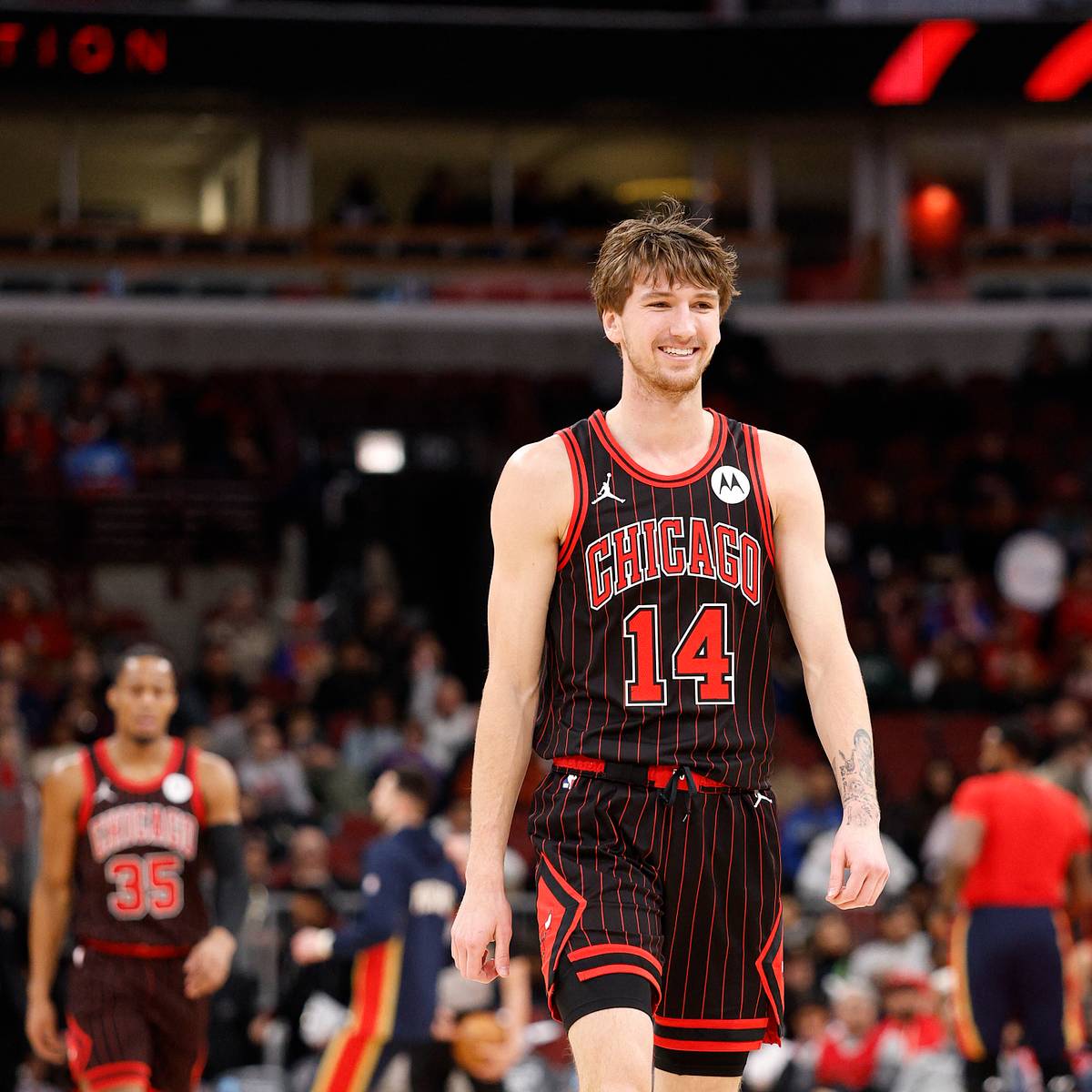
Buzelis: Last Year Was 'Extremely Hard' as Bulls Finally Find Structure
Matas Buzelis did not sugarcoat his second season. After Tuesday's practice at the Advocate Center, the 21-year-old called last year "extremely hard" and said…
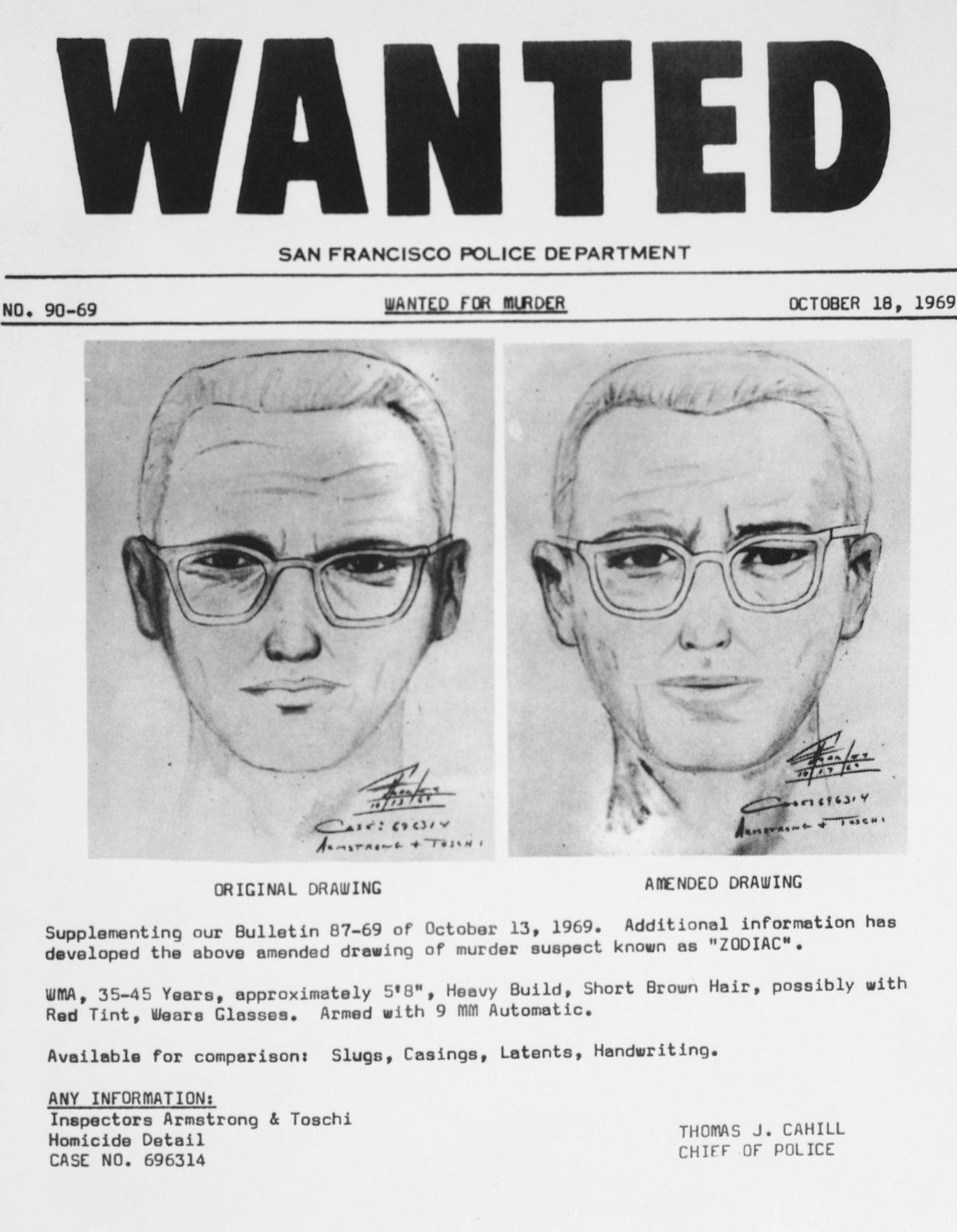
The 1969 Zodiac cipher that hid a name — until codebreakers cracked it
In December 2020, a team of codebreakers — including David Oranchak, a software developer, and two others — decrypted the second Zodiac cipher. The…
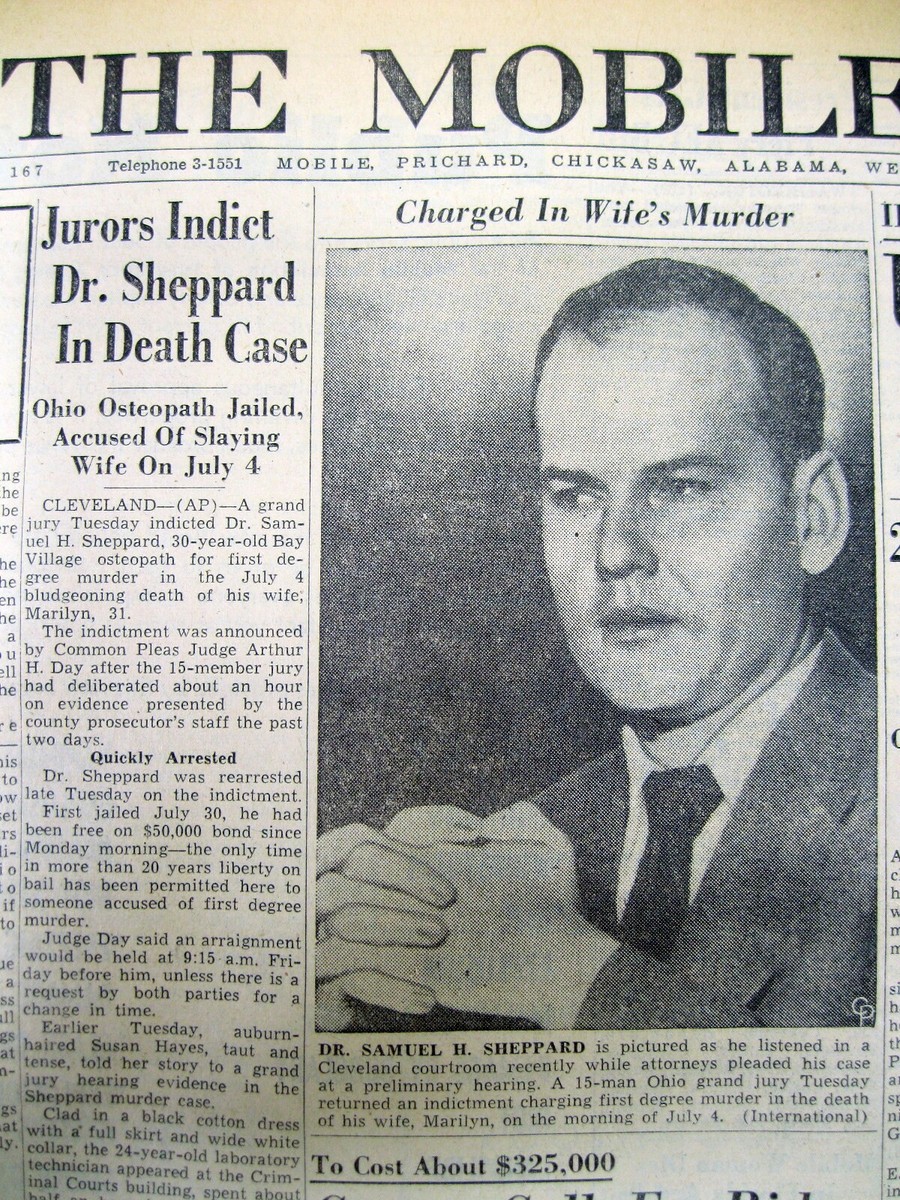
The bloodstained watch that tied a doctor to his wife's murder scene
The watch had blood on it. It was found at the murder scene, inside the Bay Village home where Marilyn Sheppard died on July…

São Paulo Hosts South America's First WTA Coaches Workshop in Historic Debut
More than 60 tennis coaches gathered in São Paulo last month for a first in South American tennis: an official WTA Coaches Workshop, held…
Booed Larkin Returns as Red Wings Host Senators After Trade Demand
Dylan Larkin is back on the ice for the Detroit Red Wings — and the fans have not forgotten. Larkin made his season debut…

Red Wings Fans Boo Dylan Larkin in Injury Return Amid Trade Request Fallout
Dylan Larkin's return to the Detroit lineup didn't come with any grace period. The moment the center touched the puck Tuesday night against the…