The Astros' Dynasty Is Over, But the White Sox Didn't End It
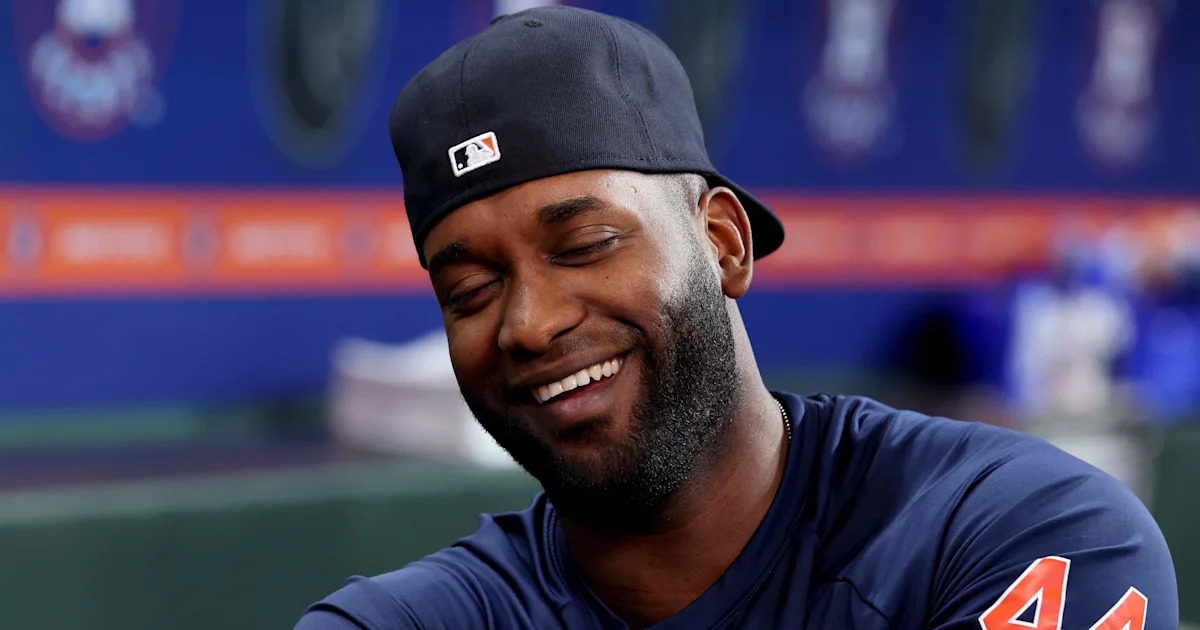
The 2026 Houston Astros won the AL West. That is about the extent of the praise they deserve, according to www.justbaseball.com.
The Astros of old are now gone. Dynasties rarely announce when they are over—there is usually no clean ending, no obvious moment when a team goes from feared to vulnerable.
The names are still familiar. The banners still hang. Enough talent remains to convince everyone that one more run is possible.
That is what makes the 2026 Houston Astros so interesting. Their season ended with a lifeless two-game sweep at home, but the White Sox did not end the Astros' dynasty. They simply forced Houston to confront a question that has been getting harder to ignore.
The team that ruled the American League for most of the last decade is gone. What remains is a franchise caught between honoring what it built and deciding how aggressively it is willing to build what comes next.
No specific date or exact quote is given in the source for this section. The question, though, is no longer theoretical—it is the only thing left to answer.
AN UGLY ENDING AT HOME
Houston dropped two straight at home to a White Sox team that had not won a playoff series in more than two decades, per www.justbaseball.com. The last time Chicago took a postseason round, it was against these same Astros in the 2005 World Series.
Chicago was the sharper team in both games. Aside from a handful of high-leverage outs that kept runners stranded, Houston put up little resistance, according to www.justbaseball.com. This was one of the worst teams to reach the postseason by a myriad of advanced metrics, and over two games nearly every one of its flaws was exposed.
A lack of pitching depth forced Houston to use an opener in both games, neither of whom executed particularly well. The specific names of those openers are not in the source. What is clear is that a team built to dominate October had to improvise its way through a two-game sweep.
The lineup, meanwhile, had spent much of the season disproportionately dependent on Yordan Alvarez. When he went 1-for-8 in the series, there was nobody capable of picking up the slack. Alvarez was still hitting the ball extremely hard, but he put it on the ground more frequently than usual, and a team built around one singularly dominant offensive force suddenly looked exactly as vulnerable as that construction suggested.
A TEAM BUILT ON ONE BAT
The numbers tell the story plainly: the 2026 Astros were one of the worst teams to reach the postseason by a myriad of advanced metrics, per www.justbaseball.com. Specific metric values are not provided in the source, but the characterization alone underscores how far this roster had fallen from its peak.
The root of the decline was a lineup disproportionately dependent on Yordan Alvarez for much of the season, according to www.justbaseball.com. When Alvarez went 1-for-8 in the series, nobody was capable of picking up the slack. He was still hitting the ball extremely hard, but he put it on the ground more frequently than usual, and a team built around one singularly dominant offensive force suddenly looked exactly as vulnerable as that construction suggested.
Alvarez was brilliant throughout the regular season and will be justly rewarded with the MVP, per www.justbaseball.com. That individual excellence, however, masked a structural fragility that two October games exposed completely.
The White Sox had not won a playoff series since beating these same Astros in the 2005 World Series, according to www.justbaseball.com. Over two games, Chicago needed nothing more than to contain one hitter. That was all it took to end Houston's season.
NO MORE FEAR IN OCTOBER
For most of the last decade, Houston entered October feeling inevitable, according to www.justbaseball.com. Even when another team appeared better on paper, everyone understood that eventually you were probably going to have to beat them. That quiet certainty was the true currency of the dynasty, more valuable than any single roster move.
These 2026 Astros never inspired the kind of fear their predecessors did, per www.justbaseball.com. The names are still familiar, the banners still hang, and enough talent remains to convince everyone that one more run is possible. But possibility is not inevitability. The difference between the two is what separated this October from every one before it.
The 2026 Astros won the AL West, but that is about the extent of the praise that can be heaped upon them, according to www.justbaseball.com. A division title no longer feels like a statement of dominance so much as a floor being met. The White Sox did not end the dynasty; they simply forced Houston to confront a question that has been getting harder to ignore.
The team that ruled the American League for most of the last decade is gone. What remains is a franchise caught between honoring what it built and deciding how aggressively it is willing to build what comes next. No specific roster moves or future plans have been confirmed in the source — only that the question itself is now unavoidable.
WHAT TO WATCH NEXT
The franchise is caught between honoring what it built and deciding how aggressively it is willing to build what comes next, per www.justbaseball.com. That tension is not new, but it has never been this loud. The question of how to move forward has been getting harder to ignore, and a lifeless sweep only sharpens it.
The old Astros are gone. The team must decide what the new identity will be — whether that means retooling around the remnants of the core, reshaping the pitching staff around a rotation that needed openers in October, or finding a second bat to stand beside Yordan Alvarez.
No specific next game, trade, or front-office decision is confirmed in the source. There is no announced timeline, no leaked plan, no deadline looming in the calendar. What the source does make clear is that the choice itself is now unavoidable.
The banners still hang. The names are still familiar. But a division title no longer feels like a statement — it feels like a floor. What comes next is not a question of if Houston changes, but how boldly it is willing to change.
That answer has not been written yet. For the first time in a decade, the Astros enter an offseason without the comfort of inevitability — and without the luxury of pretending the old formula still works.
Advertisement
You may also like

Sam Mewis Hosts Kennedy Wesley on New Friendlies Episode
The new episode is part of the Friendlies series on www.meninblazers.com, the podcast hosted by Sam Mewis. The listing places it under both "Newest…

Becky Sauerbrunn joins Sam Mewis on Good Vibes FC Oct 6
Good Vibes FC will feature Becky Sauerbrunn as a guest on Tuesday, Oct. 6 at 9 a.m. ET, according to www.meninblazers.com. The episode is…
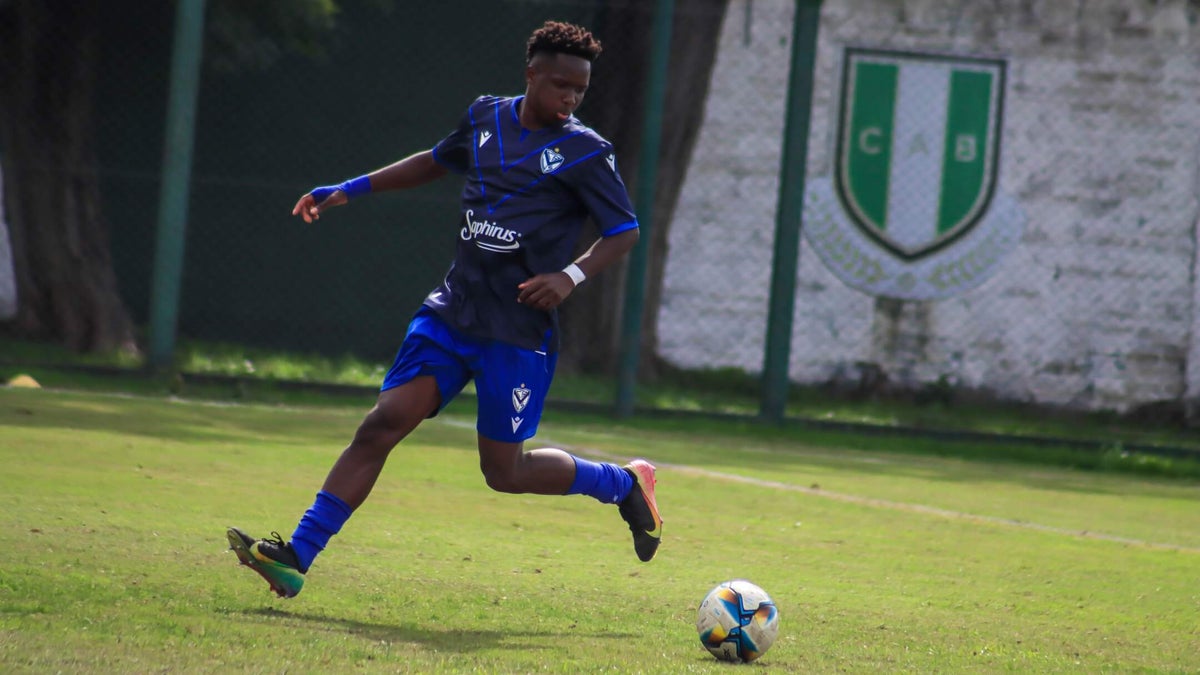
Haitian earthquake survivor Kiki Ramos earns Argentina U-17 call-up
Kiki Ramos was sitting in an online maths class when his phone buzzed with the text message that changed his life. "My phone buzzed…

Messi buys Spanish second-division club Eldense: Why a tiny team?
On September 9, The Athletic reported that Inter Miami star Lionel Messi had agreed a deal in principle to buy Eldense, who play in…
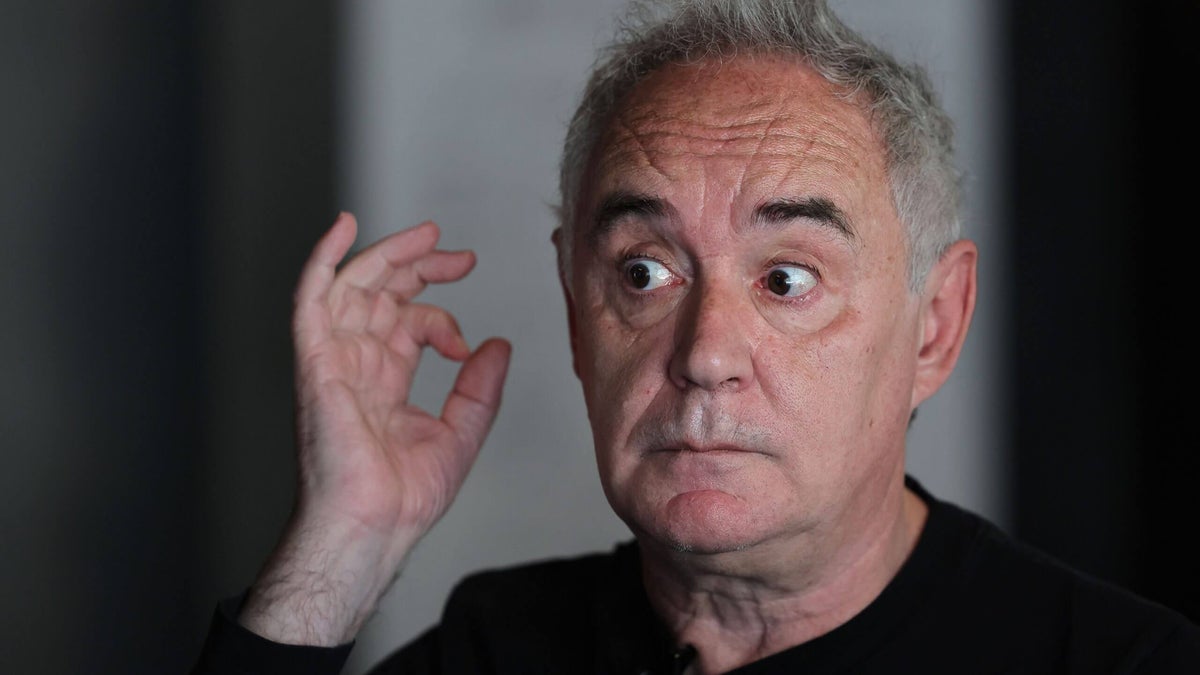
From Barca trial to El Bulli: Ferran Adria on his Cruyff dream
Ferran Adria wanted to be Johan Cruyff. Before he became one of the world’s most celebrated chefs, football was his first passion, according to…

78-Year-Old Referee Has Officiated 5,000 Matches — and Won’t Stop
Ken Wright could have chosen a serene retirement. Instead, the 78-year-old undertakes the often thankless task of officiating football matches. On the pitch, whistle…