The backyard holes a tenant dug for 'trees' — and the bodies found after Dorothea Puente fled
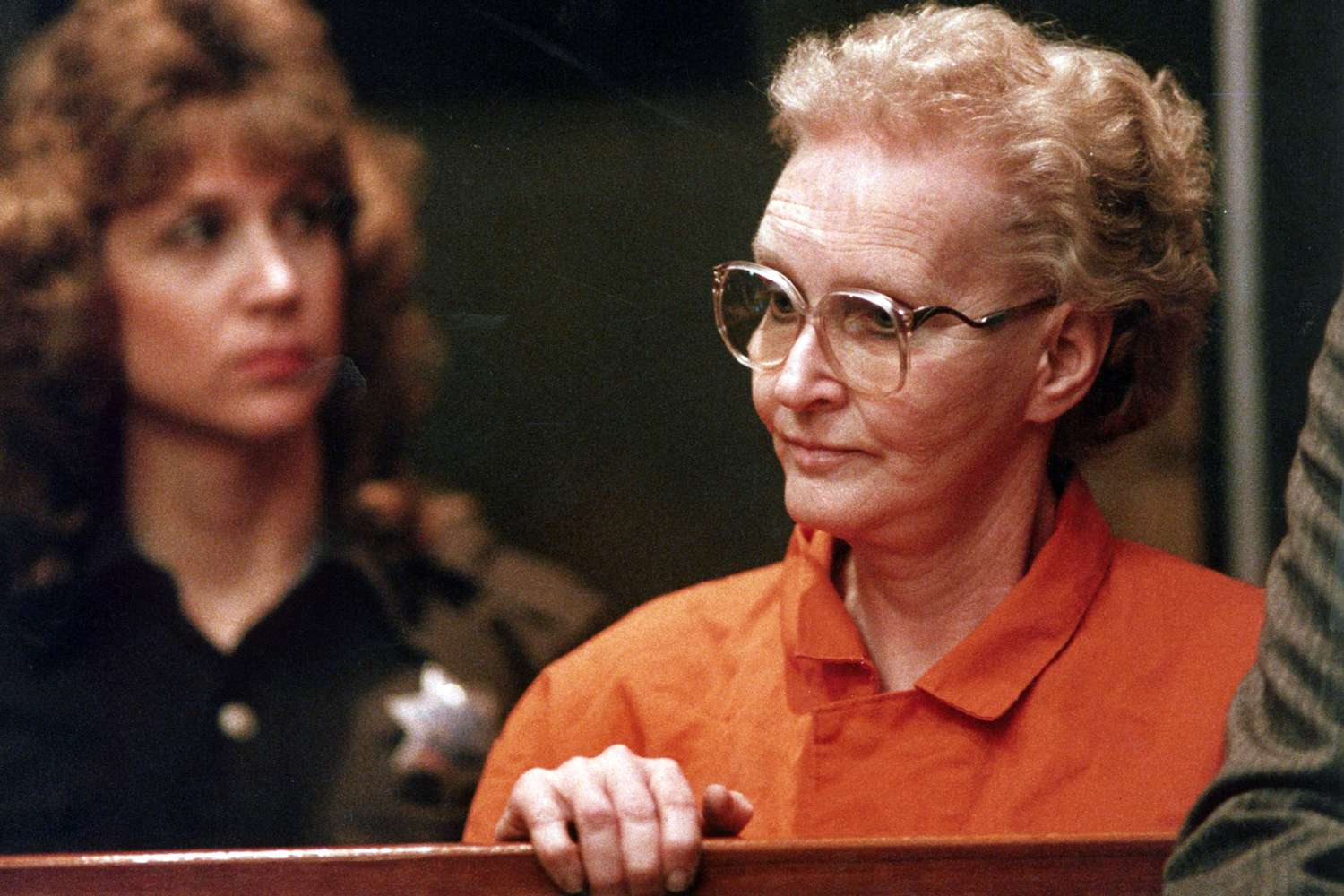
He was a longtime friend, an occasional employee. He testified that she asked him to dig holes in the backyard of the boarding house at 1426 F Street.
She told him the holes were for planting trees. That claim is documented in trial testimony.
The holes were in the backyard. The backyard of the house where she took in elderly and disabled tenants.
In November 1988, police acting on a tip dug in that same backyard. They uncovered the first body within hours.
Over several days, excavators recovered the bodies of seven people from the property. Seven bodies from the holes a tenant dug for "trees."
His full name is not in the source material. He is referred to here only by his role: the friend, the occasional employee, the witness.
He testified. She said trees.
The record does not establish what he thought as he dug. It does not establish whether he asked a second question.
It establishes the holes. It establishes the bodies.
What did he see when he looked at the ground after November 1988? That would require evidence.
THE SOCIAL WORKER'S CALL
The social worker's report came in November 1988.
A 51-year-old tenant had disappeared from the boarding house at 1426 F Street.
His Social Security checks kept being deposited after he vanished.
That triggered the report.
Sacramento Police searched the property.
Acting on a tip, they dug in the backyard.
They found human remains.
The missing tenant's name appears in the case file, but not in news coverage of this case.
The record does not establish what his family was told when the call came.
It does not establish how long they waited for an answer.
Puente had already fled.
She was arrested in Los Angeles on November 16, 1988, after a nationwide alert.
The checks kept coming.
The rent kept being collected.
The tenant was gone.
What did the social worker say when she made that call?
What did the police find in the first hours of digging?
That would require evidence.
SEVEN BODIES, NINE CHARGES
The first body was in the ground within hours of the first shovelful.
Over the following days, excavators recovered the bodies of seven people from the backyard at 1426 F Street.
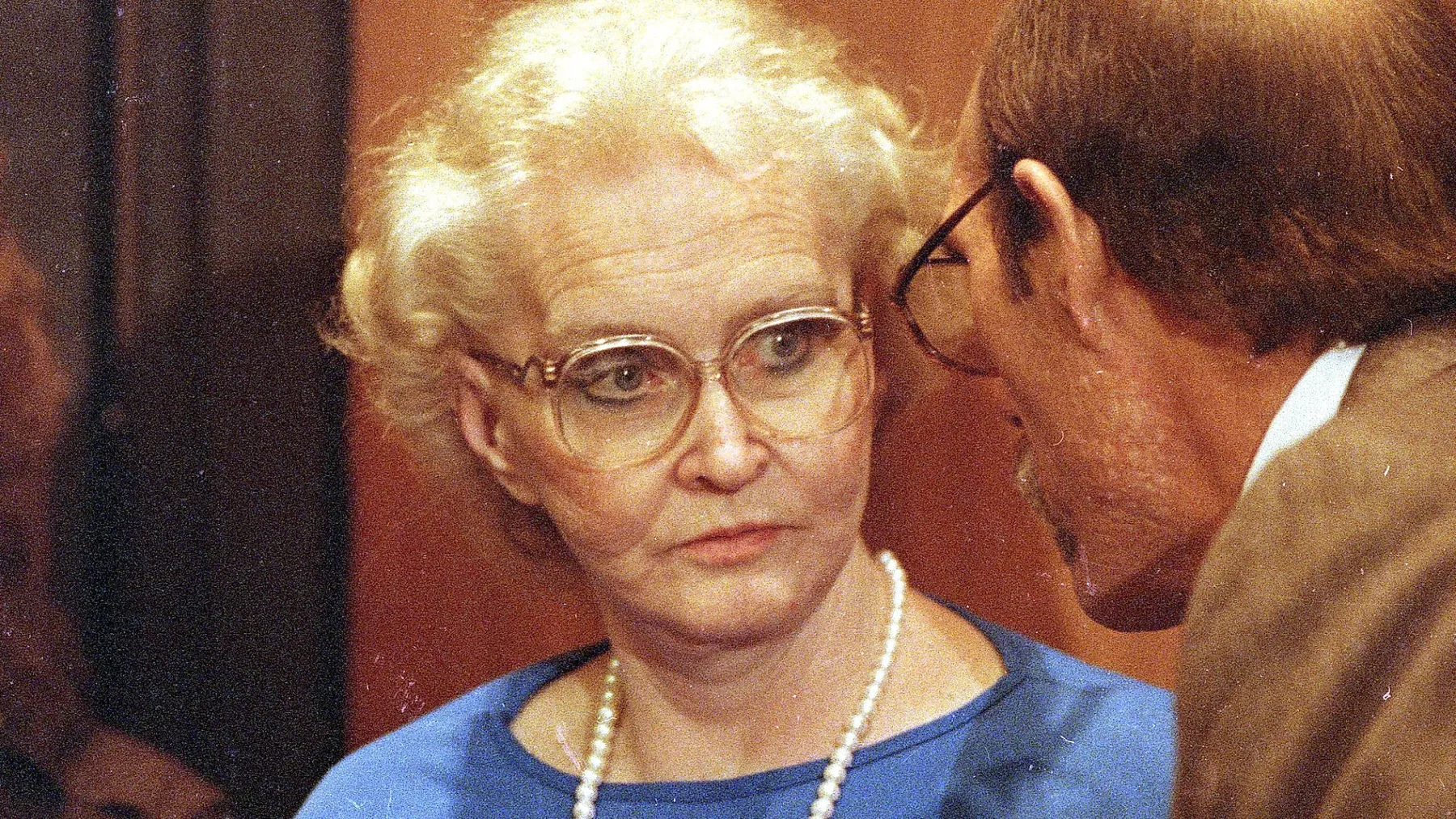
Not seven graves that were neat. Seven bodies, some of them dismembered.
Forensic anthropologists identified the remains.
The names on the identification tags were the names of tenants who had stopped answering the door: a man whose disappearance a social worker had reported, a woman who had lived upstairs, others who had simply stopped cashing their own checks.
Evidence showed Puente continued to cash victims' checks and collect their rent.
That was the pattern the prosecution would draw: drugged tenants, dead tenants, and a landlady who kept the mail coming.
She was charged with nine counts of murder.
Seven bodies were found at the house.
One former tenant was found buried along the American River.
One victim was never found at all.
Nine charges. Eight bodies. One empty grave.
The prosecution argued Puente drugged and killed tenants to steal their benefit checks.
That was the case as the state told it.
The defense would tell it differently later, but the count did not change.
Seven in the backyard. One in the riverbed. One missing.
The two unidentified men found in the yard were later named through DNA as John and William — their full names were not widely reported, and the record does not fully establish them.
The victim who was never found is named in the source material, but not in news coverage; he is known by his role.
He was a tenant.
He is still a tenant who never turned up.
TWO STORIES OF THE SAME BACKYARD
The prosecution argued Puente drugged and killed tenants to steal their benefit checks and rent.
Puente claimed the deaths were accidental overdoses and that she had panicked and buried the bodies.
Her defense argued she was a kind caregiver whose tenants died of natural causes or overdoses, and that she made poor decisions in disposing of the bodies.
Two stories, same backyard.
One story ends with a shovel and a lie about trees.
The other story ends with a body in a riverbed and a tenant who never turned up.
At trial in 1993, the jury heard both.
The jury convicted her of three counts of first-degree murder and two counts of second-degree murder.
She was acquitted of the remaining charges.
Not because the jury believed her story entirely.
But because the record did not carry every charge.
The judge sentenced her to life in prison without the possibility of parole.
The prosecution had sought the death penalty, but the jury did not recommend it.

The defense attorney argued for the caregiver.
The prosecutor argued for the killer.
The trial judge presided over both.
What the jury decided was partial.
What the jury decided was careful.
What the jury decided left seven bodies in the ground and one charge unresolved.
A theory circulates online that Puente was a kind caregiver.
That theory is not a fact established by the record.
The documented evidence shows seven bodies exhumed from her backyard.
The victim who was never found is not in the ground.
He is still a tenant who never turned up.
That would require evidence.
That would require a body.
That would require a story the record does not tell.
AND THE STORY STILL ISN'T OVER
Dorothea Puente died in prison on March 27, 2011, at the age of 82, of natural causes.
She had been incarcerated at the Central California Women's Facility in Chowchilla.
The boarding house at 1426 F Street was demolished in 1990.
The families of the victims received no compensation from Puente.
Not because she offered it. Because she never did.
No new legal developments have occurred since her death.
The case has been the subject of books and documentaries.
The books tell the story. The documentaries replay the footage. The record stays where it was.
The viral claim that she was a kind caregiver is not established by the record.
The documented evidence shows seven bodies exhumed from her backyard.
That is what the record holds. That is what the record does not erase.
The names of the victims' families are not in the source.
No specific weapon was identified — evidence suggested victims were drugged, but no weapon was reported.
That would require evidence.
That would require a settlement.
That would require a story the record does not tell.
She was on the ground below, and the house above her is gone.
The families remain. The compensation does not.
Advertisement
You may also like
The cell phone logs that placed Adnan Syed in Leakin Park — and the alibi witness his lawyer never called
She was on the ground below. Hae Min Lee, an 18-year-old senior at Woodlawn High School in Baltimore County, Maryland, disappeared on January 13,…

The notebook Brian Laundrie carried into the swamp that named the killer of Gabby Petito
The notebook was found in the swamp, near the remains, on October 20, 2021. Brian Laundrie’s body was discovered in the Carlton Reserve in…
A 15-year-old boy stepped out to meet a contractor. His mother never saw him again.
She watched him walk out. December 11, 1978, and Robert Piest was leaving his shift at the pharmacy in Des Plaines, Illinois. He was…
The mother who spent 47 years searching a moor for her son's body
She walked the same ground for 47 years. Winnie Johnson went back to Saddleworth Moor, again and again, looking for her son. Her son…
Caylee Anthony's grandmother reported her missing 31 days after she was last seen
Caylee Marie Anthony was two years old. Her family last saw her in mid-June 2008, in Orlando, Florida. On July 15, 2008, her maternal…
The radio and binoculars that led police to the Clutter killers
The Sunday bell did not ring for the Clutter family. On the morning of November 16, 1959, neighbors and friends came to River Valley…