Clipperland hosts the NBA's co-story of the year: a salary cap case
The co-story of the NBA season played out in Clipperland, according to marcstein.substack.com.
The resolution to an audacious salary cap circumvention case landed soon after the calendar flipped to September, the source reports. The specific details of that case are not fully detailed in the source, and the full scope of what was resolved has not been confirmed.
What is clear is the collision the source describes: two worlds meeting with "more blunt force" than the writer thought possible, a convergence called "loud and complicated."
The calendar year had already delivered the first New York Knicks championship since 1973. Yet this salary cap case still earned billing as the co-story of the year, per the source.
The case was "audacious," the source states, and the location — Clipperland — made the convergence all the more striking. The source's astonishment is palpable: these two worlds, colliding exactly where they did, when they did.
That the resolution came right after September began only sharpens the timing. The case is resolved, but the full accounting of what made it audacious remains, for now, undisclosed.
WHAT HAPPENED
The resolution to the salary cap circumvention case landed in Clipperland, the source notes, with the calendar having just flipped to September 1.
Per marcstein.substack.com, the event was the conclusion of what the source calls an "audacious" salary cap circumvention case. That it happened in Clipperland, the source writes, is a convergence of two worlds colliding with "blunt force."
The source describes the collision as "loud and complicated," with the case's resolution arriving in the very place the two worlds meet. The exact nature of that resolution — any penalties, fines, or sanctions — is not specified in the source, and has not been confirmed.

What is confirmed is the timing: soon after September began, the case was done. The source's astonishment is plain — that the co-story of the year, in a calendar year already carrying the Knicks' first championship since 1973, would resolve where it did, when it did.
The case is closed. The full accounting of what made it audacious, however, remains for now undisclosed.
THE CONTEXT
The calendar year carried the first New York Knicks championship since 1973, according to marcstein.substack.com — a milestone that alone would have defined most seasons. But the source places the salary cap circumvention case as the "co-story of the year" alongside that title run.
That pairing matters. A championship is the sport's most visible triumph; a cap case is its quiet, structural undercurrent. For both to share top billing in the same calendar year, the case had to be more than routine enforcement.

The source calls it "audacious." The word is deliberate — this was not a minor bookkeeping slip or a technical violation. It was a scheme bold enough to warrant the league's attention at the highest level, and its resolution landed in Clipperland, the very intersection of the two worlds the source describes colliding.
No specific penalties, fines, or sanctions tied to the case are mentioned in the source. Any exact numbers or dates related to the resolution have not been confirmed.
What is clear is the scale: for a case to stand beside a Knicks championship in the same sentence, it must have threatened something fundamental about how teams build rosters. The audacity, per the source, was the point — and the reason the collision felt so jarring.
THE REACTION
Marc Stein, writing at marcstein.substack.com, does not hide his disbelief at what just unfolded. The collision of his two beats — the Knicks' long-awaited championship and a brazen salary cap case — could not have happened with "more blunt force," he writes.

The astonishment is personal. Stein covers the league's competitive product and its financial machinery as parallel tracks, and rarely do they intersect so violently. The resolution landing in Clipperland, of all places, only sharpened the jolt.
He calls the convergence "loud and complicated." That phrasing does the heavy lifting: this was not a quiet ruling handed down in a conference room, but a spectacle that demanded attention from every corner of the league.
No players, coaches, or executives are quoted in the source. The reaction belongs entirely to Stein himself, and he makes no attempt to soften it — the sheer strangeness of the moment is the story.
The audacity of the scheme, he suggests, is what made the collision feel so jarring. A case this brazen does not merely resolve; it reverberates, and Stein is still processing the noise.
WHAT TO WATCH NEXT

That is where the source goes quiet. Stein does not mention what comes next for the league, the franchise, or the case itself — no appeals, no related investigations, no future dates are referenced anywhere in his reporting.
The piece is built entirely around a resolution that already landed, not one that is still unfolding. Whatever fallout followed the ruling in Clipperland, it has not been confirmed and is not part of the story as told.
Fans looking for a roadmap of what to watch — a hearing, a deadline, a decision from the league office — will not find one here. Stein's focus is on the collision itself, the blunt-force strangeness of two worlds meeting in one arena of consequence.
Any future developments, appeals, or related cases are not mentioned in the source. The noise he is still processing may carry an echo, but the article does not say where it lands.
What is left is the residue of the moment: a brazen scheme resolved, a championship season shared with it, and a reporter still absorbing how loudly the two collided. The next chapter, whatever it is, has not been written into this account.
Advertisement
You may also like
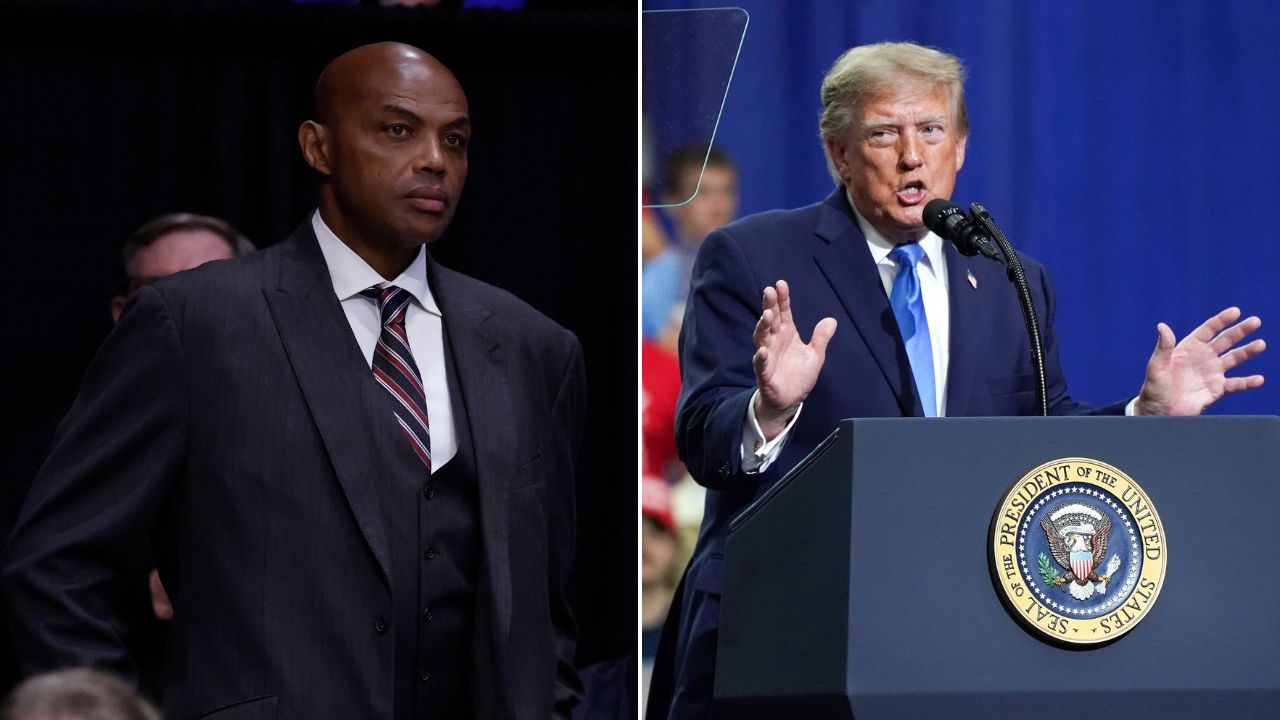
Charles Barkley Blasts Trump: 'He's Made It Popular to Be Racist'
Charles Barkley appeared on the Chris Cuomo Project earlier this week and directly criticized Donald Trump for anti-Semitic tendencies that he says have made…
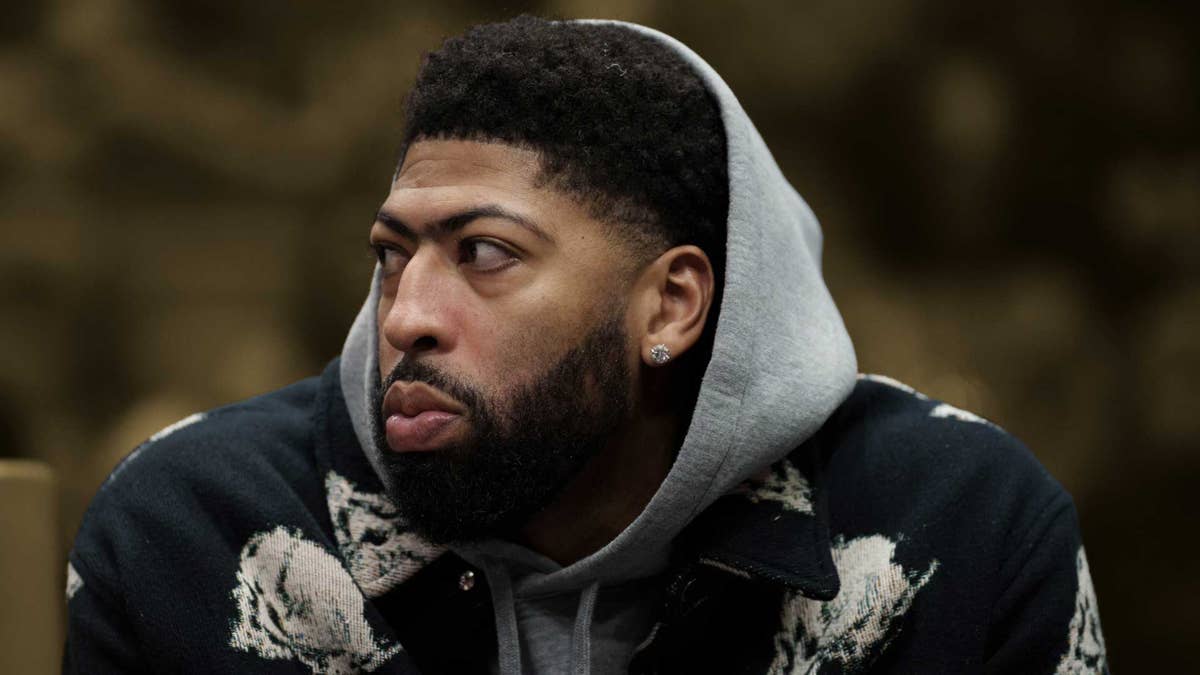
Anthony Davis reveals the 268 lbs Lakers experiment that wrecked his shot
Anthony Davis admitted the weight he packed on while playing center for the Lakers messed with his shot, according to www.basketballnetwork.net. When asked directly…
Anthony Davis sends warning ahead of 2026-27 season
Anthony Davis has sent a clear warning to the league ahead of the 2026-27 season, according to www.basketballnetwork.net. The 10-time All-Star has taken the…
Cedric Ceballos: Enforcers Would Target Steph Curry for Logo Threes and Big Salary
Cedric Ceballos has a warning for anyone who thinks Steph Curry could have waltzed through the 1990s NBA: the enforcers would have come for…
Cousins fires back at Jokic's EuroLeague pressure take, says U.S. is the standard
DeMarcus Cousins has nothing but love for Nikola Jokic. The two were brief teammates with the Denver Nuggets, where Cousins last played in the…
Draymond Green reveals the one quality that makes Wembanyama a leader like Stephen Curry
Draymond Green sees one quality in Victor Wembanyama that sets the 22-year-old apart as a leader: his lack of ego. Speaking on his podcast,…