Dream Say Short Playoff Turnaround Is Why They Closed Upper Bowl
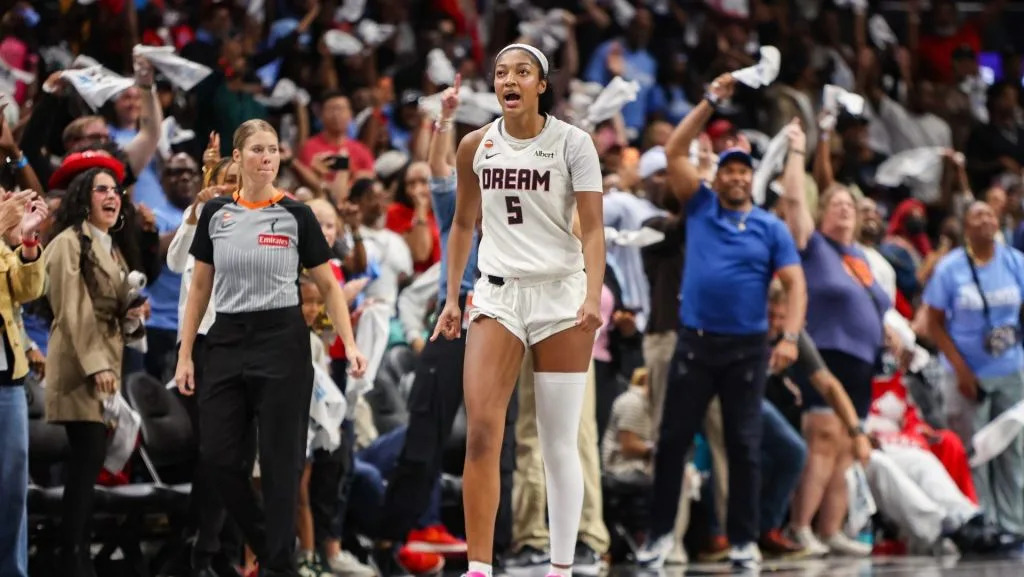
The Atlanta Dream did not close the upper bowl at State Farm Arena for home playoff games because of weak demand. A team spokesperson told Front Office Sports the limited capacity comes down to a scheduling problem: the short turnaround to sell tickets for the WNBA playoffs.
"We just decided that with the short turnaround, we would only open the lower bowl and really concentrate on selling those tickets," the spokesperson said.
State Farm Arena, owned by the Atlanta Fulton County Recreation Authority and operated by the NBA's Hawks, normally seats about 17,000 for basketball games. The lower bowl fits roughly 8,800.
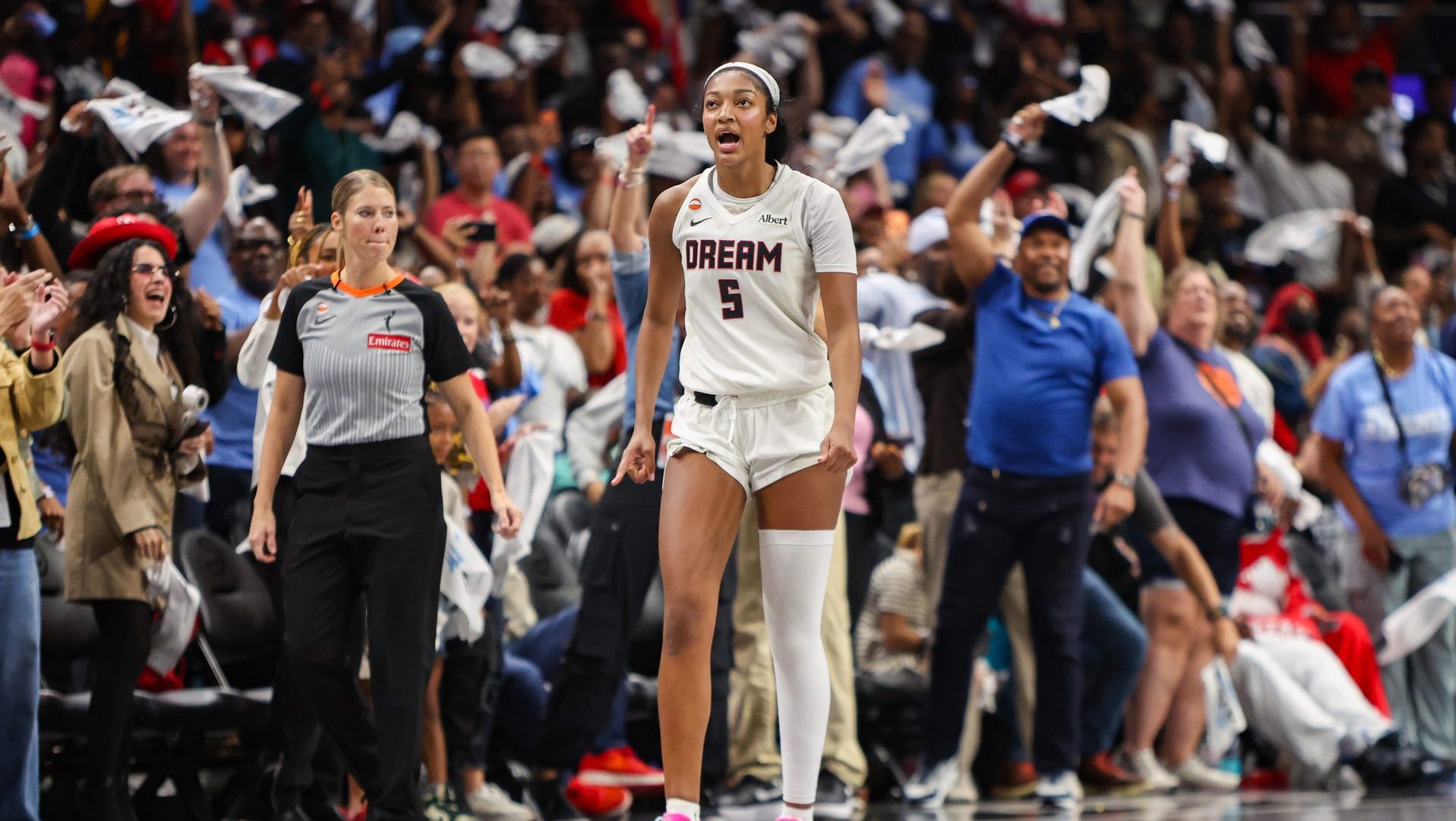
The Dream reported more than 9,700 attendees for each of its first two home playoff games, telling FOS they opened a portion of the top section once 8,800 tickets were sold. The extra capacity was used, not wasted.
THE SCHEDULE SQUEEZE
The schedule squeeze started months before the Dream knew who they would face. In late August, the team announced it would host first- and second-round playoff games at State Farm Arena rather than the 3,500-seat Gateway Center, where the Dream play most of their home games.
Tickets went on sale starting Sept. 1. But the exact dates of those home playoff games could not be set until the final seedings were locked in.
The Dream clinched home court advantage for the first round on Sept. 23, the second-to-last day of the regular season. The next day, they learned the Washington Mystics would be their first-round opponent.

The WNBA announced the exact first-round schedule Sept. 25 — two days before the Dream hosted Game 1.
Atlanta swept the Mystics on Wednesday, clinching a second-round series against the New York Liberty four days later. That left a compressed window to sell tickets for a marquee opponent, with the team's August announcement noting the "playoff venue is subject to change."
THE NUMBERS BEHIND THE DECISION
The attendance figures show the demand was never the problem. State Farm Arena's lower bowl holds about 8,800 fans; the full arena seats roughly 17,000. The Dream reported more than 9,700 attendees for each of their first two home playoff games, exceeding the lower bowl capacity and forcing the team to open a portion of the top section once 8,800 tickets were sold.

Those playoff crowds dwarf the team's regular-season baseline. The Dream averaged 6,928 fans per game during the regular season, up nearly 2,500 from last season — the largest increase in the WNBA. That surge was driven by marquee matchups: the team sold out the full State Farm Arena for five of six regular-season games, twice against the Fever, twice against the Aces, and once against the Sky.
The gap between the lower bowl and the full arena is stark — about 8,200 seats. Yet the playoff demand has already proven it can fill both. The upper section remains closed for Dream playoff games, though tickets for that same space are available for a Hawks preseason game Monday and a Charlie xcx concert Tuesday at State Farm Arena.
THE REACTION AND THE BACKLASH
The criticism came Sunday, when journalist Christine Brennan questioned why the Dream closed the upper section at State Farm Arena for Game 1 of their second-round series against the New York Liberty. The team's spokesperson offered a direct response to that scrutiny.

"We just decided that with the short turnaround, we would only open the lower bowl and really concentrate on selling those tickets," the spokesperson told Front Office Sports.
The explanation centers on time, not demand. Tickets went on sale Sept. 1, but the Dream didn't clinch home court advantage for the first round until Sept. 23 — the second-to-last day of the regular season. The WNBA announced the exact first-round schedule Sept. 25, just two days before Atlanta hosted Game 1.
The team's August announcement that they would host playoff games at State Farm Arena included a notable caveat: the "playoff venue is subject to change." That flexibility, combined with the compressed selling window, shaped the decision to focus on the lower bowl rather than open the full arena.
The spokesperson's framing suggests the upper bowl was never off the table — it was a matter of where to direct sales energy in a tight timeframe. The attendance numbers, which exceeded lower bowl capacity in both home playoff games, reinforce that the closure was a logistical choice, not a signal of weak interest.

WHAT TO WATCH NEXT
Game 2 of the second-round series against the New York Liberty is Wednesday, and tickets remain limited to the lower section. The upper bowl stays closed for that game, per the team spokesperson's explanation to Front Office Sports.
The Dream have played eight games at State Farm Arena this season, including six in the regular season. They sold out the full arena for five of those six regular-season games — twice against the Fever, twice against the Aces, and once against the Sky — so the venue's full capacity is familiar to this roster.
A win Wednesday would advance the Dream further in the playoffs, though the source does not specify the next opponent or game date. That detail has not been confirmed.
The upper bowl is not locked shut for the rest of the postseason. The team already opened a portion of the top section in both home playoff games once 8,800 lower-bowl tickets sold, pushing attendance past 9,700. The spokesperson's framing — focus on the lower bowl, then expand if needed — suggests that flexibility carries into Wednesday and beyond.
The compressed schedule remains the operative constraint. The Dream clinched home court for the first round Sept. 23, learned their opponent the next day, and got the exact first-round schedule Sept. 25 — two days before hosting Game 1. They swept the Mystics, then turned around four days later to face the Liberty. That rhythm does not loosen for Game 2.
What's next is simple: a win Wednesday keeps the run alive. The opponent beyond that, and the date, are still unknown.
Advertisement
You may also like
Buzelis: Last Year Was 'Extremely Hard' as Bulls Finally Find Structure
Matas Buzelis did not sugarcoat his second season. After Tuesday's practice at the Advocate Center, the 21-year-old called last year "extremely hard" and said…
The 1969 Zodiac cipher that hid a name — until codebreakers cracked it
In December 2020, a team of codebreakers — including David Oranchak, a software developer, and two others — decrypted the second Zodiac cipher. The…
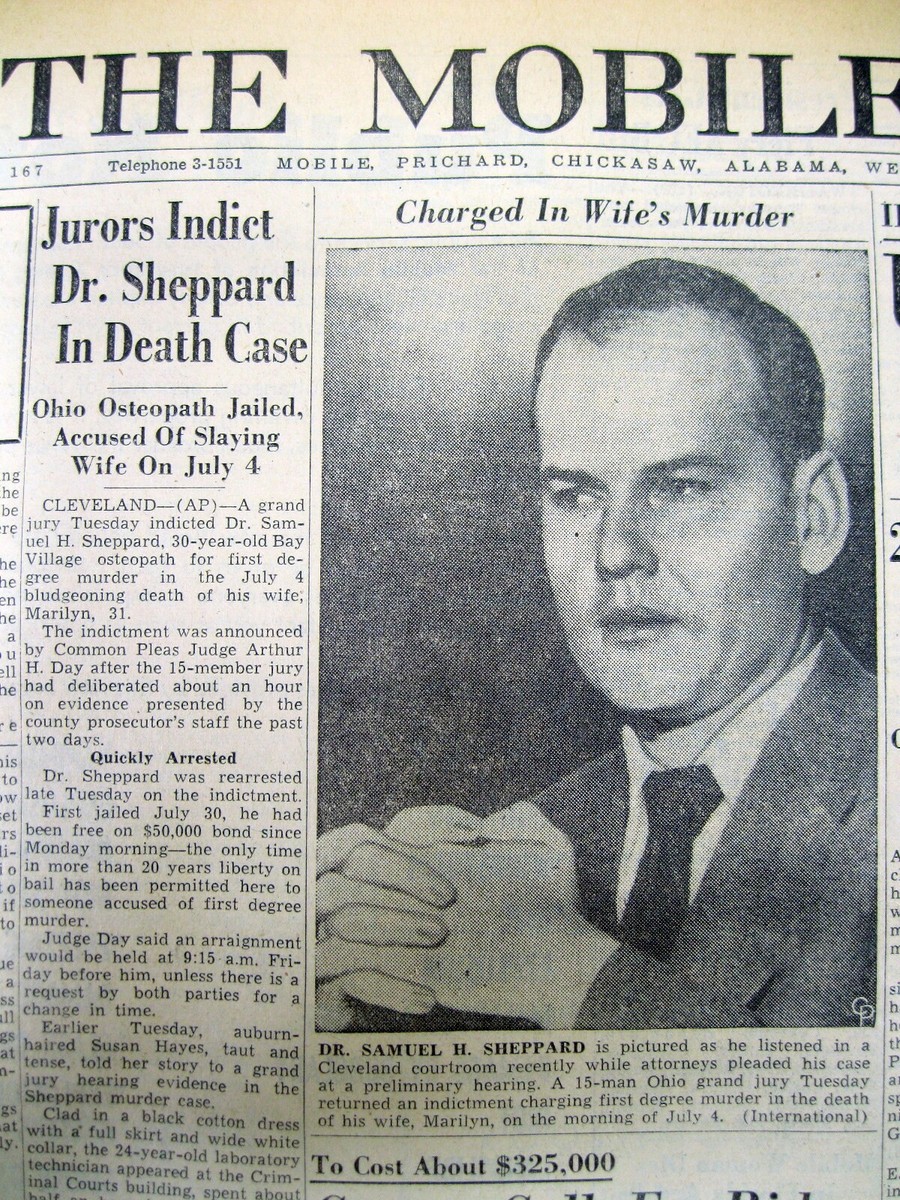
The bloodstained watch that tied a doctor to his wife's murder scene
The watch had blood on it. It was found at the murder scene, inside the Bay Village home where Marilyn Sheppard died on July…

São Paulo Hosts South America's First WTA Coaches Workshop in Historic Debut
More than 60 tennis coaches gathered in São Paulo last month for a first in South American tennis: an official WTA Coaches Workshop, held…

Booed Larkin Returns as Red Wings Host Senators After Trade Demand
Dylan Larkin is back on the ice for the Detroit Red Wings — and the fans have not forgotten. Larkin made his season debut…

Red Wings Fans Boo Dylan Larkin in Injury Return Amid Trade Request Fallout
Dylan Larkin's return to the Detroit lineup didn't come with any grace period. The moment the center touched the puck Tuesday night against the…