Ex-NBA Ref Says Superstar Treatment Is a Myth — 'They Know How to Play'

Derek Richardson spent 28 years officiating in the NBA, working 1,540 games before retiring in 2025. He has heard the whispers about "superstar treatment" for Michael Jordan, Kobe Bryant, and LeBron James. He says the theory is wrong.
"No, because number one, every play gets reviewed, and if I'm in the bottom-third, they are not even considering me for the playoffs," Richardson explained on an episode of Byron Scott's Fast Break podcast, per www.basketballnetwork.net.
"So people think that we give Mike, Kobe, LeBron, these preferential treatments instead of just one simple thing: they know how to play."
Richardson's logic is blunt. Referees are graded on every call, and the ones who miss too many don't work when the stakes rise. The pressure is on the official to get it right, not to protect a star's reputation.
The exact date of the podcast episode has not been confirmed, but the message is clear from a man who spent nearly three decades calling games at the highest level.
WHY REFS CAN'T PLAY FAVORITES
Richardson explained on the podcast that every play gets reviewed, and officials ranked in the bottom third are not even considered for playoff assignments. That creates a straightforward incentive: call the game correctly, or lose the biggest stages of the season.
The performance-based system puts the pressure on referees to be accurate, not to protect a star's reputation. With so much scrutiny on each whistle, favoring a name like Jordan or James would be a fast way to end up watching the postseason from home.
The source notes that officials are highly trained professionals who carry significant pressure, as one bad call could affect a legacy-defining loss or career-altering defeat. Yet when they do their jobs well, they rarely get credit and sometimes face accusations of bias.

Richardson's comments directly challenge the long-held fan belief that the league's biggest names get calls or no-calls in their favor. He frames officiating as a thankless job where referees are graded harshly and second-guessed constantly.
No specific examples of reviewed plays or playoff assignments are given in the source, so the exact mechanics of that grading system remain unclear. But Richardson's point stands on the structure itself: the system rewards accuracy, not allegiance.
THE NUMBERS BEHIND THE CAREER
Richardson’s opinion carries weight because of the sheer volume of games he called. He officiated 1,540 NBA contests over a 28-year career, per www.basketballnetwork.net.
That tenure ended in 2025, when he retired from the job. The source does not provide his age, specific seasons worked, or any playoff game counts, so those details remain unconfirmed.
The source also notes that officials work in crews of three on the floor, though it does not specify how many games Richardson handled per season. What is clear is the scale: more than 1,500 games of NBA action, each one graded and reviewed.
The term “superstar treatment” is defined in the source as the idea that the league’s biggest stars get calls or no-calls that go their way. Richardson’s career numbers put him in a position to know whether that holds up.
Nearly three decades of watching the league’s best from the floor gives his denial a grounded perspective. He did not just see Jordan, Bryant, and James play — he had a whistle in his hand for thousands of their games.
WHAT STARS REALLY DO DIFFERENTLY

Richardson says the real difference was never the whistle — it was the mind. Rather than getting preferential treatment, the league’s best stars understood the game and knew which subtle aspects to exploit without breaking the rules.
“It’s the little things… that’s what these guys did. They understood the game,” Richardson said on Byron Scott’s Fast Break podcast.
He specifically referenced Michael Jordan, Kobe Bryant, and LeBron James as players people think got preferential treatment. In Richardson’s telling, what fans read as bias was actually a mastery of positioning, timing, and rulebook nuance that made stars look protected.
The source does not include any specific examples of the “little things” stars did, so the exact details remain unconfirmed.
What Richardson’s explanation does is shift the focus from officiating bias to player skill and basketball IQ. Instead of a conspiracy, he offers a simpler read: the best players know how to play the game within the game.
That framing reframes the debate entirely. The question stops being “do refs favor stars?” and becomes “what are stars seeing that everyone else misses?”
WHAT TO WATCH NEXT
Fans can hear the full conversation on Byron Scott’s Fast Break podcast, where Richardson made his comments. The episode offers more context on how the veteran official views the relationship between referees and the league’s biggest stars.
The source does not mention any upcoming games, events, or further statements from Richardson. Any future podcast appearances, interviews, or public statements by him are not confirmed. No officiating decisions or league actions are referenced either.
That leaves the debate over superstar treatment where it has always been: open. Richardson’s 28-year perspective adds a veteran voice to the discussion, but it won't settle it. Fans will keep arguing the calls, and Richardson will likely keep his distance from the spotlight.
For now, the episode stands as his latest word on the subject. Anyone looking for more from him will have to wait for something that has not been announced.
Advertisement
You may also like
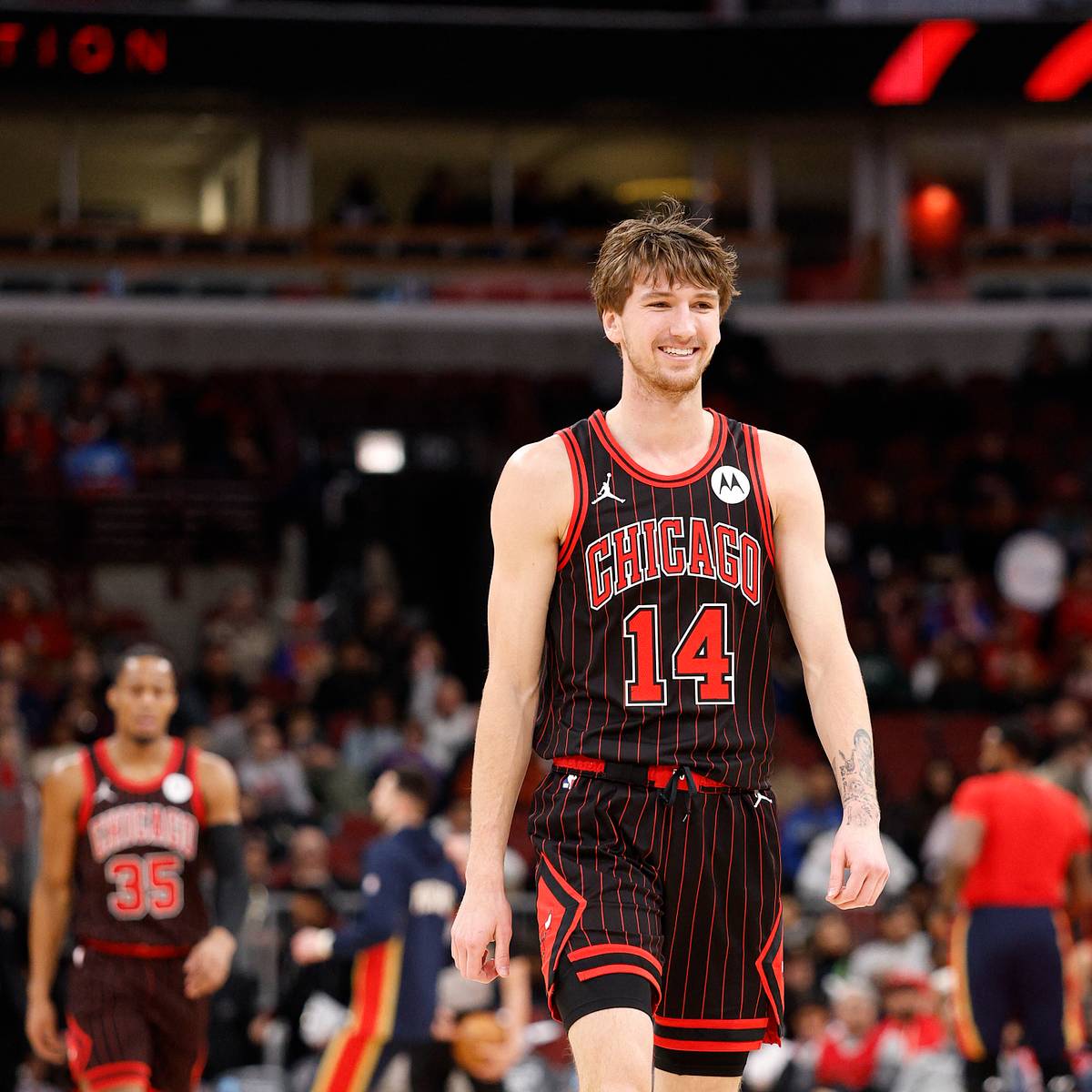
Buzelis: Last Year Was 'Extremely Hard' as Bulls Finally Find Structure
Matas Buzelis did not sugarcoat his second season. After Tuesday's practice at the Advocate Center, the 21-year-old called last year "extremely hard" and said…
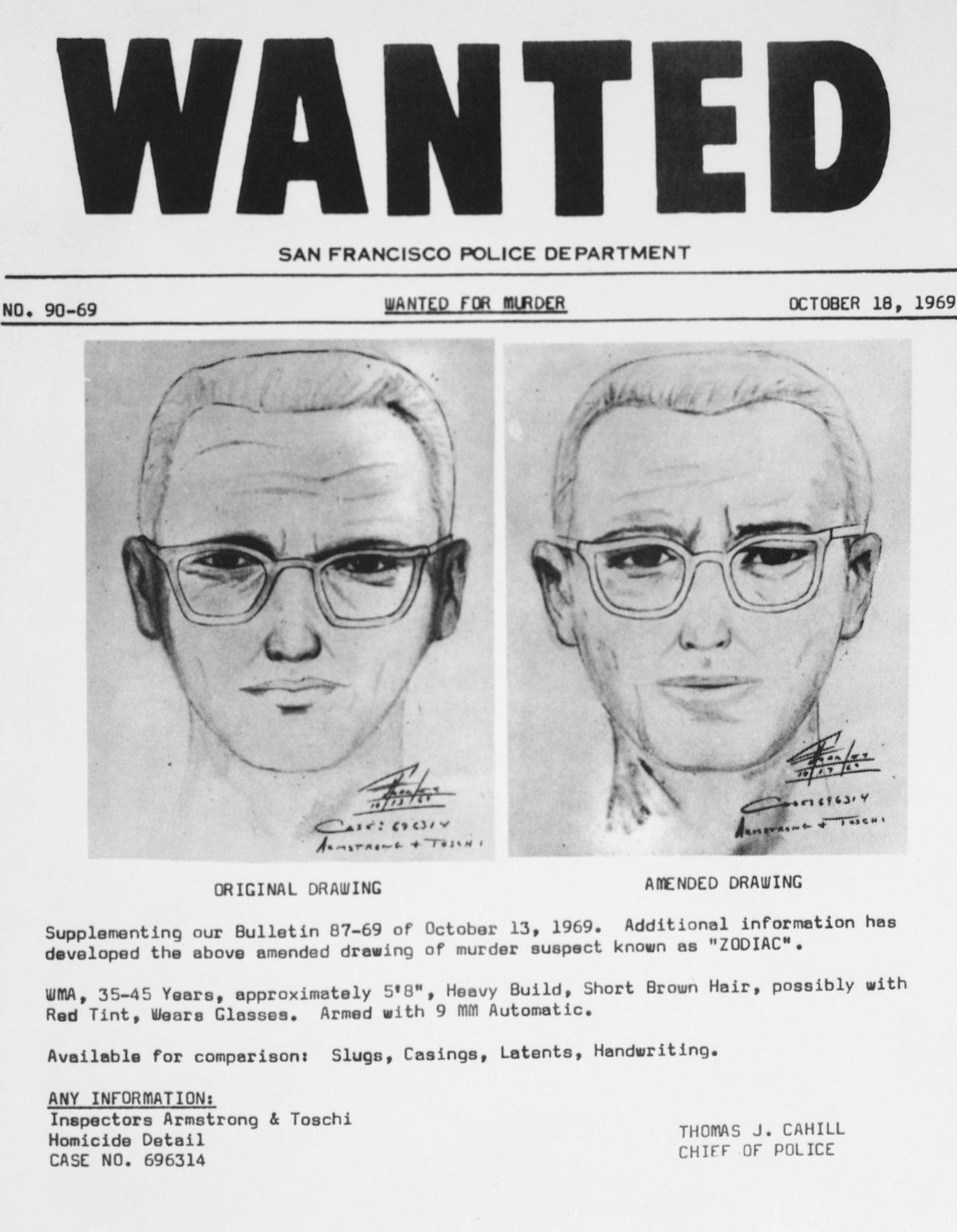
The 1969 Zodiac cipher that hid a name — until codebreakers cracked it
In December 2020, a team of codebreakers — including David Oranchak, a software developer, and two others — decrypted the second Zodiac cipher. The…
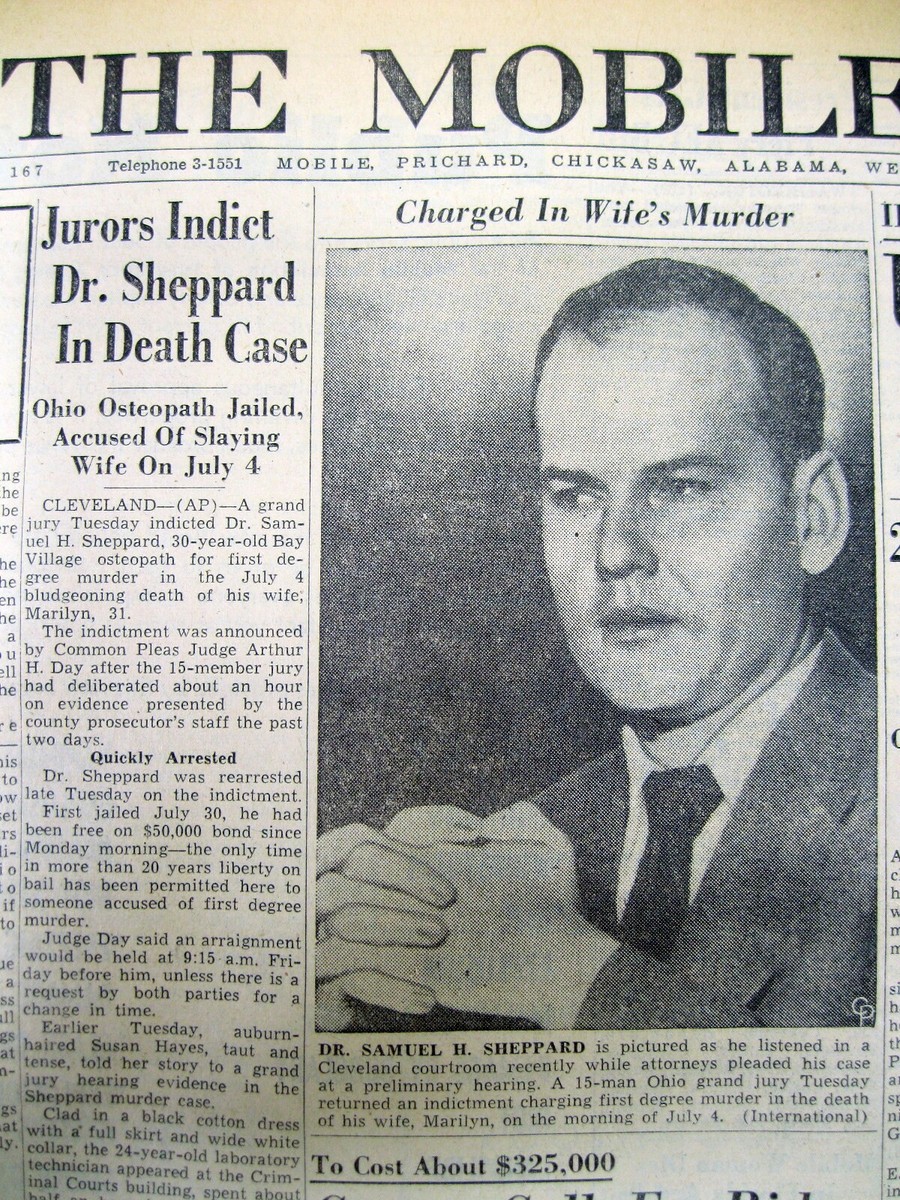
The bloodstained watch that tied a doctor to his wife's murder scene
The watch had blood on it. It was found at the murder scene, inside the Bay Village home where Marilyn Sheppard died on July…

São Paulo Hosts South America's First WTA Coaches Workshop in Historic Debut
More than 60 tennis coaches gathered in São Paulo last month for a first in South American tennis: an official WTA Coaches Workshop, held…
Booed Larkin Returns as Red Wings Host Senators After Trade Demand
Dylan Larkin is back on the ice for the Detroit Red Wings — and the fans have not forgotten. Larkin made his season debut…

Red Wings Fans Boo Dylan Larkin in Injury Return Amid Trade Request Fallout
Dylan Larkin's return to the Detroit lineup didn't come with any grace period. The moment the center touched the puck Tuesday night against the…