The license plate stop that changed everything in Oklahoma City
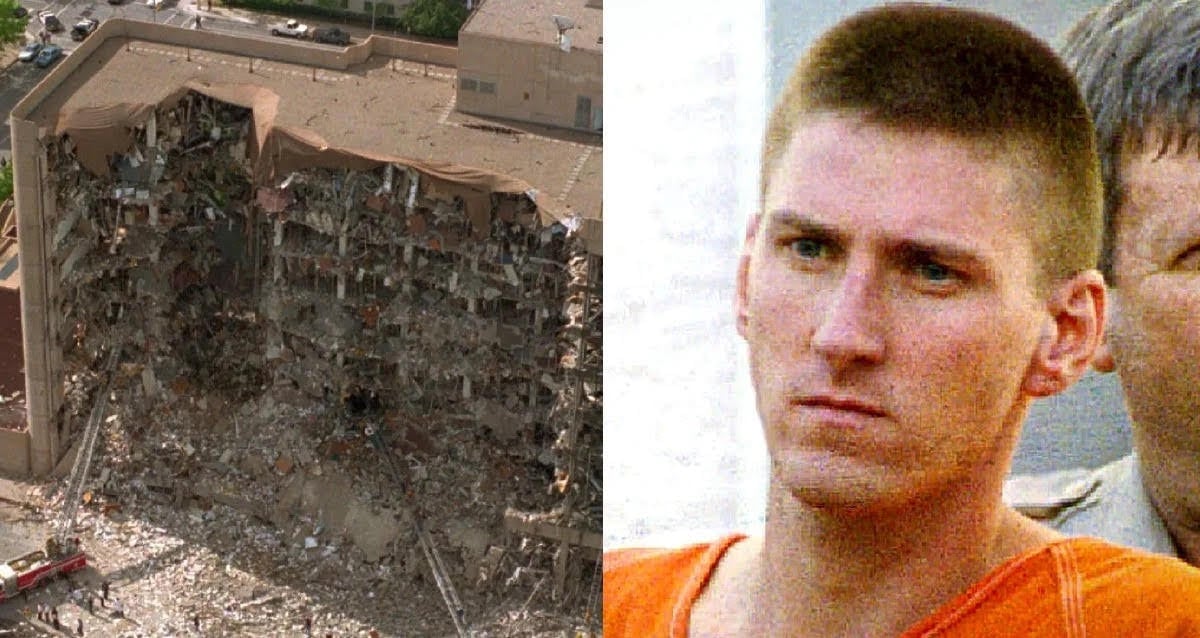
At 9:02 a.m. on April 19, 1995, a truck bomb exploded outside the Alfred P. Murrah Federal Building in Oklahoma City, Oklahoma.
The blast destroyed the north face of the nine-story building.
It killed 168 people, including 19 children in a day-care center on the second floor.
More than 500 others were injured.
Within 90 minutes of the blast, an Oklahoma Highway Patrol officer stopped a driver for a missing license plate.
That driver was Timothy McVeigh.
The officer discovered McVeigh was carrying a loaded gun at the time of the stop.
The stop is documented in the record.
It is not a theory or a rumor.
A missing plate.
A loaded gun.
A routine stop on a highway.
How does a detail that small connect to a blast that large?
That would require evidence.
The officer arrested him.
The arrest is in the record.
McVeigh was later linked to the rental truck.
That link came from an axle.
That axle bore a vehicle identification number.
The number traced the truck to a Ryder agency in Junction City, Kansas.
But that comes later.
Here, at 9:02 a.m., the building is gone.
Here, the north face is rubble.
Here, a day-care center on the second floor is silent.
And 90 minutes away, a man is pulled over because his plate is missing.
The smallness of it.
The enormity of it.
Both are real.
Both are documented.
9:02 A.M. — THE BLAST
The explosion occurred at 9:02 a.m. on April 19, 1995, outside the Alfred P. Murrah Federal Building in Oklahoma City.
The blast destroyed the north face of the nine-story building.
It killed 168 people.
Nineteen of them were children in a day-care center on the second floor.
More than 500 others were injured.
First responders and bystanders discovered the crime almost immediately.
At the time, it was the deadliest act of domestic terrorism in U.S. history.
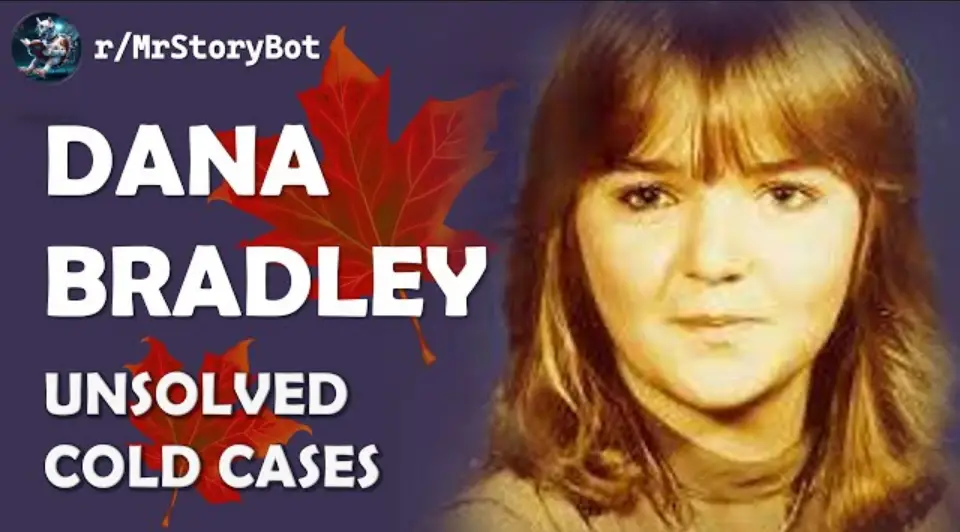
Among the victims was a young mother named Dana Bradley.
She was killed in the blast.
Her husband and their young son became symbols of the tragedy in media coverage.
The specific details of Dana Bradley's life beyond her being a young mother and a victim are not in the record.
That is not established.
What is documented is the scale: 168 dead, 19 children, more than 500 injured.
What is documented is one family's grief, carried in public view.

The husband spoke publicly about losing her.
The boy grew up without his mother.
That is the intimacy inside the enormity.
THE AXLE AND THE RENTAL
The rear axle of the Ryder truck was recovered within hours.
It bore a vehicle identification number.
The VIN traced the rental truck to a Ryder agency in Junction City, Kansas.
That led to a sketch of the renter, identified as Timothy McVeigh.
The Oklahoma Highway Patrol officer who arrested McVeigh for driving without a license plate later linked him to the rental.
He was carrying a loaded gun at the time of the stop, according to the record.
McVeigh’s fingerprints were found on a receipt for explosive materials.
Investigators found that McVeigh and Terry Nichols had purchased large quantities of ammonium nitrate fertilizer and fuel oil.
Those are the components of the bomb.
The investigation was the largest in FBI history at the time.
It began with a false lead.
Investigators first focused on Middle Eastern suspects.
That focus was quickly corrected after the truck axle was traced.
Not because the theory was weak.
But because the metal was stronger.
A piece of the truck told a story the witnesses could not.
It pointed to Kansas.
It pointed to a name.

It pointed to a man already in custody.
The exact timeline of when the VIN was matched to the rental is not specified in the record beyond "within hours."
That is what the record establishes.
The rest is the methodical pace of evidence.
From a piece of metal to a name.
From a name to a receipt.
From a receipt to a fertilizer purchase.
The axle did not solve the case alone.
It corrected the course.
That is the difference between what is viral and what is documented.
The 90-minute window held the missing plate, the loaded gun, the rental truck's axle.
All documented.
None of it theory.
THE TRIAL AND THE FAMILIES
He was tried in federal court in Denver, Colorado, after a change of venue.
On June 2, 1997, he was convicted of 11 counts of conspiracy and first-degree murder.
He was sentenced to death.
Terry Nichols was tried separately.
Nichols was convicted of conspiracy and involuntary manslaughter, and sentenced to life in prison without the possibility of parole.
Michael Fortier pleaded guilty to lesser charges for his knowledge of the plot.
Fortier testified for the prosecution.
He was sentenced to 12 years in prison.
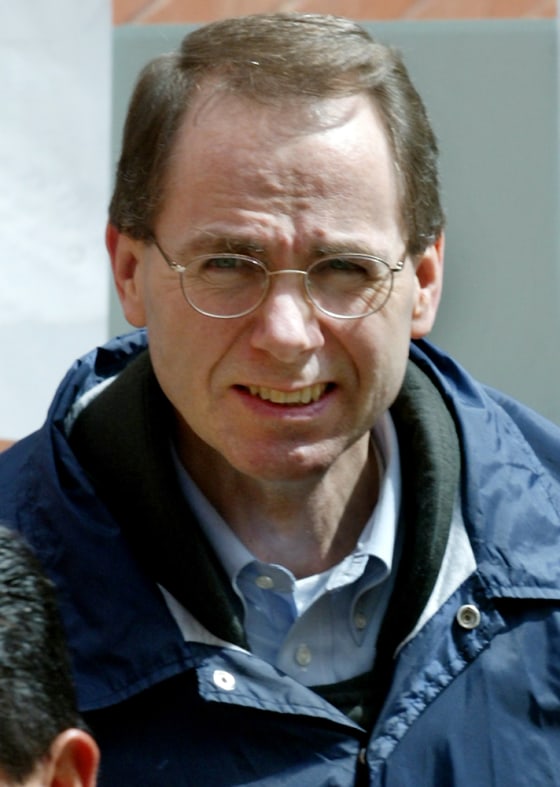
Bud Welch spoke publicly about his daughter, Julie Marie Welch, killed in the blast.
Welch spoke about grief.
Welch spoke about forgiveness.
Welch became an advocate against the death penalty.
The victim's husband also spoke publicly.
His wife, Dana Bradley, was killed in the blast.
He has largely stayed out of the public eye since.
The specific words spoken by the victim's husband are not quoted in the record.
The specific words spoken by Bud Welch are not quoted in the record.
What did they say in those public moments?
What did they ask of the country?
What did they ask of themselves?
That would require evidence the record does not contain.
The trial gave the families a verdict.
It gave them a date.
It gave them a name.
It did not give them back the 90-minute window.
The axle was documented.
The conviction was documented.
The grief was public, and it was real.
The words, precisely, are not.
…AND THE STORY STILL ISN'T OVER
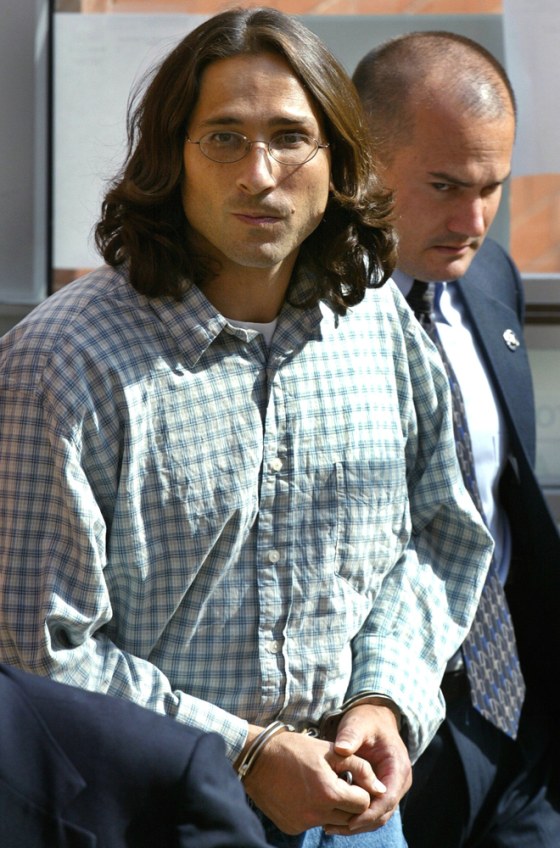
McVeigh was executed by lethal injection on June 11, 2001, at the federal penitentiary in Terre Haute, Indiana.
Terry Nichols remains in federal prison, serving life without parole.
Michael Fortier was released from prison in 2006.
The Murrah Federal Building site is now the Oklahoma City National Memorial, dedicated in 2000.
The memorial holds 168 empty chairs, one for each person killed.
The chairs line the footprint where the building stood, in bronze and stone and glass.
The memorial's museum and annual remembrance ceremonies continue to honor the victims.
Each April 19, the names are read aloud.
The silence begins at 9:02 a.m. and lasts 168 seconds.
Bud Welch, whose daughter was killed, became an advocate against the death penalty.
He spoke publicly about grief, about forgiveness, about opposing the state's punishment for McVeigh.
He testified, he argued, he stood in the open.
The victim's husband has largely stayed out of the public eye.
His grief was public, and it was real.
His life since has been quiet, and that is also documented.
No pending hearing, motion, or decision is mentioned in the source.
The next concrete step is not a legal one.
It is the annual remembrance ceremony.
It is the chairs, still in place.
It is the museum, still open.
It is the names, still read.
The conviction was documented.
The execution was documented.
The release was documented.
What remains is not a court date.
What remains is a field of chairs.
Advertisement
You may also like
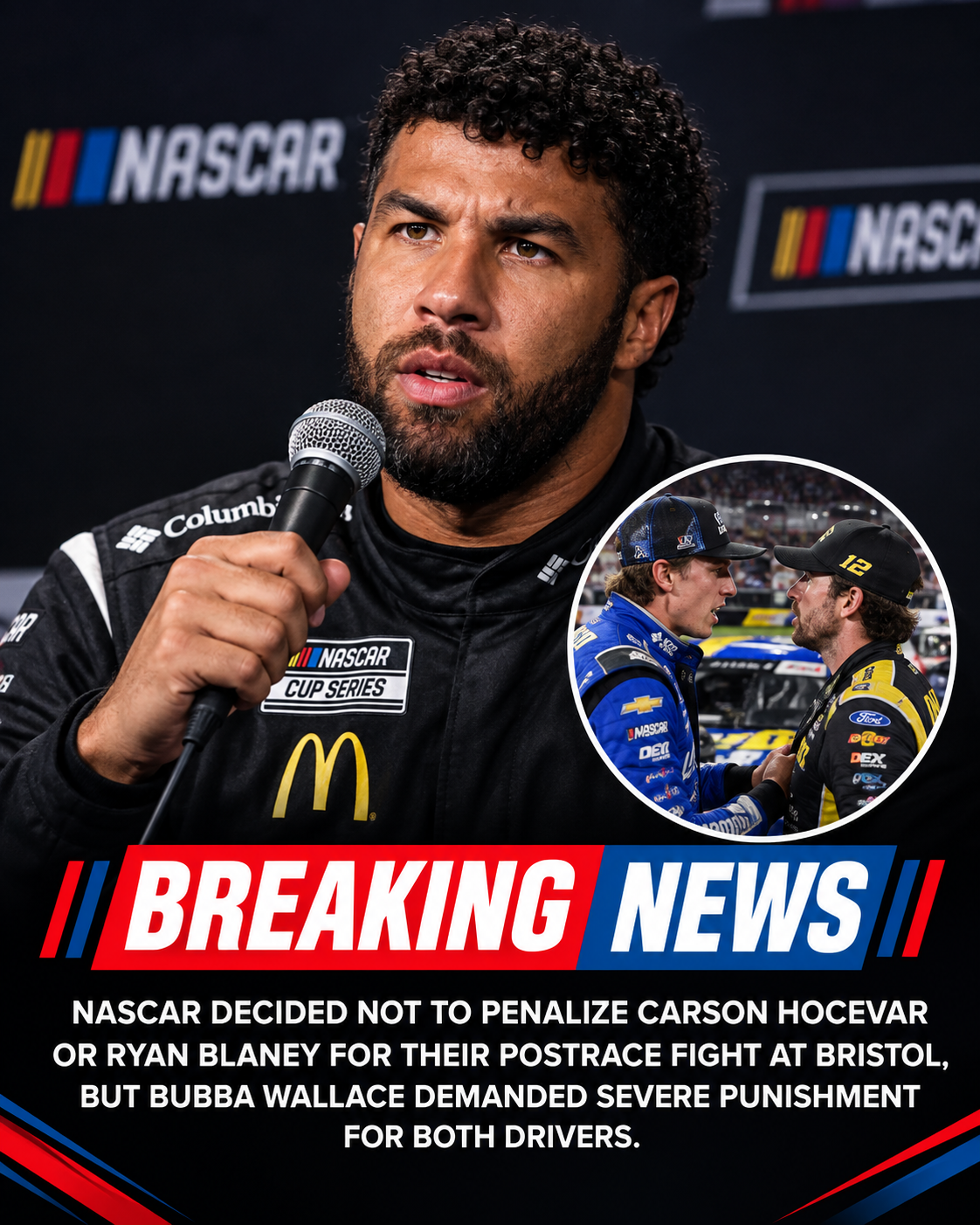
Wallace Slams NASCAR: 'They Just Let Blaney and Hocevar Get Away With Murder'
Bubba Wallace is not letting this one go. Not for a second. He watched the Bristol brawl. He watched NASCAR look at two drivers…
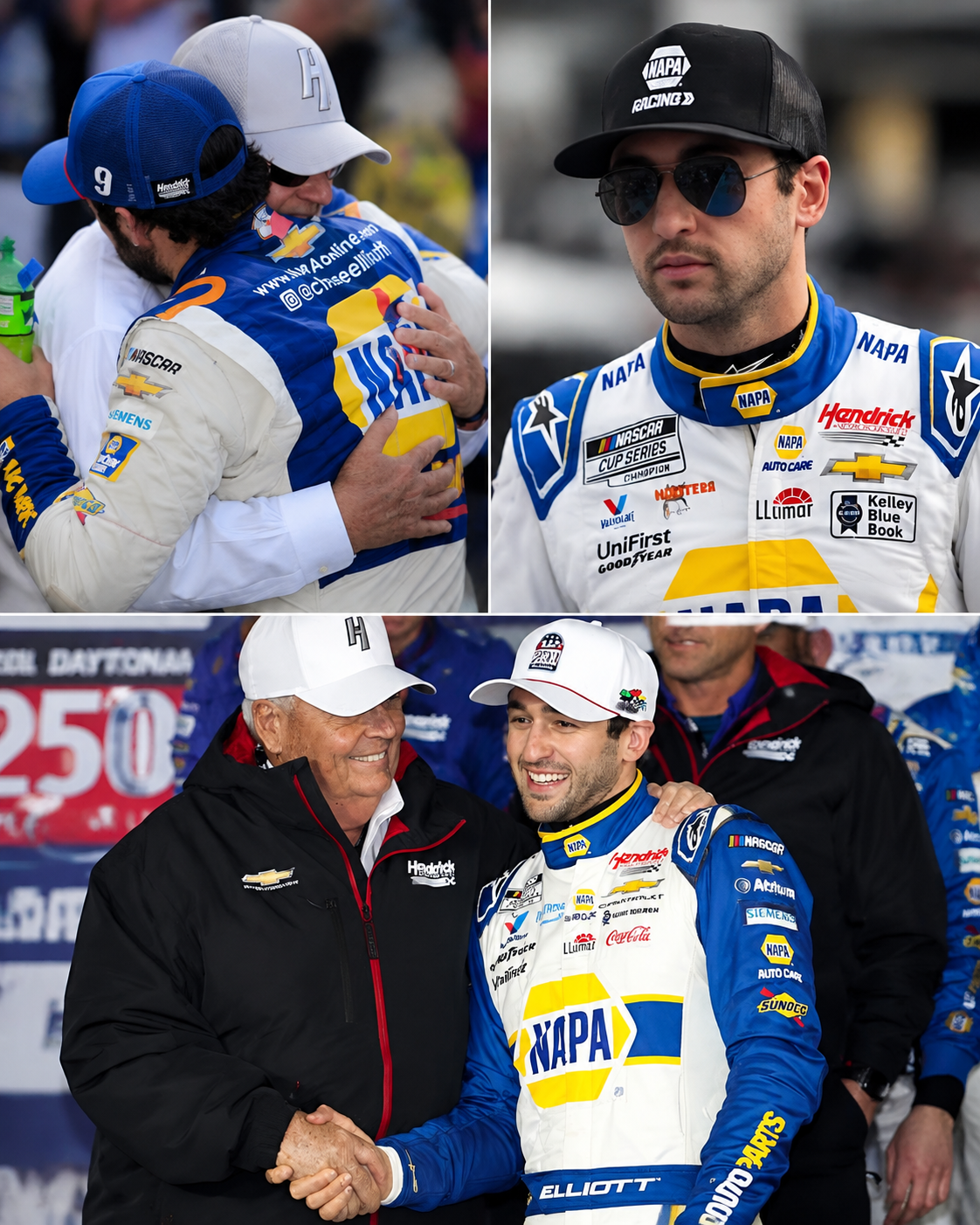
Chase Elliott's Secret Demand That Changed Hendrick's Fan Event Forever
Chase Elliott walked into that meeting at the Hendrick Motorsports campus with one thing on his mind — and it wasn't the next race.…
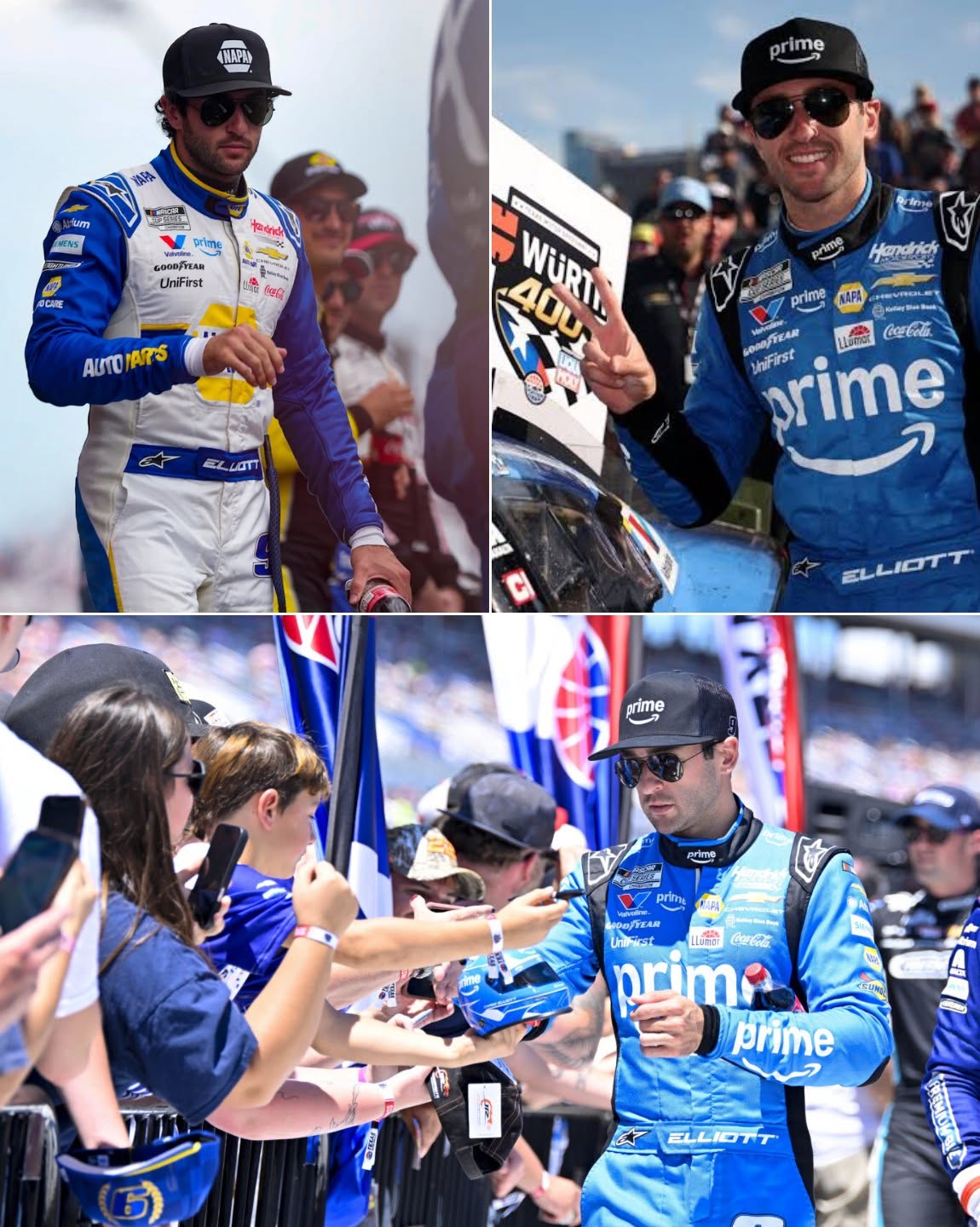
Chase Elliott's secret move for heartbroken fan David — the car is coming home
The car is coming home. That is the only way to say it. The old race car that sat in David's garage for years,…
Greemlaam's privacy policy hides a secret data grab
Greemlaam's privacy policy hides a secret data grab — and it is sitting right there on the public page, daring you to skim past…
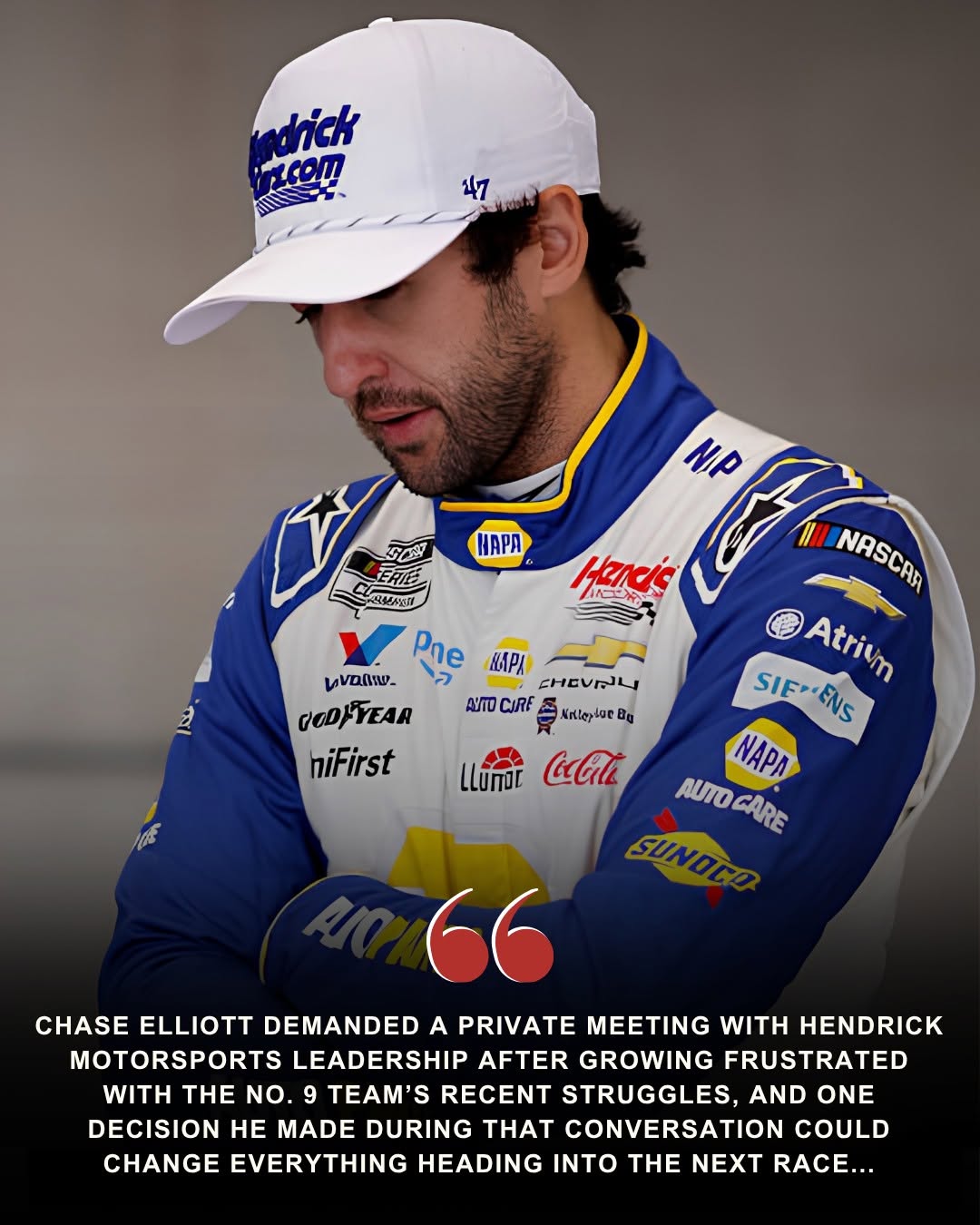
Chase Elliott's Private Meeting with Hendrick Leadership Sparks Major No. 9 Team Overhaul
Chase Elliott walked out of that private meeting with Hendrick leadership, and the No. 9 team will never be the same. The conversation wasn't…
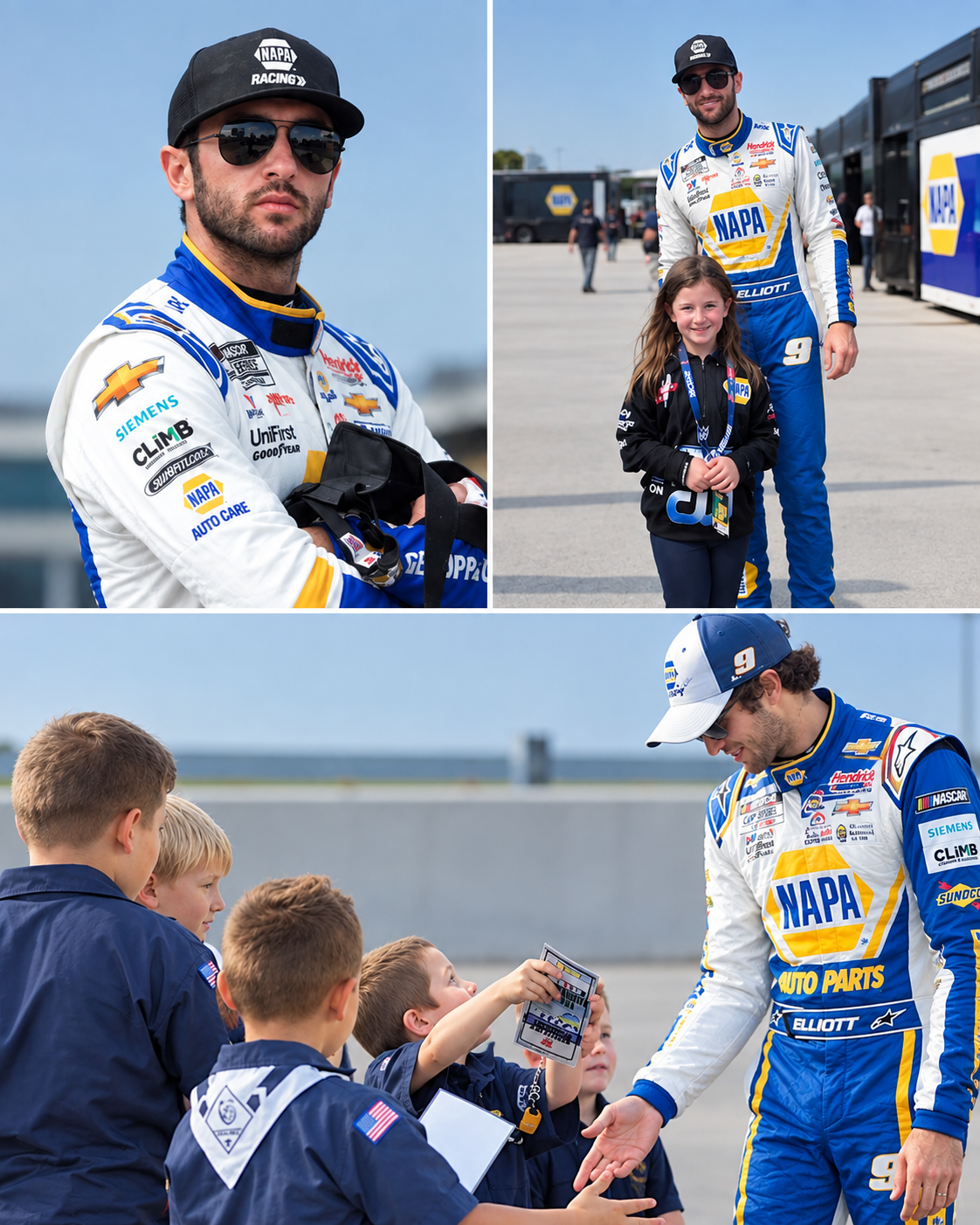
Chase Elliott Turns 12-Year-Old Cancer Survivor's Sketch Into Real NASCAR Ride
The sketchbook is no longer a secret. The No. 9 that 12-year-old Noah Carter drew through chemotherapy, through the long waits, through the days…