The neighbor's shout that made Kitty Genovese's attacker flee — then return
A window opened above 82-70 Austin Street, and a man named Robert Mozer shouted into the dark.
The shout went out in the early hours of March 13, 1964, in Kew Gardens, Queens.
It cut the night, and the attacker stopped what he was doing.
He fled.
That is the hinge of the whole story, the moment the record holds onto: the shout made him leave.
Then he came back.
The attack happened in two phases over roughly thirty minutes, outside the apartment building where Kitty Genovese, 28, was walking from her car to her door.
The first stabbing ended with that shout from Mozer's window.
The second phase began when the attacker returned.
Why did he come back?
What did he hear in that shout that told him it was safe to finish?
What did Mozer say that made him think the threat was empty?
The exact words are not in the record.
That is what the documented account does not establish.
The New York Times later reported that 38 witnesses saw or heard the attack and did nothing.
That number became the story's shadow, repeated and repeated until it seemed like fact.
Later reporting disputed it.
But the shout remains.
It is the one clear, specific act of intervention in the night, the single voice that broke the silence.
It bought Kitty Genovese only a moment.
He fled. He returned. The night went on.
3:15 A.M. — THE FIRST STABBING
The exact time of the first stabbing is not specified in the source.
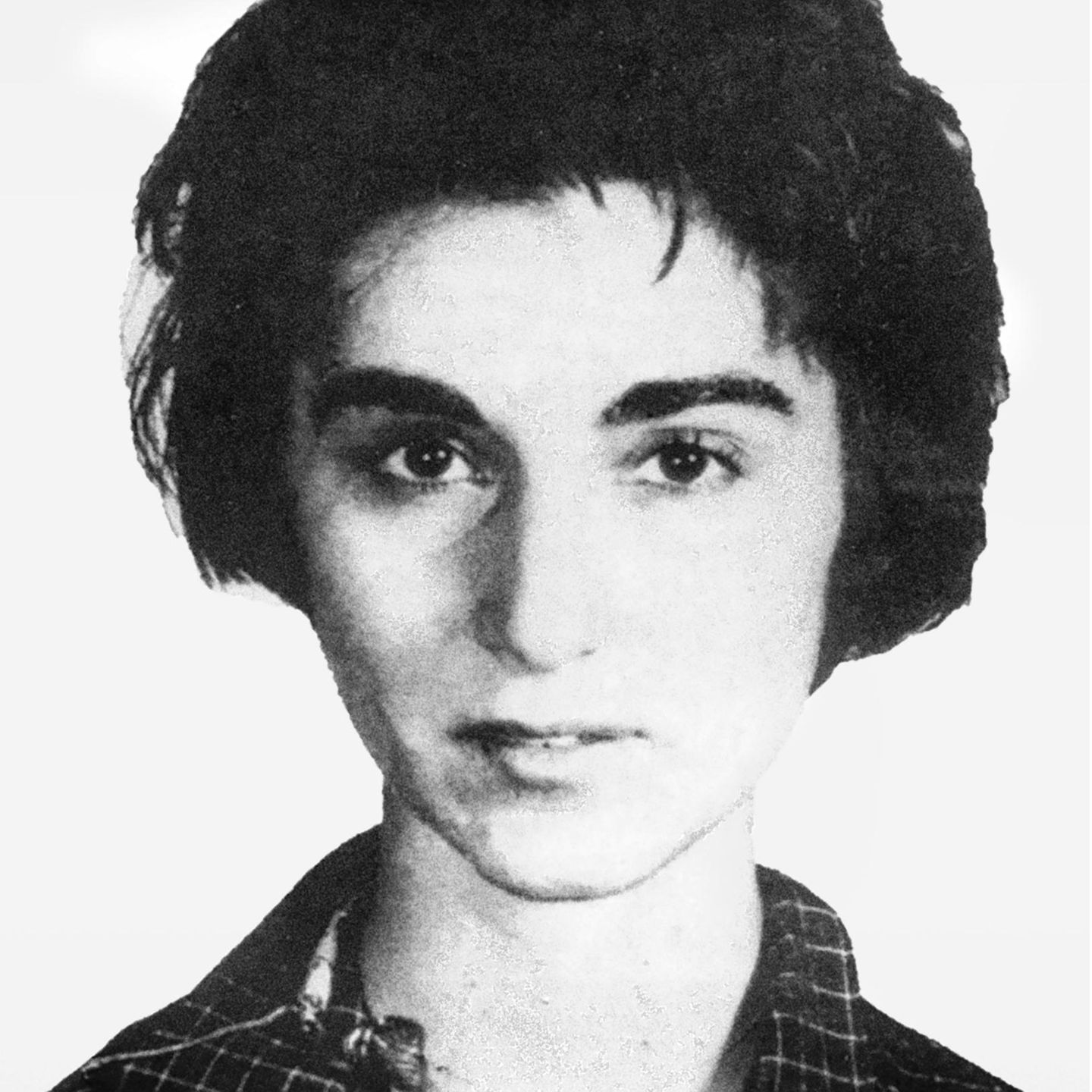
Kitty Genovese, 28, a bar manager, was walking from her car to her apartment at 82-70 Austin Street.
She was stabbed twice in the back.
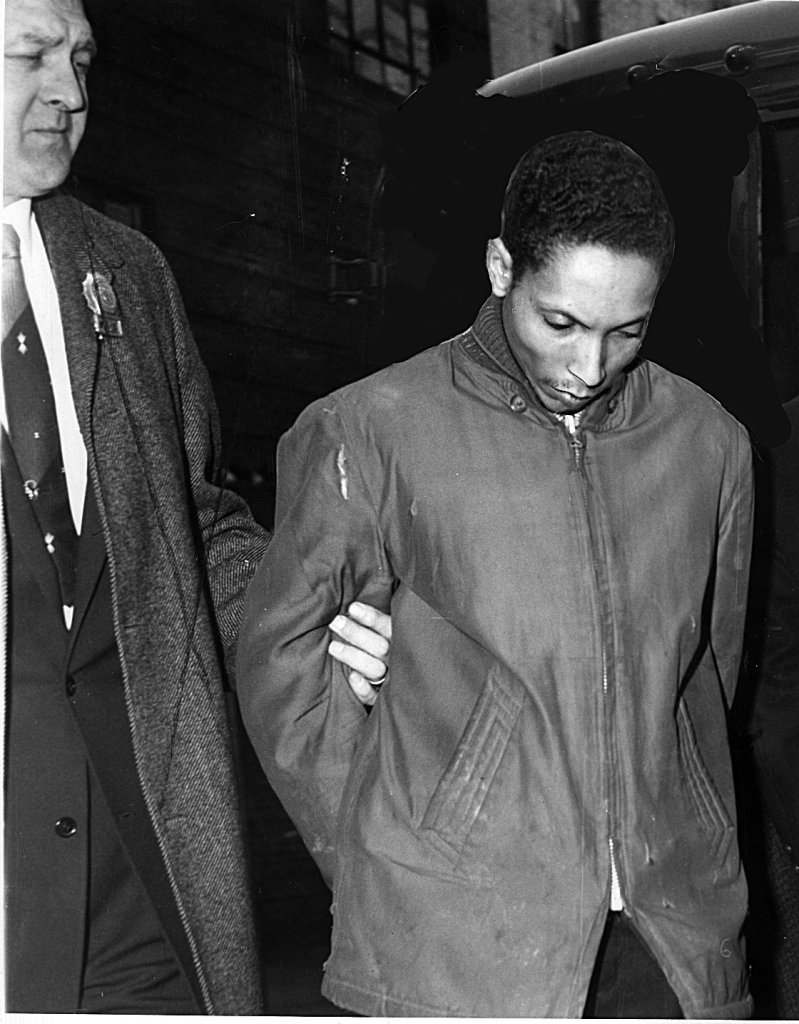
The attacker was Winston Moseley, 29, a business machine operator.
He later confessed.
The night was early — March 13, 1964.
She was close to the building.
Then the first phase ended.
A neighbor, Robert Mozer, shouted from his window.
Moseley fled briefly.
Not because he was caught. But because a voice broke the night.
Did he think someone was coming? Did he think a witness had seen him?
That would require evidence.
He left her there, wounded, staggering toward the rear of the building.
She made it to the back.
The second phase began there.
Moseley returned.
The shout bought her a moment, nothing more.
It is a turning point in the record: the single intervention, the brief flight, the return.
The police were not called yet.
The night was still quiet, except for what was happening behind the building.
THE RETURN AND THE SECOND ASSAULT
The shout came from Robert Mozer's window, and Moseley fled.
He returned.
Moseley sexually assaulted Genovese, then stabbed her again.
The two phases together lasted roughly 30 minutes.
The night was still quiet, except for what was happening behind the building.
The police were not called yet.
The first call came from a neighbor named Karl Ross, who saw her on the ground.
Ross carried Genovese inside.
She died in an ambulance en route to Queens General Hospital.
The record shows one call after the second assault.
Was there a call during the first phase?
Was there a call during the second?
Later reports disputed whether any other call was made during the attack.
That is not established in the record.

What is established is the delay.
What is established is the return.
What is established is the sequence: the shout, the flight, the return, the second assault, the call.
Ross found her on the ground.
She was on the ground below.
The building at 82-70 Austin Street held dozens of apartments.
Many residents later said they heard cries but assumed it was a domestic dispute or a drunken argument.
The investigation was initially hampered by the lack of an immediate police response.
That lack would become the center of the story.
But the story was not over yet.
SIX DAYS LATER — THE CONFESSION
Six days after the attack, Winston Moseley was arrested while driving a stolen television set.
The arrest was for the television, not for the murder.
The lead detective took over the case and obtained a confession.
Moseley confessed to the murder of Kitty Genovese.
He confessed to two other killings as well.
He described the scene in detail: the two-phase attack, the shout from the window, his brief flight.
His confession matched physical evidence at the scene.
That match was a turning point in the investigation.
The exact nature of that physical evidence is not specified in the source.
What is specified is a mistake, and it came early.
The building was not canvassed immediately after the attack.
Many residents later said they had heard cries that night.
They assumed it was a domestic dispute.
They assumed it was a drunken argument.
They assumed it was not their business.
The delay in police response drew criticism, though later reports indicated at least one call was made during the attack.
That would require evidence.
The confession was the break the case needed.

It was also the end of the silence.
The building had not been asked what it heard.
By the time anyone asked, the story had already begun to harden into something else.
AND THE STORY STILL ISN'T OVER
Winston Moseley was tried in Queens County Court in June 1964, charged with first-degree murder.
The prosecutor presented the confession and the physical evidence.
The defense argued legal insanity.
The jury rejected it and convicted him.
Justice Shapiro sentenced him to death.
In 1967, the New York Court of Appeals reduced the sentence to life imprisonment.
That was after the U.S. Supreme Court struck down the death penalty in Furman v. Georgia.
Moseley escaped in 1968.
He was recaptured after a robbery and an assault.
He died in prison on March 28, 2016, at 81.
The building at 82-70 Austin Street was later demolished.
The case remains a landmark in bystander apathy studies.
It is a landmark.
It is also a disputed one.
The accuracy of the 38-witness claim is disputed; the record does not resolve it.
The building had not been asked what it heard, and the story hardened anyway.
The mistakes shaped the aftermath.
The failure to canvass the building immediately meant many residents later said they had heard cries but assumed a domestic dispute.
At least one call was made during the attack, later reports indicated.
That would require evidence.
The first call to police came from a neighbor who saw her on the ground.
The confession matched the physical evidence.
The turning point was a man talking.
The sentence was commuted.
The man escaped.
The man died in prison.
The case outlived them all.
Advertisement
You may also like
31 days passed before a missing 2-year-old was reported — the case that split a family
The 911 call came on July 15, 2008. Cindy Anthony told the dispatcher her 2-year-old granddaughter, Caylee Marie Anthony, was missing. Thirty-one days had…
The parking ticket that broke the Son of Sam case open
On the night of July 31, 1977, a woman in Brooklyn heard the shots. She looked out and saw a man running to a…

One parolee's tip led police to Polly Klaas's body — but a key detail was missed
The slumber party was supposed to be a sleepover. Twelve-year-old Polly Klaas and two friends were at her mother's home in Petaluma, California, on…
Scott Peterson's boat: the 14-footer that made a fishing trip impossible to prove
A 14-foot aluminum fishing boat. That was the boat Scott Peterson said he took to the Berkeley Marina on the morning of December 24,…
The FBI's 17-year hunt for a bomber hinged on one brother's phone call — why did it take so long?
The manifesto ran 35,000 words. In 1995, the Unabomber sent it to The New York Times and The Washington Post, demanding publication. The Post…
He confessed to strangling his wife — but now, from prison, he says he wants a relationship with her parents
In 2019, from a prison phone line, Christopher Watts described the murders to a reporter. He spoke about strangling his wife. He spoke about…