One parolee's tip led police to Polly Klaas's body — but a key detail was missed

The slumber party was supposed to be a sleepover.
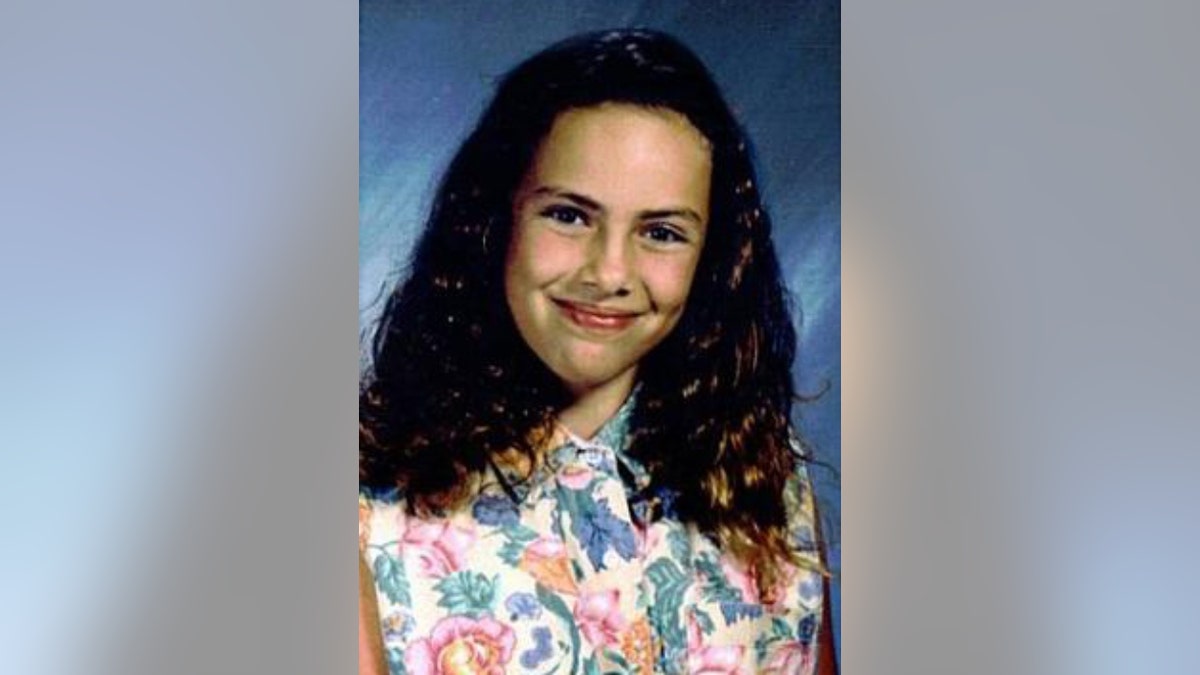
Twelve-year-old Polly Klaas and two friends were at her mother's home in Petaluma, California, on the night of October 1, 1993.
Around 10:30 p.m., an intruder came in through an unlocked window.
He tied up the three girls.
He placed pillowcases over their heads.
He fled with Polly.
Her friends freed themselves.
They alerted Polly's mother, Eve Nichol.
She called police.
Who entered that window is not established in the record.
Why the window was unlocked is not established either.
What followed was a massive search.
Hundreds of volunteers joined.
National media attention followed.
The street was ordinary.
The house was ordinary.
The unlocked window was the only seam.
It was a single point of failure in a night that should have been quiet.
The girls were found bound.
Polly was gone.
Her friends could describe the intruder's voice, his clothes, his movements.
But his name was not yet known.
That would take weeks.
The search spread through Petaluma.
It spread through the news.
It spread through the hopes of strangers.
Every tip was logged.
Every lead was chased.
None of it brought her home that night.
The window stayed open in the record, a detail that would matter later.
Not because it named the man.
But because it was the door he used.
THE SEARCH AND THE TIP
The investigation initially focused on local sex offenders and parolees.
Police received thousands of tips.
A crucial break came from a woman who had briefly dated Richard Allen Davis.
She contacted authorities and told them he had been acting strangely.
She said he had mentioned being in the Petaluma area on the night of the kidnapping.
Davis was already in custody on an unrelated parole violation when police interviewed him.
He was a repeat offender with a long criminal record, out on parole at the time of the abduction.
The system that had released him had also flagged him.
Investigators later acknowledged that an earlier tip about Davis had not been adequately pursued.
That earlier tip is a haunting counterfactual.
What did it say?
When was it received?
Who gave it?
The source does not specify.
It does not say what the tip contained, when it arrived, or who offered it.
It only says it was not adequately pursued.
The woman who dated Davis was the break that worked.
The earlier tip was the one that did not.
Both sat in the same record, separated by timing and by attention.
The search went on for two months.
Davis sat in custody, already held.
The weight of the missed opportunity is in the silence around that tip.
It is a door the investigation walked past.
Not because the woman's call was wrong.
But because the earlier one might have come sooner.
THE CONFESSION AND THE GRAVE
He was already in custody, held on an unrelated parole violation.
Police interviewed Richard Allen Davis. He denied involvement.
Then he confessed, and on December 4, 1993, he led authorities to Polly’s body.
The grave was shallow, in Sonoma County, about 50 miles from Petaluma.
She had been strangled.
Forensic evidence linked Davis to the crime scene. Fibers. Hair.
The confession did not come from nowhere. It came from a man with a long criminal record, out on parole.
The source does not state what specifically prompted Davis to confess. It does not state the exact location of the grave beyond Sonoma County.
A woman who had briefly dated Davis had already called authorities. She told them he was acting strangely. She told them he had mentioned being in the Petaluma area on the night of the kidnapping.
That call was a crucial break. The record says so.
It is also true that investigators later acknowledged an earlier tip about Davis had not been adequately pursued.
Not because the earlier tip was the key. But because the record does not say what that tip contained, or when it arrived, or who gave it.
That would require evidence.
The door had been walked past. Then Davis led them to the grave anyway.
She was on the ground below.
THE TRIAL AND THE VERDICT
The charges were filed as first-degree murder with special circumstances, kidnapping, and burglary.
The trial opened in 1996 in Sonoma County.
Prosecutors sought the death penalty.
Davis’s defense argued he was under the influence of drugs and alcohol at the time.
The jury rejected that.
On August 5, 1996, Davis was convicted on all counts.
Then came the penalty phase.
Davis shocked the courtroom with an obscene gesture toward the cameras.
He made a taunting remark about Polly’s mother.
The source does not specify the exact nature of the remark.
The source does not specify the exact nature of the gesture.
What is recorded is the act, not the detail.
The jury recommended death.
The judge sentenced Davis to death on September 26, 1996.
It was a verdict, not a cure.
The door had been walked past; the grave had been found; the sentence was now written.
Davis remains on death row.
The case was closed in court.
The story was not.
AND THE STORY STILL ISN'T OVER
Richard Allen Davis remains on death row at San Quentin State Prison.
His appeals have been ongoing for decades.
California has not executed anyone since 2006, halted by legal challenges to its lethal injection protocol.
The source does not specify the current status of Davis's appeals or any upcoming hearing dates.
That remains an open question.
Marc Klaas became a prominent victims' rights advocate.
He founded the KlaasKids Foundation.
Eve Nichol has largely stayed out of the public eye.
The case moved beyond the courtroom.
It changed California law.
The case led to "Three Strikes" sentencing reform.
It brought increased funding for crime victim programs.
Polly's murder prompted national discussions about parole reform.
It raised questions about the treatment of repeat offenders.
Davis is still there.
The appeals continue.
The advocates keep working.
The laws have shifted.
It is a closed case.
It is also an unfinished one.
The verdict was delivered.
The story was not.
What remains is not a mystery.
It is a process, slow and legal, grinding on without a date.
That would require evidence the record does not give.
Advertisement
You may also like
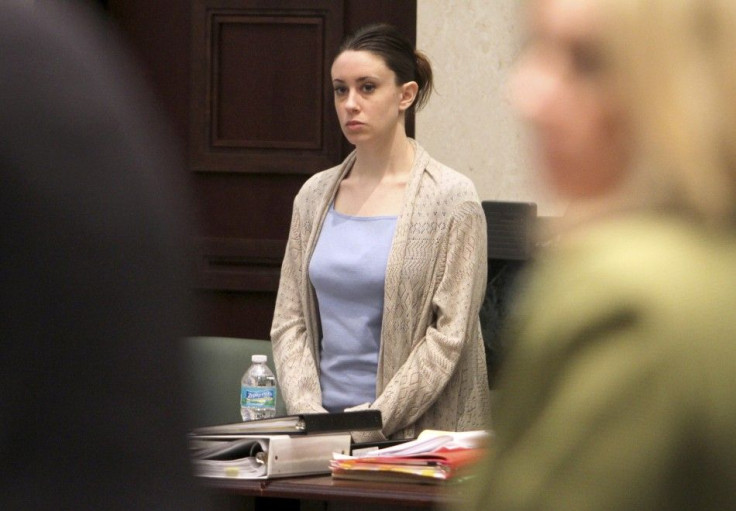
31 days passed before a missing 2-year-old was reported — the case that split a family
The 911 call came on July 15, 2008. Cindy Anthony told the dispatcher her 2-year-old granddaughter, Caylee Marie Anthony, was missing. Thirty-one days had…
The parking ticket that broke the Son of Sam case open
On the night of July 31, 1977, a woman in Brooklyn heard the shots. She looked out and saw a man running to a…
The neighbor's shout that made Kitty Genovese's attacker flee — then return
A window opened above 82-70 Austin Street, and a man named Robert Mozer shouted into the dark. The shout went out in the early…
Scott Peterson's boat: the 14-footer that made a fishing trip impossible to prove
A 14-foot aluminum fishing boat. That was the boat Scott Peterson said he took to the Berkeley Marina on the morning of December 24,…
The FBI's 17-year hunt for a bomber hinged on one brother's phone call — why did it take so long?
The manifesto ran 35,000 words. In 1995, the Unabomber sent it to The New York Times and The Washington Post, demanding publication. The Post…
He confessed to strangling his wife — but now, from prison, he says he wants a relationship with her parents
In 2019, from a prison phone line, Christopher Watts described the murders to a reporter. He spoke about strangling his wife. He spoke about…