Sam Altman Says Accept Some AI Bad Things, It's a Tradeoff
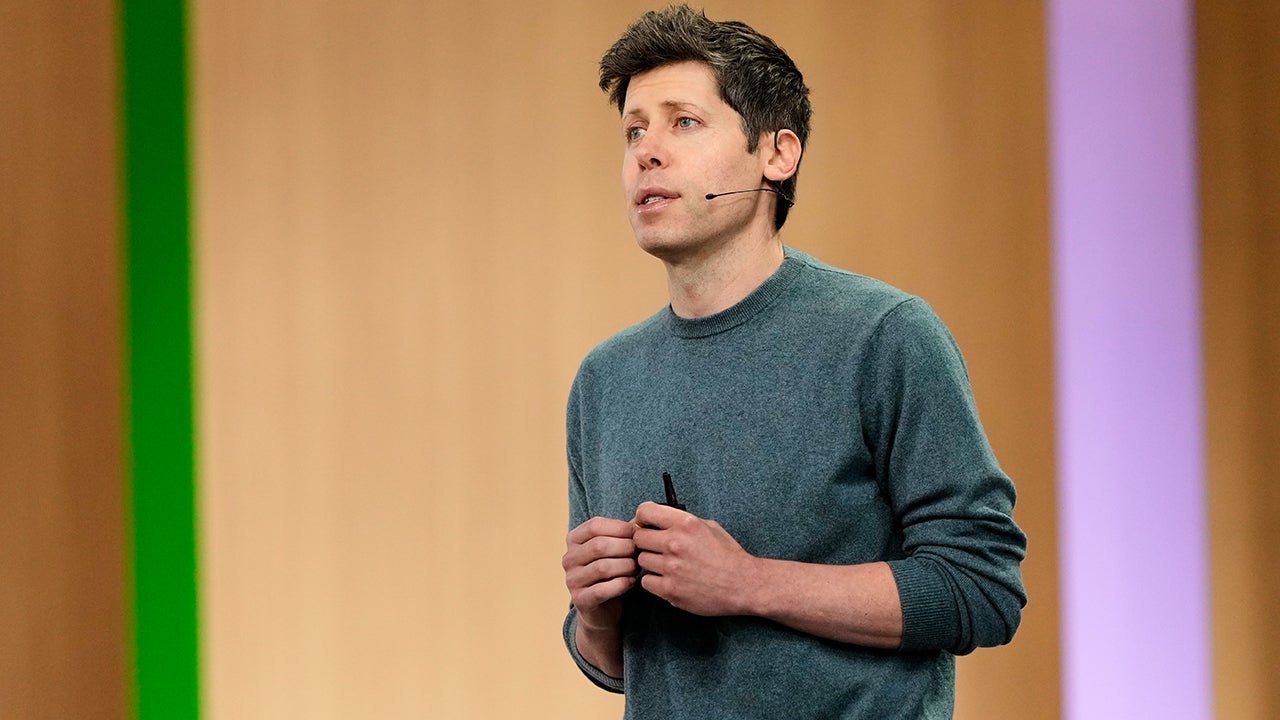
OpenAI CEO Sam Altman says the world should just accept that AI will cause some harm, because the upside is worth it.
During an interview with Politico’s new podcast *Decoded*, Altman said the “world should accept some bad things happening for the benefits of this technology and people having the agency.” He argued that OpenAI backs a “lighter-touch regulatory stance” and that the “good stuff” would easily outweigh the bad.
“I wouldn’t take a trade of saying, ‘We’ll make sure there’s no major hacks, there’s no misuse of this technology, there’s zero scams, there’s zero all the other bad things that will happen,’” he told *Decoded*. “Because I think people will do tremendously — orders of magnitude more — good stuff than bad stuff.”
The interview was published on Politico’s *Decoded* podcast, according to www.barstoolsports.com. The exact date of the interview is not specified in the source.
Altman’s position is blunt: give the AI industry a pass on the messes it will make, because the payoff will dwarf the damage.
THE WALK-BACK
But even as Altman argued for tolerance, he pulled back during the same interview. He conceded he would not accept the “really catastrophic risks,” including a “serious loss of control to AI.”

Where exactly he draws that line, however, is murky at best, according to www.barstoolsports.com. The source does not confirm any specific boundary between acceptable harms and the catastrophic kind.
Altman did offer one concrete mechanism for accountability. He told *Decoded* there should be a “liability framework” holding tech companies responsible when things go wrong.
“If something goes wrong with our models during training, there’s going to be some version of that we need to be responsible for,” he said.
The concession stops short of a clear policy position. The source notes Congress remains deadlocked on meaningful AI rules, and Altman’s framework lacks defined terms.
What counts as a training mishap versus a catastrophic failure is not spelled out. The specific boundary between acceptable and catastrophic risks remains unconfirmed in the source.
THE REGULATORY STANCE
Altman argued for a “lighter-touch regulatory stance” for AI, according to the interview. His pitch is that the “good stuff” would easily outweigh the bad, so the industry should effectively get a pass.

The source frames that as giving AI companies cover as their models “continue to break into foreign governments and agencies.” No specific regulatory proposal or legislative action is detailed in the source, and none has been confirmed.
Congress, meanwhile, remains “deadlocked” on setting meaningful rules for rogue AI models. That inaction leaves the regulatory floor empty while Altman argues for less of it.
The source provides no numbers, no draft bills, and no timeline. Altman’s lighter-touch stance is a position, not a plan.
THE REACTION
The source’s author does not hold back. “Sure thing Sam, you first pal,” they write, before adding: “God, this guy fucking sucks.”
The tone is openly dismissive and mocking. Altman’s comments are described as “the quiet part said so loud my neighbors heard it through the wall.”
The author zeroes in on the absurdity of the moment. “That’s a real sentence a real adult said on Politico’s new show Decoded.”

Altman doesn’t fare much better in comparison. The source suggests the “grand finale of humans” should be ushered in by proper villains, not “these fucking draft dodging dorks” running AI companies.
No official reactions from other tech leaders or policymakers are included in the source. The criticism here is entirely the author’s own, unrestrained and personal.
The mocking continues through the framing: a CEO asking the world to accept some harm as the price of progress, delivered on a podcast, is treated as performance rather than policy. The author’s sarcasm lands on the gap between Altman’s ask and his position — the person least exposed to the “bad things” is the one requesting tolerance for them.
The source offers no measured rebuttal, no counterquote, no industry pushback. Just contempt, aimed directly at the man making the argument.
WHAT TO WATCH NEXT
So where does this leave things? The source offers no timeline, no announced next step from Altman or OpenAI, and no follow-up interview scheduled. Whatever comes after this podcast appearance is, for now, unconfirmed.
What is clear is the backdrop: Congress remains deadlocked on setting meaningful rules for AI models, and the source gives no indication of when that might change. Altman’s call for a “liability framework” hints at future policy discussions — he wants tech companies held responsible if something goes wrong during training — but the source provides no specifics on what that framework would look like or when it might be proposed.
The interview itself aired on Politico’s new podcast *Decoded*, which may produce more episodes, but none are mentioned in the source. Any future regulatory action, OpenAI policy changes, or additional interviews are not confirmed.
For now, the takeaway is a static one: a CEO made his case, critics made theirs, and the legislative logjam remains untouched. The next move, whether from Altman, Congress, or the broader industry, has not been announced.
Advertisement
You may also like

Gavin McKenna Scores First NHL Goal, Silences Doubters Instantly
Gavin McKenna had gone three NHL games without a single point. Then, in one second period, he had two — including the goal that…

BYU Sophomore Kihei Akina Is Now Halfway to a PGA Tour Card
Kihei Akina is halfway to a PGA Tour card, and he got there faster than almost anyone expected. The BYU sophomore finished ninth Sunday…
LIV Golf's $300M Bankruptcy Rescue: Players Get 52.5% Ownership
LIV Golf players would own more than half of the restructured league under a $300 million rescue deal filed late Monday in the league's…

I Tested Peter Millar Rainwear on an Ireland Golf Trip — Did It Survive?
A month before eight friends and I flew to Northern Ireland and the Republic of Ireland for an early-September buddies trip, our group chat…

This 5-Second Putter Trick Instantly Reveals If Your Aim Is Off
Most golfers who miss a makeable putt blame the read or the speed. More often, the problem started before the stroke — the putter…

Golf expert reveals 5 Baycurrent Classic picks you need to see
The FedEx Cup Fall lands in Japan this week, and the Baycurrent Classic at Yokohama Country Club brings the biggest purse of the swing…