Saudi Arabia suspends $2.5bn Neom stadium as 2034 World Cup questions grow
Saudi Arabia has suspended construction of the $2.5bn (£1.9bn/€2.2bn) futuristic arena in the Neom megacity that was earmarked as a flagship venue for the 2034 World Cup.
According to construction intelligence platform MEED Projects as reported by Reuters, the 46,000-capacity facility has now been classified as "on hold" with no end date. No timeline for when construction might resume has been confirmed.
The move raises fresh questions over the delivery of the 15 stadiums proposed to FIFA when the kingdom was confirmed as the sole host of the 48-team tournament.
VISION 2030 SHIFT

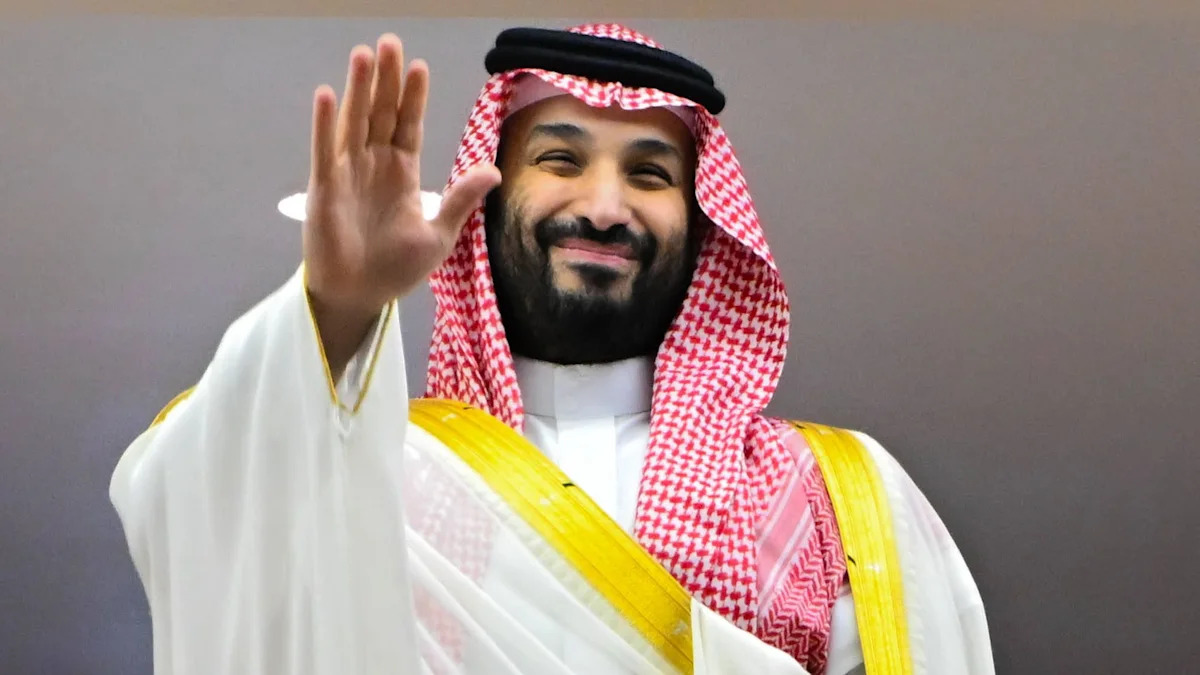
The postponement reflects a rebalancing of state spending under Crown Prince Mohammed bin Salman's Vision 2030 masterplan. The arena was designed to sit 350 metres above ground level within The Line development, the linear megacity at the heart of Neom's ambitions.
The exact reasons for the suspension are not detailed in the source. But the shift in direction was signalled publicly in April, when Public Investment Fund (PIF) governor Yasir Al-Rumayyan stated that The Line was no longer a priority and not of utmost importance before 2030.
The Neom stadium is not the only flagship project to stall. The Mukaab skyscraper project in Riyadh has also been suspended, part of a broader strategic shift away from the most extravagant elements of the kingdom's diversification drive.
That recalibration raises a pointed question: if the centrepiece of Neom is on hold, what does that mean for the World Cup venues promised to FIFA?

FIFA'S PRAISE AND OFFICIAL REASSURANCE
Saudi officials are pushing back against the notion that the Neom stadium suspension signals trouble for 2034. The Saudi World Cup 2034 Hosting Higher Authority maintained that "substantial delivery" of tournament infrastructure is already underway, while sharing progress on alternative venues.
Which alternative venues are being considered, and how ready they are, is not confirmed by the source.
FIFA has previously hailed the kingdom's proposal as "absolutely incredible," a level of public backing that stands in contrast to the mounting questions around delivery. Despite the setbacks in Neom, and the earlier suspension of The Mukaab skyscraper project in Riyadh, Saudi authorities insist tournament preparations remain on track.

The official line is one of continuity: the 15 stadiums proposed to FIFA when the kingdom was confirmed as sole host of the 48-team tournament are still the target. Whether that means replacing the Neom centrepiece with existing infrastructure or fast-tracking other builds is unclear.
For now, the reassurances are broad. The Hosting Higher Authority's claim of "substantial delivery" carries weight, but the absence of specifics on alternative venues leaves a gap between the rhetoric and the reality on the ground. FIFA's praise, however glowing, was offered before the suspension took hold.
ECONOMIC PRESSURE MOUNTS
The economic headwinds are real, and they are quantified. Saudi Arabia's finance ministry has projected a budget deficit alongside a 3.6 per cent drop in real GDP, a contraction driven by declining oil revenues that underwrite the entire Vision 2030 spending programme.
The exact size of that deficit has not been confirmed, and neither has a timeline for GDP recovery. What is clear is that the kingdom is financing a 15-stadium World Cup build while its primary income stream shrinks.
Regional instability is compounding the fiscal strain. Disruptions to energy exports and security threats from Yemen's Houthi rebels have added a layer of risk, with the rebels recently targeting an area near an Aramco facility in Riyadh. Every missile alert carries a cost, whether in insurance premiums, rerouted shipping or simply investor confidence.
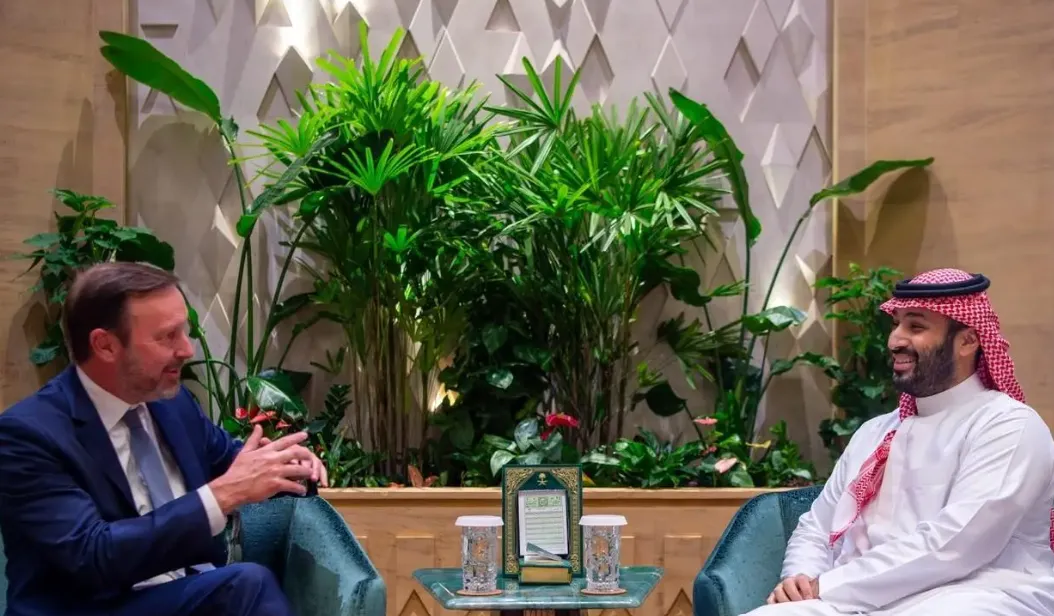
For Crown Prince Mohammed bin Salman, the stakes go beyond concrete and steel. Delivering the 2034 World Cup is a crucial pillar in building the kingdom's economic profile and international standing — a chance to rebrand the country as a global hub rather than an oil-dependent state.
That makes the Neom suspension more than an infrastructure setback. It is a signal that even flagship prestige projects are not immune when the balance sheet tightens, and it raises the question of which other elements of the tournament blueprint might be reprioritised before 2034.
WHAT TO WATCH NEXT
The suspension of the Neom stadium raises fresh questions over the delivery of the 15 stadiums Saudi Arabia proposed to FIFA when it was confirmed as the sole host of the 48-team tournament. With one flagship venue now classified as "on hold" with no end date, the full blueprint is no longer a certainty.
Saudi authorities insist tournament preparations remain on track. The Saudi World Cup 2034 Hosting Higher Authority maintained that "substantial delivery" of tournament infrastructure is already underway while sharing progress on alternative venues, per the source.
No specific next steps, dates, or alternative venue details are confirmed in the source. That leaves fans watching for signals from the Hosting Higher Authority on which stadiums are actually progressing and whether further postponements follow the Neom arena and the suspended Mukaab skyscraper project in Riyadh.
FIFA has previously hailed the kingdom's proposal as "absolutely incredible," but its confidence now faces a test. The governing body's next official update on the 2034 infrastructure plan will be the clearest indicator of whether the tournament timeline holds.
Until then, every announcement from Riyadh's construction sector carries weight. The 2034 World Cup is still a decade away, but the stadium list that once seemed settled is now an open question.
Advertisement
You may also like
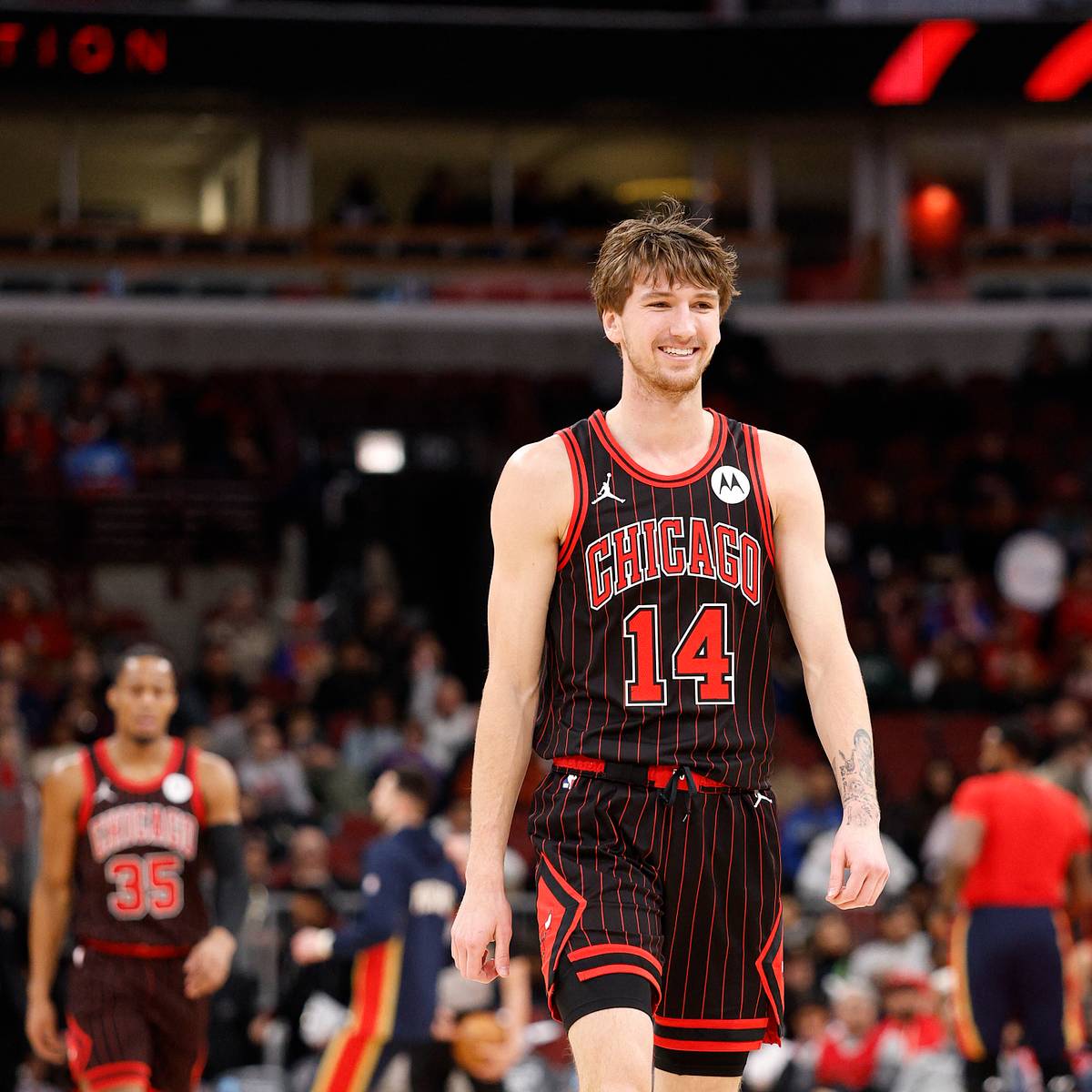
Buzelis: Last Year Was 'Extremely Hard' as Bulls Finally Find Structure
Matas Buzelis did not sugarcoat his second season. After Tuesday's practice at the Advocate Center, the 21-year-old called last year "extremely hard" and said…
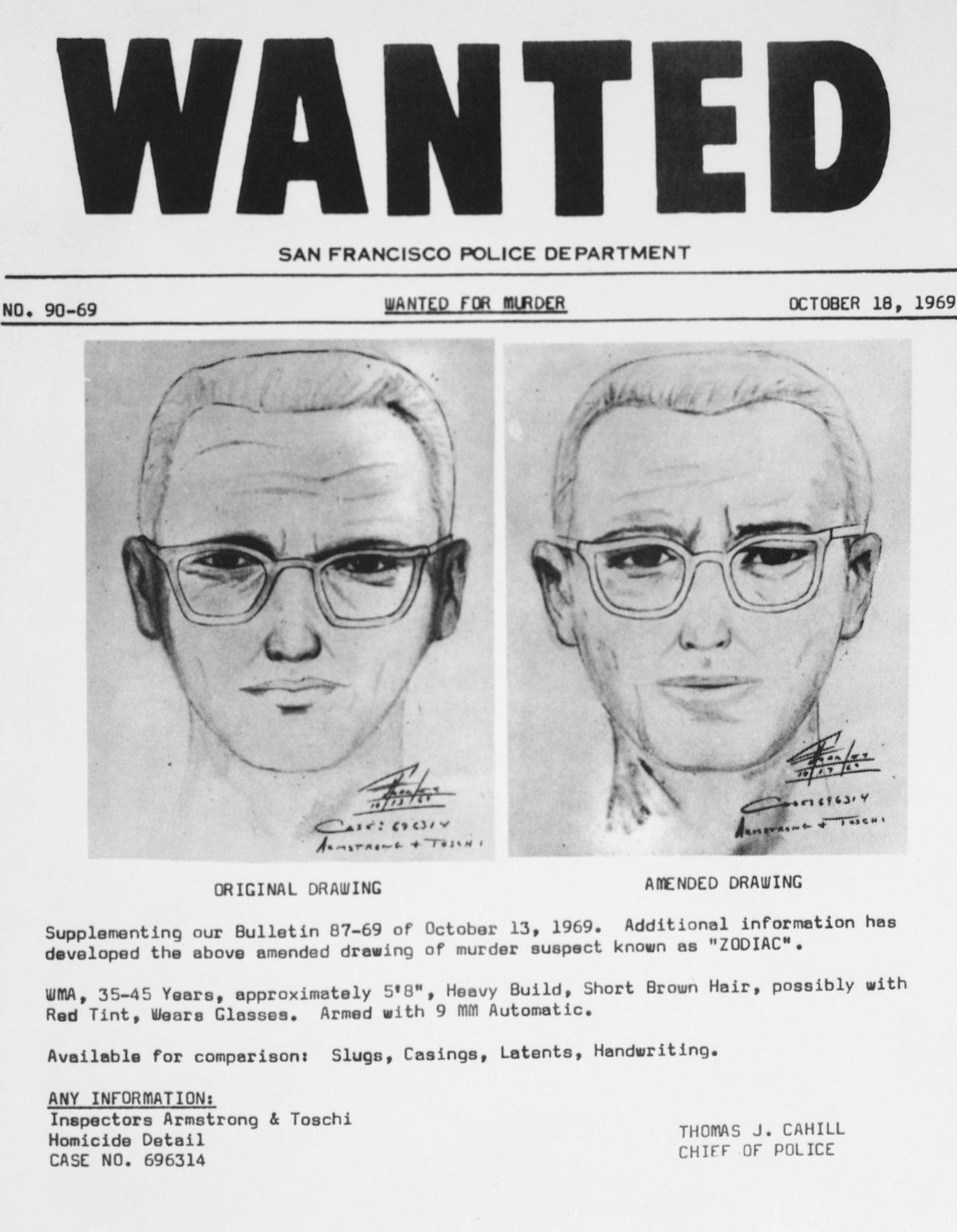
The 1969 Zodiac cipher that hid a name — until codebreakers cracked it
In December 2020, a team of codebreakers — including David Oranchak, a software developer, and two others — decrypted the second Zodiac cipher. The…
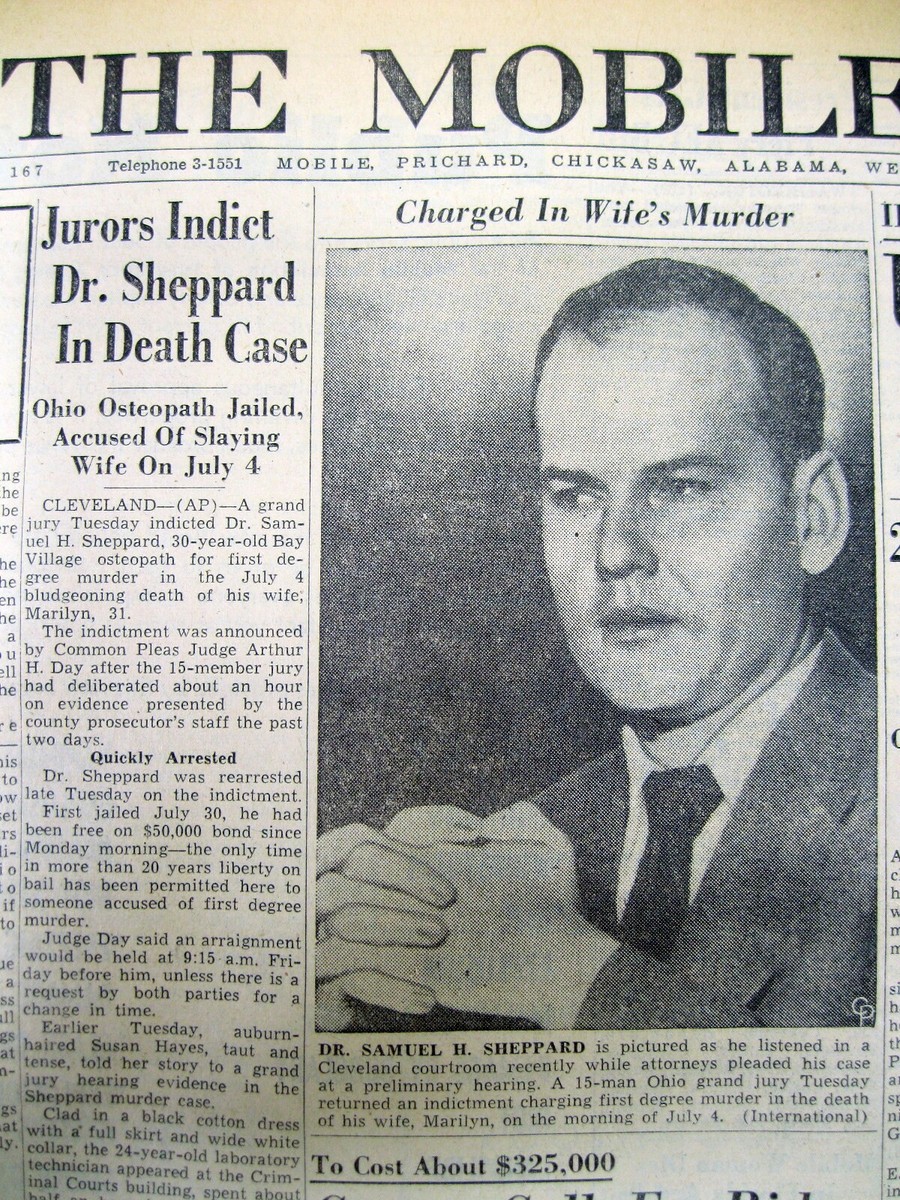
The bloodstained watch that tied a doctor to his wife's murder scene
The watch had blood on it. It was found at the murder scene, inside the Bay Village home where Marilyn Sheppard died on July…

São Paulo Hosts South America's First WTA Coaches Workshop in Historic Debut
More than 60 tennis coaches gathered in São Paulo last month for a first in South American tennis: an official WTA Coaches Workshop, held…

Booed Larkin Returns as Red Wings Host Senators After Trade Demand
Dylan Larkin is back on the ice for the Detroit Red Wings — and the fans have not forgotten. Larkin made his season debut…

Red Wings Fans Boo Dylan Larkin in Injury Return Amid Trade Request Fallout
Dylan Larkin's return to the Detroit lineup didn't come with any grace period. The moment the center touched the puck Tuesday night against the…