She waited 31 days to call 911 — the timeline that turned a missing child case into a homicide trial
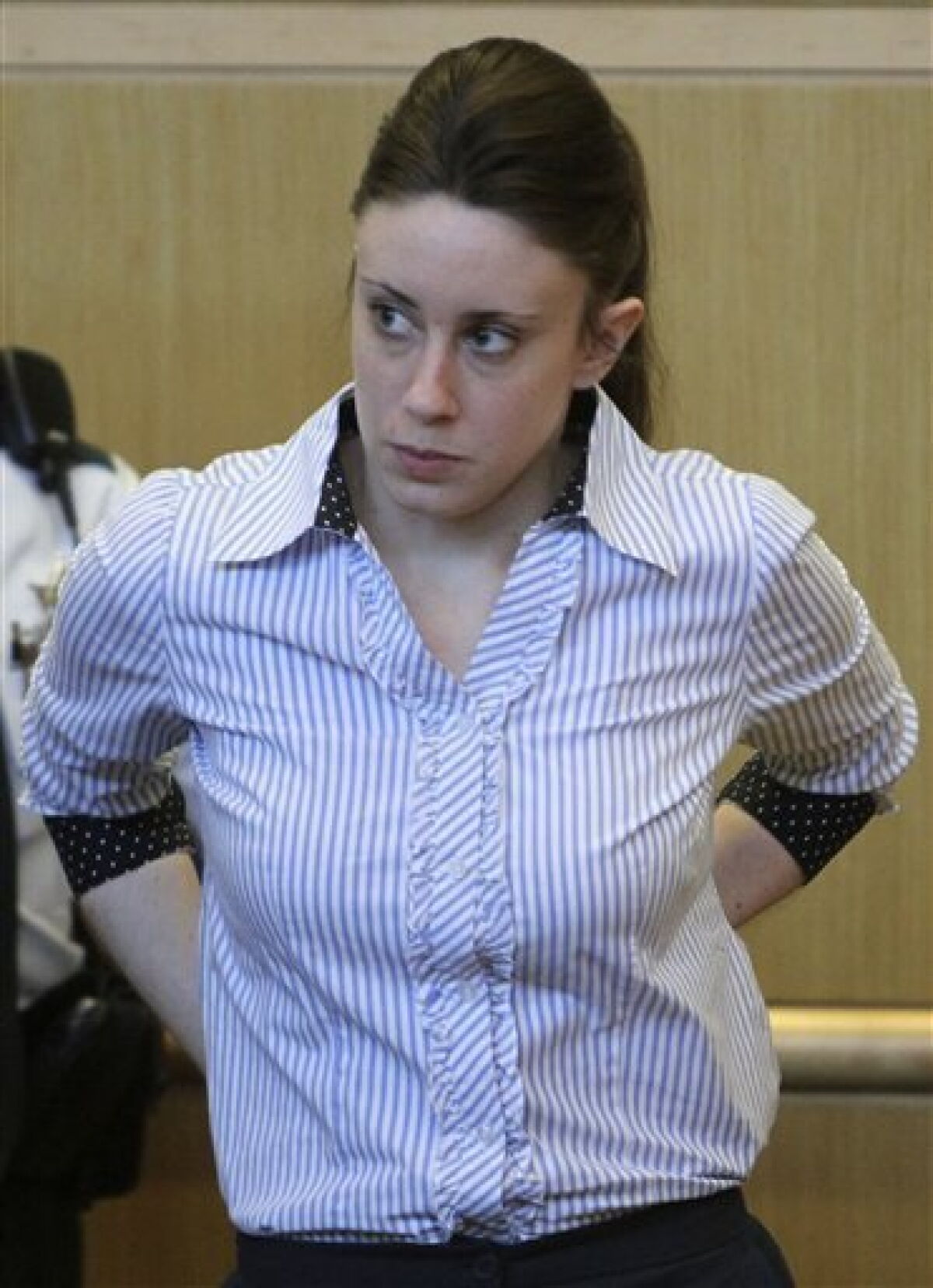
On July 15, 2008, Cindy Anthony called 911 from her home in Orlando, Florida, to report that her 2-year-old granddaughter, Caylee Anthony, was missing.
Caylee had last been seen on June 16, 2008, according to her mother, Casey Anthony.
That is a gap of 31 days.
Why did no one call for 31 days?
Why did a grandmother wait a month to report a missing toddler?
Why did a mother say nothing?
The record does not establish what happened to Caylee during those 31 days.
Casey Anthony told detectives the child had been kidnapped by a babysitter named Zenaida Fernandez-Gonzalez.
The babysitter was never found.
The babysitter was later cleared of any involvement.
The timeline is the anchor.
It is the one documented fact that holds the entire case in place: last seen on June 16, reported missing on July 15.
Everything else — the car, the remains, the trial, the verdict — hangs from that single span of silence.
A child was gone.
A month passed.
Then the call came.
THE 911 CALL AND THE KIDNAPPING STORY
The 911 call came on July 15, 2008, from the family home in Orlando.
The caller was Cindy Anthony, the child's grandmother.
She reported that her two-year-old granddaughter, Caylee Anthony, was missing.
The child had last been seen on June 16, 2008, according to her mother, Casey Anthony.
That is 31 days.
Detectives, led by the lead detective of the Orange County Sheriff's Office, found that Casey had not reported the child missing in all that time.
A month passed before anyone called.
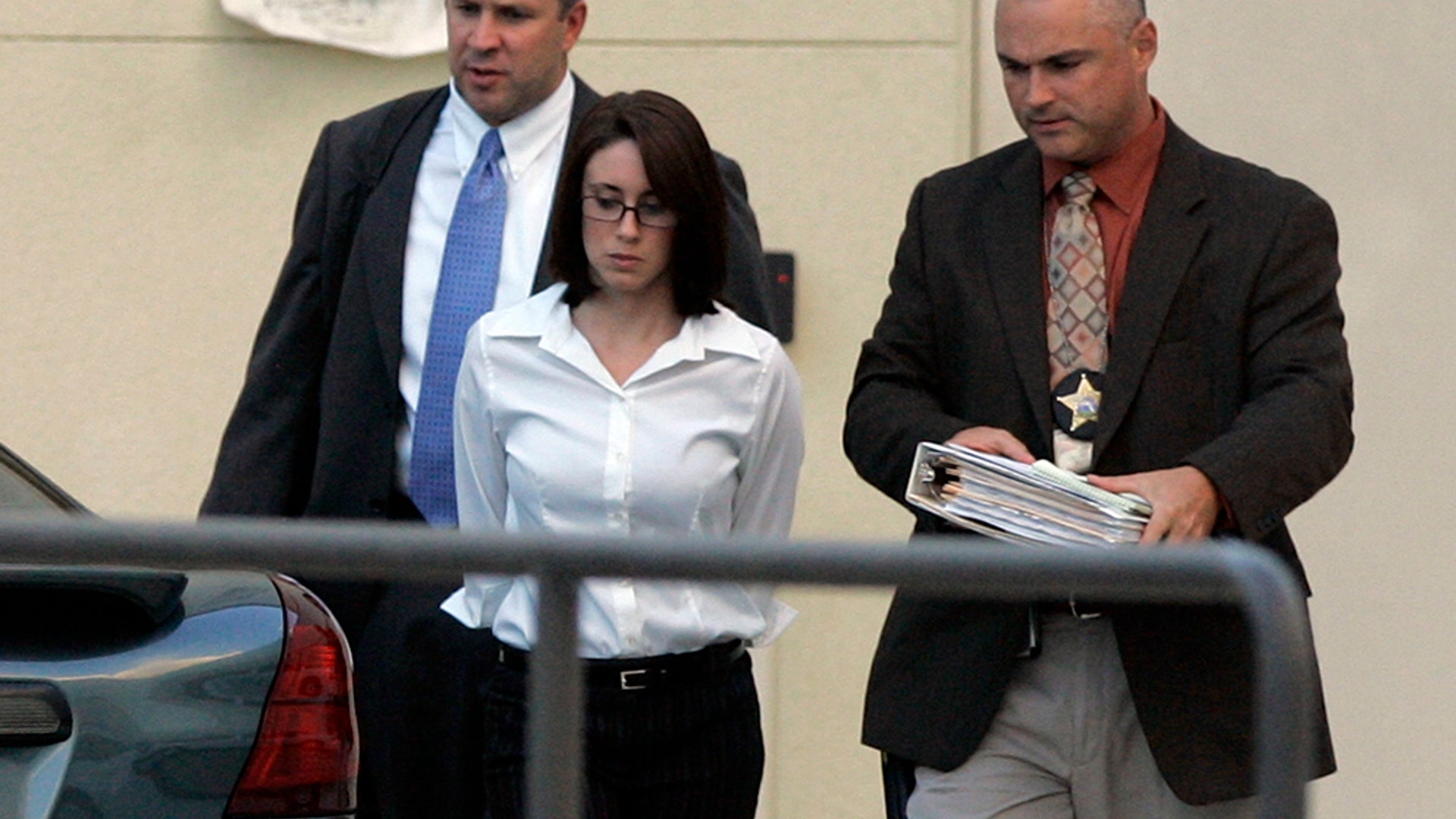
Casey told detectives that Caylee had been kidnapped by a babysitter named Zenaida Fernandez-Gonzalez.
That babysitter was never found, and later cleared of any involvement.
The exact details of Casey's whereabouts on June 16 are not in the record.
She gave conflicting accounts of her own whereabouts during the investigation.
What did she do that day?
Where was she that night?
When did she last see her daughter?
The record does not establish the answers.
The detectives asked.
The answers shifted.
A child was gone, and her mother's story moved with each question.
The call was made.
The investigation began.
The contradictions came with it.
THE CAR, THE REMAINS, AND THE HOMICIDE RULING
The car had been sitting in the tow yard for weeks.
Forensic analysis of Casey Anthony's abandoned car revealed the odor of decomposition in the trunk.
The smell was the first hard turn.
Hair evidence from the car was later linked to the remains.
On December 11, 2008, a utility worker found a child's skeletal remains in a wooded area near the Anthony home.
George Anthony was present when the remains were found.
The remains were identified as Caylee Anthony on December 19, 2008.
The identification was confirmed.
The medical examiner ruled the death a homicide.

The cause of death could not be determined.
No weapon was identified.
Not because of a lack of evidence.
Not because of a lack of effort.
Not because the case was weak.
Because the body had been reduced to bones.
The ruling made it a homicide investigation.
The ruling made the missing child case a murder case.
The ruling made Casey Anthony the sole person charged.
The prosecution would have to build a case without a cause of death.
The prosecution would have to build a case without a weapon.
The prosecution would have to build a case on what the car smelled like and what the hair matched.
That would require evidence.
The remains were skeletal.
The remains were found in a wooded area.
The remains were found 128 days after Caylee was last seen.
The remains were found 149 days after the 911 call.
The case had shifted.
It was no longer a search.
It was an accounting.
TWO STORIES, ONE TRIAL
The trial opened in Orlando on May 24, 2011.
Two stories stood in the courtroom. They did not touch.
The prosecution said Casey Anthony killed her daughter to free herself from parental responsibility.

The defense said Caylee drowned in the family pool by accident.
The defense said George Anthony disposed of the body.
The prosecution said that was a story built for a jury.
The defense also presented evidence that Casey had been sexually abused by her father.
George Anthony denied it.
The truth of that allegation is not established.
The prosecution's case was circumstantial. It had to be.
There was the car, abandoned at a tow yard, smelling of decomposition.
There was the hair, linked to the remains.
There were internet searches for "foolproof suffocation" on a home computer.
The timeline of those searches was disputed.
The record does not establish when they were made. It does not establish who made them.
So the state asked the jury to connect the dots.
The defense asked the jury to see a grieving mother, a panicked cover-up, an accident that spiraled.
What was the cause of death?
The medical examiner had ruled the death a homicide. The cause could not be determined.
That hung over everything.
A death with no cause. A murder with no weapon. A timeline with a 31-day hole.
The jury deliberated.
On July 5, 2011, they returned.
Not guilty of first-degree murder.
Not guilty of aggravated child abuse.
Not guilty of aggravated manslaughter.
Guilty of four counts of providing false information to law enforcement.
/jose-baez-1-c5cc5e9bf1ef40618009a54f4c07593e.jpg)
The courtroom did not gasp. It went still.
Casey Anthony had lied for 31 days. That was the crime.
The rest was not proven. Not to twelve people, not beyond a reasonable doubt.
Two stories had been told. Only one had to survive.
AND THE STORY STILL ISN'T OVER
The jury spoke on July 5, 2011.
Casey Anthony was found not guilty of first-degree murder, aggravated child abuse, and aggravated manslaughter.
She was found guilty of four counts of providing false information to law enforcement.
The sentencing was brief.
She received four years in prison with credit for time served.
She was released on July 17, 2011, having already served nearly three years in jail.
The verdict was widely criticized by the public and media.
Outrage was loud. Certainty was not.
A woman named Zenaida Fernandez-Gonzalez sued Casey for defamation.
The lawsuit was settled in 2012.
No new charges have been filed against anyone else in Caylee's death.
George and Cindy Anthony have remained in Florida.
The case has been the subject of numerous documentaries and books.
What actually happened to Caylee remains officially undetermined.
That is the record.
The cause of death was never determined. No weapon was identified.
The prosecution argued murder. The defense argued accidental drowning.
Twelve people heard both stories. Only one had to survive.
Casey Anthony lied for 31 days. That was the crime she was convicted of.
The rest was not proven.
Not to twelve people, not beyond a reasonable doubt.
The case is closed. The questions remain.
She was on the ground below.
Advertisement
You may also like
The cell phone logs that placed Adnan Syed in Leakin Park — and the alibi witness his lawyer never called
She was on the ground below. Hae Min Lee, an 18-year-old senior at Woodlawn High School in Baltimore County, Maryland, disappeared on January 13,…

The notebook Brian Laundrie carried into the swamp that named the killer of Gabby Petito
The notebook was found in the swamp, near the remains, on October 20, 2021. Brian Laundrie’s body was discovered in the Carlton Reserve in…
A 15-year-old boy stepped out to meet a contractor. His mother never saw him again.
She watched him walk out. December 11, 1978, and Robert Piest was leaving his shift at the pharmacy in Des Plaines, Illinois. He was…
The mother who spent 47 years searching a moor for her son's body
She walked the same ground for 47 years. Winnie Johnson went back to Saddleworth Moor, again and again, looking for her son. Her son…
Caylee Anthony's grandmother reported her missing 31 days after she was last seen
Caylee Marie Anthony was two years old. Her family last saw her in mid-June 2008, in Orlando, Florida. On July 15, 2008, her maternal…
The radio and binoculars that led police to the Clutter killers
The Sunday bell did not ring for the Clutter family. On the morning of November 16, 1959, neighbors and friends came to River Valley…