UEFA opens probe into alleged spitting by Israeli players at Ireland match
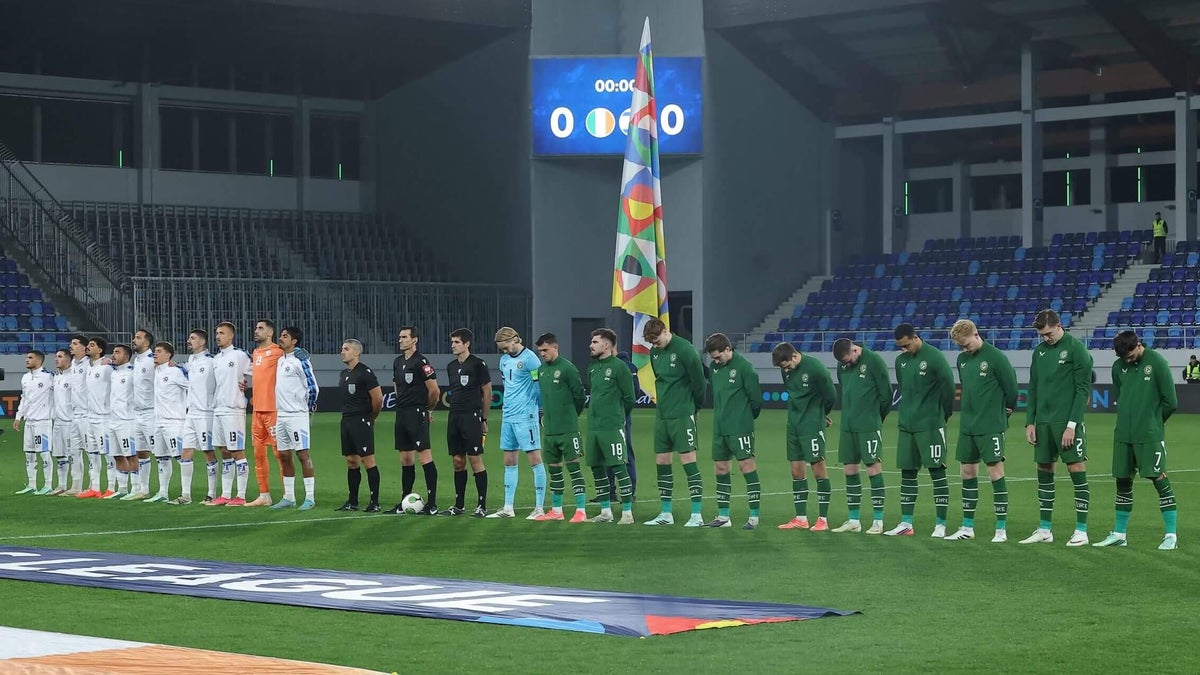
UEFA has opened a disciplinary investigation into an alleged spitting incident during the Republic of Ireland’s 1-1 draw against Israel on Sunday, the governing body confirmed on Monday.
The allegation involves Israeli players spitting towards an Irish coach, per reports that emerged during the second Nations League meeting of the countries, played behind closed doors in Serbia.
A UEFA spokesperson said an Ethics and Disciplinary Inspector has been appointed to investigate the matter.
“Following a review of the official reports which contained an allegation of an incident in or around the tunnel at halftime, an UEFA Ethics and Disciplinary Inspector has been appointed to conduct the appropriate disciplinary investigation regarding potential misconducts from player(s) on the occasion of the UEFA Nations League 2027 league phase match between Republic of Ireland and Israel, played on 4 October 2026 in Backa Topola, Serbia,” the spokesperson said.
The specific identity of the player or players accused, and the exact nature of the alleged spitting, remain unconfirmed. The incident is described only as an allegation in the official reports UEFA reviewed.
The Israel FA has denied the reports to The Athletic. “No one spat towards the coach,” its statement said on Sunday. “We insisted during these two matches to be sporting as ever, no matter which provocation the Irish side decided to do.”
The FAI has been approached by The Athletic for comment.
ISRAEL FA DENIES ALLEGATION
The Israel FA has denied the reports to The Athletic. “No one spat towards the coach,” its statement said on Sunday. “We insisted during these two matches to be sporting as ever, no matter which provocation the Irish side decided to do.”
The FAI has been approached by The Athletic for comment, though no response is noted in the source.
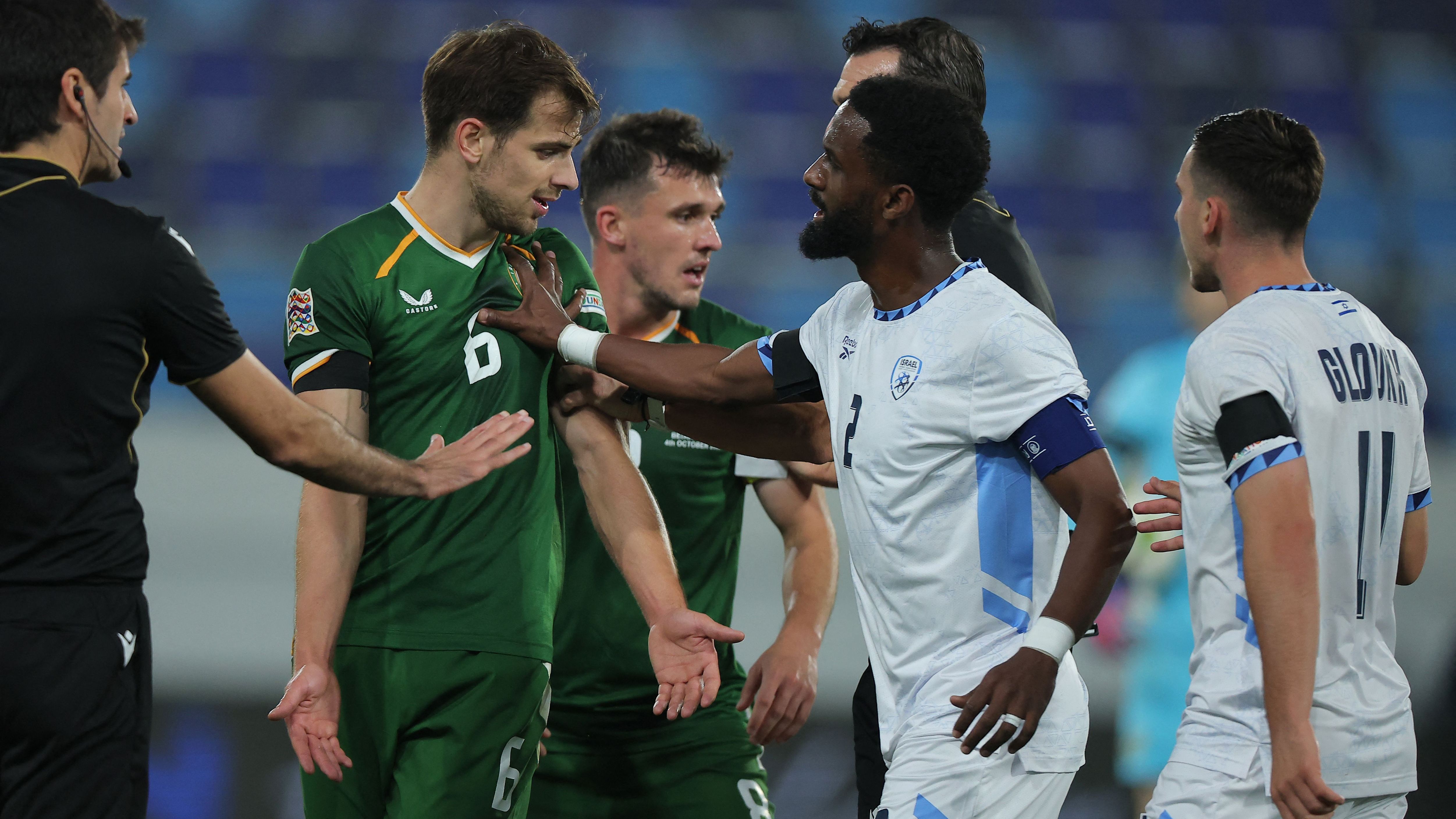
The denial comes as UEFA’s investigation proceeds based on official reports. The governing body has appointed an Ethics and Disciplinary Inspector to review an alleged incident in or around the tunnel at halftime during the 1-1 draw in Backa Topola, Serbia.
The specific identity of the player or players accused, and the exact nature of the alleged spitting, remain unconfirmed. The incident is described only as an allegation in the official reports UEFA reviewed.
TENSE BACKGROUND TO THE FIXTURES
The tension surrounding these fixtures did not begin in the tunnel in Serbia.
Before Sunday’s match, Republic of Ireland head coach Heimir Hallgrimsson said his team would be “playing against genocide” when they faced Israel in the Nations League. The Israel Football Association responded to the Icelandic boss, saying they were “not playing with ignorance, hypocrisy and stupidity” but “playing against the coach who embodies them.”
Tensions had been building throughout September. FAI chief executive David Courell said the federation had made a request to avoid the sides meeting, though the full content of that request is not confirmed in the source material.
The first meeting of the sides took place on September 27 and finished 3-0 to the Republic of Ireland. That result came despite the withdrawal of goalkeeper Gavin Bazunu, who decided he would not take part in the game in opposition to “the atrocities in the region.”
Bazunu was not the only player on the team to express discomfort with the situation, though the rest of the squad voted by a “significant majority” to fulfill the fixture, per Courell.
PRESS CONFERENCE DISRUPTIONS AND BANS
Before Sunday’s fixture, Hallgrimsson’s press conference ended early after a journalist asked about alleged racism by Irish players during their first meeting. The specifics of that allegation are not detailed in the source material.

UEFA confirmed to The Athletic that two journalists had been subsequently banned from the post-match press conference on Sunday. Their identities have not been given.
The first meeting of the sides took place on September 27 and finished 3-0 to the Republic of Ireland, despite the withdrawal of goalkeeper Gavin Bazunu. Bazunu decided he would not take part in that game in opposition to “the atrocities in the region.”
Earlier that day, FAI chief executive David Courell said the rest of the team would fulfill the fixture after a “significant majority” of the squad voted in favour of playing. Bazunu was not the only one on the team to express discomfort with the situation, though the specific views of other players have not been detailed.
That September meeting set a fraught tone for the return fixture. The 1-1 draw on Sunday was played behind closed doors in Backa Topola, Serbia, and it was during that game that the spitting allegation emerged.
WHAT TO WATCH NEXT
UEFA has appointed an Ethics and Disciplinary Inspector to conduct the disciplinary investigation, a spokesperson confirmed. The probe will review the official reports that contained the allegation of an incident in or around the tunnel at halftime during the match on 4 October 2026 in Backa Topola, Serbia.
That fixture was the UEFA Nations League 2027 league phase meeting between Republic of Ireland and Israel, played behind closed doors. The investigation centers on potential misconduct from player(s), and if any is found, disciplinary action could follow.
The Israel FA has denied the allegation outright, telling The Athletic: “No one spat towards the coach.” That denial means the inspector’s task is to determine what actually happened in the tunnel area.
No timeline for the investigation’s conclusion has been specified, and any potential sanctions have not been confirmed. UEFA has not indicated when the inspector’s findings might be delivered or made public.
The investigation follows a fraught pair of fixtures between the sides. The first meeting on September 27 finished 3-0 to the Republic of Ireland, and Sunday’s return ended 1-1. Both were played under the shadow of the broader tensions that surrounded the games.
For now, the next concrete step is the inspector’s review of the official match reports. When that review concludes, UEFA will decide whether the allegation warrants sanctions against any player.
Advertisement
You may also like
Buzelis: Last Year Was 'Extremely Hard' as Bulls Finally Find Structure
Matas Buzelis did not sugarcoat his second season. After Tuesday's practice at the Advocate Center, the 21-year-old called last year "extremely hard" and said…
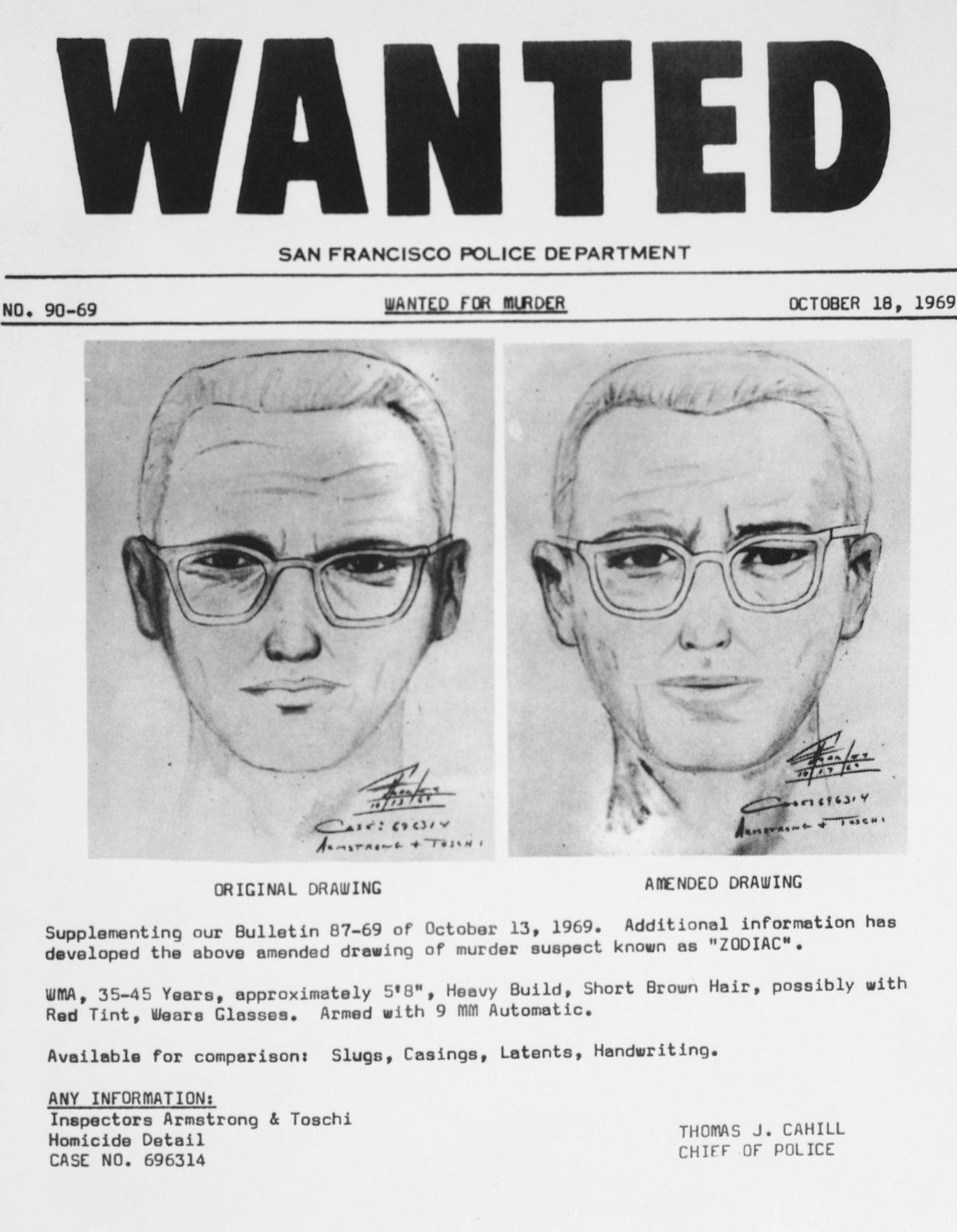
The 1969 Zodiac cipher that hid a name — until codebreakers cracked it
In December 2020, a team of codebreakers — including David Oranchak, a software developer, and two others — decrypted the second Zodiac cipher. The…
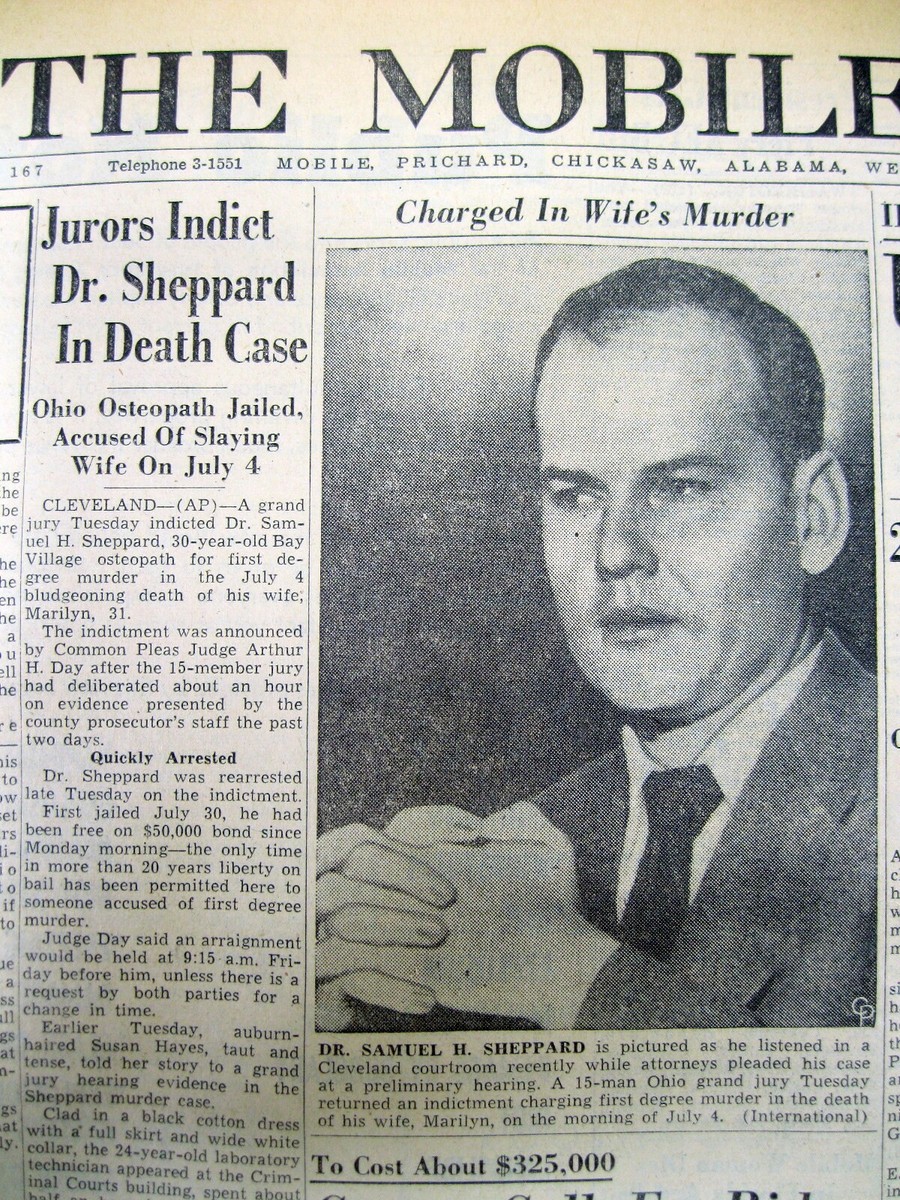
The bloodstained watch that tied a doctor to his wife's murder scene
The watch had blood on it. It was found at the murder scene, inside the Bay Village home where Marilyn Sheppard died on July…

São Paulo Hosts South America's First WTA Coaches Workshop in Historic Debut
More than 60 tennis coaches gathered in São Paulo last month for a first in South American tennis: an official WTA Coaches Workshop, held…

Booed Larkin Returns as Red Wings Host Senators After Trade Demand
Dylan Larkin is back on the ice for the Detroit Red Wings — and the fans have not forgotten. Larkin made his season debut…

Red Wings Fans Boo Dylan Larkin in Injury Return Amid Trade Request Fallout
Dylan Larkin's return to the Detroit lineup didn't come with any grace period. The moment the center touched the puck Tuesday night against the…