Why Laci Peterson's mother kept a vigil that Christmas Eve 2002
The phone rang at the Rocha house on Christmas Eve, 2002.
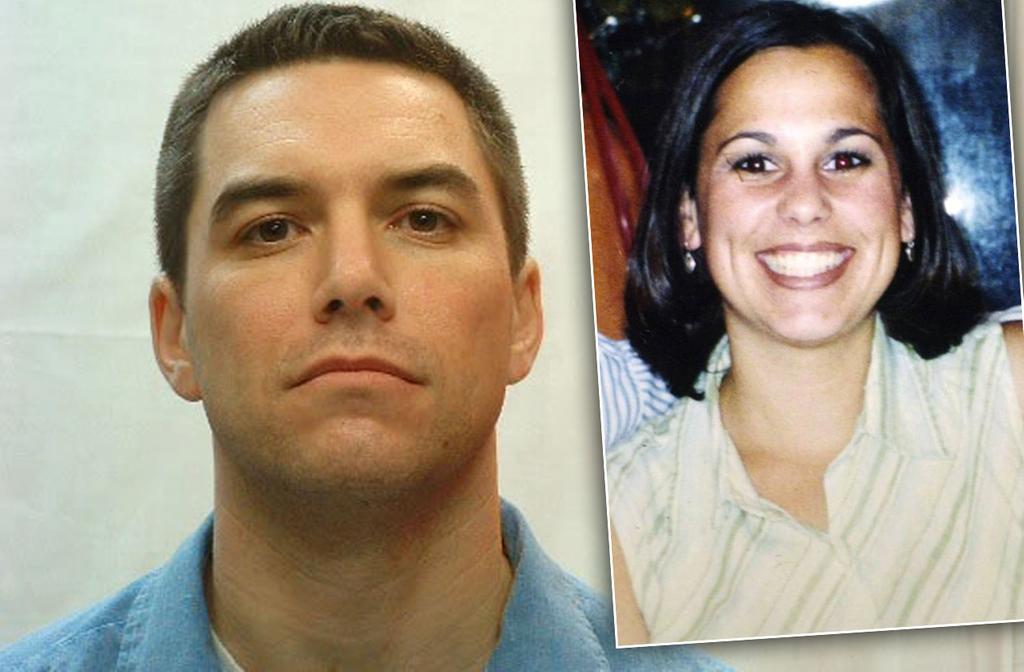
Laci Peterson, eight months pregnant, had been reported missing from her home in Modesto, California, by her husband, Scott Peterson.
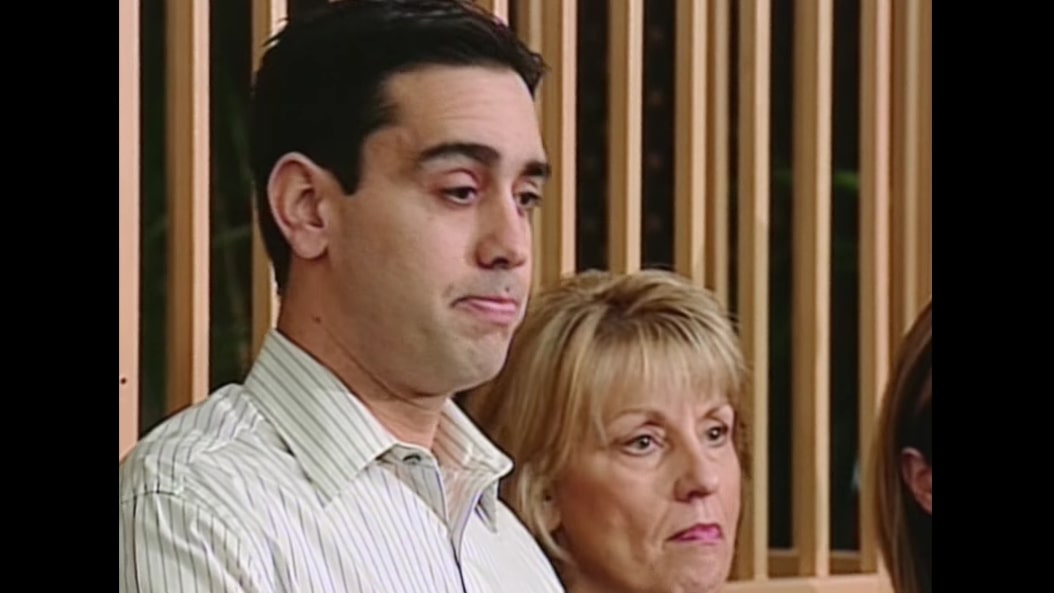
Her mother, Sharon Rocha, kept a vigil that night.
She waited for news of her daughter and her unborn grandson.
What exactly she did during those hours is not in the record.
Only that she kept it, and that the day was December 24, 2002.
Sharon Rocha became a prominent public figure in the weeks that followed.
She spoke to media again and again.
She stood before cameras and pleaded.
She urged her son-in-law to cooperate with detectives.
She asked the public for help.
She was not alone.
Laci's father, Dennis Rocha, was named in the coverage.
Her brother, Brent Rocha, was named in the coverage.
The family gathered around Sharon as the search grew.
The vigils continued past Christmas.
The search went on for months.
The waiting went on for months.
Sharon Rocha would later testify at trial.
That was still far off on that Christmas Eve.
That night, there was only the vigil.
And the question no one could answer.
Was Laci alive?
Was the baby alive?
Where were they?
That would require evidence.
The record shows only the report, the vigil, and the waiting.
THE SEARCH AND THE CALL
The search began as a missing-person case, a husband's report on Christmas Eve.
Scott Peterson told detectives he had been fishing at the Berkeley Marina that morning.
Detectives quickly noted inconsistencies in his statements.
Laci's family watched, and they spoke.
Sharon Rocha, Laci's mother, publicly urged Scott to cooperate.
She expressed growing suspicion, according to the record.
The exact content of any phone call that made her fear the worst is not in the record.
Only her growing suspicion is documented.
In January 2003, the case turned.
Amber Frey, a Fresno massage therapist, came forward.

She revealed she had been in a romantic relationship with Scott Peterson.
He had told her he was a widower.
Her testimony at trial would become a major prosecution moment.
The family kept searching.
The public kept watching.
The hope was a missing-person case, still.
It was also something else now.
In April 2003, the bodies were found.
They washed ashore in the San Francisco Bay near Point Isabel Regional Shoreline in Richmond, California.
Laci's remains.
Her unborn son, Conner, too.
The search ended there.
The waiting ended there.
What remained was the question of what happened before the water.
THE TWO STORIES
Two stories ran side by side through the trial.
The prosecution argued that Scott Peterson had killed Laci in their home, placed her body in his 14-foot aluminum fishing boat, and dumped it in the San Francisco Bay.
The defense, led by Mark Geragos, argued that Laci had been abducted and killed by strangers while Scott was fishing.
The jury rejected that theory.
:max_bytes(150000):strip_icc():focal(999x0:1001x2)/laci-peterson-family-2-d60dbe78a8384fc4b387604161b69e09.jpg)
What the jury heard instead was the medical examiner's forensic evidence, including the condition of Conner's remains.
The exact nature of that forensic evidence is not detailed in the record; only that it was presented.
Amber Frey's testimony was a major prosecution moment.
She was the Fresno massage therapist who had come forward in January 2003, revealing a romantic relationship with Scott Peterson, who had told her he was a widower.
By the time she testified, Scott Peterson was already in custody.
He had been arrested on April 18, 2003, in San Diego County, found with dyed hair and a large amount of cash.
Sharon Rocha sat through it all.
She had urged Scott to cooperate in those first weeks, publicly, on camera, with a mother's voice that asked for answers.
The record shows her growing suspicion.
It shows a family watching a story split in two: the one the prosecution told, and the one the defense told.
One version ended with a boat and a bay.
The other ended with strangers and a fishing trip.
What remained was the question of which version the jury would believe.
That would require evidence.
THE VERDICT AND THE SENTENCE
The trial began in June 2004 in Redwood City, California.
Not in Modesto, where the case had saturated the news.
The change of venue came after extensive pretrial publicity.
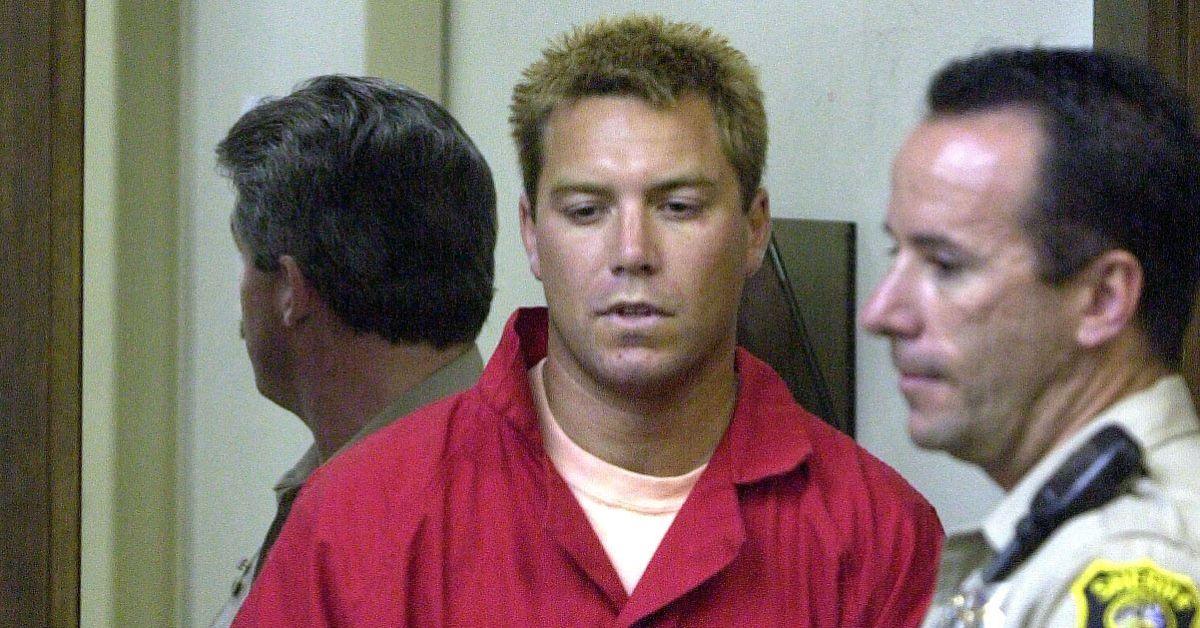
Scott Peterson was charged with two counts of first-degree murder.
One count for Laci. One count for Conner.
Sharon Rocha sat through the proceedings, watching the man she had once welcomed into her family.
She had testified earlier, describing the growing suspicion she had felt in those first weeks.
The prosecution argued that Scott had killed Laci in their home and dumped her body from his boat.
The defense argued that strangers had abducted her while Scott was fishing.
On November 12, 2004, the jury found Peterson guilty on both counts.
The verdict was final. It was also the beginning of another phase.
During the penalty phase, the jury recommended the death sentence.
On March 16, 2005, the judge formally sentenced Peterson to death.
The judge's name is not confirmed in the record; he is referred to only as the judge.
The conviction and sentence were automatically appealed to the California Supreme Court.
For the Rocha family, the verdict brought a kind of relief.
It was relief mixed with sorrow. Laci and Conner were still gone.
Sharon Rocha had kept her vigil that Christmas Eve in 2002.
She had pleaded for answers when the case was still a missing-person mystery.
The documented record shows her growing suspicion, then her testimony, then the conviction.
What the family felt in that courtroom on November 12, 2004, was not recorded.
That would require their words, and those words remain their own.
AND THE STORY STILL ISN'T OVER

He remains on death row at San Quentin State Prison in California.
His execution has not been carried out.
In 2020, the California Supreme Court overturned his death sentence, ruling that the trial judge had improperly dismissed a juror who opposed the death penalty.
The court upheld his murder convictions.
A new penalty phase has not yet been held.
When it might occur is not in the record.
Sharon Rocha has written a book about the case.
She has remained an advocate for victims' families.
The Rocha family has consistently maintained that Scott Peterson is guilty.
They have opposed any efforts to grant him a new trial.
The legal saga is not closed.
For the family, the grief continues.
The fight continues.
Sharon Rocha testified at trial.
She spoke to media.
She kept a vigil that Christmas Eve.
She remains the voice of a mother who lost a daughter and a grandson.
The conviction stands.
The sentence does not.
That is where the record leaves it.
Advertisement
You may also like
The parking ticket that cracked the Son of Sam case — and the letter detectives couldn't ignore
The witness saw a man holding a parking ticket near the scene of the final shooting. That scene was Brooklyn, July 31, 1977. The…

Wallace Slams NASCAR: 'They Just Let Blaney and Hocevar Get Away With Murder'
Bubba Wallace is not letting this one go. Not for a second. He watched the Bristol brawl. He watched NASCAR look at two drivers…
Chase Elliott's Secret Demand That Changed Hendrick's Fan Event Forever
Chase Elliott walked into that meeting at the Hendrick Motorsports campus with one thing on his mind — and it wasn't the next race.…
Chase Elliott's secret move for heartbroken fan David — the car is coming home
The car is coming home. That is the only way to say it. The old race car that sat in David's garage for years,…
Greemlaam's privacy policy hides a secret data grab
Greemlaam's privacy policy hides a secret data grab — and it is sitting right there on the public page, daring you to skim past…
Chase Elliott's Private Meeting with Hendrick Leadership Sparks Major No. 9 Team Overhaul
Chase Elliott walked out of that private meeting with Hendrick leadership, and the No. 9 team will never be the same. The conversation wasn't…