The 1981 abduction detail that police initially missed — and the confession that kept changing
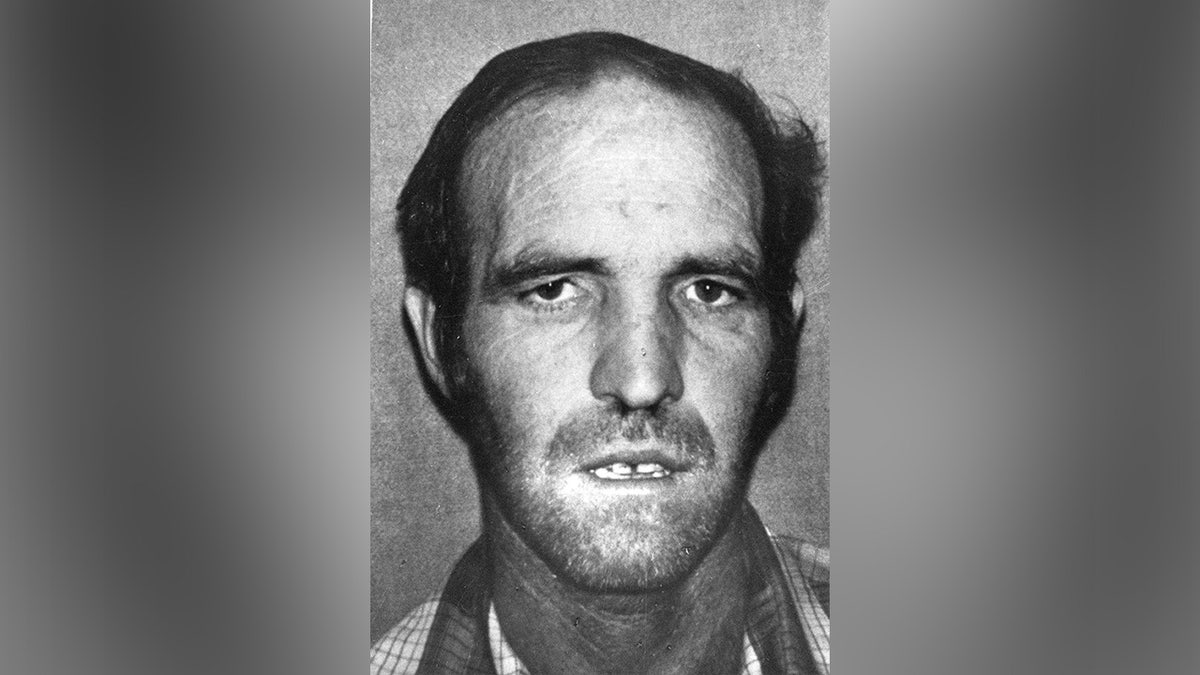
On July 27, 1981, six-year-old Adam Walsh was left watching television with other children in the Sears department store at the Hollywood Mall in Florida.
His mother, Revé Walsh, was shopping nearby.
When she returned, Adam was gone.
Early reports said Adam had been seen leaving the store with an unidentified man.
The identity of that man is not established in the record.
The store’s security system was not functioning.
There were no surveillance cameras.
A crowded store, and no image of the moment.
Police initially treated the case as a missing person rather than an abduction.
Not because the evidence pointed that way.
But because the absence of evidence left room for hope.
What the cameras would have shown, the record does not say.
What they would have shown, no one can say.
That would require evidence.
THE DRAINAGE CANAL
The search went on for months.
Hundreds of volunteers and law enforcement officers combed the ground around the Hollywood Mall and beyond.
They searched the woods, the canals, the empty lots.
Adam was not found alive.
On October 10, 1981, a severed head was pulled from a drainage canal along the Florida Turnpike near Vero Beach.
That was roughly 100 miles from Hollywood.
The Broward County medical examiner determined the remains were Adam's.
He concluded the cause of death was decapitation.
That was where the certainty ended.
The exact manner of death could not be determined.
The specific weapon was never identified.
Adam's body was never recovered.
A head, found.
A body, never returned.
The forensic evidence was limited to what the canal gave back, and the canal gave back very little.
No full remains to examine.
No weapon to trace.
No scene to reconstruct.
The record does not establish how the decapitation was carried out.
It does not establish what was used.
That would require evidence, and the evidence was not there.
THE CHANGING CONFESSION
In 1983, Ottis Toole was already in prison for other murders in Florida when he confessed to abducting and killing Adam Walsh.
He gave detailed accounts of the crime.
He described the location of the abduction.
He described the disposal of the remains.
Then he recanted.
Then he confessed again.
Then he recanted again.
His accounts contained inconsistencies.
The specific inconsistencies are not itemized in the record.
That would require a stable story, and Toole did not give one.
Police also considered other suspects.
Jeffrey Dahmer was among them.
Dahmer was later ruled out.
The reasons he was ruled out are not stated in the record.
That would require an explanation, and the record does not provide one.
Toole was never charged with Adam's murder.
He was already serving a life sentence for other murders in Florida.
There was no trial to test his words.
There was no cross-examination to pin a version down.
A confession should be the answer.
It should settle the question of what happened.
It should hold still long enough to be checked.
This one did not.
The record holds a man who said he did it, then said he did not, then said he did again.
It holds a suspect who was never put before a jury.
It holds a case closed on words that kept changing shape.
Toole died of liver failure on September 15, 1996, at Florida State Prison.
He died before any charges were filed.
He died before any court ruled on what he had said.
The confession that closed the case was never tested in a courtroom.
It was tested only by repetition, and repetition does not make a story true.
It makes it a story that keeps being told.
THE 1996 CLOSURE
In December 1996, the Hollywood Police Department, led by Chief Rick Stone, officially closed the case.
They declared Ottis Toole the sole perpetrator.
The decision rested on Toole's confessions, his known movements and criminal history, and the absence of any other credible suspect.
That was the evidence that decided the case.
It was a bundle of words and a timeline of a man already in prison.
There was no trial.
Toole died of liver failure on September 15, 1996, at Florida State Prison, before any charges were filed.
The case was closed three months later, without a courtroom, without a verdict, without a single piece of physical evidence tested against him.
The closure was controversial.
Some questioned the reliability of Toole's confessions.
Those confessions had shifted over the years, recanted and re-offered, each version slightly different.
Was the story reliable?
Was the man reliable?
Was the official answer built on something firmer than repetition?
That would require evidence, and the evidence was never tested.
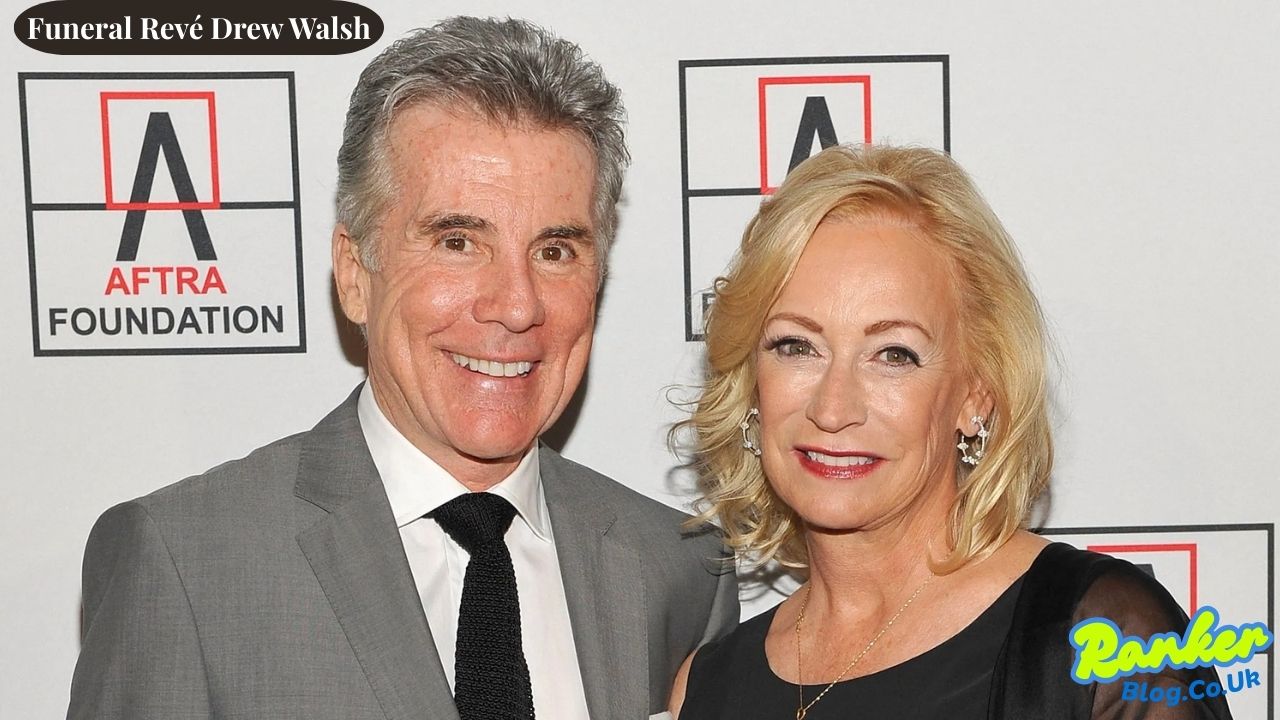
The Walsh family has accepted the police department's conclusion that Toole was responsible.
They have found their answer, and they have carried it forward.
Some independent researchers have continued to question aspects of the case.
They point to the same gaps the record leaves open.
What remains is an official answer with an asterisk.
Closed, but never proven.
It is a closure.
It is also not a conviction.
AND THE STORY STILL ISN'T OVER
The case remains officially closed, with Ottis Toole named as Adam Walsh's killer.
That is the record.
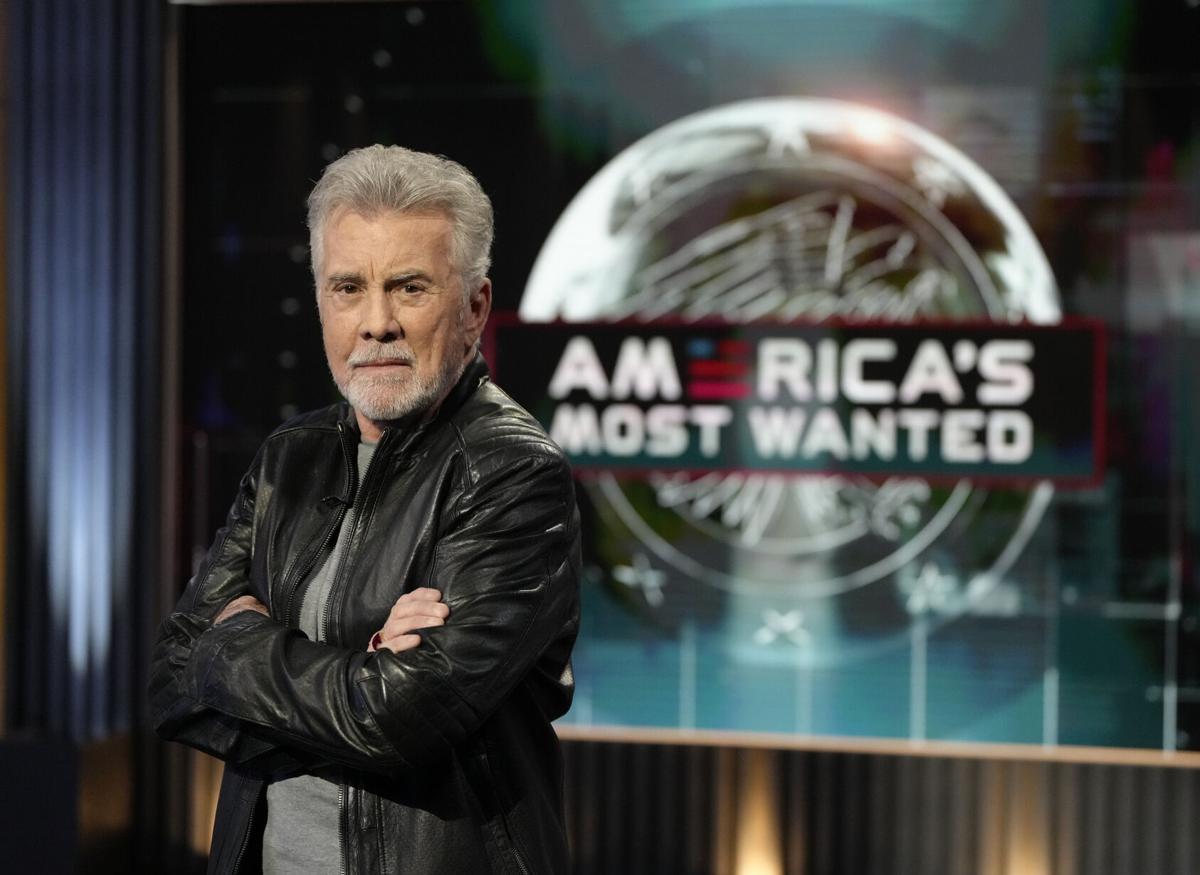
John Walsh hosted "America's Most Wanted" from 1988 to 2012 and has continued his advocacy work.
The Adam Walsh Child Protection and Safety Act, signed into federal law in 2006, established a national database of convicted sex offenders.
The Walsh family has accepted the police department's conclusion.
Independent researchers still question aspects of the case.
They ask about the reliability of a confession that changed.
They ask about the absence of a body.
They ask about the evidence that was never tested in court.
That would require a proceeding.
No new hearing is in the record.
No motion is in the record.
No pending decision is in the record.
The closure stands.
It is a closure based on confessions, known movements, and criminal history.
It is not a conviction.
Toole was never charged.
He died in prison before the case was closed.
The record holds his words, repeated and recanted.
It does not hold a verdict.
So the story ends with a name on a closed file.
It also ends with questions that a closed file does not answer.
That is the unresolved hum.
The case is closed.
It is also not over.
Advertisement
You may also like
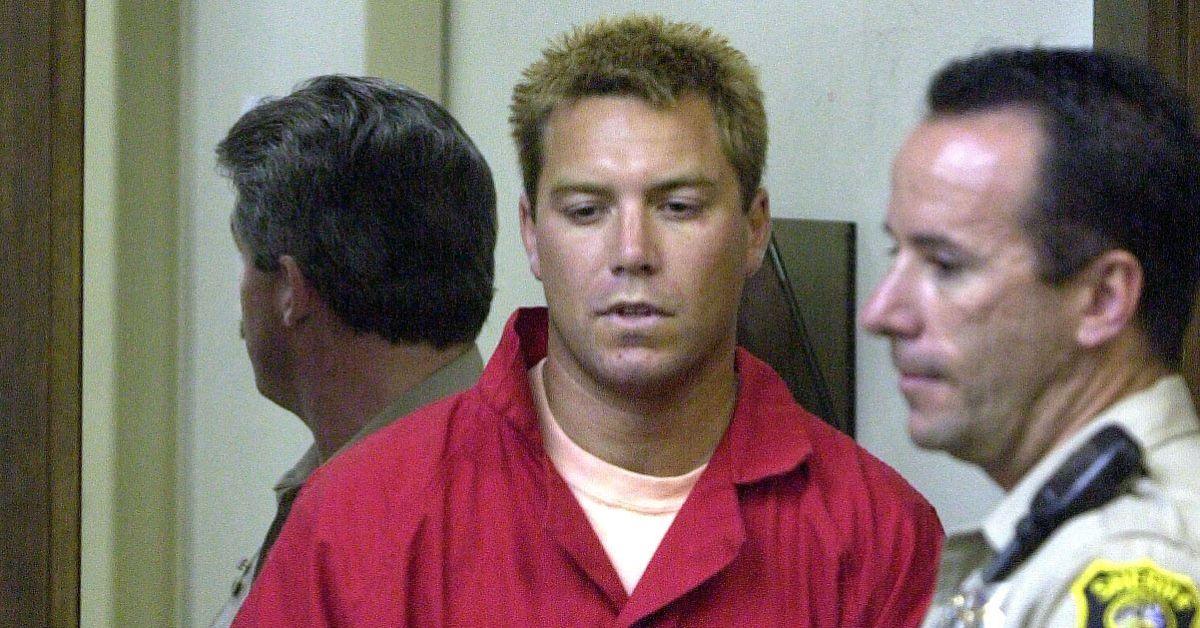
Scott Peterson's boat: the 14-footer that made a fishing trip impossible to prove
A 14-foot aluminum fishing boat. That was the boat Scott Peterson said he took to the Berkeley Marina on the morning of December 24,…
The FBI's 17-year hunt for a bomber hinged on one brother's phone call — why did it take so long?
The manifesto ran 35,000 words. In 1995, the Unabomber sent it to The New York Times and The Washington Post, demanding publication. The Post…
He confessed to strangling his wife — but now, from prison, he says he wants a relationship with her parents
In 2019, from a prison phone line, Christopher Watts described the murders to a reporter. He spoke about strangling his wife. He spoke about…
A man mailed Elizabeth Short's birth certificate to a newspaper — the sender was never identified
A package arrived at a Los Angeles newspaper office in the weeks after the body was found. Inside were Elizabeth Short's belongings: her birth…
The 1996 Tupac shooting: one hotel tape police never fully reviewed
The MGM Grand altercation was captured on hotel surveillance video. About thirty minutes before the shooting, the tape was rolling. Las Vegas Metropolitan Police…
A tarot card left at a D.C. sniper crime scene read 'Call me God' — what it led to
The card was a tarot card. On its back, in handwriting, was the message: "Call me God." It was left at one of the…