The 31 days Casey Anthony never reported her toddler missing
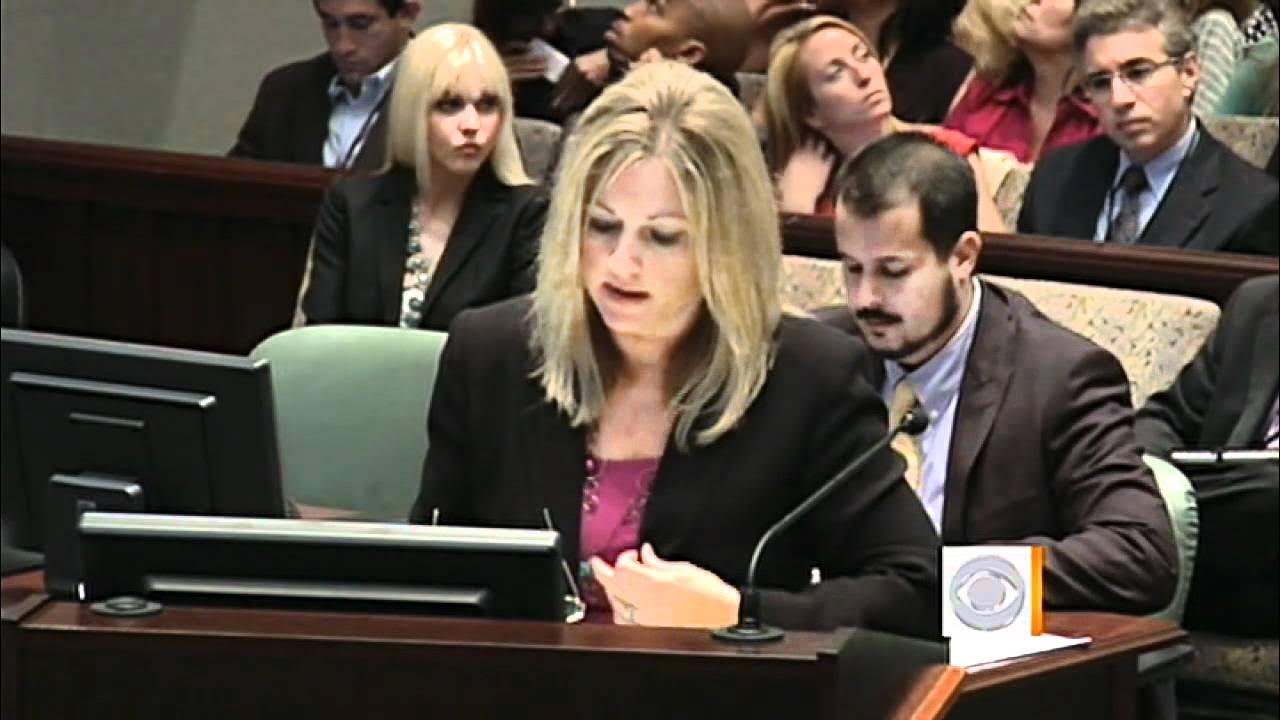
The 911 call came from a house in Orlando, Florida, on July 15, 2008.
Cindy Anthony was on the line, and she told the dispatcher her granddaughter was missing.
The child was Caylee Anthony, two years old.
Cindy said she had not seen the child for 31 days.
She also said her daughter, Casey Anthony, had been driving a car that smelled like decomposition.
A car that smelled like a body.
A mother who had not reported her child missing for 31 days.
That call is the documented moment the silence broke.
The 31 days before it are the gap the public has never stopped staring into.
What happened in those days?
What did Casey do?
Why did no one call sooner?
Those questions are in the air, but the record does not answer them.
What the record establishes is narrow: Casey Anthony did not report her daughter missing for 31 days.
What she did or did not do during that time is not established.
The silence itself is the only fact that holds.
It is a fact of absence.
It is also a fact of a mother, a car, and a smell.
The smell was the first thing anyone mentioned.
The child was the second.
THE MOTHER'S STORY
She gave them a name.
Zenaida Fernandez-Gonzalez, she said. The babysitter who took the child.
Casey Anthony told family members that this woman had the girl, that it was safe, that it was handled.
The lead detective and his team looked for the babysitter.
They found no such person.
No apartment, no phone number, no employment record, no woman who matched the name.
The record does not establish that Zenaida Fernandez-Gonzalez existed.
It establishes that detectives found no trace of her.
For 31 days, the child was not reported missing.
For 31 days, Casey was seen out at night.
She was seen partying with friends.
She got a tattoo during that window, two words in Italian.
"Bella Vita."
Beautiful life.
On July 16, 2008, the day after her mother called 911, Casey Anthony was arrested.
The charges were child neglect and making false statements to law enforcement.
Later, the state added first-degree murder.
The lead detective took the statements.
The lead detective built the timeline.
The timeline said the child vanished, and the mother said nothing.
The timeline said the mother gave a name that did not check out.
The mother said the babysitter had the child.
The detectives said the babysitter was not there.
Which one is true?
The record shows one thing plainly: no such person was ever found.
That is what the record shows.
The rest—what happened in those 31 days—remains a story told in courtrooms, not in evidence.
THE CAR AND THE WOODS
The car was found in a tow lot, not on the street, not in the driveway.
A white Pontiac Sunfire, abandoned, waiting.
A forensic analyst later testified that the trunk contained air samples consistent with human decomposition.
Not a smell described in a 911 call. Air samples, tested, measured, recorded.
A hair found in the trunk was consistent with Caylee's hair.
It showed signs of decomposition.
The car said something. The trunk said something. The hair said something.
What they said together was never fully spoken.
On December 11, 2008, a meter reader found a child's skull and other remains in a wooded area about a quarter-mile from the Anthony home.
Not a grave. Not a marker. Just a place where the woods held what was left.
Dental records identified the remains as Caylee Marie Anthony.
The medical examiner ruled the death a homicide.
The cause of death could not be determined.
Homicide, the ruling said. How she died, the record does not say.
That is the gap. The body was found, the car was tested, the hair was matched.
The mechanism of death stays out of reach.
Not because it was not examined. Because it could not be established.
Prosecutors would argue one story. The defense would argue another.
The physical evidence closed in, but it did not finish the sentence.
TWO STORIES, ONE CHILD
The prosecution argued that Casey killed her daughter to live a carefree life.
She had the tattoo, the partying, the 31 days of silence.
The defense argued something else entirely.
Caylee had drowned, they said, accidentally, in the family pool.
George Anthony had disposed of the body, they claimed.
George denied it.
That claim is not established.
The prosecution also pointed to a search on Casey's home computer for "fool-proof suffocation."
The defense disputed the reliability of that evidence.
That evidence is disputed.
The defense offered another version of the woods.
The body had been there for months before the search began, they argued.
Someone else had placed it there.
Someone else.
Two stories, one child.
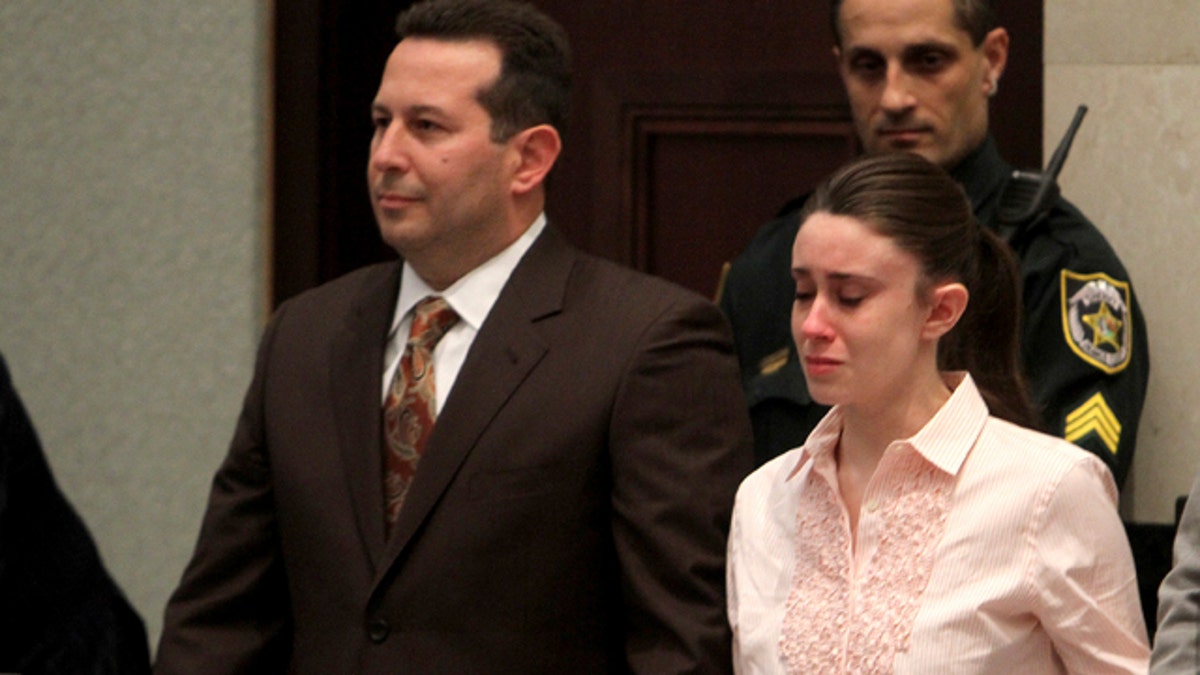
Both stories were told in full at trial, which began on May 3, 2011, in Orlando.
The prosecution's story required a motive: a mother who wanted her freedom.
The defense's story required a father who covered up an accident.
George sat in the courtroom and said no.
The jury heard both versions.
The physical evidence did not finish the sentence.
It pointed, but it did not conclude.
The trunk smelled of death.
The hair showed decomposition.
The skull was found in the woods.
The cause of death was never determined.
The manner was ruled homicide.
Neither story could be proven beyond a reasonable doubt.
That would require evidence.
AND THE STORY STILL ISN'T OVER
On July 5, 2011, the jury found Casey not guilty of first-degree murder, aggravated child abuse, and aggravated manslaughter.
She was guilty of four counts of giving false information to law enforcement.
She was sentenced to four years in prison with credit for time served.
She was released on July 17, 2011, having already served nearly three years.
In 2017, a Florida appellate court upheld her convictions on the four counts of giving false information.
No other person has been charged in Caylee's death.
Who killed Caylee — if anyone — is not established by the record.
The medical examiner ruled the death a homicide, but the cause of death could not be determined.
The manner was ruled homicide.
Neither story could be proven beyond a reasonable doubt.
That would require evidence.
The case has been covered extensively in documentaries and books.
A 2017 documentary series included Casey Anthony herself.
She has lived in Florida since her release.
She has remained the subject of continued public scrutiny.
The verdict was called "inexplicable" by the trial judge in a book he co-wrote.
The 31-day silence is in the record.
The searches for "fool-proof suffocation" were presented at trial.
The defense disputed their reliability.
She was seen partying during those 31 days.
She had a tattoo reading "Bella Vita" — "beautiful life."
The babysitter was invented.
The car smelled of decomposition.
The hair was consistent with Caylee's.
The skull was found a quarter-mile from the Anthony home.
Dental records identified her.
The cause of death remains officially undetermined.
The story still isn't over.
Advertisement
You may also like
The fishing boat Scott Peterson bought weeks before his pregnant wife vanished
The boat was 14 feet of aluminum, and Scott Peterson bought it in late November 2002. That was weeks before his pregnant wife Laci…
The bloody glove that didn't fit: how a detective's tape destroyed the prosecution's case
He held them up for the jury to see. Two leather gloves, dark against his hands. One found on Bundy Drive, where Nicole Brown…
The 1947 clipping found near Elizabeth Short that led nowhere
The morning of January 15, 1947, began with a woman walking her daughter past a vacant lot at 39th Street and Norton Avenue. She…
The gun that put Keffe D in the Cadillac — and the plea deal he says should free him
The motion landed in February 2025, in a Clark County courtroom, and it hinged on a piece of paper filed nearly two decades earlier.…
The 340-symbol cipher cracked in 2020 — and the message that still names no one
In December 2020, a team of codebreakers announced they had cracked the 340-symbol cipher. David Oranchak, a software developer, and Sam Blake, a mathematician…
The misread clue that derailed the Tate murder probe for months
Five people were found dead at 10050 Cielo Drive in Benedict Canyon on the morning of August 10, 1969. Among them was actress Sharon…