The 1947 clipping found near Elizabeth Short that led nowhere
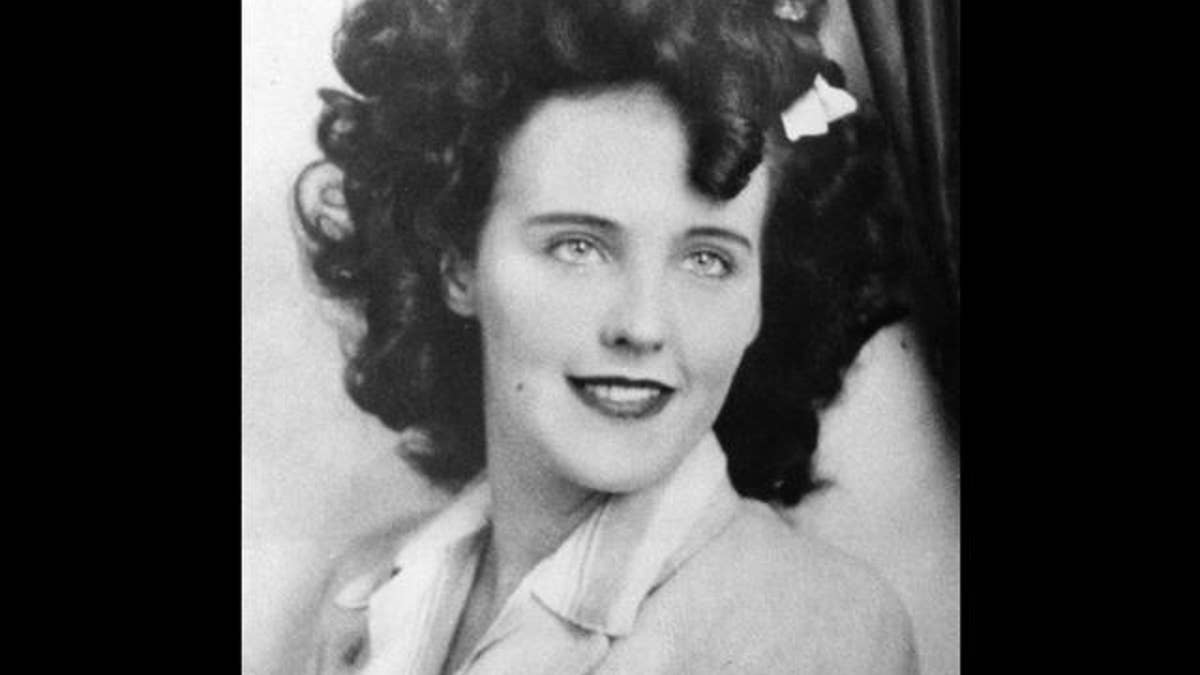
The morning of January 15, 1947, began with a woman walking her daughter past a vacant lot at 39th Street and Norton Avenue.
She thought the white shape on the ground was a mannequin.
It was Elizabeth Short, nude, severed at the waist, drained of blood, and posed.
Near her body, investigators found two things: a newspaper clipping and an address book.
The address book yielded names.
The clipping yielded nothing.
It is a documented piece of evidence, present in the LAPD's account of the scene.
The record does not explain what the clipping said.
The record does not explain why it was there.
The record does not explain who placed it.
A theory circulating online suggests the clipping was a deliberate clue, a message left by the killer.
That is a theory.
No source confirms it.
The content of the clipping, its origin, and any connection to the killer are not established by the record.
The case became known as the "Black Dahlia" murder, a nickname drawn from the film *The Blue Dahlia* and Short's habit of wearing black.
The nickname stuck; the clipping did not.
Investigators followed the address book's names and interviewed hundreds of people.
They received dozens of false confessions.
The clipping sat in the file, a lead that went nowhere.
What was on that paper?
Who put it there?
What did it mean?
That would require evidence.
She was on the ground below.
THE BODY AND THE DISCOVERY
She was on the ground below.
The woman walking with her young daughter saw the body first.
She thought it was a mannequin, a store display dumped in the lot.
Then she saw the face.
Elizabeth Short was 22 years old, an aspiring actress who wore black clothing and had been nicknamed after a film.
Her body had been severed at the waist.
She had been drained of blood.
She had been posed.
The woman called police, and the LAPD arrived at the vacant lot at 39th Street and Norton Avenue.
The exact time of death is not in the record.
The killer's identity is not in the record.
Detectives interviewed hundreds of people.
They received dozens of false confessions.
Men walked into stations and said they had done it, and none of them had.
The body showed no signs of sexual assault.
No weapon was found.
The case was called the Black Dahlia, and the newspapers printed every detail they could find.
The investigation was marked by jurisdictional disputes between the LAPD and the district attorney's office.
It is a case that began with a body in a lot.
It is also a case that began with a fight over who would solve it.
What did the clipping found near her mean?
What did the address book mean?
What did any of it mean?
That would require evidence, and the evidence led nowhere.
THE CONFESSIONS AND THE SUSPECTS
Several men came forward and confessed to the murder.
None of them were charged.
The LAPD interviewed hundreds of people and received dozens of false confessions.
That was the pattern: a man walks in, says he did it, and the story falls apart under questioning.
The most prominent suspect was Dr. George Hodel, a physician.
George Hodel was never charged.
He died in 1999.
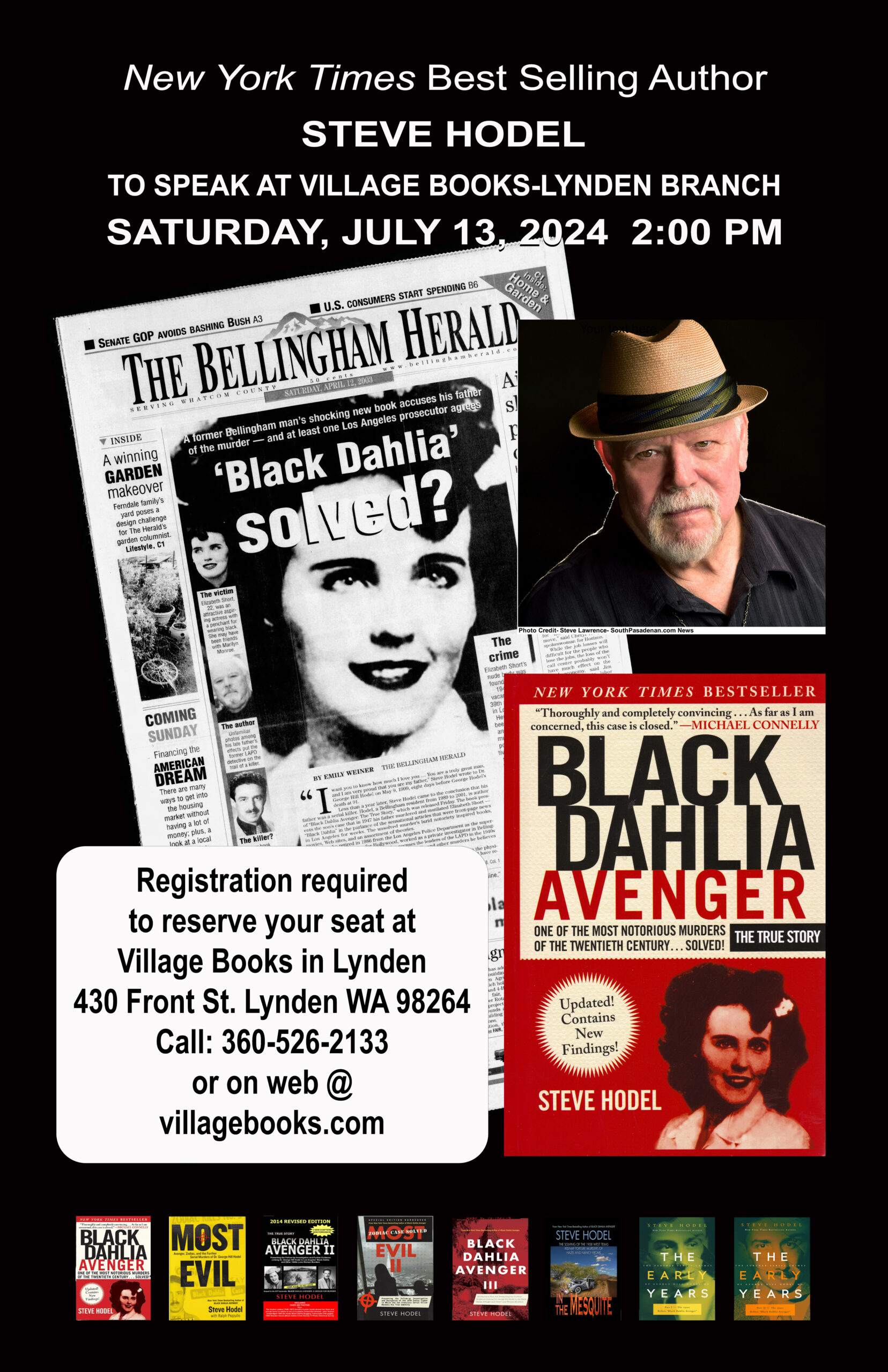
His son, Steve Hodel, a former LAPD detective, spent years building the case against his own father.
In 2003, Steve Hodel published *Black Dahlia Avenger*.
The book cited circumstantial evidence, including a wiretap recording.
The wiretap recording's content and relevance are not established.
The LAPD reviewed the claim.
No one was charged.
Another man was questioned as a suspect and cleared.
His name is not confirmed in reliable coverage.
The record does not establish who he was.
So the confessions led nowhere.
The accusations led nowhere.
The suspect list led nowhere.
Every path ended at the same place: no arrest, no trial, no conviction.
George Hodel was publicly accused by his own son, and the accusation carried weight in the media.
But weight in the media is not weight in court.
The case remains officially open, and the LAPD continues to review tips and evidence.
That is where the story sits.
Not with a name.
Not with a verdict.
With a stack of confessions that never held, and a suspect who was never charged.
THE DNA AND THE RECORD
In 2018, the LAPD announced it had new DNA evidence.
Later, the department said the evidence was inconclusive.
The source of that DNA is not established.
Any match from that DNA is not established.
The record does not say what the sample was, or where it came from.
What the record does say is this: no arrest, no charge, no trial, no conviction, no sentence.
The newspaper clipping found near Elizabeth Short's body remains unexplained.
The address book found beside it remains unexplained.
Online, the clipping is called a message.
It is called a taunt.
It is called a clue the killer left behind.
None of that is in the official record.
The clipping was found near the body—that is documented.
What it meant is not.
Why it was there is not.
Who put it there is not.
The LAPD has stated it continues to review tips and evidence.
That is what it has stated for decades.
The case remains officially open.
It remains officially unsolved.
There is no conviction to appeal and no sentence to serve.
There is a gap between what the viral theories claim and what the files show.
That gap is the whole story.
The theories need a meaning the clipping never received.
They need a connection the record never made.
They need a confession that never held.
That would require evidence.
The record does not have it.
AND THE STORY STILL ISN'T OVER
The case is officially open.
The LAPD has stated it continues to review tips and evidence.
No hearing is scheduled in the record. No motion is pending. No decision is expected.
That would require a next step, and the record does not announce one.
Elizabeth Short's family lived quietly.
Her mother, Phoebe Short, died in 1982.
Her sisters carried the name without public comment.
George Hodel died in 1999 without being charged.
No trial, no conviction, no sentence — the file holds none of those things.
Steve Hodel continues to promote his theory.
He was a former LAPD detective, and he wrote books naming his own father.
No court has ever validated it.
The LAPD reviewed the claim and did not charge anyone.
The murder remains one of the most famous unsolved crimes in American history.
It is a famous case. It is also an empty one.
The clipping sits in the evidence file. The address book sits beside it.
The record explains neither.
Dozens of false confessions came in, and none held.
The DNA announced in 2018 was later called inconclusive.
The killer was never identified.
The body was found on a January morning, and the story has not moved since.
It is not over because a suspect walks free.
It is not over because a clue waits in a drawer.
It is over only in the sense that nothing is pending.
And nothing is pending.
The family does not speak. The department reviews tips.
The son of the suspect writes books.
The case remains open.
That is the whole of the record, and the record is all we have.
Advertisement
You may also like
The QuickBooks log a business partner left open after a family of four vanished
The dinner was still on the table. Four plates, half-finished. Summer’s purse sat where she left it, her cell phone beside it. The dogs…
The 31-day gap between Casey Anthony's daughter's disappearance and the 911 call that launched the case
July 15, 2008, in Orlando, Florida. Cindy Anthony called 911 to report that her two-year-old granddaughter, Caylee Anthony, had been missing for 31 days.…
The 2023 arrest that reopened Tupac's murder case — 27 years after the drive-by
September 7, 1996, at the intersection of Flamingo Road and Koval Lane in Las Vegas, Nevada. Tupac Shakur was riding in a black BMW…
The phone call that put Adnan Syed near Leakin Park — and the call records that later unraveled
She was 18, a senior at Woodlawn High School, and she did not come home on January 13, 1999. Hae Min Lee disappeared after…
The unserved 1955 arrest warrant for Carolyn Bryant, found in a courthouse basement, and the family still seeking answers
The warrant was folded, typed, and dated 1955, and it was found in 2018 in a courthouse basement. It named Carolyn Bryant, the woman…
The $50,000 ransom note left on a windowsill that began a 20-month hunt
The nursery window faced the night. A ladder leaned against it, reaching the sill. On the sill, a note. It demanded $50,000. The child…